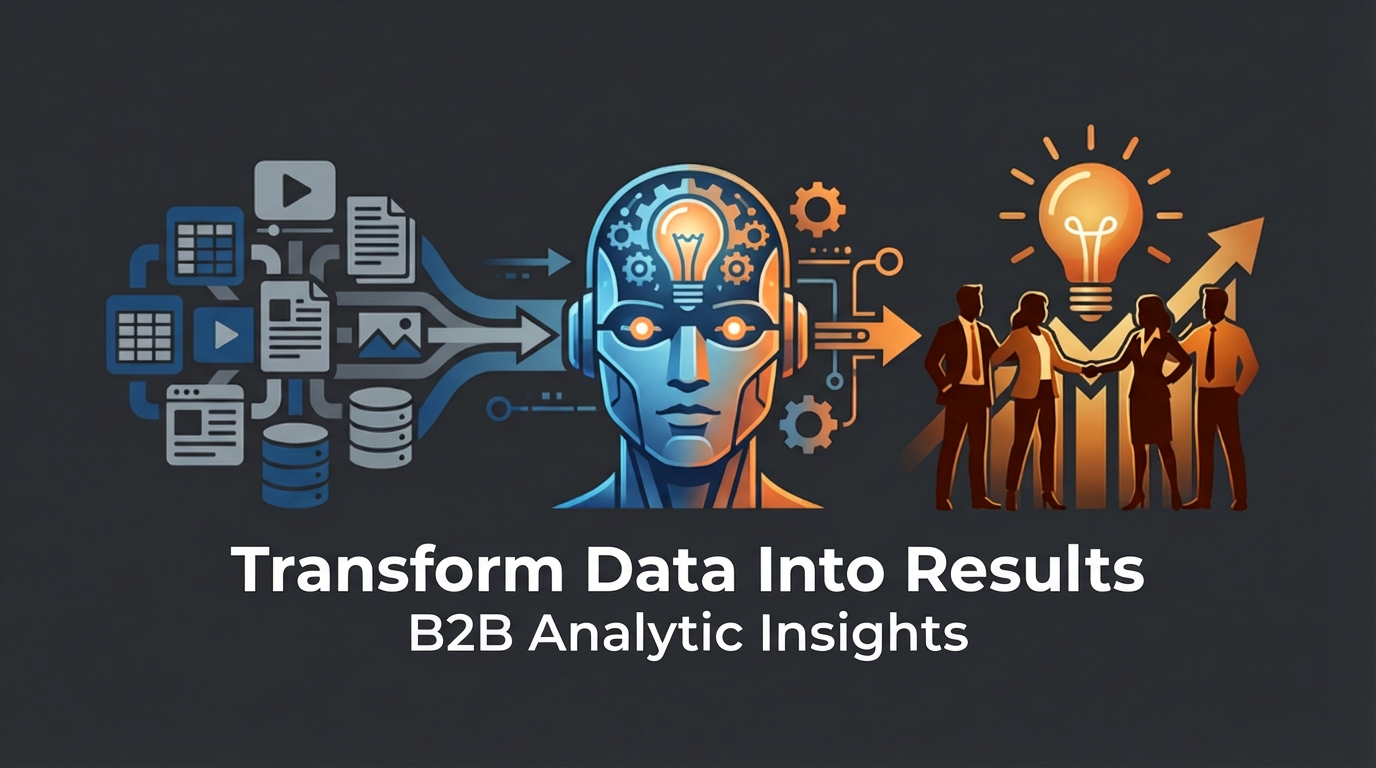

The journey of data has undergone a remarkable transformation over the decades, evolving from mere raw information into a cornerstone of strategic decision-making. In its nascent stages, data was often unstructured and chaotic, consisting of simple facts and figures that lacked context or meaning. Early record-keeping methods, such as ledgers and paper files, provided a rudimentary means of capturing information, but they were limited in their ability to analyze or interpret that data.
As businesses began to recognize the potential value of data, the need for more sophisticated methods of collection and analysis emerged. This marked the beginning of a paradigm shift where data transitioned from being a byproduct of operations to a critical asset. With the advent of computers and digital technology in the late 20th century, the landscape of data management began to change dramatically.
The introduction of databases allowed for the systematic storage and retrieval of information, enabling organizations to organize their data more effectively. This period also saw the rise of data warehousing, where vast amounts of data could be consolidated from various sources into a single repository. As organizations began to harness this structured data, they discovered that it could be analyzed to reveal trends and insights that were previously obscured.
The evolution continued with the emergence of big data technologies in the 21st century, which facilitated the processing of massive datasets in real-time, further enhancing the ability to derive actionable insights from raw information.
Key Takeaways
- Data evolves from raw information to valuable insights through analysis and interpretation.
- Technology plays a crucial role in harnessing the power of data for informed decision making.
- Data analytics uncovers patterns, trends, and relationships within information to drive strategic actions.
- Data visualization is essential for effectively communicating insights and driving actionable outcomes.
- Ethical considerations in data management and analysis are crucial for navigating privacy and security concerns.
The Role of Technology in Harnessing the Power of Data for Decision Making
Technology plays a pivotal role in transforming raw data into valuable insights that inform decision-making processes across various sectors. The proliferation of advanced analytics tools and platforms has empowered organizations to collect, store, and analyze data at unprecedented scales. For instance, cloud computing has revolutionized data storage and accessibility, allowing businesses to leverage vast amounts of information without the constraints of physical infrastructure.
This shift has enabled organizations to adopt a more agile approach to data management, facilitating real-time analysis and fostering a culture of data-driven decision-making. Moreover, machine learning and artificial intelligence have emerged as game-changers in the realm of data analytics. These technologies enable organizations to automate complex analytical processes, uncovering patterns and correlations that would be nearly impossible for humans to detect manually.
For example, retail companies utilize AI algorithms to analyze customer purchasing behavior, allowing them to tailor marketing strategies and optimize inventory management. By harnessing these technological advancements, organizations can not only enhance their operational efficiency but also gain a competitive edge in an increasingly data-driven marketplace.
Data Analytics: Uncovering Patterns, Trends, and Relationships in Information

Data analytics serves as the bridge between raw data and actionable insights, enabling organizations to uncover hidden patterns, trends, and relationships within their information. The process begins with data collection, where various sources—ranging from transactional databases to social media platforms—are aggregated for analysis. Once collected, this data undergoes a series of transformations to ensure its quality and relevance.
Techniques such as data cleaning and normalization are employed to eliminate inconsistencies and prepare the dataset for analysis. Once the data is primed for examination, various analytical techniques come into play. Descriptive analytics provides a snapshot of historical performance by summarizing past events and trends.
For instance, a financial institution might analyze transaction data to identify seasonal spending patterns among its customers. Predictive analytics takes this a step further by using statistical models and machine learning algorithms to forecast future outcomes based on historical data. For example, healthcare providers can predict patient admission rates based on past trends, allowing them to allocate resources more effectively.
Finally, prescriptive analytics offers recommendations for optimal decision-making by simulating different scenarios and evaluating potential outcomes. This comprehensive approach to data analytics empowers organizations to make informed decisions that drive growth and innovation.
The Importance of Data Visualization in Communicating Insights and Driving Action
| Data Visualization Benefits | Explanation |
|---|---|
| Enhanced Understanding | Data visualization helps in presenting complex data in a visual format, making it easier for the audience to understand the insights. |
| Effective Communication | Visual representations of data can convey information more effectively than text or numbers, leading to better communication of insights. |
| Decision Making | Clear and impactful data visualization can drive action by helping decision-makers to understand the implications of the insights and make informed decisions. |
| Trend Identification | Visualizing data over time can help in identifying trends and patterns, which can be crucial for strategic planning and forecasting. |
| Engagement | Interactive and visually appealing data visualizations can engage the audience and encourage them to explore the insights further. |
Data visualization is an essential component of effective data communication, transforming complex datasets into intuitive visual representations that facilitate understanding and engagement. The human brain processes visual information significantly faster than text or numbers, making visualization a powerful tool for conveying insights. By employing charts, graphs, and interactive dashboards, organizations can present their findings in a manner that is easily digestible for stakeholders at all levels.
For instance, consider a marketing team analyzing campaign performance metrics. Instead of presenting raw numbers in a report, they might create an interactive dashboard that allows users to explore key performance indicators visually. This approach not only enhances comprehension but also encourages collaboration among team members as they can easily identify trends and areas for improvement.
Furthermore, effective data visualization can drive action by highlighting critical insights that demand attention. A well-designed visualization can prompt stakeholders to make timely decisions based on real-time data, ultimately leading to improved outcomes.
Ethical Considerations in Data Management and Analysis: Navigating Privacy and Security Concerns
As organizations increasingly rely on data for decision-making, ethical considerations surrounding data management and analysis have come to the forefront. The collection and use of personal information raise significant privacy concerns, necessitating a careful balance between leveraging data for business objectives and respecting individual rights. Regulations such as the General Data Protection Regulation (GDPR) in Europe have established stringent guidelines for how organizations must handle personal data, emphasizing transparency and consent.
Moreover, security concerns are paramount in an era where cyber threats are pervasive. Organizations must implement robust security measures to protect sensitive information from unauthorized access or breaches. This includes employing encryption techniques, conducting regular security audits, and fostering a culture of cybersecurity awareness among employees.
Ethical data management also extends to ensuring that algorithms used in analytics are free from bias and discrimination. For example, if a hiring algorithm is trained on historical hiring data that reflects systemic biases, it may perpetuate those biases in future hiring decisions. Organizations must be vigilant in auditing their algorithms and ensuring fairness in their analytical processes.
From Information to Wisdom: Leveraging Data to Drive Innovation and Transformation in Organizations

The Power of Data-Driven Decision Making
Data has the potential to revolutionize the way organizations operate, but its true value lies not in generating insights, but in transforming those insights into actionable strategies that drive innovation. This requires a cultural shift, where data becomes an integral part of the decision-making process, and leaders must champion a data-driven mindset that encourages employees to leverage data in their daily operations.
### Unlocking Innovation through Data Analytics
Companies like Amazon have successfully harnessed the power of data by integrating it into their core business strategies. By analyzing customer behavior and feedback, Amazon has been able to inform product development and marketing initiatives, leading to increased innovation and customer satisfaction. Similarly, organizations in the healthcare sector are using patient data to drive operational efficiency and groundbreaking research, leading to new treatments and therapies.
### Navigating the Data Landscape
The journey from raw information to valuable insights is complex, influenced by technological advancements and ethical considerations. As organizations navigate this landscape, the ability to harness data effectively will be crucial in driving innovation and transformation across industries. By embracing a culture of data-driven decision-making and prioritizing ethical practices in data management, organizations can unlock the full potential of their information assets and foster trust among stakeholders.
### The Future of Data-Driven Organizations
In conclusion, the effective use of data has the potential to transform organizations and drive innovation. By recognizing the value of data and prioritizing its effective use, organizations can stay ahead of the curve and achieve their goals. As the data landscape continues to evolve, one thing is clear: the ability to harness data effectively will be a key differentiator for organizations in the years to come.