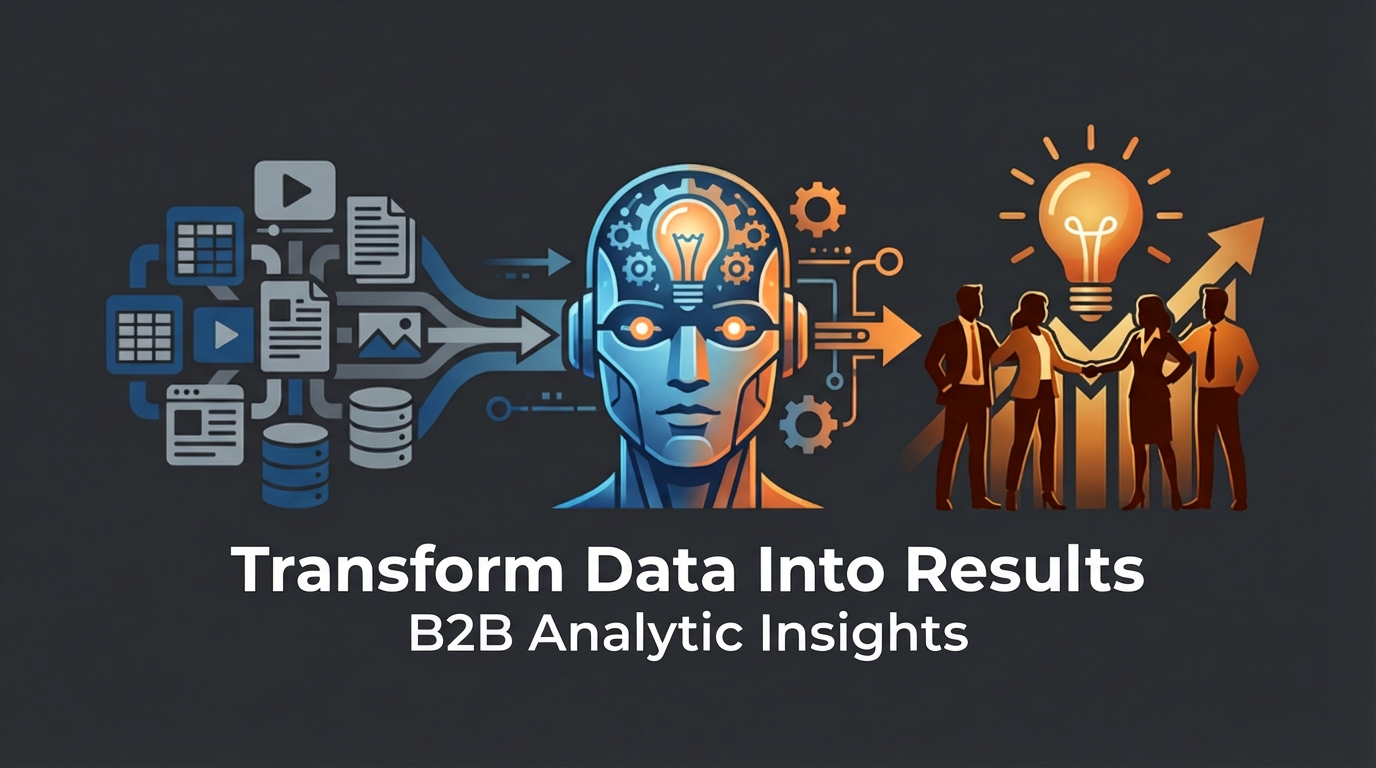

In the contemporary landscape, data has emerged as a pivotal asset, often likened to oil in its value and potential. The exponential growth of digital technologies has led to an unprecedented accumulation of data across various sectors, from healthcare to finance, and from education to entertainment. Organizations are now inundated with vast amounts of information generated by user interactions, transactions, and sensor readings.
This deluge of data presents both opportunities and challenges; while it can drive innovation and efficiency, it also necessitates robust strategies for management and analysis. The ability to harness this data effectively can distinguish successful enterprises from their competitors, enabling them to respond swiftly to market changes and consumer needs. Moreover, the influence of data extends beyond individual organizations; it shapes entire industries and societal norms.
For instance, in the realm of public health, data analytics has revolutionized how we understand disease patterns and manage outbreaks. The COVID-19 pandemic underscored the importance of real-time data collection and analysis in tracking infection rates, vaccine distribution, and public compliance with health guidelines. Governments and health organizations that leveraged data effectively were better positioned to implement timely interventions, demonstrating that data is not merely a tool for operational efficiency but a critical component of societal resilience.
Key Takeaways
- Data is a powerful tool in today’s world, driving innovation and progress in various industries.
- Understanding the difference between data, knowledge, and wisdom is crucial for effective decision-making.
- Collecting and analyzing data effectively is essential for gaining valuable insights and making informed decisions.
- Using data to gain knowledge and make informed decisions can lead to better outcomes and improved performance.
- Ethical considerations are important when harnessing data for knowledge and wisdom, ensuring responsible and fair use of information.
Understanding the Difference Between Data, Knowledge, and Wisdom
To navigate the complex landscape of information, it is essential to differentiate between data, knowledge, and wisdom—three interconnected yet distinct concepts. Data refers to raw facts and figures devoid of context; it is the foundational element from which knowledge is derived. For example, a series of numbers representing daily temperatures in a city over a month constitutes data.
However, when this data is analyzed and interpreted—perhaps revealing trends such as rising temperatures or unusual weather patterns—it transforms into knowledge. Knowledge encompasses the understanding gained from processing data, allowing individuals or organizations to make sense of their environment. Wisdom, on the other hand, transcends knowledge by incorporating experience, judgment, and ethical considerations into decision-making processes.
It involves applying knowledge in a way that reflects an understanding of broader implications and consequences. For instance, a meteorologist may possess extensive knowledge about weather patterns derived from data analysis, but wisdom comes into play when they advise policymakers on how to prepare for climate change impacts. This distinction is crucial in today’s data-driven world; while access to vast amounts of data is increasingly common, the ability to convert that data into actionable knowledge and ultimately into wise decisions is what sets apart effective leaders and organizations.
How to Collect and Analyze Data Effectively

The process of collecting and analyzing data is foundational to transforming raw information into valuable insights. Effective data collection begins with defining clear objectives; organizations must identify what questions they seek to answer or what problems they aim to solve. This clarity guides the selection of appropriate data sources—whether they be surveys, transactional records, social media interactions, or sensor outputs.
For instance, a retail company looking to enhance customer experience might collect data through point-of-sale systems, online feedback forms, and loyalty programs to gain a comprehensive view of consumer behavior. Once data is collected, the next step involves rigorous analysis. This phase can employ various statistical methods and analytical tools tailored to the nature of the data and the objectives at hand.
Techniques such as regression analysis, clustering, or machine learning algorithms can uncover patterns and correlations that may not be immediately apparent. For example, a healthcare provider might analyze patient records using predictive analytics to identify at-risk populations for chronic diseases. By employing these analytical techniques effectively, organizations can derive meaningful insights that inform strategic decisions.
Using Data to Gain Knowledge and Make Informed Decisions
| Data Source | Metrics | Insights |
|---|---|---|
| Customer Surveys | Customer satisfaction score | Identify areas for improvement |
| Website Analytics | Page views, bounce rate | Understand user behavior |
| Sales Data | Revenue, conversion rate | Identify top performing products |
| Employee Feedback | Engagement score | Improve workplace satisfaction |
The transition from data to knowledge is where organizations can truly unlock the potential of their information assets. By synthesizing analyzed data into coherent narratives or reports, decision-makers can gain a deeper understanding of trends and patterns that influence their operations. For instance, a marketing team might analyze customer demographics alongside purchasing behavior to tailor campaigns more effectively.
This knowledge enables them to target specific segments with personalized messaging, ultimately enhancing engagement and conversion rates. Informed decision-making hinges on the ability to interpret knowledge within the context of organizational goals and external factors. Leaders must consider not only the quantitative insights derived from data but also qualitative factors such as market sentiment and competitive dynamics.
A financial institution might utilize economic indicators alongside customer feedback to decide on new product offerings or service enhancements. By integrating diverse sources of knowledge, organizations can make decisions that are not only data-driven but also strategically sound.
The Role of Data in Driving Innovation and Progress
Data serves as a catalyst for innovation across various sectors by enabling organizations to identify opportunities for improvement and growth. In technology, for instance, companies leverage user data to refine products and services continuously. The iterative process of collecting user feedback and analyzing usage patterns allows tech firms to innovate rapidly in response to consumer needs.
A prime example is how streaming services like Netflix utilize viewing data to inform content creation decisions—by analyzing what genres or themes resonate with audiences, they can produce original programming that is more likely to succeed. Beyond product development, data also plays a crucial role in operational efficiency and process optimization. Manufacturing companies employ data analytics to monitor production lines in real-time, identifying bottlenecks or inefficiencies that can be addressed promptly.
This proactive approach not only enhances productivity but also reduces waste and costs. Furthermore, industries such as agriculture are increasingly adopting precision farming techniques driven by data analytics; farmers use satellite imagery and sensor data to optimize crop yields while minimizing environmental impact.
Ethical Considerations in Harnessing Data for Knowledge and Wisdom

Privacy Concerns and Transparent Data Practices
The collection, storage, and analysis of personal data raise important questions about individual privacy. Often, individuals are unaware of how their information is being used or shared. To address these concerns, organizations must implement transparent data practices that prioritize user consent and privacy protection. This can be achieved by adopting privacy-by-design principles that embed ethical considerations into data collection processes from the outset.
The Risk of Bias in Data Analysis
Another significant ethical challenge is the potential for bias in data analysis. Algorithms trained on historical data may inadvertently perpetuate existing biases if not carefully monitored. This issue has been particularly evident in areas such as hiring practices or law enforcement, where biased algorithms can lead to discriminatory outcomes.
Fostering a Culture of Responsibility
To mitigate these risks, organizations must commit to fairness in their analytical processes by regularly auditing algorithms for bias and ensuring diverse representation in training datasets. By fostering a culture of responsibility around data usage, organizations can harness the power of data while upholding the values of transparency and fairness that are essential in today’s interconnected world.