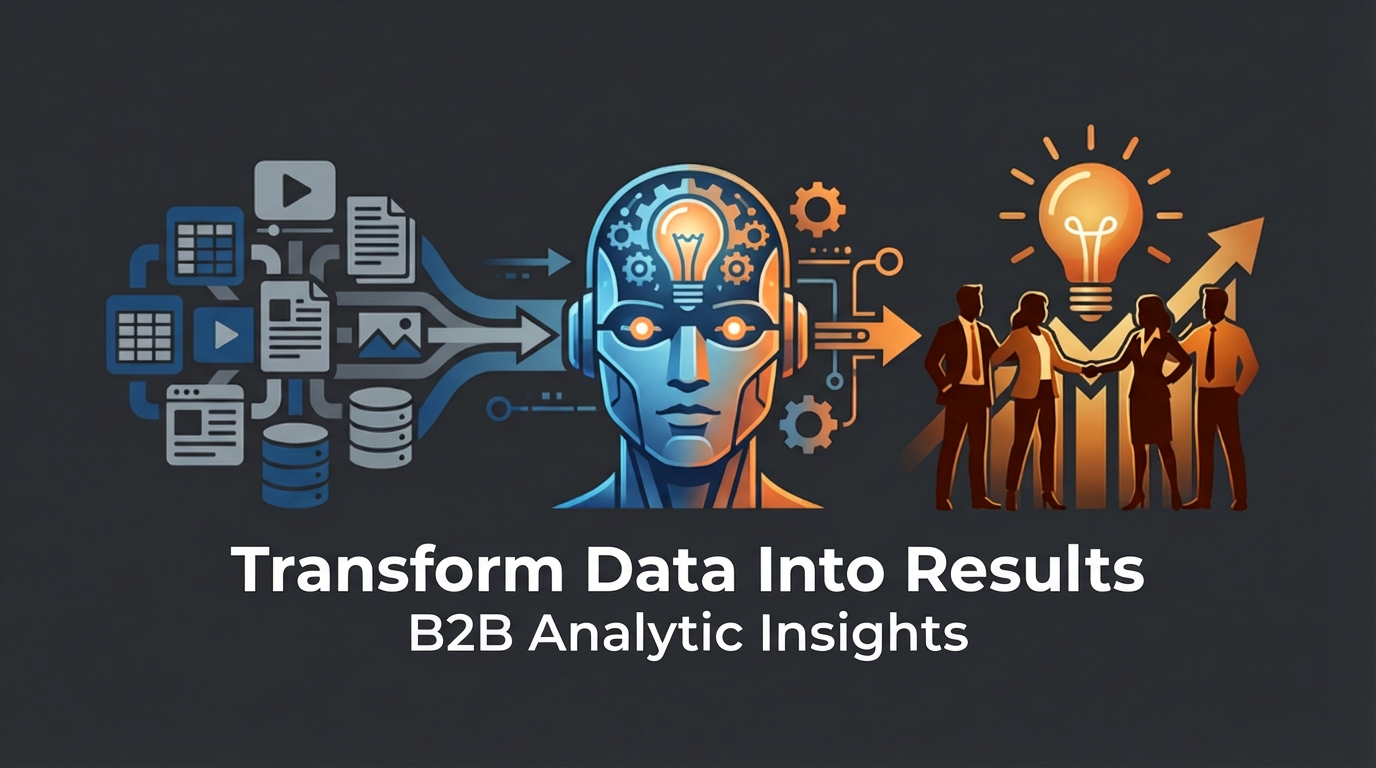

The DIKW model, which stands for Data, Information, Knowledge, and Wisdom, serves as a framework for understanding the transformation of raw data into meaningful insights. This hierarchical model illustrates how data, when processed and contextualized, evolves into information, which can then be further refined into knowledge and ultimately wisdom. Each level of the model represents a distinct stage in the cognitive process, emphasizing the importance of context and interpretation in deriving value from data.
At the base of the DIKW pyramid lies data, which consists of raw facts and figures devoid of context. Data can be quantitative, such as numbers and statistics, or qualitative, such as descriptions and observations. For instance, a collection of temperature readings over a week represents data.
However, without context—such as the location or time frame—these numbers remain isolated and lack significance. As we ascend the pyramid to information, we begin to see how data can be organized and structured to provide meaning. For example, if we analyze the temperature readings to identify trends or patterns, we transform raw data into information that can inform us about weather conditions.
Key Takeaways
- The DIKW model represents the relationship between Data, Information, Knowledge, and Wisdom, with each level building upon the previous one.
- Applying the DIKW model to data involves collecting and organizing raw data to extract meaningful information.
- Utilizing the DIKW model for information entails analyzing and interpreting data to create actionable insights.
- Leveraging the DIKW model for knowledge involves synthesizing information to develop a deep understanding of a subject or concept.
- Making informed decisions with the DIKW model requires using knowledge and wisdom to make sound judgments and choices.
- Implementing the DIKW model in decision-making processes involves using the model as a framework for evaluating and utilizing information to make effective decisions.
Applying the DIKW Model to Data
When applying the DIKW model to data, it is essential to recognize that data collection is the first step in a broader analytical process. Organizations often gather vast amounts of data from various sources, including customer interactions, sales transactions, and social media engagement. However, simply accumulating data does not yield value; it must be processed and analyzed to extract insights.
This is where the application of the DIKW model becomes crucial. By employing techniques such as data mining and statistical analysis, organizations can sift through raw data to identify relevant patterns and correlations. For example, a retail company may collect transaction data from its point-of-sale systems.
Initially, this data is just a series of numbers representing sales figures. However, by applying analytical tools to this data, the company can uncover trends such as peak shopping times or popular product categories. This transformation from raw data to actionable insights exemplifies the first step in the DIKW model.
The ability to convert data into information allows organizations to make informed decisions that can enhance operational efficiency and improve customer satisfaction.
Utilizing the DIKW Model for Information

Once data has been transformed into information, organizations can utilize this information to gain deeper insights into their operations and customer behavior. Information is characterized by its contextual nature; it provides answers to questions such as who, what, where, when, and how. By organizing and structuring information effectively, organizations can create dashboards and reports that facilitate decision-making processes.
For instance, a marketing team may analyze customer demographic information alongside purchasing behavior to develop targeted advertising campaigns. Moreover, the utilization of information extends beyond mere reporting; it involves interpreting and contextualizing the information to derive actionable insights. For example, if a company notices an increase in sales during a specific season, it can analyze historical sales data to understand the factors contributing to this trend.
This analysis may reveal that promotional campaigns or seasonal product launches significantly impact sales performance. By leveraging information in this manner, organizations can adapt their strategies to capitalize on emerging opportunities or mitigate potential risks.
Leveraging the DIKW Model for Knowledge
| DIKW Model Level | Description | Example |
|---|---|---|
| Data | Raw facts and figures | Temperature readings |
| Information | Processed data with context | Weather forecast for the week |
| Knowledge | Understanding and application of information | Knowing how to dress for the weather |
| Wisdom | Applying knowledge to make decisions | Choosing the best time for outdoor activities |
Knowledge represents a higher level of understanding that emerges from synthesizing information over time. It encompasses not only facts but also insights gained from experience and expertise. Leveraging knowledge involves applying learned experiences to inform future actions and decisions.
In a business context, knowledge management practices play a vital role in capturing and disseminating knowledge within an organization. This can include creating knowledge repositories, conducting training sessions, or fostering a culture of collaboration. For instance, consider a pharmaceutical company that has conducted extensive research on drug efficacy.
The knowledge gained from clinical trials and patient feedback is invaluable for future drug development initiatives. By documenting this knowledge and sharing it across teams, the organization can enhance its research capabilities and improve patient outcomes. Furthermore, leveraging knowledge allows organizations to innovate by building on past successes and learning from failures.
This iterative process of knowledge application fosters continuous improvement and drives competitive advantage.
Making Informed Decisions with the DIKW Model
The ultimate goal of the DIKW model is to facilitate informed decision-making. As organizations navigate complex environments filled with uncertainty, having access to accurate data, relevant information, and actionable knowledge becomes paramount. Informed decision-making involves evaluating options based on a comprehensive understanding of available resources and potential outcomes.
The DIKW model provides a structured approach to this process by guiding decision-makers through each stage of analysis. For example, in a healthcare setting, administrators may use patient data to assess resource allocation for various departments. By analyzing patient admission rates (data) alongside treatment outcomes (information), they can make informed decisions about staffing levels and equipment needs (knowledge).
This systematic approach ensures that decisions are grounded in evidence rather than intuition alone. Additionally, incorporating feedback loops into the decision-making process allows organizations to refine their strategies based on real-world outcomes, further enhancing their ability to make informed choices.
Implementing the DIKW Model in Decision Making Processes

Data Collection and Analysis
Organizations must establish clear protocols for gathering and analyzing data while fostering a culture that values knowledge sharing among employees. This may involve investing in technology solutions that facilitate data integration and analytics or creating platforms for collaboration where employees can share insights and best practices.
Leadership and Employee Empowerment
Leadership plays a crucial role in championing the DIKW model within an organization. By promoting an environment that encourages curiosity and critical thinking, leaders can empower employees to engage with data meaningfully. Training programs focused on data literacy can equip staff with the skills needed to interpret data effectively and leverage it for decision-making purposes.
Culture of Learning and Adaptability
Ultimately, implementing the DIKW model requires a commitment to fostering a culture of learning and adaptability that enables organizations to thrive in an ever-changing landscape. By understanding each component of the model—data, information, knowledge, and wisdom—organizations can harness their analytical capabilities to drive informed decision-making across various sectors.