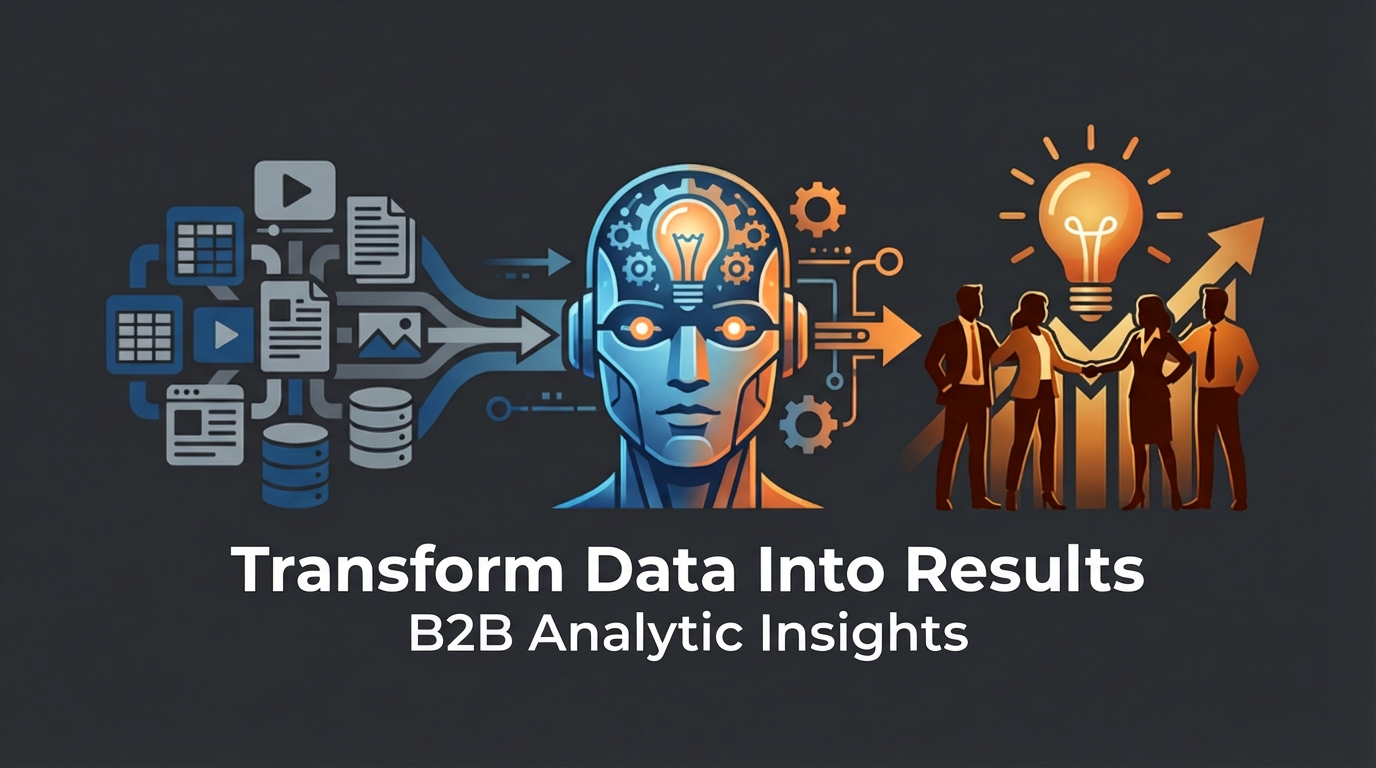

The world of finance and credit is a constant dance. We push and pull, leading and following. It’s how we get things done. For decades, I’ve seen this firsthand, working with thousands of commercial entities. We’ve faced challenges, some we anticipated, others blindsided us. Fraud is one of those constant threats. For too long, our defense has been reactive. We wait for the alarm. Then we scramble. It’s inefficient. It’s costly. It’s not working as well as it could. It’s time for a fundamental shift. We need to move from simple alerts to a defense that genuinely works. This means understanding our data, using it intelligently, and integrating advanced analytics to anticipate and neutralize threats before they fully materialize.
For years, the siren song of the alert has been our primary defense. A transaction flags. A system buzzes. We react. We investigate. We hope we catch it in time. This model is inherently flawed. It assumes fraud is a predictable event that announces itself clearly. The reality is far more insidious. Fraudsters are adaptable. They learn. They evolve. They exploit the very systems we put in place to stop them.
The Cost of Delayed Action
Every moment we spend reacting is a moment the fraudster is succeeding. This delay translates directly into financial losses. It also erodes customer trust. When a customer experiences fraud, their confidence in us, and in the financial system, falters. Rebuilding that trust is a far more arduous and expensive task than preventing the fraud in the first place.
Alert Fatigue is Real
We generate a staggering amount of data. Systems are designed to watch for anomalies. When these systems are not finely tuned, they cry wolf too often. This leads to alert fatigue. Our teams become desensitized. Important signals get lost in the noise. Critical threats might be overlooked because they appear similar to a thousand benign alerts.
Static Rules Fail to Adapt
Many of our current alert systems rely on static rules. If X happens, then Y alert triggers. Fraudsters understand these rules. They find ways to circumvent them. They operate in the gray areas. They adapt their methods faster than we can update our rule sets. This creates a perpetual game of catch-up.
Embracing Predictive Defense
The future of fraud defense lies in anticipation. We must move beyond merely identifying suspicious activity to predicting it. This requires a deeper understanding of our data and the sophisticated application of analytics. It’s about building systems that learn and adapt, shifting from a historical view to a forward-looking perspective.
Understanding the Landscape: Descriptive Analytics
We start by understanding what has happened. Descriptive analytics helps us see the patterns in past fraud. Where has it occurred? What methods were used? Who were the typical victims? This foundational step is critical for building any predictive model. It’s about knowing the terrain.
Diagnosing the Root Causes: Diagnostic Analytics
Once we see the patterns, we ask why they occur. Diagnostic analytics delves into the causal relationships. Why are certain transaction types more vulnerable? What are the behavioral indicators that often precede fraudulent activity? This level of understanding allows us to pinpoint vulnerabilities and weaknesses in our current systems.
Forecasting the Future: Predictive Analytics
This is where the real shift begins. Predictive analytics uses historical data and current signals to forecast future events. We can build models that estimate the probability of a transaction being fraudulent. We can identify accounts or entities with a higher likelihood of being targeted or used for fraudulent purposes.
Guiding Action: Prescriptive Analytics
The ultimate goal is not just to predict, but to guide our response. Prescriptive analytics takes the insights from predictive models and offers actionable recommendations. It can suggest specific actions to mitigate risk, such as requiring additional verification for a high-risk transaction or temporarily flagging an account for review.
The Role of AI and Supply Chain Intelligence

Artificial intelligence is not a silver bullet. But when applied thoughtfully, it becomes an indispensable tool in our arsenal. AI, particularly through machine learning and advanced modeling techniques, allows us to process vast amounts of data and identify subtle correlations that human analysts might miss. This is where we can build truly intelligent defenses.
Beyond Traditional Data Sources
Fraud doesn’t happen in a vacuum. It often involves external factors. Supply chain intelligence, for instance, can offer critical context. If a supplier is experiencing significant financial distress, this might indirectly increase the risk of fraudulent invoicing or procurement activities. Understanding these interdependencies is key.
Graph Neural Networks and Predictive Trust
Newer technologies like Graph Neural Networks (GNNs) are proving particularly effective. They analyze relationships between entities, allowing us to score “predictive trust” in real-time. This means we can assess the inherent risk of an entity not just based on its own history, but on its connections to others. This moves us far beyond simple rule-based checks.
Explainable AI for Transparency
A critical component of AI adoption in finance is explainability. We need to understand why a system flags something as risky. Explainable AI (XAI) provides this transparency. It ensures our teams can trust the AI’s recommendations and can articulate the reasoning behind any decision, which is crucial for compliance and internal audit.
Building an Integrated Defense Framework

A shift to proactive fraud defense isn’t about a single new tool. It’s about building an integrated framework. This framework combines advanced analytics, intelligent systems, and a deep understanding of our operational environment. It requires collaboration across departments and a commitment to continuous improvement.
Real-Time Identity Scoring
Imagine knowing the level of trust associated with an identity before a transaction is even approved. Technologies are emerging that provide real-time identity scoring. These systems assess various attributes and behavioral patterns to assign a dynamic trust score. This enables automated responses, pushing approved identities through seamlessly while flagging or halting those that present a higher risk.
Machine Learning Models in Action
Machine learning models can continuously learn from new data. They can adapt to evolving fraud tactics much faster than manual rule updates. By training these models on vast datasets of both legitimate and fraudulent activities, we can achieve higher accuracy in identifying fraudulent patterns. This leads to fewer false positives and a more efficient use of our investigative resources.
API-Driven Intelligence Sharing
For true integration, we need systems that can talk to each other. API-driven intelligence sharing allows different platforms and data sources to communicate seamlessly. This means that insights derived from one system can be immediately actionable in another, creating a more robust and responsive defense ecosystem.
The Future: Proactive Compliance and Enhanced Protections
| Metrics | Reactive Alerts | Fraud Defense That Works |
|---|---|---|
| Accuracy | Low | High |
| Response Time | Delayed | Real-time |
| Cost | High | Optimized |
| Effectiveness | Varies | Consistent |
The evolution of fraud defense is intrinsically linked to the broader shift towards proactive compliance. Firms are increasingly recognizing the strategic imperative to embed robust risk management into their core operations. This means moving beyond a reactive stance on AML (Anti-Money Laundering) and fraud detection to a more anticipatory model.
Generative AI in AML
The potential of generative AI in AML is significant. While regulatory clarity is still evolving, firms are exploring its use to enhance threat detection, identify sophisticated money laundering schemes, and even generate synthetic data for model training. This technology promises to augment human capabilities, allowing for more nuanced analysis of complex financial crimes.
Protecting Vulnerable Populations
The urgency for proactive fraud defense is even more pronounced when considering vulnerable populations. Older adults and caregivers, for instance, represent a segment that can be particularly susceptible to sophisticated fraud schemes. Enhanced protections, informed by AI-driven analytics and predictive modeling, can provide a critical layer of security for these individuals and their finances.
The 90-Day Response Plan
A key indicator of a mature fraud defense strategy is the emphasis on robust post-incident response. AI fraud platforms are now incorporating elements like 90-day response plans. This signifies a commitment to not just identifying fraud, but to thoroughly investigating, learning from it, and implementing concrete measures to prevent recurrence. This iterative approach is essential for staying ahead of evolving threats.
Custom Reporting and Secure Tools
The need for tailored solutions is paramount. Custom reporting allows finance and credit professionals to focus on the metrics and insights most relevant to their specific operations and risk profiles. Tools like SecureLock Predict, mentioned in industry discussions, represent the move towards integrated, predictive monitoring systems designed for real-time risk assessment.
Authentication and Beyond
Multi-factor authentication, like 3D Secure with OTP (One-Time Password), plays a vital role in verifying identity but it is only one piece of the puzzle. A truly proactive defense integrates these authentication layers with predictive analytics to create a holistic security posture. It’s about building layers of defense that are informed by intelligence.
From Alerts to Assurance
Our journey is from reactive alerts to intelligent assurance. We are transforming data into results. We are not just managing risk; we are actively building resilience. This is a path forged by experience, informed by cutting-edge analytics, and driven by the fundamental need to protect our organizations and our customers. It’s a collaborative effort, and it’s a necessary evolution.