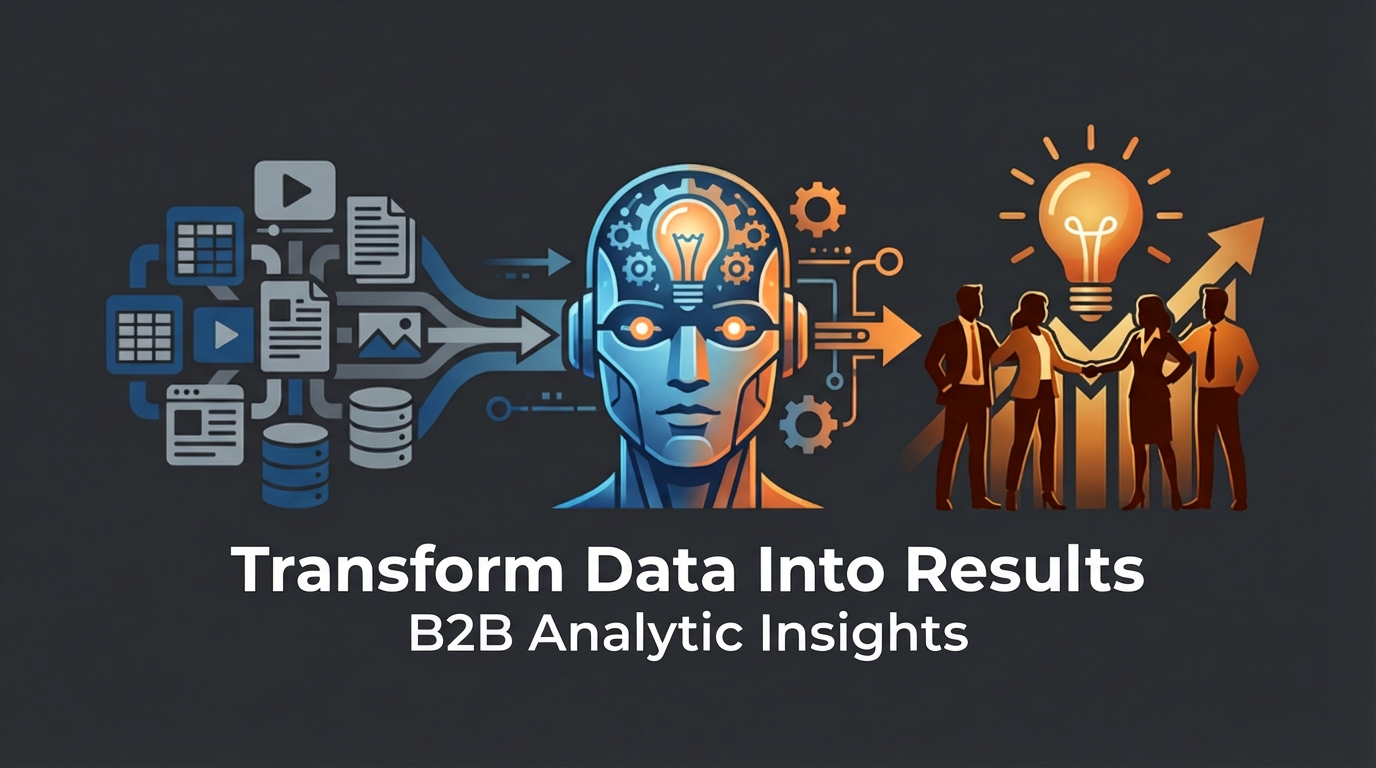

The commercial credit landscape evolves. Rapidly. Relying on a single score is insufficient. It offers a snapshot. It misses context. We need a complete picture. This requires moving beyond a solitary number. We build a risk profile. This profile informs better decisions. This approach transforms data into tangible results for thousands of commercial entities.
The Imperative of Comprehensive Credit Intelligence
Decisions in commercial credit carry significant weight. They impact capital allocation. They affect growth. A single credit score provides a starting point. It is not the destination. It synthesizes many factors into an easily digestible number. But complexity exists beyond that number. Real risk hides in the details.
My experience, spanning several decades, confirms this. We’ve seen situations where a strong score masked underlying vulnerabilities. Or a moderate score obscured significant opportunities. Understanding the “why” behind the score is critical. This deeper understanding gives us control. It builds resilience. It ensures accuracy in our credit assessments.
Shifting from Score to Profile
A credit score is a descriptive analytic. It tells us what happened. A risk profile, however, incorporates diagnostic, predictive, and prescriptive elements. It explains why. It forecasts what might happen. It suggests what actions to take. This integrated view is foundational.
Beyond the Numeric Threshold
A score is a gate. A profile is a map. We use the score to triage. We use the profile to navigate. Think of a potential borrower. Their score is respectable. On the surface, they appear sound. But a dive into the profile reveals concentrated exposure in a volatile sector. Or significant reliance on a single customer. These are not reflected in a high-level score. These are critical insights. They influence our decision. They move us from a simple “yes/no” to a nuanced “under these specific conditions.”
The Anatomy of a Risk Profile
Building a robust risk profile demands a holistic view. It aggregates information from diverse sources. It integrates financial health, operational vulnerabilities, and market dynamics. It is more than just data aggregation. It is intelligent synthesis. We connect the dots. We uncover patterns. This process generates actionable insights.
Credit Risk in a Dynamic Ecosystem
The operating environment for businesses changes constantly. Economic shifts, technological advancements, and geopolitical events create new risks. Static credit assessments quickly become obsolete. Our approach must be equally dynamic. We need continuous intelligence.
Operational Agility and Financial Stability
A company’s financial statements provide a historical view. They are essential. But they do not tell the whole story. Operations reveal current health. Supply chain disruptions, for example, directly impact financial stability. Late deliveries, quality issues from sub-tier suppliers, or constrained logistics can cripple even a well-capitalized firm. Identifying these operational stressors early is a powerful predictive tool. It anticipates financial strain.
Micro and Macro Economic Pressures
Industry-specific trends matter. Broader economic indicators matter more. A healthy company in a contracting sector faces headwinds. A struggling company in an expanding sector might find new opportunities. Our risk profiles incorporate these macro and micro perspectives. We track sector performance. We monitor economic forecasts. This contextual awareness refines our assessment. It makes them more robust.
Supply Chain Intelligence: A New Front in Credit Risk
The interconnectedness of modern business means a firm’s risk is not solely internal. Its supply chain represents a significant vulnerability. Or a significant strength. Ignoring this dimension leaves a critical blind spot.
Mapping the Web of Dependencies
We need to understand a firm’s key suppliers. Its key customers. The critical nodes in its operational network. A single point of failure within this network can transmit systemic risk. Imagine a manufacturer reliant on a single component supplier. If that supplier falters, the manufacturer’s ability to produce is compromised. This directly impacts their ability to service debt. We use supply chain intelligence to map these dependencies. We identify single points of failure. We assess their impact severity.
Early Warning Signals from the Edges
Disruptions often originate far upstream. A natural disaster in another continent impacts lead times. Geopolitical tensions affect shipping routes. Labor disputes influence raw material costs. These events are not always reported in traditional financial filings. But they manifest as early warning signals in supply chain data. We monitor these signals. We integrate them into our risk profiles. This foresight allows for proactive adjustments. It helps mitigate potential fallout before it hits the balance sheet.
Decision Intelligence: Fueling Proactive Credit Management
Data alone does not make decisions. Insights do. Decision intelligence is the framework that transforms raw data into a clear path forward. It combines context, analytics, and human judgment.
From Descriptive to Prescriptive Actions
Descriptive analytics tell us the past. Diagnostic analytics explain the past. Predictive analytics forecast the future. Prescriptive analytics tell us what to do. Our aim is always to reach the prescriptive stage. When we identify a potential risk through our profile, what is the recommended action? Is it to request additional collateral? To adjust terms? To offer alternative financing solutions? Decision intelligence gives us these answers. It guides our real-world interventions.
Augmenting Human Expertise with AI-Driven Analytics
We are not replacing human judgment. We are enhancing it. AI-driven analytics process vast datasets at speeds impossible for manual review. They identify subtle correlations. They detect emerging patterns. This capability augments our existing expertise. It provides a more complete, more dynamic perspective. Our decades of experience provide the intuition. AI provides the detail. Together, they create a powerful advantage. The experience from thousands of commercial entities informs our approach.
The Future of Commercial Credit: Continuous Evolution
The credit landscape will continue to evolve. We must too. Our commitment is to continuous improvement. To embracing new methods. To refining our intelligence.
Iterative Refinement of Risk Models
Our risk models are not static. They are living systems. We feed them new data. We incorporate new insights. We validate their performanceAgainst real-world outcomes. This iterative process ensures our profiles remain relevant. They remain accurate. They remain predictive. Experian’s new construction-specific risk model exemplifies this evolution. It uses machine learning for better precision in a specific sector. We constantly seek similar refinements across all sectors.
Fostering Collaboration and Transparency
Credit decisions are ultimately partnerships. Between lender and borrower. Between analytics teams and relationship managers. Transparency in our analysis fosters trust. Clear communication about our risk profiles helps borrowers understand our decisions. It allows them to act. Collaboration internally ensures our insights are shared. Our strategies are aligned. This collective intelligence strengthens our ability to manage risk. It drives better outcomes for everyone involved. The discussions around single-bureau vs. tri-merge credit reports for mortgage lending highlight the ongoing debate around precision, cost, and risk. While not directly commercial, it underscores the industry’s continuous push for optimal data utilization and risk mitigation. Our focus remains on commercial credit, but the principles of thoroughness and informed debate are universal.
Ultimately, the goal is not just to avoid losses. It is to enable informed growth. To foster healthy commercial relationships. To transform data into intelligent action. The complete risk profile is our essential tool for achieving this. We move forward, grounded in expertise, driven by insight.