
We face a challenging credit environment. Economic headwinds persist. Inflation remains a concern. Interest rates are elevated. These factors pressure commercial entities. Cash flow is paramount. Understanding financial stress early is critical. It prevents minor issues from becoming crises. This requires a disciplined approach. It demands insightful analysis.
Decades of experience reveal a cyclical nature to credit markets. We’ve seen periods of expansion and contraction. We’ve guided thousands of commercial entities through these cycles. Today, the landscape is particularly complex. Private credit has grown significantly. This growth brings new challenges. It also presents unique opportunities for astute lenders.
Understanding the New Realities in Private Credit
Private lenders, particularly Business Development Companies (BDCs), navigate a difficult terrain. We see them employing tactics like Payment-in-Kind (PIK) provisions. They also engage in covenant amendments. These actions delay cash payments. They aim to avoid defaults. This postpones immediate financial pain for stressed borrowers. This is particularly true in sectors like software. The underlying stress doesn’t vanish. It merely gets managed, temporarily.
The Criticality of the 13-Week Cash Flow Forecast
In this environment, one covenant stands out. The 13-week cash flow forecast is key. It offers precision. It is unamendable in its standard form. This contrasts with metrics like EBITDA or leverage ratios. These can be renegotiated. The 13-week forecast provides an unvarnished view. It’s private credit’s first major test. We must rely on its clarity. It truly flags impending stress.
Investor Behavior and Market Sentiment
We observe significant investor withdrawals. Loan markdowns are occurring. Redemption caps are becoming common. These signals indicate broad stress in private credit. PIMCO has warned of a “reckoning.” They attribute it to weak underwriting. This isn’t hyperbole. It’s a call to heightened vigilance. We must listen.
The Role of Data in Early Warning Systems
Descriptive analytics paint a picture of the past. Diagnostic analytics explain why things happened. Predictive analytics forecast future outcomes. Prescriptive analytics recommend actions. All have their place. However, for flagging financial stress, the focus shifts. We need tools that provide timely, actionable insights. We need insights that anticipate problems.
Proactive Identification of Financial Distress
Preventing a crisis requires foresight. It demands a commitment to looking beyond the obvious. Financial stress rarely appears overnight. It usually has precursors. These precursors manifest in various forms. Our job is to find them. We must do so before they escalate.
The Limitations of Traditional Covenant Monitoring
Traditional covenants, while important, can have blind spots. They often focus on historical performance. They may not capture the speed of current market shifts. EBITDA can be manipulated. Leverage ratios can be temporarily masked. These metrics are useful. But they are not sufficient on their own.
The Power of Cash Flow Analysis
Cash is the lifeblood of any business. Understanding its movement is fundamental. The 13-week cash flow forecast offers a granular view. It details expected inflows and outflows. It highlights potential shortfalls. This forecast is a powerful diagnostic tool. It’s also predictive. A consistent or growing gap in the forecast signals trouble.
Monitoring Operating Cash Flow Trends
We look at changes in operating cash flow. Are revenues growing but cash collections slowing? Are expenses increasing faster than anticipated? Diagnostic analysis here is vital. It helps identify the root cause of any cash flow pressure. This isn’t about blame. It’s about understanding the mechanics of the business.
Analyzing Capital Expenditure Burdens
Capital expenditures can strain cash flow. High discretionary spending can be a red flag. Especially when operating cash flow is weakening. We need to understand the necessity of these expenditures. Are they for essential maintenance? Are they for growth initiatives? The justification matters.
Scrutinizing Financing Activities
Changes in financing activities are also telling. Increased reliance on short-term debt. Drawing down on existing credit lines. These actions can indicate tightening liquidity. They are reactive measures. They suggest a company is struggling to fund its operations organically.
The Signal of Payment-in-Kind (PIK) Provisions
The rise of PIK provisions is a clear indicator of stress. Lenders agree to receive interest in kind rather than cash. This allows the borrower to preserve cash. It avoids an immediate default. However, it compounds the debt. It increases the future cash burden. We must understand the implications of these provisions. They are a sign of existing or anticipated difficulty.
Supply Chain Intelligence as a Stress Indicator

The health of a company’s supply chain is a leading indicator of its financial stability. Disruptions here ripple outwards. They impact production. They affect sales. They ultimately hit cash flow. Understanding these dynamics is crucial.
Mapping and Monitoring Key Supply Chain Relationships
We need a clear map of a company’s critical suppliers. We need to understand their own financial health. Are our borrowers’ suppliers experiencing stress? This can foreshadow future disruptions for our borrowers. We must look upstream.
Identifying Supply Chain Bottlenecks and Their Financial Impact
Bottlenecks lead to delays. Delays mean lost sales. They mean increased costs for expedited shipping. They mean potential penalties for late delivery. Diagnostic analytics help us quantify this impact. We can then correlate it to cash flow.
The Impact of Commodity Price Volatility
High oil prices, for example, impact energy-sensitive sectors. This is not new. But the magnitude matters. BDCs are being urged to stress-test portfolios for these scenarios. Even if a company isn’t directly in the energy sector, its costs can rise. Its customers’ demand can fall. We must model these scenarios.
The Role of Technology in Supply Chain Visibility
Increasingly, technology provides greater supply chain visibility. We can now track goods in transit. We can monitor supplier performance in near real-time. This data allows for earlier detection of issues. It enables proactive communication with borrowers.
Decision Intelligence for Robust Financial Monitoring

Decision intelligence combines data, analytics, and process. It empowers informed, timely decisions. In credit, this means moving beyond simple reporting. It means actively shaping our approach.
Integrating Multiple Data Sources for a Holistic View
No single data source tells the whole story. We must integrate financial statements. We need trade data. We need operational metrics. We need market intelligence. AI-driven analytics can help us synthesize this information. It can uncover hidden correlations.
The Challenge of AI Data Centers and Negative Free Cash Flows
We see emerging risks. For example, the massive capital expenditures required for AI data centers. Some projections show significant negative free cash flows for these operations. This creates complexity in private credit financing. It heightens litigation risks. We must understand these new business models. We must assess their true cash flow generation potential.
Predictive Analytics for Early Warning Flags
Predictive models can identify patterns associated with financial distress. These models learn from historical data. They flag entities exhibiting similar characteristics. This allows us to intervene early. It’s about foresight. Not hindsight.
AI-Driven Identification of Anomalies
AI can go beyond traditional statistical methods. It can detect subtle anomalies in financial data. It can flag deviations from expected behavior. This is particularly useful when dealing with thousands of commercial entities. Manual review simply can’t keep pace.
Prescriptive Analytics for Strategic Intervention
Once stress is identified, what do we do? Prescriptive analytics help here. They recommend the most effective course of action. This could involve covenant adjustments. It could involve renegotiating terms. It could involve offering workout solutions. The goal is to steer the borrower back to health. Or to manage an inevitable downturn.
Navigating Regulatory Considerations and Accounting Standards
| Metrics | Description |
|---|---|
| Cash Flow | The net amount of cash and cash-equivalents being transferred into and out of a business |
| Covenants | Agreements or clauses in loan contracts that require the borrower to fulfill certain conditions |
| Flagging Financial Stress | The process of identifying early warning signs of financial distress before it escalates into a crisis |
The regulatory environment impacts how we classify and report on loans. Recent discussions highlight a need for improved accounting for covenants.
The FASB Push for Accounting Rule Rewrites
The FASB advisory group is pushing for a rewrite of accounting rules. This concerns loan classification and covenants. The aim is to avoid artificially flagging companies as risky. This is especially important when lenders haven’t taken action. We must be aware of these evolving standards. They affect reporting and perception.
Ensuring Compliance While Seeking True Financial Health
Our primary goal is sound credit risk management. This means ensuring compliance. But it also means focusing on the real financial health of our borrowers. Accounting rules should reflect that reality. They shouldn’t create phantom problems.
Leading and Collaborating in a Complex Credit Market
Our role as finance and credit professionals is dual-natured. We must lead with conviction. We must also collaborate effectively. This holds true for our interactions with borrowers and within our teams.
The Authority of Experience and Data
Decades of experience provide a foundation. AI-driven analytics offer powerful new tools. Together, they give us the authority to make difficult decisions. To guide complex situations. We speak from a place of knowledge and evidence.
The Humility of Continuous Learning
The market is always evolving. New risks emerge. New technologies appear. We must remain humble. We must be willing to learn. To adapt our approaches. To recognize that we don’t have all the answers. Collaboration fuels this learning.
Partnering with Borrowers for Mutual Success
Our relationship with borrowers should be a partnership. We aim for their success. Their success is our success. When we identify stress, we engage. We discuss solutions. We work collaboratively. This isn’t about punitive actions. It’s about finding a path forward.
Stress-Testing Portfolios for Resilience
We must actively stress-test our portfolios. We need to model downside scenarios. High oil prices are one example. Market downturns are another. We need to understand where vulnerabilities exist. This allows for proactive adjustments.
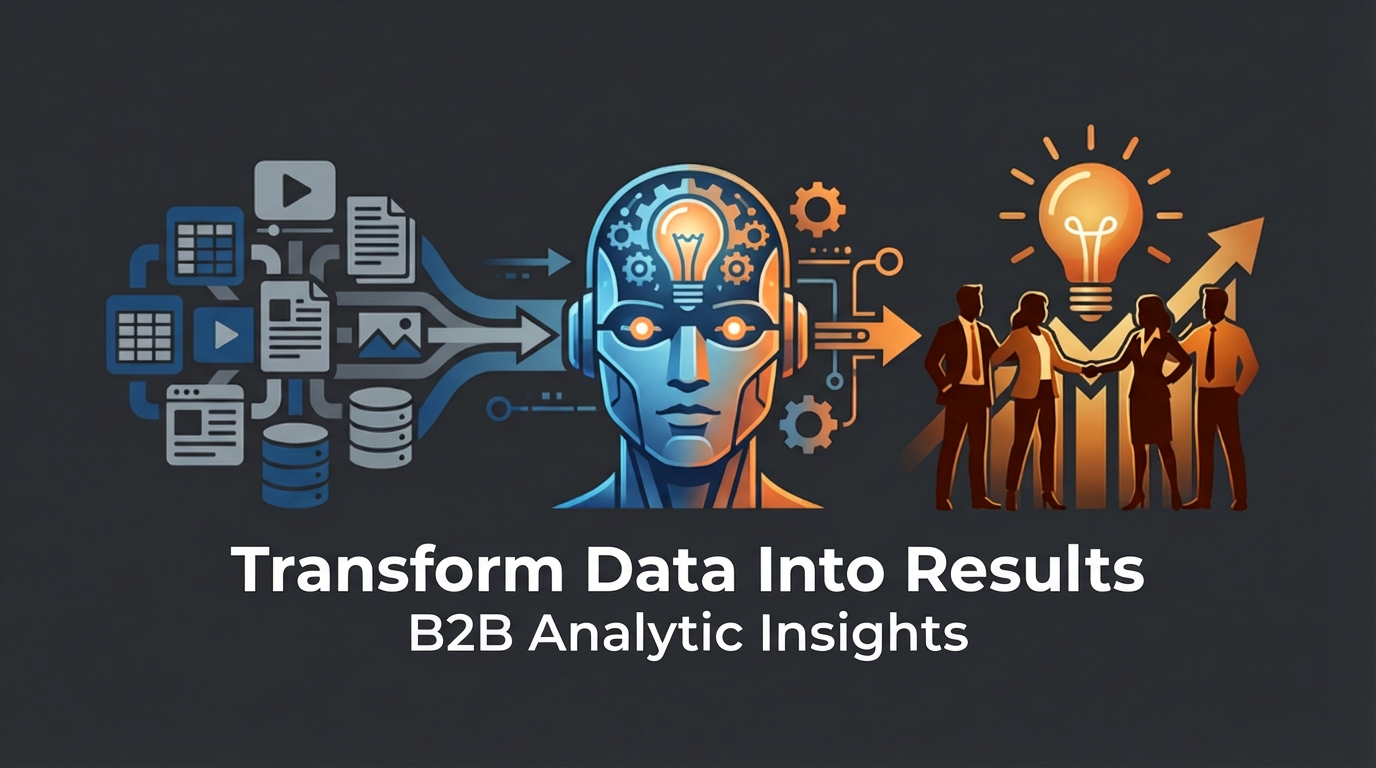
Transforming Data into Actionable Results
Our ultimate job is to transform data into results. This means more than just generating reports. It means making decisions. It means managing risk effectively. It means protecting capital. It means guiding thousands of commercial entities. Through good times and challenging ones. The goal is always to emerge stronger. To avoid crises. To build resilient portfolios. The future of credit demands this integrated approach.