
When the business is the person. This reality shapes commercial credit for small business. A loan to a hardware store often means a loan to its owner. We see this daily. Our work involves understanding that connection. For decades, we have refined our approach. We serve thousands of commercial entities. This experience grounds our perspective.
The Blurring Line: Person and P&L
Small businesses defy easy categorization. Their financial health directly links to the owner’s. Personal assets frequently back business liabilities. This convergence matters for credit decisions. It demands a holistic view.
Owner Financial Health Drives Business Stability
Owners fund operations. They guarantee debt. Their personal credit impacts business access to capital. We see this in every application. A strong personal history provides reassurance. A weak one raises red flags. The connection is direct.
Sole Proprietors: A Clear Example
The CFPB recognizes this in its framework. Sole proprietors, even without formal entities, qualify as small businesses. This highlights the personal-business merge. Their individual financial journey is the business’s financial journey. Our analysis mirrors this understanding.
Credit Risk in a Personalized Economy
Assessing credit risk here is nuanced. Traditional corporate models don’t always apply. We need tools that bridge this gap. Our focus remains on robust risk assessment. This ensures sound lending practices.
Beyond Traditional Financial Statements
Small businesses often lack extensive financials. They might not have long audit trails. We adapt our methods. Cash flow analysis becomes paramount. Bank statements tell a critical story. We look for consistency. We look for resilience.
The Impact of Economic Headwinds
Lending standards tightened recently. Small firms faced tougher conditions than larger ones. This isn’t surprising. Their smaller buffers make them more vulnerable. Our models account for this increased sensitivity. They highlight potential vulnerabilities early. We saw this trend emerge.
Supply Chain Intelligence: Beyond the Balance Sheet
A small business doesn’t operate in a vacuum. Its ecosystem profoundly impacts its stability. Understanding these connections is crucial. Supply chain intelligence provides this critical context. It’s a key dimension of our appraisal.
Vendor and Customer Dependency
Small businesses often rely on a few key customers. Or a few key suppliers. Disruption in these relationships can be existential. We analyze these dependencies. We quantify their potential impact. This forms part of our diagnostic analytics. We identify single points of failure.
Geo-Political and Local Market Forces
External shocks propagate quickly. Geopolitical events ripple through supply chains. Local market changes alter demand. Our intelligence systems monitor these factors. They provide early warnings. This helps us anticipate shifts, not just react to them.
Decision Intelligence: Turning Data into Action
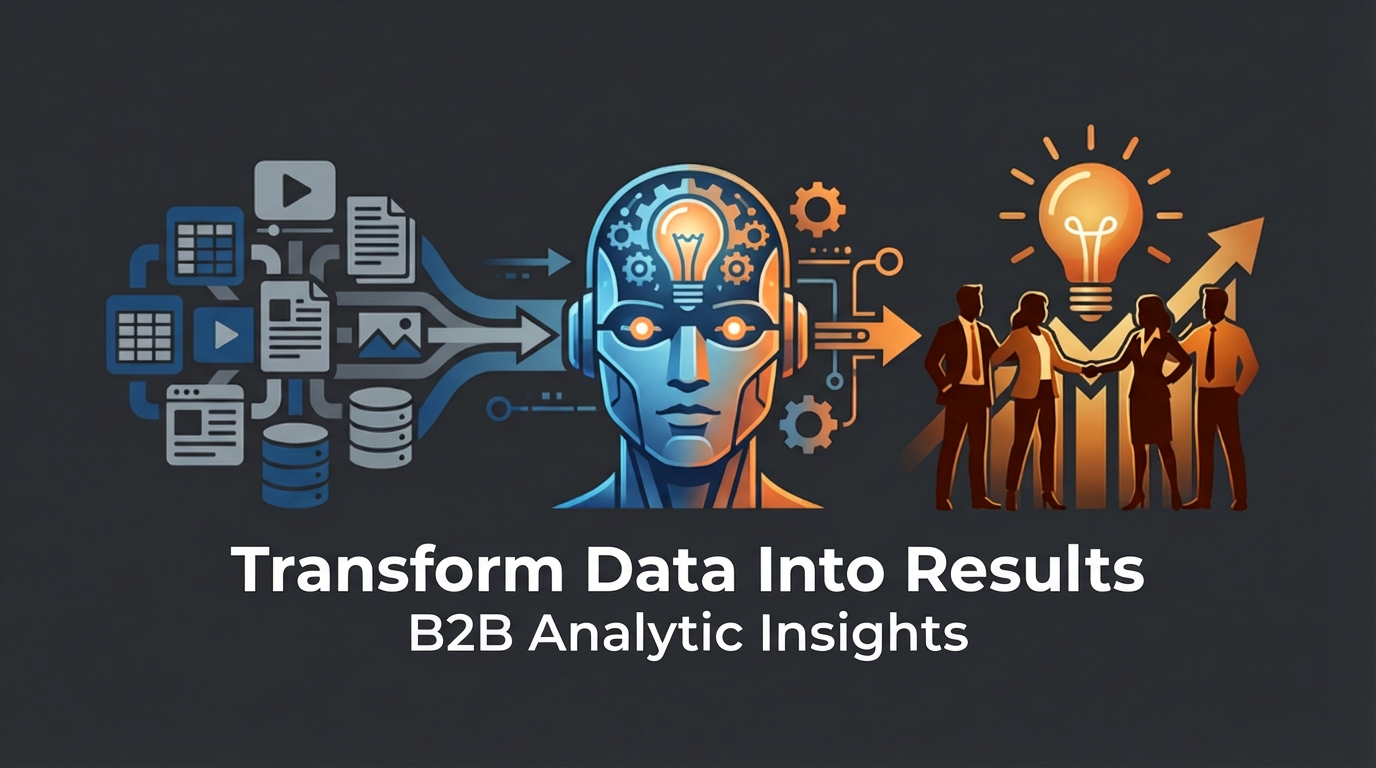
Data means little without context. It means less without application. We transform data into actionable insights. This guides our decisions. It drives sound credit outcomes.
Descriptive Analytics: What Happened?
We start with the facts. Payment histories. Revenue trends. These provide the baseline. They tell us the story so far. What were the past payment behaviors? How has revenue trended? This forms our foundation.
Diagnostic Analytics: Why Did It Happen?
Understanding root causes is vital. A late payment isn’t just a late payment. Was it a seasonal dip? A customer issue? We dig deeper. We identify the factors behind the numbers. This informs our forward view.
Predictive Analytics: What Will Happen?
Forecasting is core to credit. We project future performance. This uses historical data and current trends. Our models anticipate likely outcomes. They flag potential stress points. This allows for proactive engagement.
Prescriptive Analytics: What Should We Do?
This is where the rubber meets the road. Based on all insights, what is the best path? Should we adjust terms? Offer a different product? Decline the application? Our systems recommend optimal actions. They guide our human expertise.
AI-Driven Analytics: Augmenting Human Expertise
AI is not a replacement. It is a powerful assistant. It processes vast amounts of information. It identifies patterns humans might miss. This enhances our decision making. It makes us more efficient and accurate.
Holistic Risk Scoring with New Tools
New tools emerge to address core problems. Equifax’s OneScore for Commercial is one example. It provides a more holistic view of business risk. This helps more small businesses access credit. We integrate these advancements. They inform our internal models.
Beyond Traditional Credit Bureaus
Commercial credit bureau data is essential. We use it. But we don’t stop there. Public-record cross-checks add another layer. These reveal hidden risks or strengths. Our AI sifts through these diverse data points. It connects disparate information. This creates a richer risk profile.
The Data Deficit: A Lingering Challenge
The CFPB’s rule changes acknowledge a reality. Data availability for small business lending is limited. The narrowed scope reflects this. Fewer lenders, fewer data points, higher revenue threshold. This means we must innovate. We cannot rely solely on mandated disclosures. We must build our own robust data sets. This takes proactive engagement.
The Evolving Landscape of Small Business Credit
The environment is in constant flux. Regulations change. Economic conditions shift. We must adapt. Our approach remains dynamic. We stay ahead of these changes.
Regulatory Adjustments and Their Impact
The CFPB’s small-business lending rule offers important clarity. Defining a small business for reporting at $5 million in revenue is clear. Including sole proprietors is key. But the reporting burden reduction is significant. Fewer lenders and data points mean less available public data. This makes proprietary analytics even more important for a competitive edge. It places more onus on our internal data collection.
Late Payments: A Persistent Problem
Late payments cripple small businesses. They starve cash flow. The UK’s efforts on late payment reform highlight this global issue. We consider this factor in our risk assessment for international exposure. Persistent late payments are a strong indicator of stress. They tell us both descriptive and diagnostic stories.
Building Stronger Business Credit Profiles
Many small businesses face denial due to weak credit profiles. Low business credit scores are a top reason. This is an opportunity. We help businesses understand what strengthens their profile. Our insights can guide them. Stronger profiles mean more access to capital. It’s a win-win. We share our expertise.
Conclusion: Partnership in Progress
Our role is to facilitate growth. We do this through informed credit decisions. We lead with insight. We collaborate with prudence. The bond between owner and business is foundational. Our methods honor this reality. We transform data into tangible results. Your success is our mission.