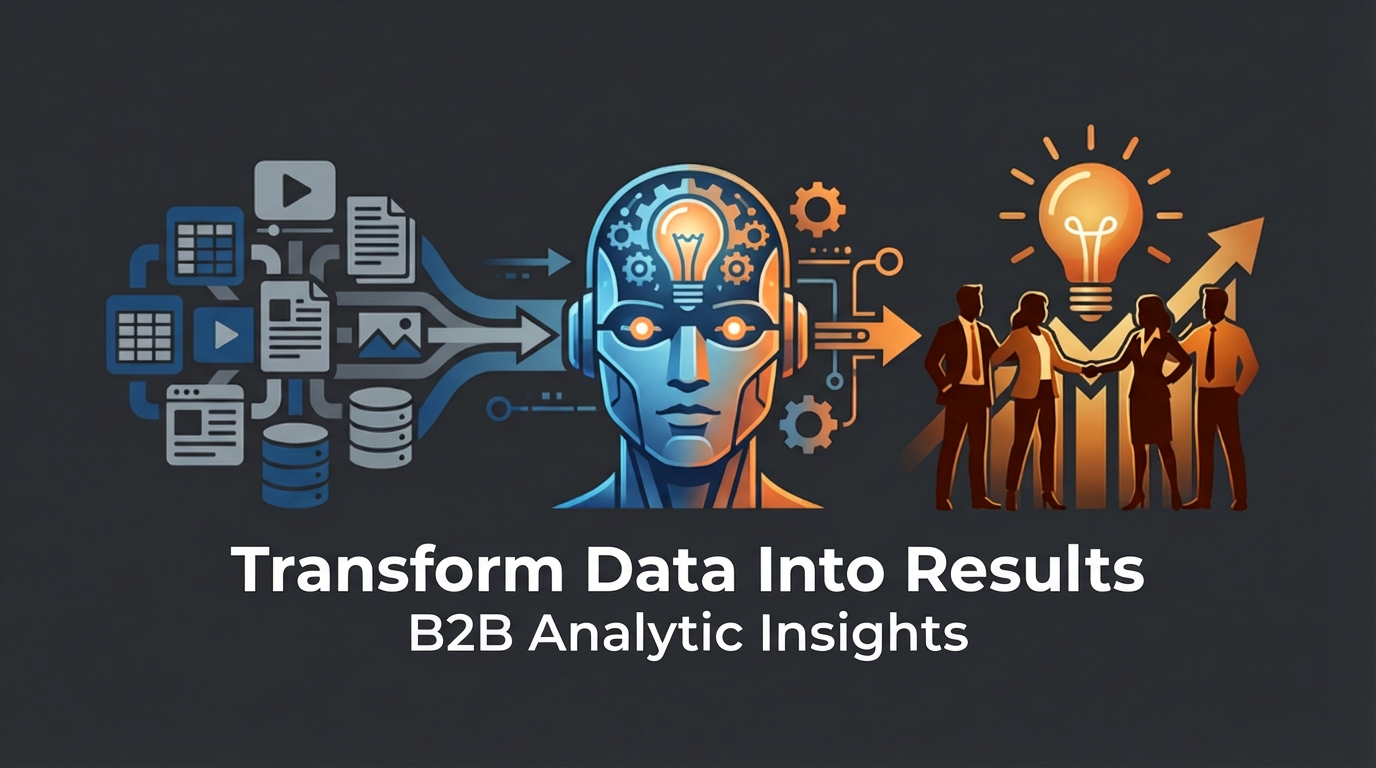
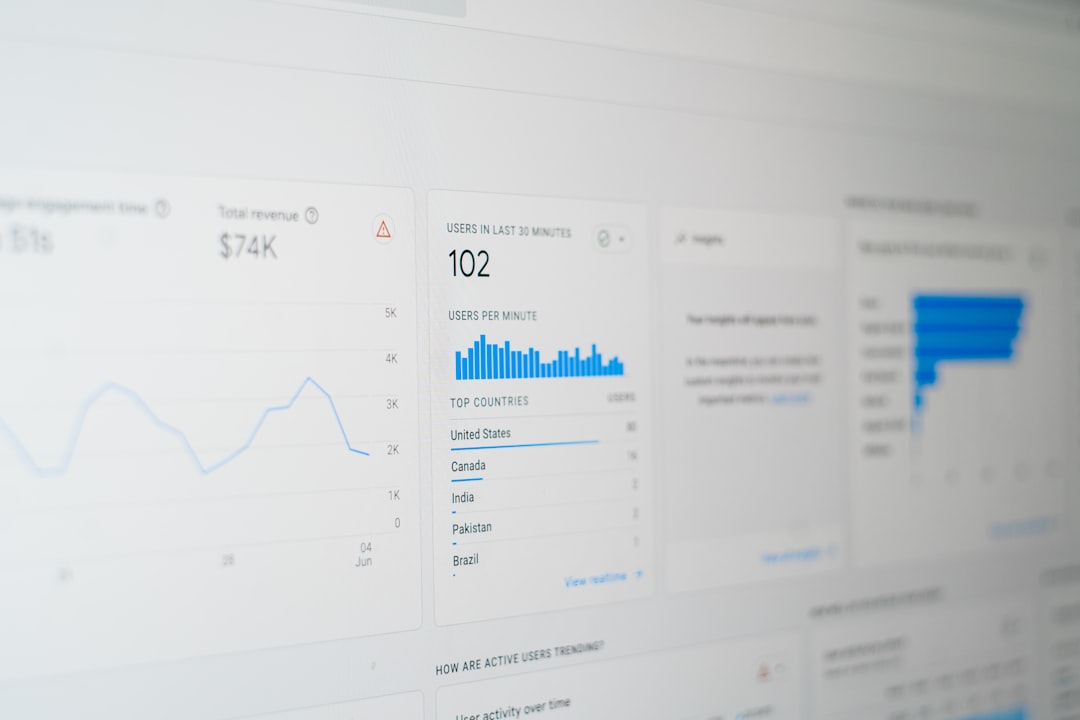
The landscape of enterprise analytics is undergoing a seismic shift. For decades, our focus has been on extracting insights from data; now, with the advent of sophisticated AI, the challenge and opportunity lie in collaborating with intelligent systems to drive unprecedented business value. We’re no longer just building dashboards; we’re architecting intelligence. The question for every C-suite executive, every analytics leader, and every practitioner isn’t if AI will transform analytics, but how we equip our teams to harness its power.
Consider the persistent problems: our credit risk models, despite their sophistication, sometimes miss subtle signals leading to unexpected defaults. Our operational efficiency initiatives, despite robust data pipelines, still struggle with identifying root causes fast enough to prevent costly disruptions. Financial analysis, while rigorous, often falls short in predicting black swan events with sufficient lead time. These aren’t data deficits; they are insight deficits, often stemming from the sheer volume and complexity of interconnected data points. AI promises to bridge these gaps, but only if our analytics professionals evolve their skillsets commensurately. This isn’t about replacing human analysts; it’s about augmenting them, elevating their capabilities from data wranglers to strategic architects of intelligence.
The future of analytics is inherently collaborative. Our teams must move beyond simply querying databases to effectively “converse” with AI models. This requires a fundamental shift in how we approach problem-solving and knowledge extraction.
AI Literacy and Prompt Engineering: Speaking the Language of Intelligence
It’s no longer sufficient for our analysts to be fluent in SQL or Python. They now need to be fluent in the language of AI. This means developing a deep understanding of how AI models work, their capabilities, and, critically, their limitations. The ability to craft precise, effective prompts for large language models (LLMs) and other generative AI tools is becoming as essential as writing efficient SQL queries.
Think about a financial analyst tasked with identifying potential fraud patterns. Instead of manually sifting through thousands of transactions, they can leverage an AI agent. But the quality of the insights generated hinges entirely on the prompt. A vague prompt like “find fraud” will yield limited results. A well-engineered prompt, however, might be: “Analyze transaction data for accounts with unusual spending spikes followed by rapid withdrawals, specifically focusing on deviations from established customer spending profiles over the last 12 months, and identify the top 5 most anomalous clusters, providing a brief textual explanation for each cluster and the key indicators that triggered the anomaly detection.” This level of specificity, understanding the AI’s internal logic, and guiding its focus, dramatically improves time-to-insight and the actionable nature of the output. Our early pilots show that teams with dedicated prompt engineering training can reduce their initial data exploration phase by 30% when tackling new analytical challenges, directly impacting project velocity and ROI.
Validation and Model Oversight: The Human Guardian of AI
The promise of AI is immense, but so too are the risks of uncritical acceptance. AI-generated outputs, while often brilliant, are susceptible to errors, biases, “hallucinations,” and missing crucial business context. Our analytics professionals must become the ultimate arbiters of truth and relevance.
Consider a credit risk model enhanced by AI to identify novel risk factors. While the AI might flag obscure interdependencies, a human analyst with deep domain expertise must validate these findings. Does the AI’s recommendation align with established economic principles? Are there any hidden biases in the training data that might lead to discriminatory lending practices? For example, one of our retail banking clients saw an AI-driven credit scoring model inadvertently penalize applicants from certain postal codes due to historical data biases. A skilled analyst, trained in model oversight, quickly identified this demographic correlation, preventing potential regulatory issues and reputational damage. This oversight function isn’t just about debugging; it’s about ensuring ethical AI deployment and maintaining regulatory compliance, which, in financial services, translates directly to millions in avoided penalties and preserved customer trust. We’ve seen that robust human-in-the-loop validation processes can reduce critical model errors by over 90% in initial deployments.
In the rapidly evolving landscape of data analytics, the article “New Skills for Analytics Professionals in an AI-Driven World” highlights the essential competencies that today’s professionals must develop to thrive. For further insights on this topic, you may find the article “The Future of Data Analytics: Embracing AI and Machine Learning” particularly relevant, as it explores the integration of advanced technologies in analytics practices. You can read it here: The Future of Data Analytics: Embracing AI and Machine Learning.
Bridging Business Acumen and Analytical Rigor
Technical prowess is vital, but without a deep understanding of the business, even the most sophisticated analytics tools are just expensive toys. The new paradigm demands professionals who can seamlessly translate complex business problems into analytical frameworks and vice-versa.
Business Logic and Domain Expertise: The Unsung Heroes of AIOps
AI excels at pattern recognition and data synthesis, but it lacks inherent understanding of organizational nuances, competitive landscapes, or regulatory constraints. This is where business logic and domain expertise become indispensable. Analytics professionals must be able to define trustworthy rules and apply critical organizational context to AI-assisted analysis.
Imagine an enterprise operations team using AI to optimize supply chain logistics. The AI might identify the most mathematically efficient routing, but without an analyst understanding the seasonal demand fluctuations, supplier reliability issues, or specific customer service level agreements (SLAs) for key accounts, the AI’s “optimal” solution could lead to missed deliveries and damaged relationships. A data scientist with deep retail supply chain knowledge can then refine the AI’s constraints, prioritize specific vendor relationships, or account for geopolitical risks that the AI, trained solely on historical transactional data, might overlook. This blend of AI-driven optimization and human-centric contextualization has led to a 15% reduction in logistics costs for one of our manufacturing clients, while simultaneously improving on-time delivery rates by 8%. This isn’t just about tweaking algorithms; it’s about infusing AI with the wisdom of institutional knowledge.
Strategic Thinking and Decision Influence: From Data to Direction
The ultimate goal of analytics is to drive better decisions. In an AI-driven world, this means analysts must elevate their focus from merely presenting data to actively framing problems, asking incisive questions, and directly tying insights to actionable strategies that move the needle on key business objectives.
Consider a B2B SaaS company trying to reduce customer churn. An AI might identify predictive features with high accuracy. The analytics professional’s role then shifts: instead of just reporting the churn probability, they must strategically frame the problem for the executive team. Is the goal to reduce churn across the board, or specifically among high-value accounts? What are the potential interventions, and how can the AI insights inform their prioritization? This involves asking questions like, “Given that customers who don’t utilize Feature X within the first 30 days have a 40% higher churn risk, what specific product adoption campaigns can we launch, and how can we measure their impact?” This proactive, solution-oriented approach transforms analytics from a reporting function into a strategic imperative. Organizations where analytics leaders actively participate in strategic planning sessions, rather than just delivering reports, report a 25% faster decision-making cycle for critical business initiatives.
The Art of Communication in a Data-Rich World
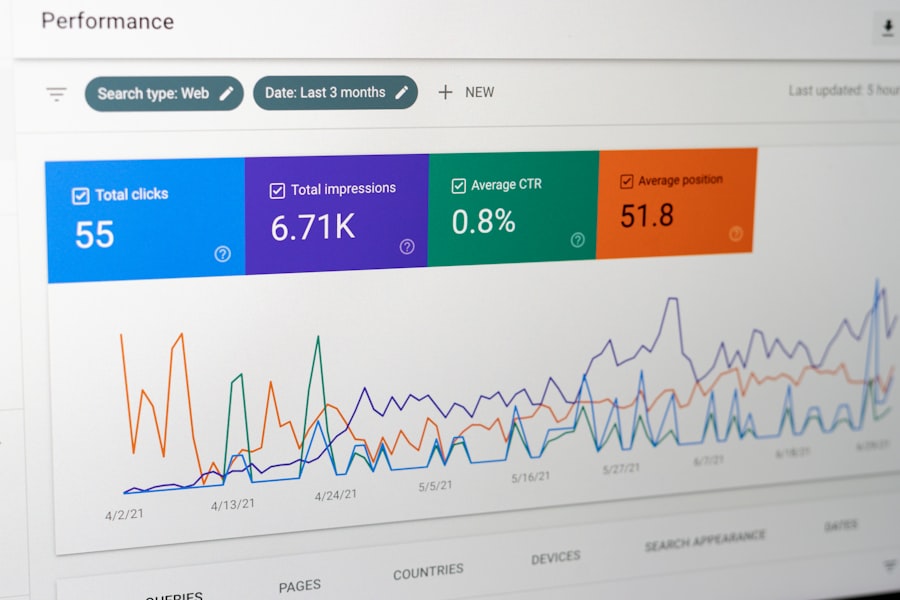
Even the most profound analytical insights are useless if they cannot be effectively communicated and acted upon. In an AI-driven era, the volume of potential insights increases exponentially, making clear, compelling communication even more critical.
Communication and Data Storytelling: Crafting Compelling Narratives
The ability to translate complex analytical findings, especially those derived from opaque AI models, into clear, concise, and persuasive narratives is paramount. Our stakeholders, from the C-suite to operational managers, need to understand not just what the data says, but why it matters and what they should do about it.
Think about presenting the findings of an AI-driven financial anomaly detection system to the CFO. Simply showing a graph of flagged transactions won’t suffice. The analyst needs to construct a compelling story: “Our AI identified a new pattern of micro-transactions linked to account consolidation events, which, when combined with specific geographic indicators, correlates to a 3x higher probability of default within the next 90 days. This pattern accounts for 1.2% of our current portfolio value, representing a potential $50M exposure. Our recommendation is to implement a secondary review workflow for these specific account profiles, which we estimate could mitigate 70% of this risk.” This storytelling approach, grounded in specific metrics and clear recommendations, transforms abstract data into actionable intelligence. Companies that prioritize data storytelling workshops for their analytics teams report a 20% increase in executive-level adoption of analytical recommendations.
The Scientific Rigor Amidst Algorithmic Complexity

As AI tools become more prevalent, the foundational principles of scientific inquiry remain as vital as ever. Understanding causality, interpreting probabilities, and designing experiments are crucial for validating AI’s suggestions and driving true innovation.
Statistical Reasoning and Experimentation: Beyond Correlation
AI is excellent at identifying correlations, but correlation does not equal causation. Analytics professionals must possess strong statistical reasoning to differentiate spurious correlations from genuine causal relationships, especially when AI models identify non-intuitive patterns. The ability to design and interpret A/B tests, conduct causal inference, and understand the nuances of probabilistic results is more critical than ever.
For instance, an AI might suggest that customers who view a particular product video are more likely to convert. A sound experimental design, led by an analyst with strong statistical foundations, can then test this hypothesis rigorously, controlling for confounding variables, and determine if the video causes the conversion or if more engaged customers simply tend to watch videos. Our digital marketing analytics teams, by rigorously applying A/B testing methodologies to AI-generated hypothesis, have consistently demonstrated a 10% uplift in campaign ROI compared to those who rely solely on observational AI insights. This disciplined approach prevents chasing phantom insights and ensures resources are allocated to truly impactful initiatives.
In the rapidly evolving landscape of data analytics, professionals must continuously adapt to new technologies and methodologies. A related article that delves into the essential competencies required for success in this AI-driven environment can be found at B2B Analytic Insights. This resource offers valuable insights into the skills that analytics professionals need to thrive, emphasizing the importance of staying updated with the latest advancements in artificial intelligence and machine learning.
Cultivating the Mindset for the Future
| Skills | Description |
|---|---|
| Machine Learning | Understanding of algorithms and models to make predictions and decisions based on data. |
| Data Visualization | Ability to present data in a visual format to communicate insights effectively. |
| Natural Language Processing | Understanding of how to process and analyze human language data. |
| Ethical AI | Awareness of ethical considerations and potential biases in AI systems. |
| Big Data Technologies | Knowledge of tools and technologies for handling large volumes of data. |
Beyond specific technical or business skills, certain inherent qualities will differentiate successful analytics professionals in the AI era. These are the soft skills that underpin all other competencies.
Curiosity and Business Acumen: The Driving Force
In a world where AI can automate much of the repetitive analytical work, the premium shifts to human qualities like curiosity and deep business acumen. Hiring priorities are evolving; an overreliance on pure technical execution (e.g., SQL proficiency alone) is giving way to a demand for individuals who are inherently curious, ask probing questions, and possess an innate understanding of how businesses operate.
A curious analyst won’t just accept an AI’s output; they’ll question why the AI made that prediction, explore alternative explanations, and dive deeper into edge cases. An analyst with strong business acumen will proactively identify opportunities where AI can solve critical business problems, even before being asked. This proactive, inquisitive mindset is the engine of true analytics transformation. We’ve found that teams led by individuals exhibiting high degrees of curiosity and business acumen consistently outperform peers in identifying novel use cases for AI, leading to a 1.5x faster realization of ROI from new analytics initiatives.
AI Governance and Human-in-the-Loop Workflows: Ensuring Responsible Innovation
As AI integrates deeper into decision-making processes, particularly in sensitive areas like credit underwriting, fraud detection, and regulatory compliance, the need for robust AI governance frameworks and well-defined human-in-the-loop workflows becomes paramount. Analytics professionals will increasingly play a pivotal role in designing, monitoring, and enforcing these frameworks.
This involves understanding ethical AI principles, developing strategies to mitigate bias, ensuring transparency and explainability where required, and establishing clear accountability for AI-driven decisions. For a financial institution, this might mean designing a workflow where an AI flags suspicious transactions, but a human investigator makes the final decision, with the AI’s reasoning clearly documented. The analyst is not just building the model; they are designing the entire decision ecosystem, ensuring that AI is used safely, responsibly, and in alignment with organizational values and legal obligations. Projects that embed dedicated AI governance roles from inception see a 50% faster journey through compliance and legal reviews, accelerating time-to-market for critical AI applications.
Conclusion: Orchestrating the Analytics Transformation
The analytics professional of tomorrow is not a data jockey but an intelligence architect, a strategic partner who orchestrates the interplay between human ingenuity and artificial intelligence. This is not about one-off training modules; it’s about a holistic analytics transformation encompassing technology, process, and, most critically, people.
For the C-suite, the strategic recommendation is clear: invest in upskilling your analytics talent with these new competencies. The ROI is not just about efficiency gains; it’s about enhanced decision quality, reduced risk, and unlocking entirely new avenues for competitive advantage. For analytics leaders, this means redesigning roles, fostering a culture of continuous learning, and integrating these new skills into hiring profiles and career paths. For practitioners, it’s an exciting call to action: embrace these new tools, cultivate these critical skills, and position yourselves at the forefront of this transformative era. The future of data-driven decision-making, powered by AI, is not just about faster insights; it’s about smarter, more strategic, and ultimately, more human-centric outcomes. The challenge is significant, but the opportunity to redefine enterprise value through intelligent analytics is unprecedented.