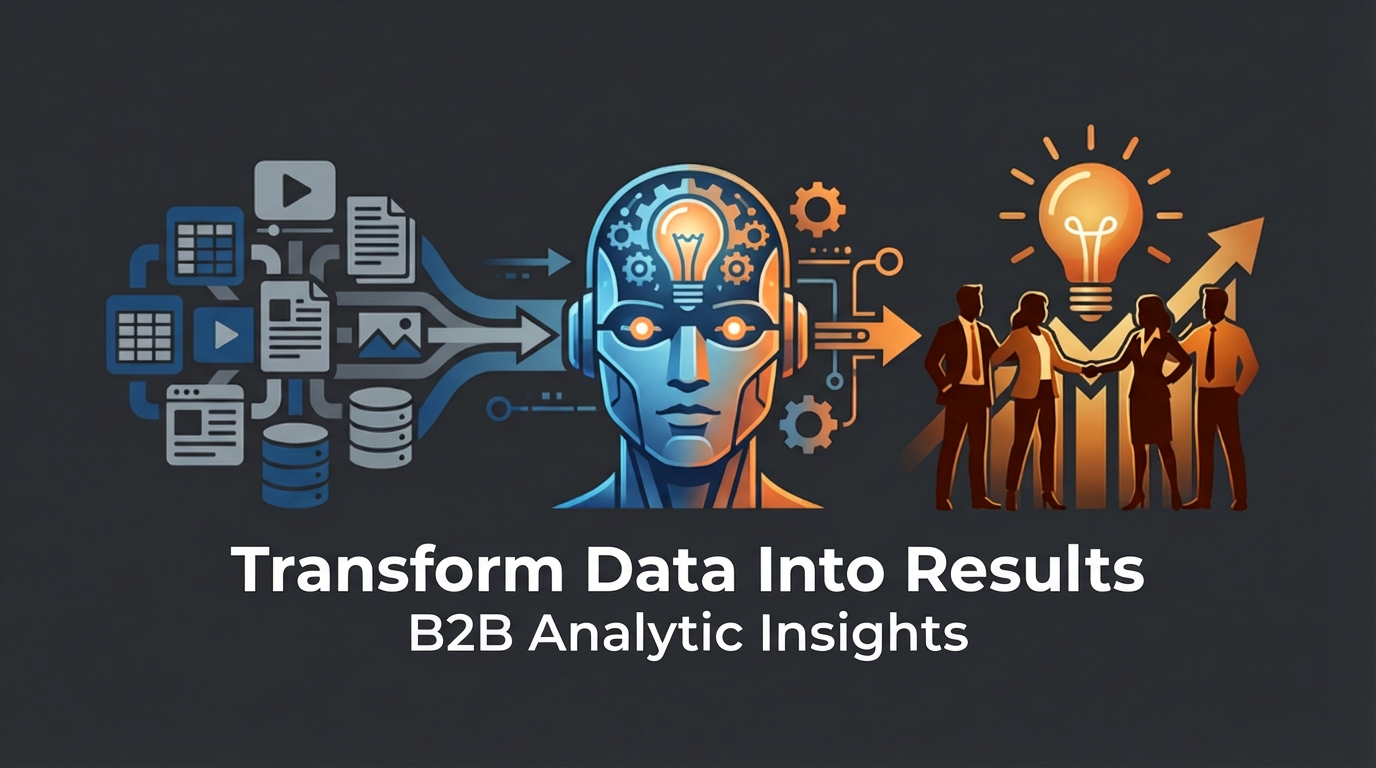

The landscape of business intelligence and data utilization is undergoing a seismic shift. For over two decades, my career has been steeped in transforming raw data into actionable intelligence, a journey that’s taken us from rudimentary reporting to sophisticated predictive modeling. Now, as Artificial Intelligence rapidly integrates into our workflows, a new protagonist is emerging: the Analytics Engineer. This isn’t just another job title; it represents a fundamental evolution in how organizations leverage their data for strategic advantage, especially within the B2B realm of credit risk, financial analysis, and enterprise operations.
The initial promise of Big Data was immense, and the subsequent rise of Business Intelligence platforms and data warehousing brought us closer to realizing it. We’ve championed data-driven decision making, a mantra that has undeniably improved operational efficiency and revenue forecasting. Think of a retail giant using sales data to optimize inventory, reducing waste by 15% and boosting on-shelf availability by 8%. Or a B2B lending institution employing historical transaction data to refine credit scoring models, leading to a 5% reduction in default rates on new loans. These were triumphs built on robust data infrastructure and the diligent work of data analysts and engineers. However, the advent of generative AI is exposing the limitations of these earlier architectures and, critically, the gap in how we prepare data for these powerful new tools.
The Evolving Data Ecosystem and the Need for a New Role
The rapid proliferation of AI tools, from large language models for natural language querying to sophisticated AI-driven analytics platforms, presents both unprecedented opportunities and significant challenges. As an analytics executive with extensive experience, I’ve seen firsthand how organizations grapple with integrating new technologies. The current data environment, often characterized by siloed datasets, inconsistent definitions, and a lack of clear lineage, is simply not robust enough to reliably power AI. This is where the analytics engineer steps in, bridging the chasm between raw data and the intelligent applications that drive business value.
From Data Wrangling to Semantic Foundation
Historically, the focus in data teams was on extracting, transforming, and loading data (ETL) – often a painstaking process of manual coding and repetitive tasks. Data engineers built the pipelines, and data analysts focused on extracting insights from the output, typically in the form of dashboards or reports. While effective for many years, this model struggles to keep pace with the speed and complexity of AI. The reliance on individual model-by-model implementations, as observed by dbt Labs, is becoming inefficient. As we look towards 2026, the analytics engineer’s responsibilities are broadening. They are shifting from simply building individual data models to architecting comprehensive data systems, taking ownership of governance frameworks, and critically, acting as the essential AI context provider.
Consider a scenario in financial services. A credit risk team wants to use AI to predict loan defaults. If the underlying data, such as customer transaction history, payment terms, and macroeconomic indicators, is inconsistent in its definitions, lacks proper lineage, or is riddled with quality issues, the AI model will learn these flaws. This can lead to inaccurate predictions, potentially causing the institution to either deny credit to viable customers or approve loans to high-risk individuals, leading to significant financial losses. The traditional analyst might flag these discrepancies, but the analytics engineer is the one who systematically cleans, standardizes, and structures this data, ensuring it’s not just usable, but trustworthy for AI. This is not merely about “cleaning data”; it’s about establishing a semantic foundation that AI can reliably build upon.
The Intersection of Disciplines
The role of the analytics engineer sits at a crucial intersection, as reported by CIO. They are not just data engineers, nor are they solely data scientists or BI specialists. They are the connective tissue that integrates these disciplines. They possess the technical acumen to understand data infrastructure and transformation logic (often deep SQL expertise), the analytical mindset to interpret business requirements and translate them into data models, and the strategic foresight to understand how this structured data will be consumed by both human users and AI systems. This tripartite capability is what allows them to build the trusted, governed, reusable semantic layer that forms the bedrock of modern data intelligence. This layer ensures consistency in how business concepts are defined and measured across the organization, a critical factor for both human understanding and AI interpretation.
For instance, in enterprise operations, a manufacturing company might struggle with inconsistent definitions of “production efficiency” across different plants. Some plants might measure it based on machine uptime, others on output per shift, and yet others on raw material utilization. An analytics engineer would work with operations leaders to define a unified, business-relevant metric, build the data pipelines to calculate it consistently across all facilities, and document its provenance. This single source of truth then allows for accurate comparisons, performance benchmarking, and informed strategic decisions about resource allocation and process improvements. Without this, any AI analysis on production efficiency would be inherently flawed, leading to misdirected efforts and wasted investment.
In exploring the evolving landscape of data roles, the article “The Rise of the Analytics Engineer: A New Role for the AI Era” highlights the increasing importance of analytics engineers in bridging the gap between data science and business intelligence. For further insights into the broader implications of data analytics in the business world, you may find the article on the significance of data-driven decision-making in modern enterprises particularly enlightening. You can read more about it here: Data-Driven Decision Making in Modern Enterprises.
The Imperative for Governance and Trust in the AI Era
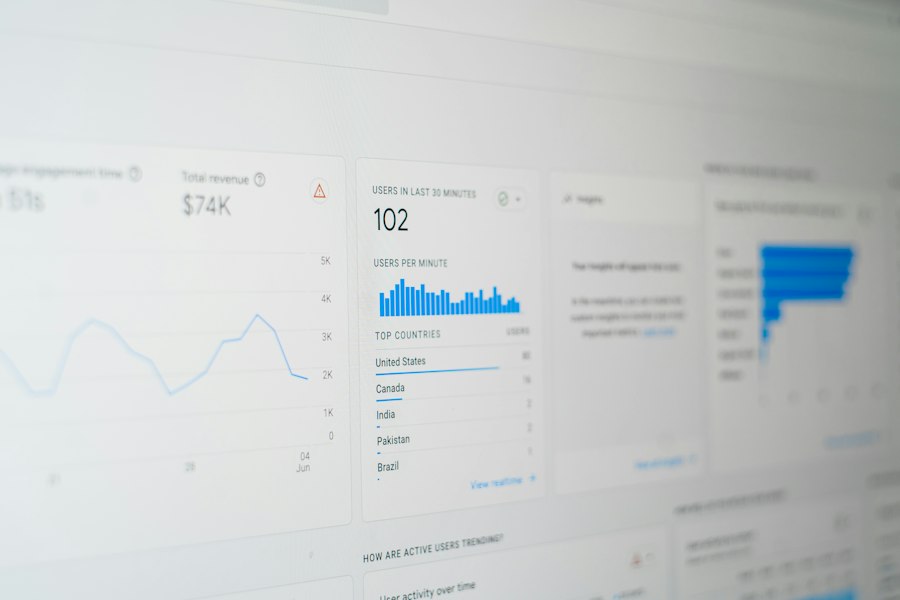
The proliferation of AI is magnifying existing challenges around data trust. As dbt’s 2026 State of Analytics Engineering Report highlights, AI is increasingly embedded in data-team workflows, reshaping how code is written and insights are generated. While this integration promises efficiency gains, it also intensifies the pressure on data quality and governance. The core concern isn’t just that AI might generate incorrect insights; it’s that it could amplify existing trust gaps if not grounded in a foundation of reliable, well-governed data.
Analytics Engineering as a Control Layer
This is a critical point: analytics engineering is evolving from being purely an enablement layer to becoming a control layer. Traditionally, data teams enabled business users with data. Now, with AI capable of generating insights autonomously, the analytics engineer must actively control the flow and interpretation of that data to prevent the amplification of errors or biases. This means implementing robust data quality checks, rigorous lineage tracking, and comprehensive access controls. They are the gatekeepers, ensuring that the data feeding AI models, and the insights derived from them, are accurate, consistent, and aligned with business objectives.
Consider the B2B credit risk domain again. An AI model might identify a new risk factor previously overlooked. However, if the underlying data used to train this model is incomplete or flawed due to poor governance, the AI’s newfound insight might be a false positive, leading to an unnecessary tightening of lending policies. The analytics engineer’s role here is to ensure the data feeding the AI is demonstrably accurate and complete, thereby validating the AI’s output. They are establishing the rules of engagement for AI, ensuring it operates within a defined framework of truth. This is particularly vital for organizations where regulatory compliance is paramount, as flawed AI-driven decisions can lead to severe penalties.
Building Context and Structure for AI Consumption
Recent commentary from industry sources underscores this evolving function: the analytics engineer’s role is expanding beyond SQL and dashboards to building context, structure, and trust for AI systems. This involves more than just preparing tabular data. It means transforming organizational knowledge, business logic, and domain expertise into a structured, governed context layer that AI can effectively understand and utilize. This is the process of moving tacit knowledge into explicit, machine-readable formats.
Imagine an enterprise operations team trying to optimize its supply chain using AI. The AI needs to understand not just raw shipment data, but also business rules about preferred suppliers, contractual obligations, lead times for different regions, and potential geopolitical risks. An analytics engineer would work with supply chain managers to codify these rules, link them to the relevant data points, and create a knowledge graph or semantic model. This structured context allows the AI to go beyond simple correlation and engage in more nuanced, strategic reasoning about supply chain optimization. Without this contextual layer, an AI might suggest sourcing from a cheaper supplier, overlooking a critical contractual clause or a long-standing supplier relationship, leading to business disruption. The time-to-insight is significantly reduced not just by faster processing, but by providing AI with the right context to generate meaningful, actionable intelligence.
The Practical Implementation of Analytics Engineering at Scale

The theoretical understanding of the analytics engineer’s role is one thing; its practical implementation across a large enterprise is another. This involves not only technological choices but also significant organizational change, talent development, and strategic alignment. It requires moving beyond ad-hoc projects to building a sustainable, scalable analytics practice.
Technological Foundations: Beyond the Data Lake
While data lakes and warehouses remain foundational, the rise of analytics engineering necessitates a more sophisticated technological stack. Tools that facilitate modularity, reusability, and automated testing are crucial. Platforms like dbt (data build tool) have become instrumental, enabling analytics engineers to define data models in SQL, manage dependencies, automate transformations, and enforce data quality checks. This not only speeds up development but also creates a version-controlled, auditable pipeline.
The focus shifts from just storing data to actively shaping it. For credit risk assessment, this might involve building complex transformation pipelines that ingest data from loan applications, credit bureaus, customer transaction logs, and external economic indicators. The analytics engineer would ensure that these transformations are idempotent, meaning they can be run multiple times without altering the outcome, and that they adhere to strict schema definitions. The output is not just a table of data, but a meticulously crafted analytical dataset, ready for immediate consumption by a credit scoring AI model or a financial analyst’s BI tool. The time-to-insight on new risk factors can be dramatically reduced from weeks to days, or even hours, through this structured approach.
Organizational Change and Talent Development
Implementing analytics engineering effectively requires a cultural shift and deliberate talent development. It means fostering collaboration between business stakeholders, data engineers, data scientists, and analysts. The analytics engineer acts as a translator, ensuring that technical solutions align with business needs and that business users understand the capabilities and limitations of the data. This requires training programs that focus on SQL, data modeling, data governance principles, and increasingly, an understanding of how AI models consume data.
For example, an enterprise operations team might be struggling with manual reconciliation of financial reports. An analytics engineer can design and implement an automated reconciliation process. This involves understanding the disparate source systems, defining the reconciliation logic, building the transformation pipelines, and establishing monitoring for exceptions. Crucially, they also need to work with the finance team to train them on how to interpret the automated reports and troubleshoot any discrepancies flagged by the system. This collaborative approach ensures the solution is adopted and sustained, driving data-driven decision making beyond just the IT department. The ROI is clear: reduced manual effort, fewer errors, and faster closing cycles, often by 10-20%.
Bridging Technical Depth and Business Strategy
A key attribute of a successful analytics engineer is their ability to bridge technical depth with business strategy. They understand the nuances of database performance, query optimization, and data modeling techniques, but they also understand the business objectives driving these efforts. This is particularly relevant in B2B contexts where the stakes are high.
In financial analysis, for instance, an analytics engineer might be tasked with building a unified customer profitability model. This requires understanding not just customer transaction data, but also the cost of service, customer acquisition costs, and lifetime value projections. They would design a data model that integrates these disparate data sources, ensuring consistent definitions of “customer” and “profitability” across the organization. This unified model then enables strategic decisions on customer segmentation, targeted marketing campaigns, and resource allocation, directly impacting the bottom line. The ability to clearly articulate the business value of these technical efforts is paramount, ensuring executive buy-in and continued investment in analytics transformation.
The Expanding Horizon: AI Integration and Future Roles
The integration of AI into data workflows is not a trend; it’s a fundamental reshaping of the data landscape. The role of the analytics engineer is not just adapting to this change; it is becoming indispensable to navigating it successfully. As AI capabilities advance, so too will the responsibilities and strategic importance of the analytics engineer.
The Analytics Engineer as an AI Context Provider
As predicted by dbt Labs for 2026, a significant expansion of the analytics engineer’s role will be as an AI context provider. This means they will be responsible for curating, structuring, and governing the data and knowledge that AI systems use to generate insights and make decisions. This goes beyond simply providing clean data; it involves creating a rich, contextualized environment where AI can operate with maximum effectiveness and minimum risk of hallucination or bias.
Consider a scenario in supply chain optimization. An AI might be tasked with identifying the most resilient sourcing strategies. The analytics engineer’s role would be to provide the AI with not just shipment data, but also information on supplier financial stability, geopolitical risk assessments of sourcing regions, historical disruption patterns, and even contractual terms. This curated context allows the AI to move beyond simplistic cost-optimization to a more holistic risk-management approach, potentially saving the company millions by avoiding supply chain disruptions. This proactive approach is the essence of data-driven decision making at a strategic level.
Demand and Evolution in the Labor Market
The demand for data and AI-related roles remains exceptionally strong, with job postings for AI and data specialists seeing sharp increases. Simultaneously, data teams are increasingly hiring for AI-adjacent capabilities alongside analytics engineering. This indicates a clear market recognition of the critical need for professionals who can bridge the gap between raw data and intelligent AI applications. This isn’t a niche skillset; it’s becoming a core competency for any data-forward organization. The analytics transformation is not just a technological upgrade; it’s a human capital evolution.
The growth in demand for analytics engineers is a testament to their multifaceted value. They are the architects of the data universe that AI inhabits. As AI becomes more powerful and pervasive, the need for individuals who can ensure its accuracy, reliability, and ethical application will only grow. The ability to translate complex business problems into data requirements, build robust and governed data pipelines, and provide the necessary context for AI, positions the analytics engineer at the forefront of this data revolution.
Embracing the Future: Continuous Learning and Strategic Partnerships
The rise of the analytics engineer is a natural evolution, driven by the accelerating pace of technological change and the increasing strategic value of data. To fully capitalize on this, organizations must embrace a mindset of continuous learning and foster strategic partnerships. This means investing in talent development, adopting agile methodologies, and recognizing that successful analytics transformation is a collaborative effort involving both technology and human expertise.
The future of data is inextricably linked to AI, and the analytics engineer is the critical facilitator of this integration. By building robust, governed, and context-rich data foundations, they empower AI to deliver unprecedented insights and drive superior business outcomes. The practical impact on B2B operations, from mitigating credit risk to optimizing enterprise efficiency, is substantial and measurable. This role is not just about technical skill; it’s about strategic foresight and the ability to translate complex data into tangible business value. The time-to-insight will continue to shrink, but the value of that insight will be amplified by the rigor and intelligence brought forth by the analytics engineer.
The emergence of the analytics engineer as a pivotal role in the AI era is reshaping how organizations leverage data for decision-making. This transformation is not only about technical skills but also about bridging the gap between data science and business needs. For a deeper understanding of this trend, you can explore a related article that discusses the evolving landscape of data roles and their impact on business strategies. Check it out here to gain more insights into how analytics engineers are becoming essential in driving data-driven initiatives.
Strategic Recommendations for C-Suite and Analytics Leaders
| Metric | Description | Value / Trend | Impact on Analytics Engineering |
|---|---|---|---|
| Growth in AI Adoption | Percentage increase in companies adopting AI technologies | 45% increase (2020-2023) | Increased demand for analytics engineers to bridge data and AI models |
| Analytics Engineer Job Postings | Number of job listings for analytics engineers on major platforms | 300% growth (2019-2023) | Reflects rising recognition of the role in data teams |
| Average Salary | Median annual salary for analytics engineers in the US | 95,000 – 130,000 USD | Competitive compensation attracts skilled professionals |
| Key Skills Required | Top technical skills demanded for analytics engineers | SQL, Python, Data Modeling, BI Tools, Machine Learning Basics | Highlights the hybrid nature of the role combining engineering and analytics |
| Impact on Business Decisions | Percentage of companies reporting improved decision-making due to analytics engineering | 68% | Demonstrates the strategic value of analytics engineers in organizations |
| Time Saved in Data Preparation | Reduction in time spent on data cleaning and preparation | Up to 40% | Analytics engineers streamline data workflows, enabling faster insights |
The emergence of the analytics engineer represents a pivotal moment in an organization’s data journey. To harness its full potential, a strategic and deliberate approach is essential. This isn’t about adopting a new tool; it’s about fundamentally evolving how data is managed, leveraged, and trusted.
Empowering the Analytics Engineer Role
C-suite executives must recognize the strategic importance of the analytics engineer. This role requires investment in specialized training, access to appropriate technologies, and clear lines of reporting and responsibility. By empowering these professionals, organizations can unlock significant ROI. For example, a bank that invests in its analytics engineering team to build a robust credit risk data fabric can see a measurable reduction in loan defaults, potentially saving millions annually. This is not an expense; it’s a revenue protection and growth enabler. Analytics leaders must champion this role, ensuring it is integrated into strategic planning and resourced adequately to drive analytics transformation.
Fostering Data Governance as a Competitive Advantage
In the AI era, data governance is no longer a compliance checkbox; it is a strategic imperative and a source of competitive advantage. Analytics engineers are instrumental in building and enforcing these governance frameworks. Organizations that prioritize robust data governance, with analytics engineers at the helm, will be able to deploy AI solutions more rapidly, with greater confidence, and with reduced risk of ethical or operational missteps. A B2B manufacturing firm that establishes clear data lineage and quality standards through its analytics engineering practice can trust AI-driven demand forecasts, leading to a 10-15% improvement in inventory management and reduced stockouts. This demonstrates how strong governance translates directly to operational efficiency and financial gains.
Cultivating a Data-Driven Culture Supported by Expertise
Ultimately, the success of analytics engineering hinges on fostering a data-driven culture that values expertise. This means encouraging collaboration between business units and data teams, promoting continuous learning, and clearly articulating the value of data-driven decision making. Analytics leaders should focus on building cross-functional teams where analytics engineers can work closely with business stakeholders to translate complex needs into actionable data solutions. The recognition that analytics requires both sophisticated technology and deep human expertise is fundamental. By investing in the analytics engineer, organizations are not just investing in technology; they are investing in the intelligence and strategic agility needed to thrive in the AI-powered future. The time-to-insight is only one part of the equation; the accuracy, trustworthiness, and strategic applicability of that insight are what truly drive business value.