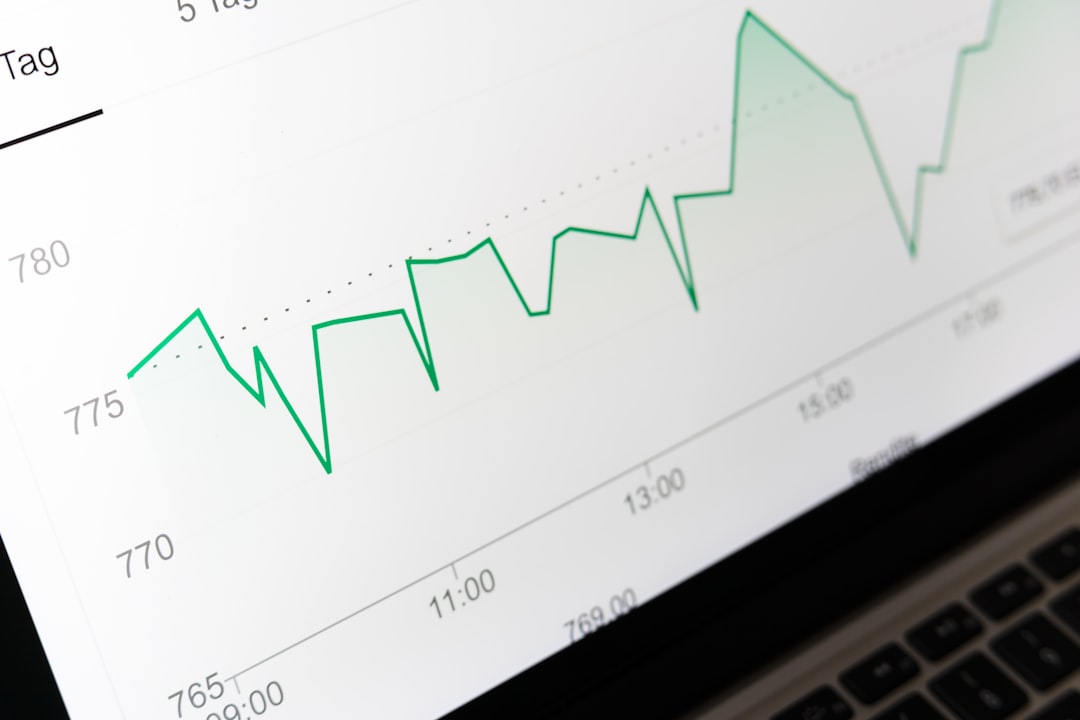
Algorithmic trading, also known as algo trading or automated trading, is the use of computer algorithms to execute trades in financial markets. These algorithms are programmed to follow a set of predefined rules and instructions, allowing for fast and efficient trading without the need for human intervention. Algorithmic trading has become increasingly popular in recent years, revolutionizing the way financial markets operate.
The history of algorithmic trading can be traced back to the 1970s when electronic exchanges started to emerge. However, it wasn’t until the 1990s that algorithmic trading gained significant traction with the advent of high-speed internet and advancements in computing power. Today, algorithmic trading is a dominant force in financial markets, accounting for a large portion of trading volume across various asset classes.
Benefits of Algorithmic Trading
There are several key benefits to algorithmic trading that have contributed to its widespread adoption in the financial industry.
Increased speed and efficiency: One of the main advantages of algorithmic trading is its ability to execute trades at lightning-fast speeds. Algorithms can analyze market conditions and execute trades within milliseconds, far faster than any human trader could ever hope to achieve. This speed allows for better price discovery and reduces the risk of slippage, where trades are executed at less favorable prices.
Reduced human error: Human traders are prone to making mistakes due to emotions, fatigue, or simple oversight. Algorithmic trading eliminates these errors by automating the entire process. Trades are executed based on predefined rules and parameters, leaving no room for human error.
Ability to analyze large amounts of data: Financial markets generate vast amounts of data every second. Algorithmic trading systems can process and analyze this data in real-time, identifying patterns and trends that may not be apparent to human traders. This ability to analyze large amounts of data gives algorithmic traders a significant edge in making informed decisions.
Improved risk management: Algorithmic trading systems can incorporate risk management techniques to minimize losses and protect capital. Stop-loss orders, for example, can be automatically triggered to limit potential losses. Additionally, algorithms can monitor multiple positions and adjust risk exposure accordingly, ensuring that the overall portfolio remains within predefined risk limits.
Increased profitability: Algorithmic trading has the potential to generate higher profits compared to traditional manual trading. By executing trades at optimal prices and taking advantage of market inefficiencies, algorithms can capture small price discrepancies that may not be visible to human traders. Over time, these small gains can add up to significant profits.
How Algorithmic Trading Works
Algorithmic trading involves a series of steps that allow for the seamless execution of trades.
Overview of the process: The process begins with the development of a trading strategy or set of rules that the algorithm will follow. This strategy can be based on technical analysis, fundamental analysis, or quantitative analysis. Once the strategy is defined, it is coded into an algorithmic trading system.
Types of algorithms used: There are various types of algorithms used in algorithmic trading, each with its own characteristics and objectives. Market-making algorithms, for example, provide liquidity by continuously quoting bid and ask prices. Trend-following algorithms aim to identify and capitalize on market trends. Mean-reversion algorithms look for price discrepancies and aim to profit from their eventual correction.
Data sources and analysis: Algorithmic trading systems rely on real-time market data to make informed trading decisions. This data can include price quotes, order book data, news feeds, and economic indicators. Algorithms analyze this data using various mathematical models and statistical techniques to identify patterns and trends.
Execution of trades: Once a trading opportunity is identified, the algorithm sends an order to the exchange or broker for execution. This can be done using direct market access (DMA), where the algorithm connects directly to the exchange’s trading system, or through a broker’s execution services. The algorithm can also include parameters for trade execution, such as order size, price limits, and timing.
The Role of Machine Learning in Algorithmic Trading
| Metrics | Description |
|---|---|
| Accuracy | The percentage of correct predictions made by the machine learning model. |
| Sharpe Ratio | A measure of risk-adjusted return that takes into account the volatility of the investment. |
| Alpha | A measure of the excess return of an investment compared to its benchmark. |
| Backtesting | The process of testing a machine learning model on historical data to evaluate its performance. |
| Portfolio Optimization | The process of selecting the optimal combination of assets to maximize returns and minimize risk. |
| Market Sentiment Analysis | The process of using machine learning to analyze news articles, social media, and other sources to determine the overall sentiment of the market. |
Machine learning, a subset of artificial intelligence, plays a crucial role in algorithmic trading. It involves the use of algorithms that can learn from and make predictions or decisions based on data without being explicitly programmed.
In algorithmic trading, machine learning is used to analyze vast amounts of historical and real-time market data to identify patterns and trends that can be used to make trading decisions. Machine learning algorithms can adapt and improve over time as they are exposed to more data, allowing for more accurate predictions and better trading performance.
The advantages of using machine learning in algorithmic trading are numerous. Firstly, machine learning algorithms can process and analyze large amounts of data much faster than humans, allowing for quicker decision-making. Secondly, machine learning algorithms can identify complex patterns and relationships in the data that may not be apparent to human traders. This can lead to more accurate predictions and better trading strategies. Finally, machine learning algorithms can adapt and improve over time, continuously learning from new data and adjusting their models accordingly.
The Future of Algorithmic Trading
The future of algorithmic trading looks promising, with several trends and advancements expected to shape the industry.
Technology advancements: As technology continues to advance, algorithmic trading systems will become even faster and more efficient. High-speed internet connections, low-latency trading infrastructure, and powerful computing hardware will enable traders to execute trades at even faster speeds, further reducing the risk of slippage.
Artificial intelligence: The integration of artificial intelligence into algorithmic trading systems holds great potential. AI algorithms can analyze vast amounts of data from various sources, including news articles, social media feeds, and economic indicators, to make more informed trading decisions. AI-powered algorithms can also adapt and learn from changing market conditions, improving their performance over time.
Alternative data sources: Algorithmic traders are increasingly turning to alternative data sources to gain an edge in the market. This can include satellite imagery, social media sentiment analysis, credit card transaction data, and more. By incorporating these alternative data sources into their algorithms, traders can gain unique insights and identify trading opportunities that may not be visible through traditional data sources.
Challenges and opportunities: While algorithmic trading offers numerous benefits, it also presents challenges and opportunities. Market volatility, for example, can lead to unexpected losses if algorithms are not properly calibrated or risk management techniques are not in place. Additionally, regulatory challenges and concerns over market manipulation can impact the future of algorithmic trading. However, with proper risk management and compliance measures in place, algorithmic trading can continue to thrive and evolve.
Algorithmic Trading vs Traditional Trading
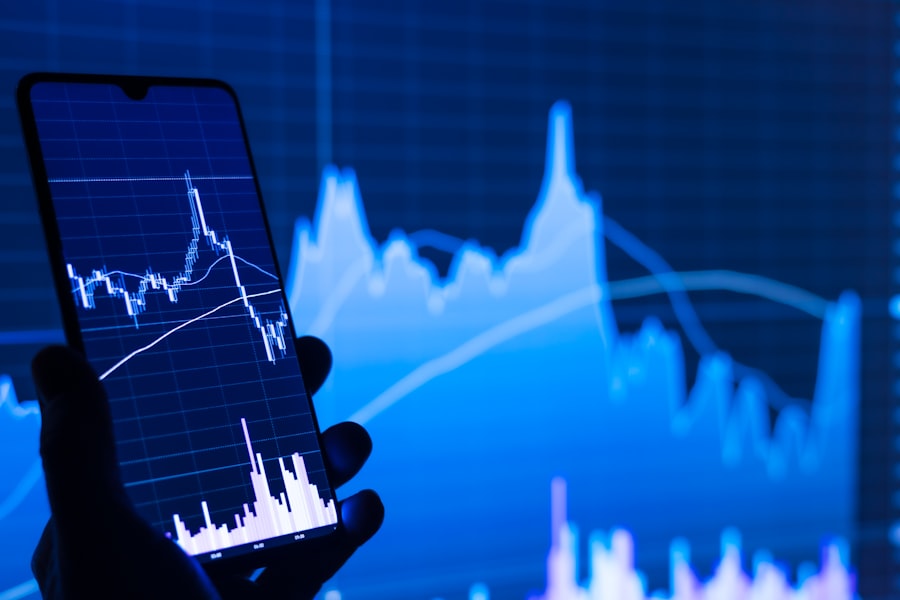
There are several key differences between algorithmic trading and traditional manual trading.
Speed and efficiency: Algorithmic trading is much faster and more efficient than traditional manual trading. Algorithms can execute trades within milliseconds, while human traders may take minutes or even hours to analyze market conditions and make a decision. This speed advantage allows algorithmic traders to capitalize on small price discrepancies that may not be visible to human traders.
Emotion vs logic: Human traders are prone to emotions such as fear and greed, which can cloud their judgment and lead to irrational decision-making. Algorithmic trading eliminates these emotional biases by relying on logic and predefined rules. Trades are executed based on objective criteria, leaving no room for emotional decision-making.
Scalability: Algorithmic trading systems can handle large volumes of trades simultaneously, making them highly scalable. Human traders, on the other hand, have limitations in terms of the number of trades they can execute at any given time. This scalability allows algorithmic traders to take advantage of multiple trading opportunities across different markets and asset classes.
Advantages and disadvantages: Algorithmic trading offers several advantages over traditional manual trading, including increased speed, reduced human error, and improved risk management. However, it also has its disadvantages. Algorithmic trading systems require significant upfront investment in terms of technology infrastructure and development costs. Additionally, algorithms are only as good as the strategies they are based on, and poor strategy design can lead to significant losses.
Risks and Challenges of Algorithmic Trading
While algorithmic trading offers numerous benefits, it also comes with its fair share of risks and challenges.
Market volatility: Algorithmic trading systems can be highly sensitive to market volatility. Rapid price movements or sudden changes in market conditions can lead to unexpected losses if algorithms are not properly calibrated or risk management techniques are not in place. It is crucial for algorithmic traders to continuously monitor and adjust their strategies to adapt to changing market conditions.
Technical glitches: Algorithmic trading systems rely on complex technology infrastructure that can be prone to technical glitches or failures. Network outages, hardware malfunctions, or software bugs can disrupt the execution of trades and lead to significant losses. It is important for algorithmic traders to have robust backup systems and contingency plans in place to mitigate these risks.
Cybersecurity risks: Algorithmic trading systems are vulnerable to cybersecurity threats such as hacking or data breaches. A breach in the system can lead to unauthorized access, manipulation of trades, or theft of sensitive information. It is crucial for algorithmic traders to implement robust cybersecurity measures to protect their systems and data.
Regulatory challenges: Algorithmic trading is subject to various regulatory requirements and oversight. Regulators are concerned about market manipulation, unfair advantages, and systemic risks associated with algorithmic trading. Compliance with these regulations can be complex and time-consuming, requiring algorithmic traders to invest in compliance infrastructure and resources.
Algorithmic Trading Strategies
There are various algorithmic trading strategies that traders can employ based on their objectives and market conditions.
Technical analysis: Technical analysis involves the use of historical price data and technical indicators to identify patterns and trends in the market. Algorithmic trading systems can analyze this data and execute trades based on predefined technical rules. Common technical indicators used in algorithmic trading include moving averages, oscillators, and support and resistance levels.
Fundamental analysis: Fundamental analysis involves the analysis of economic, financial, and qualitative factors that can impact the value of an asset. Algorithmic trading systems can analyze various fundamental data sources, such as earnings reports, economic indicators, and news articles, to make informed trading decisions. This strategy is commonly used in long-term investment strategies.
Quantitative analysis: Quantitative analysis involves the use of mathematical models and statistical techniques to analyze market data and identify trading opportunities. Algorithmic trading systems can incorporate complex quantitative models to make predictions about future price movements. This strategy is commonly used by hedge funds and institutional investors.
Examples of Successful Algorithmic Trading
There have been several notable examples of successful algorithmic trading that have demonstrated the potential of this approach.
Renaissance Technologies: Renaissance Technologies, a hedge fund founded by mathematician James Simons, is widely regarded as one of the most successful algorithmic trading firms. The firm’s Medallion Fund has consistently generated high returns using sophisticated quantitative models and machine learning algorithms.
High-frequency trading firms: High-frequency trading (HFT) firms such as Virtu Financial and Citadel Securities have also achieved significant success in algorithmic trading. These firms specialize in executing trades at ultra-fast speeds, taking advantage of small price discrepancies that may only exist for a fraction of a second.
Quantitative hedge funds: Quantitative hedge funds such as Two Sigma and DE Shaw have also achieved impressive returns using algorithmic trading strategies. These funds employ teams of mathematicians, physicists, and computer scientists to develop complex quantitative models that can analyze vast amounts of data and make informed trading decisions.
Lessons learned from these examples include the importance of continuous research and development, the need for robust risk management techniques, and the value of incorporating alternative data sources into trading strategies.
Choosing the Right Algorithmic Trading Platform
Choosing the right algorithmic trading platform is crucial for success in algorithmic trading. There are several factors to consider when selecting a platform.
Factors to consider: Some key factors to consider include the platform’s reliability and stability, the range of available markets and asset classes, the quality and speed of data feeds, the level of customization and flexibility, and the availability of backtesting and simulation tools.
Popular platforms: Some popular algorithmic trading platforms include MetaTrader, NinjaTrader, TradeStation, and Interactive Brokers. These platforms offer a wide range of features and tools for algorithmic traders, including advanced charting capabilities, order execution algorithms, and connectivity to multiple exchanges.
Tips for selecting the best platform: It is important to thoroughly research and compare different platforms before making a decision. It can be helpful to read reviews and testimonials from other traders, attend webinars or demos offered by platform providers, and take advantage of free trials or demo accounts to test out different platforms.
Algorithmic trading has revolutionized the financial industry, offering numerous benefits such as increased speed and efficiency, reduced human error, improved risk management, and increased profitability. The use of machine learning in algorithmic trading has further enhanced its capabilities, allowing for more accurate predictions and better trading performance. The future of algorithmic trading looks promising, with advancements in technology, artificial intelligence, and alternative data sources expected to shape the industry. However, algorithmic trading also comes with its fair share of risks and challenges, including market volatility, technical glitches, cybersecurity risks, and regulatory challenges. Traders must carefully consider these factors when choosing an algorithmic trading platform to ensure success in this rapidly evolving field.