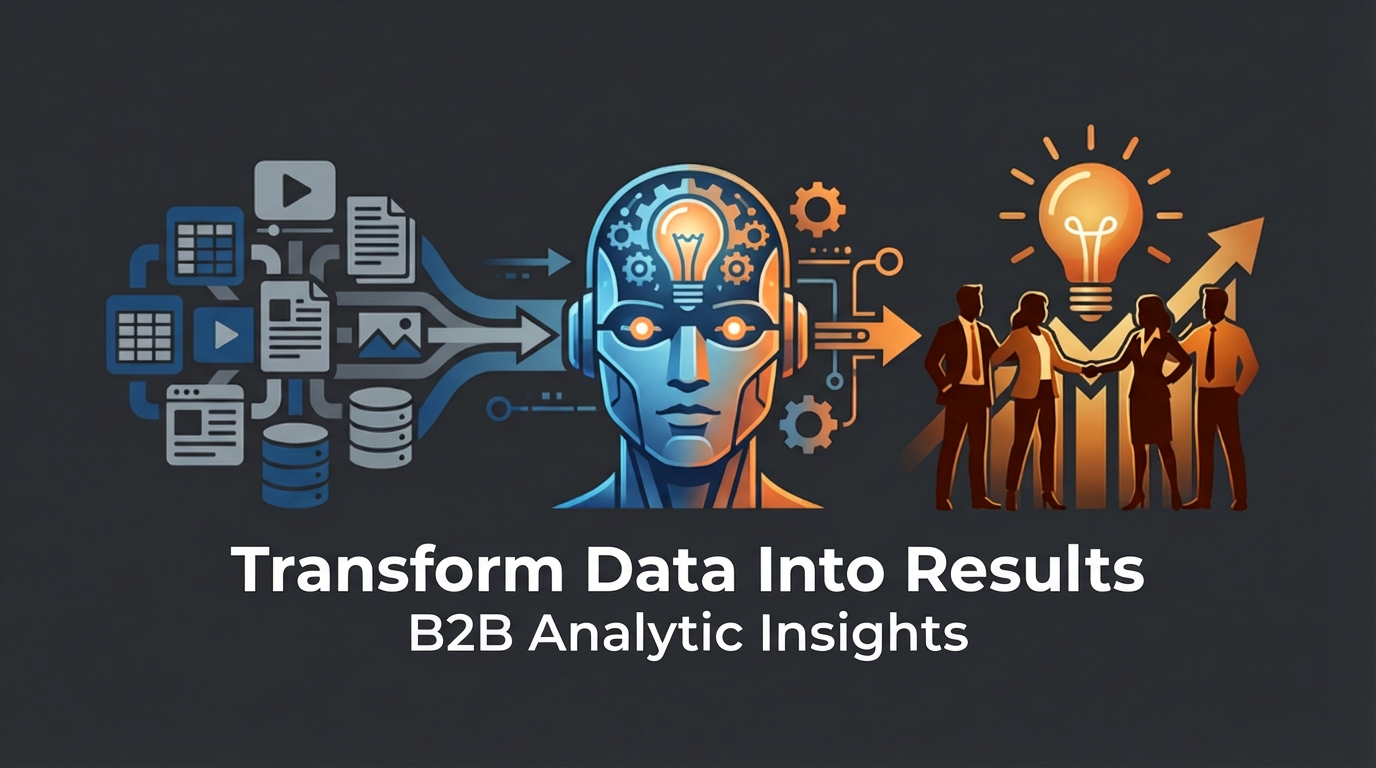
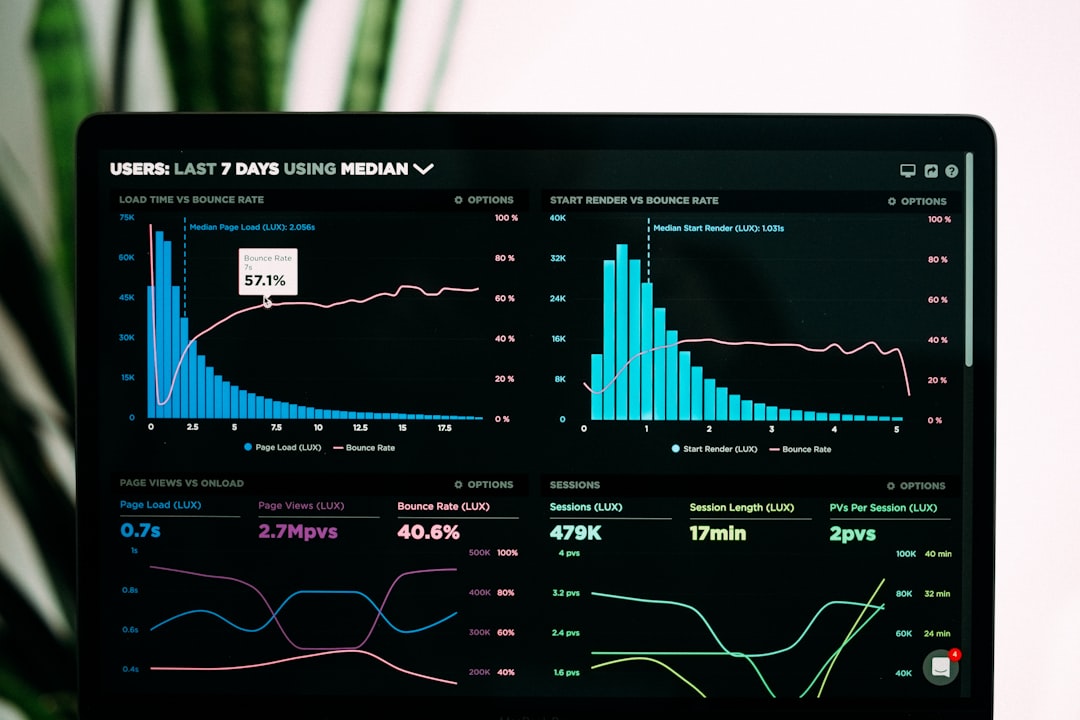
In today’s rapidly changing and uncertain economic climate, businesses face numerous challenges and uncertainties. The ability to make informed decisions is crucial for survival and success. This is where data analytics comes into play. Data analytics is the process of examining large sets of data to uncover patterns, correlations, and insights that can be used to make better decisions.
Data analytics provides businesses with the tools and techniques to navigate through uncertain economies by providing valuable insights into past performance, forecasting future trends, managing data effectively, ensuring data integrity, driving revenue growth, optimizing costs, mitigating risks, understanding customer behavior, and building a data-driven culture across the organization.
Key Takeaways
- Data analytics can help navigate uncertain economies by providing insights into past performance and forecasting future trends.
- Descriptive analytics can help understand past performance by analyzing historical data and identifying patterns and trends.
- Predictive analytics can forecast future trends by using statistical models and machine learning algorithms to analyze historical data and make predictions.
- Data management is crucial for collecting, storing, and retrieving data efficiently and effectively.
- Data integrity is essential for ensuring accurate and reliable data, which is necessary for making informed business decisions.
Descriptive Analytics: Understanding Past Performance
Descriptive analytics is the first step in the data analytics process. It involves analyzing historical data to gain a better understanding of past performance. By examining past trends and patterns, businesses can identify what has worked well in the past and what hasn’t. This information can then be used to make informed decisions about future strategies and actions.
For example, a retail business can use descriptive analytics to analyze sales data from previous years to identify which products were the most popular during specific seasons or events. This information can help them plan their inventory and marketing strategies for the upcoming year.
The benefits of using descriptive analytics are numerous. It allows businesses to gain insights into their historical performance, identify trends and patterns, understand customer behavior, and make data-driven decisions. By understanding past performance, businesses can avoid repeating mistakes and capitalize on successful strategies.
Predictive Analytics: Forecasting Future Trends
Predictive analytics takes the analysis a step further by using historical data to forecast future trends and outcomes. It involves using statistical models and algorithms to predict what is likely to happen in the future based on past patterns and trends.
For example, an e-commerce business can use predictive analytics to forecast customer demand for certain products during specific periods. By analyzing historical sales data, website traffic, and customer behavior, they can predict which products are likely to be in high demand and plan their inventory and marketing strategies accordingly.
The benefits of using predictive analytics are significant. It allows businesses to anticipate future trends and outcomes, make proactive decisions, optimize resources, and gain a competitive advantage. By accurately forecasting future trends, businesses can stay ahead of the curve and make informed decisions that drive success.
Data Management: Collecting, Storing, and Retrieving Data
Effective data management is crucial for successful data analytics. It involves collecting, storing, and retrieving data in a structured and organized manner. Without proper data management practices, businesses may struggle to access and analyze their data effectively.
To collect data efficiently, businesses should define clear objectives and identify the key metrics they need to measure. They should also ensure that the data is accurate, complete, and relevant to their analysis.
Storing data effectively involves choosing the right storage infrastructure and implementing proper security measures to protect the data from unauthorized access or loss. Businesses should also consider scalability and flexibility when choosing a storage solution to accommodate future growth and changing needs.
Retrieving data involves having the right tools and technologies in place to access and analyze the data efficiently. This may include using data visualization tools, dashboards, or business intelligence software that allows users to interact with the data easily.
Data Integrity: Ensuring Accurate and Reliable Data
Data integrity refers to the accuracy, consistency, and reliability of data. It is crucial for making informed decisions based on trustworthy information. Without data integrity, businesses may make decisions based on inaccurate or incomplete information, leading to costly mistakes.
Ensuring data integrity requires implementing proper data validation processes to identify and correct errors or inconsistencies in the data. This may involve using automated validation rules or manual checks to verify the accuracy of the data.
Common challenges to data integrity include data entry errors, data duplication, data inconsistency, and data corruption. Businesses should have proper data governance policies and procedures in place to address these challenges and ensure data integrity.
Strategies for ensuring accurate and reliable data include implementing data validation rules, conducting regular data audits, training employees on proper data entry and management practices, and using data quality tools and technologies.
Profitable Growth: Leveraging Analytics to Drive Revenue
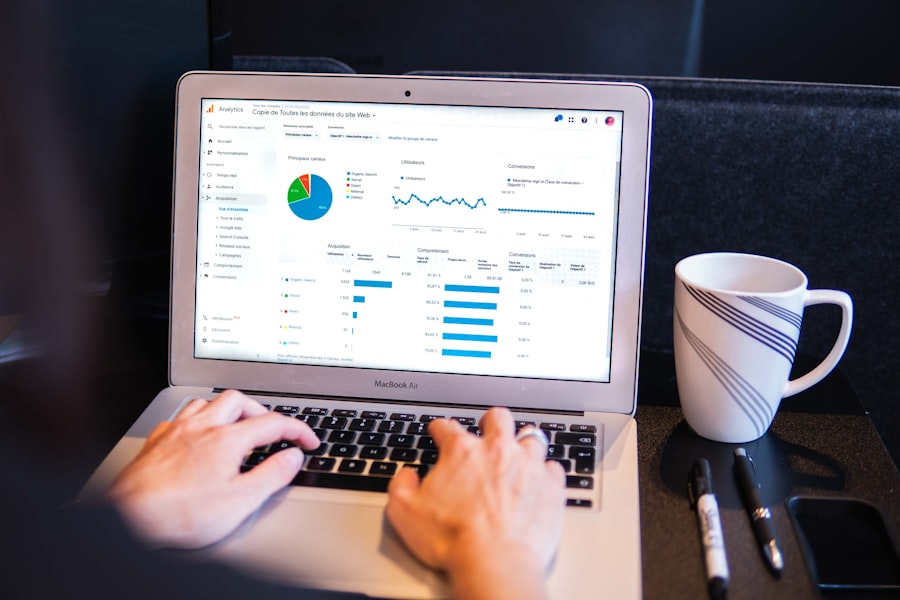
One of the key benefits of data analytics is its ability to drive revenue growth. By analyzing customer behavior, market trends, and sales data, businesses can identify opportunities for growth and develop strategies to capitalize on them.
For example, a software company can use analytics to analyze customer usage patterns and identify upsell or cross-sell opportunities. By understanding how customers are using their products, they can offer additional features or services that meet their needs and generate additional revenue.
Another example is a retail business using analytics to analyze customer purchase history and preferences. By understanding what products customers are buying and when, businesses can personalize their marketing campaigns and promotions to target specific customer segments and drive sales.
The benefits of using analytics for revenue growth are significant. It allows businesses to identify new revenue streams, optimize pricing strategies, improve customer retention, and increase customer lifetime value. By leveraging analytics to drive revenue growth, businesses can achieve sustainable and profitable growth.
Cost Optimization: Identifying and Eliminating Wasteful Spending
In addition to driving revenue growth, data analytics can also help businesses optimize costs by identifying and eliminating wasteful spending. By analyzing financial data, procurement data, and operational data, businesses can identify areas where costs can be reduced or eliminated without compromising quality or performance.
For example, a manufacturing company can use analytics to analyze production data and identify bottlenecks or inefficiencies in the production process. By optimizing the production process, they can reduce costs and improve productivity.
Another example is a service-based business using analytics to analyze customer support data. By identifying the most common customer issues and the time and resources required to resolve them, businesses can develop strategies to reduce customer support costs and improve customer satisfaction.
The benefits of using analytics for cost optimization are significant. It allows businesses to identify cost-saving opportunities, improve operational efficiency, reduce waste, and increase profitability. By leveraging analytics to optimize costs, businesses can achieve sustainable and efficient operations.
Risk Management: Mitigating Risks with Data Analytics
Risk management is a critical aspect of running a business, especially in uncertain economies. Data analytics can help businesses identify and mitigate risks by analyzing historical data, market trends, and external factors that may impact their operations.
For example, a financial institution can use analytics to analyze historical loan data and identify patterns or trends that may indicate potential default risks. By identifying high-risk customers or industries, they can develop risk mitigation strategies such as adjusting interest rates or implementing stricter lending criteria.
Another example is a supply chain business using analytics to analyze supplier performance data. By identifying suppliers with a history of late deliveries or quality issues, businesses can mitigate the risk of disruptions in the supply chain by diversifying their supplier base or implementing stricter quality control measures.
The benefits of using analytics for risk management are significant. It allows businesses to identify and assess risks, develop proactive risk mitigation strategies, improve decision-making, and protect their operations and assets. By leveraging analytics for risk management, businesses can navigate through uncertain economies with confidence.
Customer Insights: Understanding Customer Behavior and Preferences
Understanding customer behavior and preferences is crucial for businesses to stay competitive and meet customer expectations. Data analytics can provide valuable insights into customer behavior by analyzing customer data, social media data, and market trends.
For example, an e-commerce business can use analytics to analyze website traffic data and identify patterns or trends in customer behavior. By understanding how customers navigate through their website, which products they view, and what influences their purchasing decisions, businesses can optimize their website design, product offerings, and marketing strategies to improve customer satisfaction and drive sales.
Another example is a hospitality business using analytics to analyze customer feedback data. By analyzing customer reviews and ratings, businesses can identify areas for improvement and develop strategies to enhance the customer experience.
The benefits of using analytics for customer insights are significant. It allows businesses to understand customer needs and preferences, personalize marketing campaigns, improve customer satisfaction and loyalty, and gain a competitive advantage. By leveraging analytics for customer insights, businesses can build strong and lasting relationships with their customers.
Collaboration and Communication: Building a Data-Driven Culture Across the Organization
Building a data-driven culture is crucial for the successful implementation of data analytics in an organization. It involves fostering collaboration and communication among employees at all levels to ensure that data is used effectively to drive decision-making.
To build a data-driven culture, businesses should provide training and education on data analytics to employees at all levels. This will help them understand the value of data analytics and how it can be used to make better decisions.
Businesses should also encourage collaboration and cross-functional teams to ensure that data is shared and used effectively across different departments. This will help break down silos and promote a culture of data-driven decision-making.
Furthermore, businesses should invest in the right tools and technologies to support collaboration and communication. This may include implementing data visualization tools, dashboards, or business intelligence software that allows users to access and analyze data easily.
The benefits of building a data-driven culture are significant. It allows businesses to make informed decisions based on reliable data, improve operational efficiency, foster innovation, and gain a competitive advantage. By building a data-driven culture, businesses can navigate through uncertain economies with agility and resilience.
In today’s uncertain economic climate, businesses face numerous challenges and uncertainties. The ability to make informed decisions is crucial for survival and success. Data analytics provides businesses with the tools and techniques to navigate through uncertain economies by providing valuable insights into past performance, forecasting future trends, managing data effectively, ensuring data integrity, driving revenue growth, optimizing costs, mitigating risks, understanding customer behavior, and building a data-driven culture across the organization.
By leveraging data analytics, businesses can gain a competitive advantage, make informed decisions, and achieve sustainable and profitable growth. The benefits of using data analytics are significant and can help businesses navigate through uncertain economies with confidence.
Therefore, it is essential for businesses to embrace data analytics and invest in the right tools, technologies, and talent to leverage the power of data. By doing so, businesses can position themselves for success in today’s uncertain economic climate.
If you’re a CFO looking to leverage data analytics for profitable business growth in uncertain economies, you’ll definitely want to check out this insightful article from B2B Analytic Insights. In their blog, they provide 10 practical ways for CFOs to harness the power of data analytics and navigate through challenging economic times. From optimizing financial forecasting to identifying cost-saving opportunities, this article offers valuable strategies that can help drive your company’s success. Don’t miss out on this opportunity to gain a competitive edge in today’s ever-changing business landscape. Read the full article here.