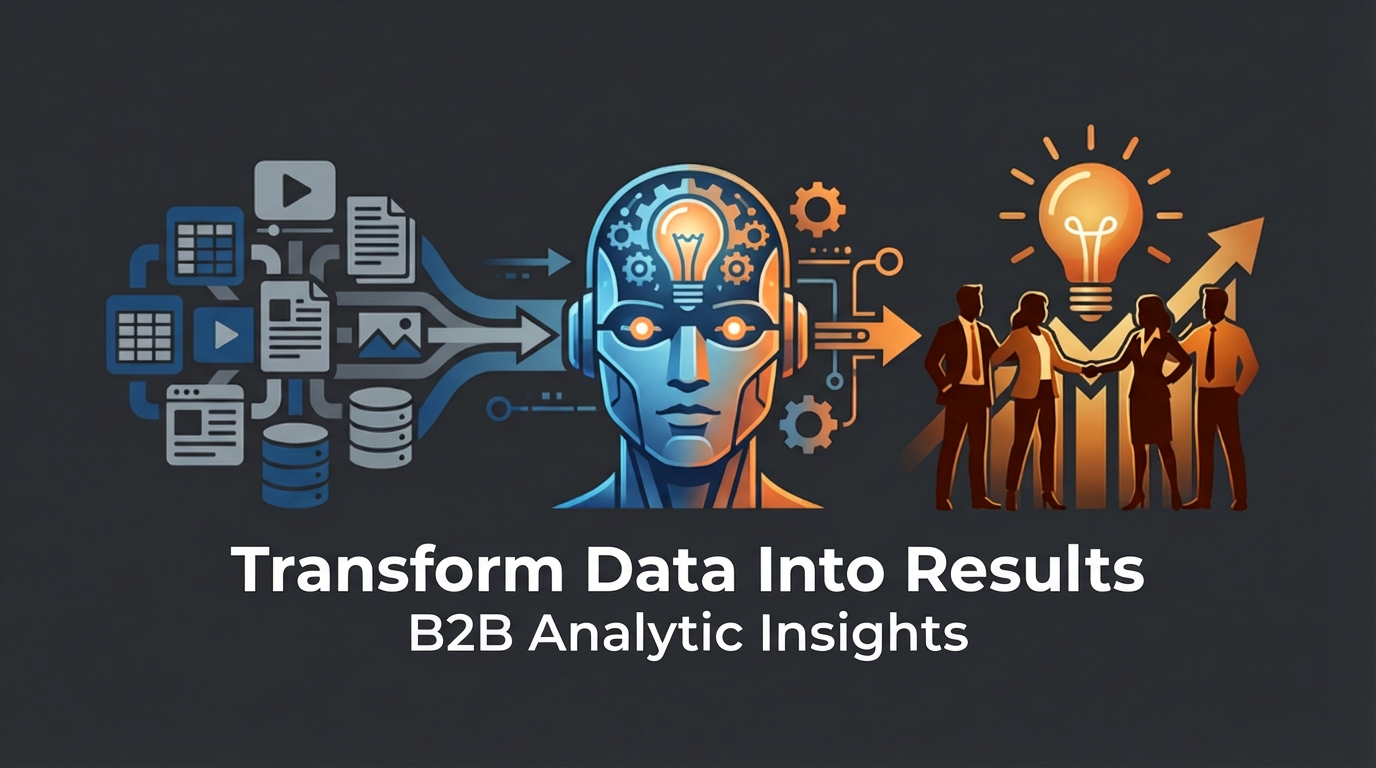

The role of a Chief Financial Officer (CFO) in a company is crucial, as they are responsible for managing the financial health and stability of the organization. CFOs play a key role in making strategic decisions that impact the company’s growth, profitability, and overall success. In order to make informed decisions, CFOs rely heavily on data interpretation.
Data interpretation is the process of analyzing and making sense of data to extract meaningful insights and inform decision making. For CFOs, data interpretation is crucial because it allows them to understand the financial performance of the company, anticipate future trends, and drive profitable growth. Without proper data interpretation, CFOs would be making decisions based on intuition or incomplete information, which can lead to costly mistakes.
Key Takeaways
- Data interpretation is crucial for CFOs to make informed decisions.
- Descriptive analytics helps in understanding past performance.
- Predictive analytics helps in anticipating future trends.
- Data management and integrity are important for accurate and reliable data.
- Leveraging technology can aid in data interpretation and analysis.
Descriptive Analytics: Understanding Past Performance
Descriptive analytics is a branch of data analysis that focuses on understanding past performance by summarizing and visualizing historical data. For CFOs, descriptive analytics provides valuable insights into the financial health and performance of the company. By analyzing historical financial data, CFOs can identify trends, patterns, and anomalies that can help them understand what has happened in the past.
For example, CFOs can use descriptive analytics to analyze sales data and identify which products or services are driving revenue growth. They can also analyze expense data to identify areas where costs can be reduced or optimized. By understanding past performance through descriptive analytics, CFOs can make informed decisions about resource allocation, budgeting, and financial planning.
Predictive Analytics: Anticipating Future Trends
Predictive analytics is a branch of data analysis that focuses on using historical data to make predictions about future trends and outcomes. For CFOs, predictive analytics is crucial because it allows them to anticipate future trends and make proactive decisions to mitigate risks or capitalize on opportunities.
For example, CFOs can use predictive analytics to forecast future sales based on historical sales data and market trends. By understanding future sales projections, CFOs can make informed decisions about production levels, inventory management, and pricing strategies. Predictive analytics can also be used to forecast cash flow, identify potential credit risks, and optimize investment decisions.
Data Management: Collecting, Storing, and Accessing Data
Proper data management is essential for CFOs to effectively interpret and analyze data. CFOs need to ensure that data is collected, stored, and accessed in a structured and organized manner. This includes implementing systems and processes for data collection, establishing secure storage solutions, and providing easy access to relevant data.
To collect data efficiently, CFOs should establish clear data collection processes and protocols. This may involve implementing automated systems for data collection or establishing guidelines for manual data entry. CFOs should also invest in secure storage solutions to protect sensitive financial data from unauthorized access or loss.
In terms of accessing data, CFOs should ensure that relevant data is easily accessible to the finance team. This may involve implementing a centralized database or using cloud-based solutions for data storage and access. By having efficient data management practices in place, CFOs can save time and effort in retrieving and analyzing data.
Data Integrity: Ensuring Accurate and Reliable Data
Data integrity is crucial for CFOs because inaccurate or unreliable data can lead to incorrect financial analysis and decision making. CFOs need to ensure that the data they are interpreting is accurate, complete, and reliable.
To ensure data integrity, CFOs should implement strong data validation processes. This may involve implementing automated checks and validations to identify errors or inconsistencies in the data. CFOs should also establish clear guidelines for data entry and ensure that the finance team is trained on proper data entry practices.
Regular data audits are also important to ensure data integrity. CFOs should periodically review the accuracy and reliability of the data being used for analysis. This may involve cross-referencing data with external sources or conducting internal audits to identify any discrepancies or errors.
Profitable Growth: Using Data to Drive Business Growth

CFOs can use data interpretation to drive profitable growth for the company. By analyzing financial data and identifying key performance indicators (KPIs), CFOs can make data-driven decisions that optimize revenue, reduce costs, and improve overall profitability.
For example, CFOs can analyze sales data to identify which products or services are most profitable and focus on promoting or expanding those offerings. They can also analyze customer data to identify high-value customers and develop strategies to retain and upsell to them.
Data-driven decision making can also help CFOs identify areas where costs can be reduced or optimized. By analyzing expense data, CFOs can identify inefficiencies or areas of overspending and implement cost-saving measures.
Identifying Key Performance Indicators (KPIs) for Your Business
Identifying key performance indicators (KPIs) is crucial for CFOs as it allows them to measure and track the performance of the company against specific goals and objectives. KPIs provide a clear framework for evaluating the success of the company and making informed decisions.
When identifying KPIs, CFOs should consider the specific goals and objectives of the company. KPIs should be aligned with the overall strategy of the organization and reflect the key drivers of success. For example, if the company’s goal is to increase market share, a relevant KPI could be the percentage of market share captured.
CFOs should also ensure that KPIs are measurable and quantifiable. This allows for easy tracking and monitoring of performance. KPIs should also be relevant and meaningful to the business. They should provide actionable insights that can drive decision making and improvement.
Analyzing Financial Statements for Improved Decision Making
Analyzing financial statements is a critical skill for CFOs as it allows them to understand the financial health and performance of the company. By analyzing financial statements, CFOs can identify trends, patterns, and areas of improvement that can inform decision making.
When analyzing financial statements, CFOs should start by reviewing the income statement, balance sheet, and cash flow statement. These statements provide a comprehensive view of the company’s financial performance and position.
CFOs should look for key metrics and ratios that indicate the financial health of the company. For example, they may analyze profitability ratios such as gross profit margin or return on investment. They may also analyze liquidity ratios such as current ratio or quick ratio to assess the company’s ability to meet short-term obligations.
By analyzing financial statements, CFOs can identify areas where the company is performing well and areas where improvement is needed. This allows them to make informed decisions about resource allocation, budgeting, and financial planning.
Leveraging Technology for Data Interpretation and Analysis
Technology plays a crucial role in helping CFOs interpret and analyze data more efficiently. There are various technology tools and solutions available that can automate data analysis, provide real-time insights, and streamline data management processes.
One example of technology that CFOs can leverage is data visualization tools. These tools allow CFOs to create interactive dashboards and visualizations that make it easier to interpret complex financial data. By visualizing data, CFOs can quickly identify trends, patterns, and outliers that may not be apparent in raw data.
Another example is predictive analytics software. These tools use advanced algorithms and machine learning techniques to analyze historical data and make predictions about future trends. By leveraging predictive analytics software, CFOs can automate the process of forecasting and gain valuable insights into future performance.
Cloud-based solutions are also beneficial for CFOs as they provide secure storage and easy access to data from anywhere at any time. Cloud-based solutions also offer scalability, allowing CFOs to easily expand storage capacity as their data needs grow.
Embracing Data-Driven Decision Making as a CFO
In conclusion, data interpretation is crucial for CFOs to make informed decisions and drive the financial success of the company. Descriptive analytics helps CFOs understand past performance, while predictive analytics allows them to anticipate future trends. Proper data management and data integrity are essential for accurate and reliable data interpretation.
CFOs can use data interpretation to drive profitable growth by making data-driven decisions that optimize revenue and reduce costs. Identifying key performance indicators (KPIs) is important for measuring and tracking the performance of the company. Analyzing financial statements provides insights into the financial health and performance of the company.
By leveraging technology tools and solutions, CFOs can interpret and analyze data more efficiently. Technology can automate data analysis, provide real-time insights, and streamline data management processes.
In today’s data-driven business environment, CFOs must embrace data-driven decision making to stay competitive and drive better business outcomes. By effectively interpreting and analyzing data, CFOs can make informed decisions that optimize financial performance, mitigate risks, and drive profitable growth.
If you’re interested in learning more about the power of analytics and how it can transform data into meaningful actions, be sure to check out this insightful article from B2B Analytic Insights. In “The Power of Analytics: Transforming Data into Meaningful Actions,” you’ll discover how businesses can leverage data to drive growth and make informed decisions. This article complements the topic discussed in “The Numbers Don’t Lie: How CFOs Can Interpret Data for Business Growth” by providing a deeper understanding of the role analytics plays in driving business success. Don’t miss out on this valuable resource! Read more here.