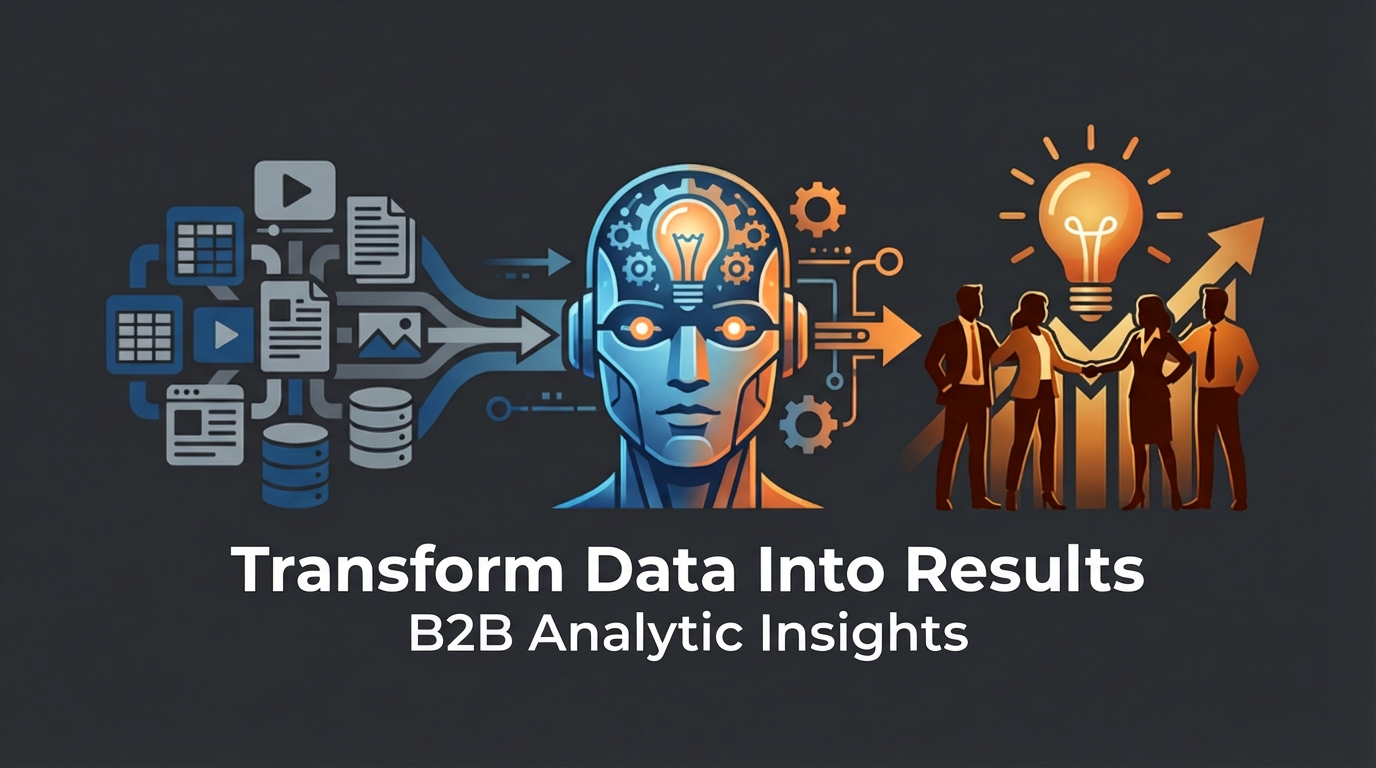

In today’s fast-paced and competitive business landscape, making informed decisions is crucial for the growth and success of any organization. Data-driven decision making has emerged as a powerful tool that enables businesses to gain valuable insights and make informed choices based on facts and evidence rather than intuition or guesswork. By leveraging data, businesses can identify trends, patterns, and opportunities that can drive growth, improve efficiency, and enhance overall performance.
The benefits of using data to make informed decisions are numerous. Firstly, data-driven decision making allows businesses to have a clear understanding of their past performance, enabling them to identify what has worked well and what hasn’t. This knowledge can help them make more informed choices in the future and avoid repeating mistakes. Secondly, data-driven decisions enable businesses to forecast future outcomes accurately. By analyzing historical data and using predictive analytics, organizations can anticipate market trends, customer behavior, and potential risks, allowing them to make proactive decisions that drive growth. Lastly, data-driven decision making helps businesses maximize revenue and minimize costs by identifying areas for improvement and optimization.
Key Takeaways
- Data-driven decisions are crucial for business growth.
- Descriptive analytics helps in understanding past performance.
- Predictive analytics helps in forecasting future outcomes.
- Effective data management and ensuring data integrity are important for maximizing revenue and minimizing costs.
- Common mistakes include relying on gut instincts, failing to define clear goals, and overlooking data quality.
Descriptive Analytics: Understanding Past Performance
Descriptive analytics is the process of analyzing historical data to gain insights into past performance. It involves examining data sets to identify trends, patterns, and correlations that can provide valuable information about what has happened in the past. By understanding past performance, businesses can make more informed decisions about future strategies and actions.
Analyzing past performance is essential because it allows businesses to identify what has worked well and what hasn’t. By examining historical data, organizations can gain insights into customer behavior, market trends, and the effectiveness of their strategies. For example, a retail company may analyze sales data from the previous year to identify which products were the most popular among customers. This information can help them make informed decisions about inventory management, marketing campaigns, and product development in the future.
Predictive Analytics: Forecasting Future Outcomes
Predictive analytics is the process of using historical data and statistical algorithms to forecast future outcomes. It involves analyzing patterns and trends in data to make predictions about future events or behaviors. By leveraging predictive analytics, businesses can make informed decisions about future strategies, investments, and actions.
The benefits of using predictive analytics are significant. Firstly, it allows businesses to anticipate market trends and customer behavior, enabling them to stay ahead of the competition. For example, a hotel chain may use predictive analytics to forecast demand for rooms during different seasons and adjust their pricing and marketing strategies accordingly. Secondly, predictive analytics helps businesses identify potential risks and opportunities, allowing them to make proactive decisions that mitigate risks and capitalize on opportunities. For instance, an insurance company may use predictive analytics to identify customers who are at a higher risk of making a claim and offer them personalized policies or preventive measures. Lastly, predictive analytics enables businesses to optimize their operations and resources by forecasting demand, supply chain needs, and resource allocation. This helps them minimize costs and maximize efficiency.
Data Management: Collecting and Organizing Data Effectively
Effective data management is crucial for making informed data-driven decisions. It involves collecting, organizing, storing, and analyzing data in a way that is efficient, secure, and accessible. By implementing a robust data management system, businesses can ensure that they have access to accurate and relevant data when making decisions.
Collecting and organizing data effectively is important because it allows businesses to have a comprehensive view of their operations, customers, and market. By collecting data from various sources such as sales transactions, customer interactions, social media, and market research, organizations can gain insights into various aspects of their business. For example, a healthcare provider may collect patient data from electronic health records, medical devices, and wearables to gain insights into patient health trends and improve treatment outcomes.
Having a well-organized data management system also enables businesses to analyze data efficiently. By structuring data in a way that is easily accessible and understandable, organizations can save time and resources when analyzing data. This allows them to make faster and more informed decisions. Additionally, effective data management ensures data security and compliance with privacy regulations, protecting sensitive information from unauthorized access or breaches.
Data Integrity: Ensuring Accuracy and Consistency in Data
Data integrity refers to the accuracy, consistency, and reliability of data. It is crucial for making informed decisions because inaccurate or inconsistent data can lead to flawed analysis and incorrect conclusions. Ensuring data integrity is essential for businesses to have confidence in their decision-making process.
The importance of data integrity cannot be overstated. Inaccurate or inconsistent data can lead to poor decision making, wasted resources, and missed opportunities. For example, if a retail company relies on inaccurate sales data to forecast demand for a particular product, they may end up overstocking or understocking, leading to lost sales or excess inventory. Similarly, if a marketing team uses inconsistent customer data to target their campaigns, they may end up sending irrelevant messages or offers, resulting in poor customer experience and wasted marketing budget.
To ensure data integrity, businesses need to implement robust data quality processes. This includes validating data at the point of entry, regularly auditing and cleaning data, and implementing data governance policies and procedures. By ensuring that data is accurate, consistent, and reliable, organizations can have confidence in their decision-making process and avoid the consequences of poor data quality.
Profitable Growth: Maximizing Revenue and Minimizing Costs

One of the key benefits of making informed data-driven decisions is the ability to maximize revenue and minimize costs. By leveraging data, businesses can identify areas for growth and improvement, optimize their operations, and make strategic investments that drive profitability.
Data-driven decisions help businesses identify areas for growth by analyzing customer behavior, market trends, and competitive landscape. For example, a software company may analyze customer feedback and usage data to identify features that are most valued by customers. This information can help them prioritize product development efforts and focus on features that drive customer satisfaction and revenue growth.
Data-driven decisions also help businesses minimize costs by identifying inefficiencies, optimizing processes, and making informed investments. For instance, a manufacturing company may analyze production data to identify bottlenecks or waste in their operations. This information can help them streamline their processes, reduce costs, and improve overall efficiency.
Overall, data-driven decisions enable businesses to make strategic choices that drive profitable growth. By leveraging data to identify opportunities, optimize operations, and make informed investments, organizations can maximize revenue and minimize costs, leading to improved profitability and long-term success.
Common Mistake #1: Relying on Gut Instincts Instead of Data
One common mistake that businesses make is relying on gut instincts or intuition instead of data when making decisions. While intuition can be valuable in certain situations, it should not be the sole basis for decision making. Relying on gut instincts without supporting data can lead to biased decisions, missed opportunities, and poor outcomes.
The risks of relying on gut instincts instead of data are significant. Firstly, intuition is subjective and prone to biases. People’s judgments and decisions can be influenced by personal experiences, emotions, and cognitive biases. This can lead to flawed decision making based on incomplete or inaccurate information. For example, a marketing manager may have a personal preference for a particular marketing channel and allocate a significant portion of the budget to it without considering the effectiveness or ROI of other channels.
Secondly, relying on gut instincts can lead to missed opportunities. Without data-driven insights, businesses may overlook valuable trends, patterns, or opportunities that are not immediately apparent. For example, a retail company may miss out on a growing customer segment or emerging market trend because they rely on intuition rather than data to make decisions.
Lastly, relying on gut instincts can lead to poor outcomes and negative consequences. Without data to support decision making, businesses may make choices that are not aligned with their goals or objectives. This can result in wasted resources, missed targets, and even reputational damage. For example, a financial institution that relies on intuition rather than data to assess credit risk may end up approving loans to high-risk borrowers, leading to increased default rates and financial losses.
To avoid the risks of relying on gut instincts, businesses should prioritize data-driven decision making. By collecting and analyzing relevant data, organizations can gain valuable insights that support objective decision making and mitigate the risks of bias or subjectivity.
Common Mistake #2: Failing to Define Clear Goals and Objectives
Another common mistake that businesses make is failing to define clear goals and objectives when using data-driven decision making. Without clear direction, businesses may collect and analyze data without a specific purpose or end goal in mind. This can lead to wasted resources, analysis paralysis, and ineffective decision making.
The importance of defining clear goals and objectives cannot be overstated. Clear goals provide a framework for data collection, analysis, and decision making. They help businesses focus their efforts, prioritize resources, and measure success. For example, a marketing team may define a goal of increasing customer acquisition by 20% within six months. This goal provides a clear direction for data collection and analysis, allowing the team to identify strategies and tactics that are most effective in achieving the desired outcome.
Defining clear goals also helps businesses avoid analysis paralysis. With an overwhelming amount of data available, organizations may struggle to identify which data points are relevant or meaningful. By defining clear goals, businesses can filter out irrelevant data and focus on the information that is most valuable for decision making.
Lastly, clear goals enable businesses to measure success and evaluate the effectiveness of their data-driven decision making. By setting specific targets and metrics, organizations can track progress, identify areas for improvement, and make adjustments to their strategies or actions if necessary.
To avoid the mistake of failing to define clear goals and objectives, businesses should establish a clear vision and strategy before embarking on data-driven decision making. By aligning data collection and analysis with specific goals, organizations can ensure that their efforts are focused, purposeful, and effective.
Common Mistake #3: Overlooking the Importance of Data Quality
A common mistake that businesses make is overlooking the importance of data quality when making decisions. Poor data quality can lead to flawed analysis, incorrect conclusions, and ineffective decision making. To ensure the accuracy and reliability of data, businesses need to prioritize data quality processes and implement robust data governance practices.
The consequences of poor data quality are significant. Firstly, inaccurate or inconsistent data can lead to flawed analysis and incorrect conclusions. If businesses base their decisions on flawed analysis, they may end up making choices that are not aligned with their goals or objectives. For example, a retail company that relies on inaccurate sales data may misjudge customer demand and end up overstocking or understocking products.
Secondly, poor data quality can result in wasted resources and missed opportunities. If businesses cannot rely on the accuracy or reliability of their data, they may hesitate to make decisions or take action. This can lead to missed opportunities or delayed responses to market trends or customer needs. For example, a healthcare provider that cannot trust the accuracy of patient data may delay treatment decisions or miss critical health trends.
Lastly, poor data quality can erode trust in the decision-making process and undermine confidence in the organization. If stakeholders perceive that decisions are based on unreliable or inaccurate data, they may question the credibility or competence of the organization. This can have long-term consequences for reputation and relationships with customers, partners, and investors.
To avoid the consequences of poor data quality, businesses should prioritize data quality processes and implement robust data governance practices. This includes validating data at the point of entry, regularly auditing and cleaning data, and implementing data governance policies and procedures. By ensuring the accuracy, consistency, and reliability of data, organizations can have confidence in their decision-making process and avoid the risks associated with poor data quality.
The Benefits of Making Informed Data-driven Decisions for Business Growth
In conclusion, making informed data-driven decisions is crucial for the growth and success of businesses in today’s competitive landscape. By leveraging data, organizations can gain valuable insights that drive growth, improve efficiency, and enhance overall performance. Descriptive analytics allows businesses to understand past performance and identify trends and patterns. Predictive analytics enables businesses to forecast future outcomes and make proactive decisions. Effective data management ensures that data is collected and organized efficiently. Data integrity ensures the accuracy and consistency of data. By making informed data-driven decisions, businesses can maximize revenue, minimize costs, and drive profitable growth.
However, there are common mistakes that businesses should avoid when using data-driven decision making. Relying on gut instincts instead of data can lead to biased decisions and missed opportunities. Failing to define clear goals and objectives can result in wasted resources and ineffective decision making. Overlooking the importance of data quality can lead to flawed analysis and incorrect conclusions.
To avoid these mistakes, businesses should prioritize data-driven decision making, define clear goals and objectives, and ensure the accuracy and reliability of their data. By doing so, organizations can make informed choices that drive growth, improve efficiency, and enhance overall performance. In today’s data-driven world, businesses that prioritize data-driven decision making will have a competitive advantage and be better positioned for long-term success.
If you’re looking to make data-driven decisions for business growth, you’ll want to avoid common mistakes that can hinder your progress. In a recent article by B2B Analytic Insights, they discuss the key pitfalls to watch out for when utilizing data in decision-making processes. From relying on incomplete or inaccurate data to overlooking the importance of context, this article provides valuable insights on how to navigate the challenges of data-driven decision-making. To learn more about B2B Analytic Insights and their expertise in this field, visit their blog and about page.