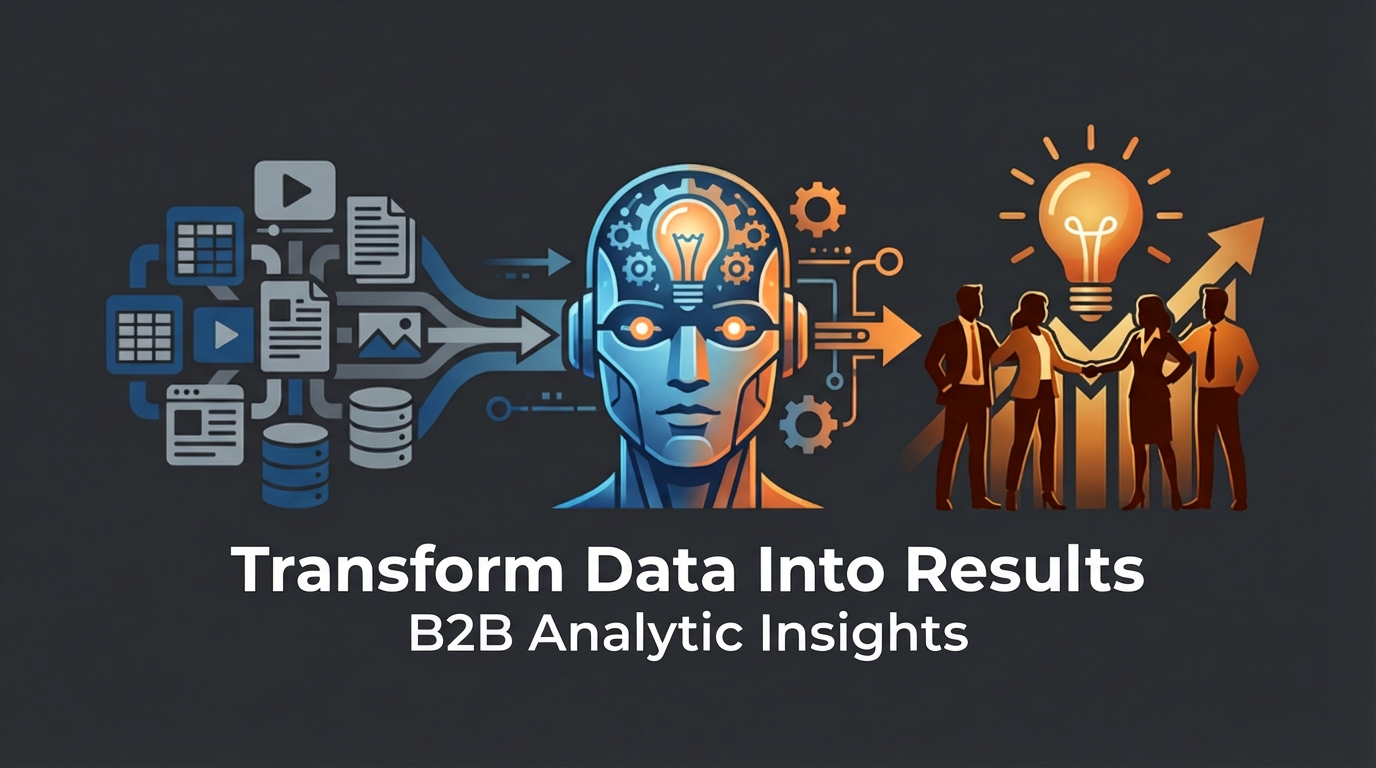

CFOs play a critical role in driving growth within an organization. They are responsible for managing the financial health of the company and making strategic decisions that will lead to increased revenue and profitability. In today’s data-driven world, CFOs have access to vast amounts of information that can inform their decision-making process and help them identify opportunities for growth.
Data-driven decision-making is the practice of using data and analytics to inform business decisions. It involves collecting, analyzing, and interpreting data to gain insights and make informed choices. For CFOs, data-driven decision-making is crucial for achieving growth because it allows them to understand past performance, forecast future outcomes, identify market opportunities, and leverage technology to gain a competitive advantage.
Key Takeaways
- Data-driven decision-making is crucial for CFOs seeking growth.
- Descriptive analytics helps in understanding past performance and trends.
- Predictive analytics helps in forecasting future outcomes and opportunities.
- Effective data management and data integrity are essential for accurate analysis.
- Leveraging data insights can drive revenue and profitability for growth.
Descriptive Analytics: Understanding Past Performance and Trends
Descriptive analytics is the first step in the data-driven decision-making process. It involves analyzing historical data to understand past performance and trends. By examining financial statements, sales reports, and other relevant data, CFOs can gain insights into how the company has performed in the past and identify patterns or trends that may impact future growth.
For example, descriptive analytics can help CFOs identify which products or services are driving revenue growth and which ones are underperforming. By understanding these trends, CFOs can make informed decisions about where to allocate resources and invest in areas that have the potential for growth.
Descriptive analytics can also help CFOs identify areas of inefficiency or waste within the organization. By analyzing data on expenses, CFOs can identify areas where costs can be reduced or eliminated, freeing up resources that can be reinvested in growth initiatives.
Predictive Analytics: Forecasting Future Outcomes and Opportunities
Predictive analytics takes descriptive analytics a step further by using historical data to forecast future outcomes and opportunities. By applying statistical models and algorithms to historical data, CFOs can make predictions about future performance and identify potential opportunities for growth.
For example, predictive analytics can help CFOs forecast future sales based on historical sales data and market trends. This information can be used to develop sales strategies, set revenue targets, and allocate resources effectively.
Predictive analytics can also help CFOs identify potential risks or challenges that may impact growth. By analyzing data on market conditions, customer behavior, and industry trends, CFOs can anticipate potential obstacles and develop contingency plans to mitigate their impact.
Data Management: Collecting, Storing, and Analyzing Data Effectively
Effective data management is crucial for CFOs seeking to make data-driven decisions for growth. It involves collecting, storing, and analyzing data in a way that is efficient, accurate, and secure.
To collect data effectively, CFOs need to ensure that the right data is being collected from the right sources. This may involve implementing systems or processes to capture data from various sources such as financial systems, customer databases, and market research reports.
Once the data is collected, it needs to be stored in a way that is easily accessible and secure. This may involve implementing a data management system or using cloud-based storage solutions. It is also important to establish protocols for data backup and recovery to ensure that data is not lost or compromised.
Analyzing data effectively requires the use of tools and technologies that can process large amounts of data quickly and accurately. This may involve using data visualization tools, statistical software, or machine learning algorithms to analyze and interpret the data.
Data Integrity: Ensuring Accuracy and Consistency in Data Analysis
Data integrity is crucial for making accurate and reliable decisions based on data analysis. It refers to the accuracy, consistency, and reliability of data throughout its lifecycle.
Ensuring data integrity involves several best practices. First, CFOs need to establish clear guidelines and protocols for data collection, entry, and validation. This may involve implementing data quality checks and validation processes to ensure that data is accurate and complete.
Second, CFOs need to establish data governance policies and procedures to ensure that data is consistent and reliable. This may involve implementing data standards, data dictionaries, and data validation rules to ensure that data is consistent across different systems and sources.
Third, CFOs need to establish data security measures to protect data from unauthorized access or manipulation. This may involve implementing encryption, access controls, and monitoring systems to ensure that data is secure and confidential.
Profitable Growth: Using Data Insights to Drive Revenue and Profitability

Data insights can play a crucial role in driving revenue and profitability for an organization. By analyzing data on customer behavior, market trends, and competitive landscape, CFOs can identify opportunities for growth and develop strategies to capitalize on them.
For example, data insights can help CFOs identify customer segments that have the highest potential for growth. By analyzing data on customer demographics, purchasing behavior, and preferences, CFOs can develop targeted marketing campaigns and product offerings that appeal to these segments.
Data insights can also help CFOs identify areas of inefficiency or waste within the organization. By analyzing data on expenses, CFOs can identify areas where costs can be reduced or eliminated, leading to increased profitability.
Identifying Key Performance Indicators (KPIs) for Growth
Key Performance Indicators (KPIs) are metrics that measure the performance of an organization in achieving its objectives. For CFOs seeking growth, it is important to identify KPIs that are relevant to their growth goals and track them regularly.
The importance of KPIs in driving growth cannot be overstated. KPIs provide a clear picture of how the organization is performing and whether it is on track to achieve its growth objectives. By tracking KPIs regularly, CFOs can identify areas of improvement or areas where additional resources need to be allocated.
Examples of KPIs for growth may include revenue growth rate, customer acquisition cost, customer lifetime value, and return on investment. These KPIs can provide insights into the effectiveness of marketing campaigns, sales strategies, and overall business performance.
Leveraging Data to Identify Market Opportunities and Competitive Advantages
Data can be a powerful tool for identifying market opportunities and gaining a competitive advantage. By analyzing data on market trends, customer behavior, and competitive landscape, CFOs can identify gaps in the market and develop strategies to capitalize on them.
For example, data can help CFOs identify emerging trends or shifts in customer preferences that may create new opportunities for growth. By analyzing data on customer demographics, purchasing behavior, and preferences, CFOs can develop new products or services that meet these changing needs.
Data can also help CFOs gain a competitive advantage by providing insights into the strengths and weaknesses of competitors. By analyzing data on competitor pricing, product offerings, and customer satisfaction, CFOs can develop strategies to differentiate themselves and gain a larger share of the market.
The Role of Technology in Data-driven Decision-making for CFOs
Technology plays a crucial role in enabling data-driven decision-making for CFOs. It provides the tools and infrastructure needed to collect, store, analyze, and interpret data effectively.
There are many examples of technology that CFOs can leverage for data-driven decision-making. For example, cloud-based storage solutions allow CFOs to store large amounts of data securely and access it from anywhere at any time. Data visualization tools allow CFOs to present complex data in a visual format that is easy to understand and interpret.
Machine learning algorithms can analyze large amounts of data quickly and accurately, identifying patterns or trends that may not be apparent to humans. Artificial intelligence technologies can automate repetitive tasks such as data entry or report generation, freeing up time for CFOs to focus on strategic decision-making.
Overcoming Challenges and Maximizing the Benefits of Data-driven Decision-making for Growth
While data-driven decision-making offers many benefits, there are also challenges that CFOs may face in implementing and leveraging data effectively.
One common challenge is the availability and quality of data. CFOs need to ensure that the data they are using is accurate, complete, and reliable. This may involve implementing data quality checks and validation processes to ensure that data is accurate and complete.
Another challenge is the complexity of data analysis. CFOs may need to invest in training or hiring data analysts who have the skills and expertise to analyze and interpret data effectively. They may also need to invest in tools or technologies that can process large amounts of data quickly and accurately.
Maximizing the benefits of data-driven decision-making for growth requires a strategic approach. CFOs need to prioritize data-driven decision-making as a core competency within the organization. They need to establish a culture of data-driven decision-making, where data is valued, and insights are used to inform decision-making at all levels of the organization.
Conclusion: The Importance of Data-driven Decision-making for CFOs Seeking Growth
In conclusion, data-driven decision-making is crucial for CFOs seeking growth within their organizations. By leveraging descriptive and predictive analytics, managing data effectively, ensuring data integrity, and using technology strategically, CFOs can gain valuable insights that inform their decision-making process and drive revenue and profitability.
CFOs should prioritize data-driven decision-making as a core competency within their organizations. By establishing a culture of data-driven decision-making and investing in the necessary tools, technologies, and expertise, CFOs can position themselves as strategic partners within their organizations and drive sustainable growth.
If you’re a CFO seeking growth and looking to make data-driven decisions, you’ll find valuable insights in the article “The Power of Analytics: Transforming Data into Meaningful Actions” on B2B Analytic Insights. This article explores how analytics can help businesses unlock the true potential of their data and turn it into actionable strategies for growth. With a focus on the power of data-driven decision-making, this article provides practical tips and key observations for CFOs looking to leverage analytics effectively. Check out the article here to learn more about the transformative impact of analytics in driving business growth.