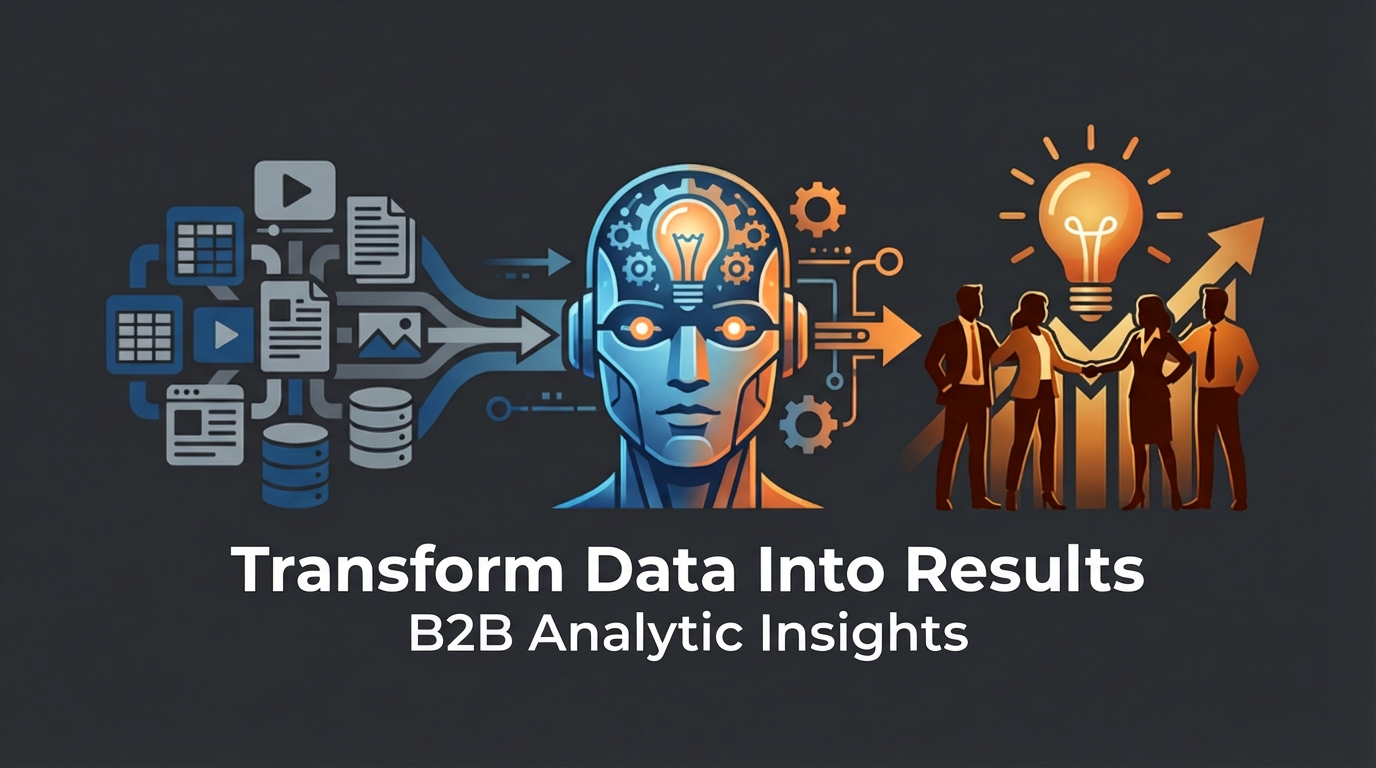

In today’s digital age, data has become a valuable asset for businesses. It provides insights into customer behavior, market trends, and operational efficiency. However, the value of data lies in its accuracy and reliability. This is where data integrity comes into play. Data integrity refers to the accuracy, consistency, and reliability of data throughout its lifecycle. It ensures that the data is complete, valid, and trustworthy.
Data integrity is crucial for business growth as it forms the foundation for informed decision-making. When businesses have access to accurate and reliable data, they can make strategic decisions that drive growth and profitability. For example, by analyzing customer data, businesses can identify patterns and trends that help them understand customer preferences and tailor their products or services accordingly. This leads to increased customer satisfaction and loyalty, ultimately driving business growth.
Data management plays a critical role in ensuring data integrity. It involves the processes and technologies used to collect, store, organize, and analyze data. Effective data management practices ensure that data is accurate, consistent, and accessible when needed. It also involves implementing security measures to protect data from unauthorized access or loss. By implementing robust data management practices, businesses can maintain data integrity and leverage it for growth.
Key Takeaways
- Data integrity is crucial for business growth
- Misleading practices in data management can lead to inaccurate insights
- Descriptive analytics helps understand the past to inform the future
- Predictive analytics uses data to make informed decisions
- Data management plays a key role in ensuring data integrity
Defining Misleading Practices in Data Management
Misleading practices in data management refer to actions or behaviors that compromise the accuracy and reliability of data. These practices can include intentional manipulation of data, inadequate quality control measures, or failure to adhere to data governance policies.
The impact of misleading practices on data integrity can be significant. When inaccurate or unreliable data is used for decision-making, it can lead to poor business outcomes. For example, if sales data is manipulated to show higher revenue figures than actual, it can lead to incorrect sales forecasts and inventory management decisions. This can result in overstocking or understocking of products, leading to financial losses and customer dissatisfaction.
Misleading practices can also erode trust in the data and undermine the credibility of the organization. When stakeholders, such as customers, investors, or regulators, discover that the data provided by a business is inaccurate or unreliable, it can damage the reputation of the organization and lead to legal or financial consequences.
Descriptive Analytics: Understanding the Past to Inform the Future
Descriptive analytics is a branch of data analytics that focuses on understanding historical data to gain insights and inform future decision-making. It involves analyzing past data to identify patterns, trends, and relationships. Descriptive analytics plays a crucial role in data management as it helps maintain data integrity by ensuring that the data is accurate and consistent.
By analyzing historical data, businesses can identify any inconsistencies or anomalies that may indicate data integrity issues. For example, if sales data shows a sudden spike or drop in revenue without any apparent reason, it may indicate a data entry error or manipulation. By identifying and addressing these issues, businesses can ensure that their data remains accurate and reliable.
Descriptive analytics also helps businesses identify trends and patterns that can inform future decision-making. For example, by analyzing customer purchase history, businesses can identify which products or services are most popular among their customers. This information can be used to optimize marketing strategies, improve product offerings, and drive business growth.
Predictive Analytics: Using Data to Make Informed Decisions
Predictive analytics is another branch of data analytics that uses historical data to make predictions about future events or outcomes. It involves applying statistical algorithms and machine learning techniques to analyze past data and identify patterns that can be used to make informed decisions.
Predictive analytics plays a crucial role in data management as it helps businesses make informed decisions based on accurate and reliable data. By analyzing historical data, businesses can identify patterns and trends that can be used to predict future outcomes. For example, by analyzing customer behavior data, businesses can predict which customers are most likely to churn and take proactive measures to retain them.
Predictive analytics also helps businesses optimize their operations and resource allocation. By analyzing historical data on production, inventory, and customer demand, businesses can predict future demand patterns and adjust their production and inventory levels accordingly. This helps reduce costs, minimize waste, and improve operational efficiency.
The Role of Data Management in Ensuring Data Integrity
Data management plays a critical role in maintaining data integrity throughout its lifecycle. It involves a set of processes, policies, and technologies that ensure data is accurate, consistent, and accessible when needed. Effective data management practices are essential for businesses to leverage data for growth and profitability.
One key component of effective data management is data governance. Data governance refers to the framework of policies, procedures, and responsibilities that ensure the proper management of data. It includes defining data quality standards, establishing data ownership and accountability, and implementing security measures to protect data from unauthorized access or loss.
Data quality management is another important component of effective data management. It involves processes and technologies used to ensure the accuracy, completeness, and consistency of data. This includes data cleansing, which involves identifying and correcting errors or inconsistencies in the data, as well as data validation, which involves verifying the accuracy and integrity of the data.
Data security is also a critical aspect of data management. It involves implementing measures to protect data from unauthorized access, loss, or corruption. This includes implementing access controls, encryption techniques, and backup and recovery procedures.
Common Threats to Data Integrity and How to Mitigate Them

There are several common threats to data integrity that businesses need to be aware of and mitigate. These threats can include human error, system failures, cyberattacks, and natural disasters.
Human error is one of the most common threats to data integrity. It can include accidental deletion or modification of data, incorrect data entry, or failure to follow proper data management procedures. To mitigate this threat, businesses should implement proper training and education programs to ensure that employees understand the importance of data integrity and are aware of the best practices for data management.
System failures can also pose a significant threat to data integrity. This can include hardware or software failures, power outages, or network disruptions. To mitigate this threat, businesses should implement robust backup and recovery procedures to ensure that data can be restored in the event of a system failure. Regular testing of backup systems and disaster recovery plans is also essential to ensure their effectiveness.
Cyberattacks are another major threat to data integrity. This can include hacking, malware attacks, or phishing attempts. To mitigate this threat, businesses should implement robust cybersecurity measures, such as firewalls, intrusion detection systems, and encryption techniques. Regular security audits and vulnerability assessments can also help identify and address any weaknesses in the system.
Natural disasters, such as floods, earthquakes, or fires, can also pose a significant threat to data integrity. To mitigate this threat, businesses should implement offsite backup and recovery procedures to ensure that data can be restored in the event of a disaster. This can include storing backups in secure offsite locations or using cloud-based backup services.
Strategies for Maintaining Data Integrity Throughout the Business Lifecycle
Maintaining data integrity throughout the business lifecycle requires a proactive approach and the implementation of effective strategies. Here are some strategies that businesses can use to maintain data integrity:
1. Establish clear data governance policies: Businesses should define clear policies and procedures for data management and establish roles and responsibilities for data governance. This includes defining data quality standards, establishing data ownership and accountability, and implementing security measures to protect data.
2. Implement robust data quality management processes: Businesses should implement processes and technologies to ensure the accuracy, completeness, and consistency of data. This includes data cleansing, which involves identifying and correcting errors or inconsistencies in the data, as well as data validation, which involves verifying the accuracy and integrity of the data.
3. Regularly monitor and audit data: Businesses should regularly monitor and audit their data to identify any inconsistencies or anomalies that may indicate data integrity issues. This can include conducting regular data quality checks, analyzing data patterns and trends, and performing regular security audits.
4. Implement strong access controls: Businesses should implement strong access controls to ensure that only authorized individuals have access to sensitive data. This includes implementing user authentication mechanisms, role-based access controls, and encryption techniques.
5. Backup and recovery procedures: Businesses should implement robust backup and recovery procedures to ensure that data can be restored in the event of a system failure or disaster. This includes regularly backing up data to secure offsite locations or using cloud-based backup services.
6. Regular training and education: Businesses should provide regular training and education programs to ensure that employees understand the importance of data integrity and are aware of the best practices for data management. This includes training employees on proper data entry procedures, data security measures, and data governance policies.
The Relationship Between Data Integrity and Profitable Growth
Data integrity is closely linked to profitable growth for businesses. When businesses have access to accurate and reliable data, they can make informed decisions that drive growth and profitability.
Accurate and reliable data helps businesses identify market trends, customer preferences, and operational inefficiencies. By analyzing this data, businesses can identify opportunities for growth, optimize their operations, and improve customer satisfaction.
For example, by analyzing customer behavior data, businesses can identify which products or services are most popular among their customers. This information can be used to optimize marketing strategies, improve product offerings, and drive business growth.
Data integrity also helps businesses build trust with their customers, investors, and other stakeholders. When stakeholders have confidence in the accuracy and reliability of the data provided by a business, they are more likely to engage with the business and make informed decisions based on the data.
On the other hand, if stakeholders discover that the data provided by a business is inaccurate or unreliable, it can damage the reputation of the organization and lead to legal or financial consequences. This can hinder business growth and profitability.
Case Studies: Examples of Successful Data Integrity Practices
There are several examples of businesses that have successfully maintained data integrity and leveraged it for growth. Here are a few case studies:
1. Amazon: Amazon is known for its data-driven approach to business. The company collects vast amounts of customer data and uses it to personalize recommendations, optimize pricing, and improve operational efficiency. By maintaining data integrity and leveraging it effectively, Amazon has been able to drive significant growth and become one of the world’s largest e-commerce companies.
2. Netflix: Netflix uses data analytics to personalize its content recommendations and improve customer satisfaction. By analyzing customer viewing patterns and preferences, Netflix can recommend relevant content to its users, increasing engagement and retention. This data-driven approach has helped Netflix grow its subscriber base and become a leading player in the streaming industry.
3. Walmart: Walmart uses data analytics to optimize its supply chain and inventory management processes. By analyzing sales data, customer demand patterns, and supplier performance, Walmart can optimize its inventory levels, reduce costs, and improve operational efficiency. This data-driven approach has helped Walmart maintain its position as one of the world’s largest retailers.
These case studies highlight the importance of data integrity in driving business growth. By maintaining accurate and reliable data and leveraging it effectively, businesses can make informed decisions that drive growth and profitability.
The Future of Data Integrity in Business Growth
Data integrity will continue to play a crucial role in business growth in the future. As technology advances and businesses collect more data than ever before, maintaining data integrity will become even more challenging.
However, advancements in technology also provide opportunities for businesses to improve data management practices and maintain data integrity. For example, the use of artificial intelligence and machine learning algorithms can help businesses automate data quality checks, identify anomalies, and predict data integrity issues.
In conclusion, data integrity is essential for business growth. It ensures that the data used for decision-making is accurate, reliable, and trustworthy. By implementing effective data management practices and mitigating common threats to data integrity, businesses can leverage data to make informed decisions that drive growth and profitability. The future of data integrity lies in the effective use of technology to automate data management processes and ensure the accuracy and reliability of data throughout its lifecycle.
If you’re interested in uncovering misleading practices and ensuring data integrity for profitable business growth, you may also find the article “The Power of Analytics: Transforming Data into Meaningful Actions” on B2B Analytic Insights insightful. This article delves into the transformative power of analytics and how businesses can leverage data to make informed decisions and drive meaningful actions. Check it out here. For more information about B2B Analytic Insights and their expertise in data analytics, visit their website here.