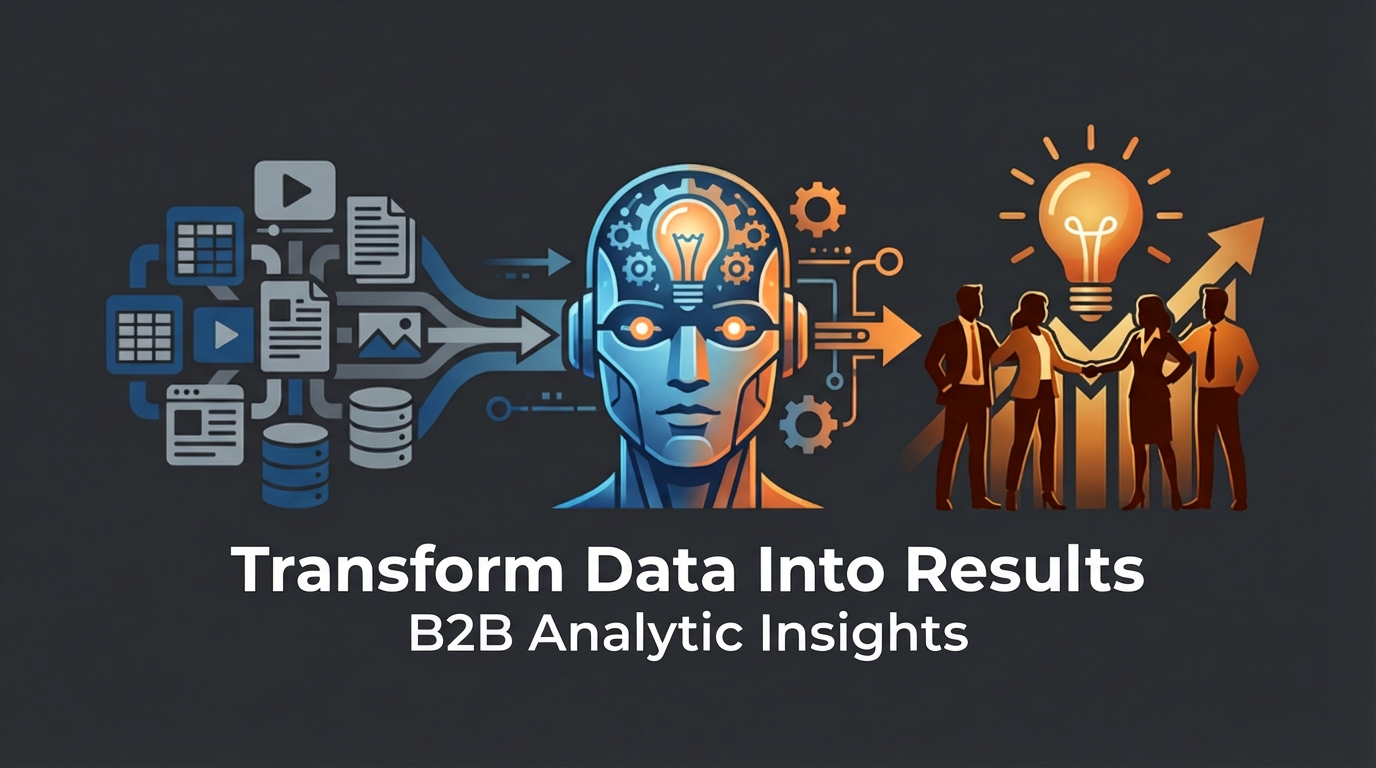

Machine learning is a branch of artificial intelligence that focuses on the development of algorithms and models that can learn from and make predictions or decisions based on data. In recent years, machine learning has gained significant attention in the financial industry due to its potential to improve financial services and decision-making processes.
The applications of machine learning in finance are vast and varied. From credit risk assessment to fraud detection, machine learning algorithms can analyze large volumes of data and identify patterns or trends that may not be apparent to human analysts. This can lead to more accurate predictions, better risk management, and improved overall performance in financial institutions.
The importance of machine learning in finance cannot be overstated. With the increasing complexity of financial markets and the growing amount of data available, traditional methods of analysis and decision-making are becoming less effective. Machine learning offers a way to harness the power of data and extract valuable insights that can drive better financial outcomes.
Key Takeaways
- Machine learning can enhance credit risk assessment in commercial credit.
- Debt collection strategies can be optimized using machine learning algorithms.
- Machine learning can predict future losses in loss forecasting.
- Cash flow management can be improved with machine learning in cash forecasting.
- Fraudulent transactions can be identified and prevented with machine learning in fraud detection.
Commercial Credit: Enhancing Credit Risk Assessment with Machine Learning
Credit risk assessment is a crucial process for financial institutions that lend money to businesses or individuals. It involves evaluating the creditworthiness of borrowers and determining the likelihood of default or non-payment. Traditionally, credit risk assessment has relied on manual analysis and subjective judgment, which can be time-consuming and prone to errors.
Machine learning can significantly improve credit risk assessment by automating the process and incorporating a wide range of data sources. By analyzing historical data on borrower characteristics, financial statements, economic indicators, and other relevant factors, machine learning algorithms can identify patterns and develop predictive models that assess credit risk more accurately.
Several companies have already adopted machine learning for credit risk assessment. For example, ZestFinance uses machine learning algorithms to analyze thousands of variables and predict creditworthiness for borrowers with limited credit history. This allows lenders to make more informed decisions and offer loans to individuals who may have been overlooked by traditional credit scoring models.
Collections Prioritization: Optimizing Debt Collection Strategies using Machine Learning
Debt collection is another critical area where machine learning can make a significant impact. Debt collection strategies involve prioritizing and managing the collection efforts for delinquent accounts. Traditionally, collections prioritization has relied on manual analysis and rules-based systems, which can be inefficient and ineffective.
Machine learning can optimize debt collection strategies by analyzing historical data on customer behavior, payment patterns, and other relevant factors. By identifying patterns and trends, machine learning algorithms can develop predictive models that prioritize collections efforts based on the likelihood of recovery. This allows financial institutions to allocate their resources more effectively and improve overall collections performance.
Several companies have already embraced machine learning for debt collection. For example, TrueAccord uses machine learning algorithms to analyze customer data and predict the most effective communication channels and messages for debt collection. This personalized approach has led to higher recovery rates and improved customer satisfaction.
Loss Forecasting: Predicting Future Losses with Machine Learning Algorithms
| Metrics | Description |
|---|---|
| Mean Absolute Error (MAE) | The average absolute difference between the predicted and actual loss values. |
| Mean Squared Error (MSE) | The average squared difference between the predicted and actual loss values. |
| Root Mean Squared Error (RMSE) | The square root of the average squared difference between the predicted and actual loss values. |
| R-squared (R2) | A statistical measure that represents the proportion of the variance in the dependent variable that is explained by the independent variables. |
| Accuracy | The percentage of correctly predicted loss values. |
| Precision | The proportion of true positive predictions out of all positive predictions. |
| Recall | The proportion of true positive predictions out of all actual positive values. |
Loss forecasting is a critical process for financial institutions that need to estimate potential losses due to credit defaults, market fluctuations, or other factors. Traditionally, loss forecasting has relied on historical data and statistical models, which may not capture all the relevant factors or account for changing market conditions.
Machine learning algorithms can predict future losses more accurately by analyzing a wide range of data sources and identifying patterns or trends that may not be apparent to human analysts. By incorporating real-time data, market indicators, and other relevant factors, machine learning algorithms can develop predictive models that provide more accurate loss forecasts.
Several companies have already implemented machine learning for loss forecasting. For example, LendingClub uses machine learning algorithms to analyze borrower characteristics, loan performance data, and economic indicators to predict loan defaults and estimate potential losses. This allows them to make more informed decisions and manage risk more effectively.
Cash Forecasting: Improving Cash Flow Management with Machine Learning
Cash flow management is a critical aspect of financial management for businesses and individuals. It involves monitoring and projecting cash inflows and outflows to ensure that there is enough liquidity to meet financial obligations. Traditionally, cash forecasting has relied on manual analysis and historical data, which may not capture all the relevant factors or account for changing market conditions.
Machine learning can improve cash forecasting by analyzing a wide range of data sources, including historical cash flow data, market indicators, and other relevant factors. By identifying patterns or trends, machine learning algorithms can develop predictive models that provide more accurate cash forecasts. This allows businesses and individuals to make more informed decisions and manage their cash flow more effectively.
Several companies have already adopted machine learning for cash forecasting. For example, Taulia uses machine learning algorithms to analyze historical cash flow data, customer payment patterns, and economic indicators to predict future cash flows for businesses. This allows them to optimize working capital management and improve overall financial performance.
Fraud Detection: Identifying and Preventing Fraudulent Transactions with Machine Learning

Fraud detection is a critical process for financial institutions that need to identify and prevent fraudulent transactions. Traditionally, fraud detection has relied on manual analysis and rules-based systems, which can be time-consuming and prone to errors.
Machine learning can identify and prevent fraudulent transactions more effectively by analyzing large volumes of data and identifying patterns or anomalies that may indicate fraudulent activity. By developing predictive models based on historical data on customer behavior, transaction patterns, and other relevant factors, machine learning algorithms can detect fraud in real-time and take appropriate action.
Several companies have already embraced machine learning for fraud detection. For example, PayPal uses machine learning algorithms to analyze customer transaction data and identify patterns or anomalies that may indicate fraudulent activity. This allows them to detect and prevent fraud more effectively while minimizing false positives.
Investment Management: Enhancing Investment Decisions with Machine Learning
Investment management is a critical aspect of financial management for individuals and institutions that need to allocate their capital to different investment opportunities. Traditionally, investment decisions have relied on manual analysis and subjective judgment, which can be time-consuming and prone to biases.
Machine learning can enhance investment decisions by analyzing large volumes of data and identifying patterns or trends that may not be apparent to human analysts. By developing predictive models based on historical data, market indicators, and other relevant factors, machine learning algorithms can provide more accurate investment recommendations and improve overall investment performance.
Several companies have already implemented machine learning for investment management. For example, Wealthfront uses machine learning algorithms to analyze customer financial data, market indicators, and other relevant factors to develop personalized investment portfolios. This allows them to provide more accurate and tailored investment advice to their clients.
Customer Segmentation: Personalizing Financial Services with Machine Learning
Customer segmentation is a critical process for financial institutions that need to tailor their products and services to different customer segments. Traditionally, customer segmentation has relied on manual analysis and subjective judgment, which can be time-consuming and prone to biases.
Machine learning can personalize financial services by analyzing large volumes of customer data and identifying patterns or trends that may not be apparent to human analysts. By developing predictive models based on customer demographics, behavior, preferences, and other relevant factors, machine learning algorithms can segment customers more accurately and provide personalized recommendations or offers.
Several companies have already embraced machine learning for customer segmentation. For example, Capital One uses machine learning algorithms to analyze customer data and identify patterns or trends that may indicate different customer segments. This allows them to tailor their products and services to the specific needs and preferences of each segment.
Regulatory Compliance: Ensuring Compliance with Machine Learning Technologies
Regulatory compliance is a critical aspect of financial management for institutions that need to comply with various laws, regulations, and industry standards. Traditionally, regulatory compliance has relied on manual analysis and rules-based systems, which can be time-consuming and prone to errors.
Machine learning technologies can ensure compliance more effectively by analyzing large volumes of data and identifying patterns or anomalies that may indicate non-compliance. By developing predictive models based on historical data, regulatory requirements, and other relevant factors, machine learning algorithms can detect potential compliance issues in real-time and take appropriate action.
Several companies have already implemented machine learning technologies for regulatory compliance. For example, Nasdaq uses machine learning algorithms to analyze trading data and identify patterns or anomalies that may indicate market manipulation or insider trading. This allows them to detect potential compliance issues more effectively and ensure a fair and transparent market.
The Future of Finance with Machine Learning
In conclusion, machine learning is transforming the financial industry by improving financial services and decision-making processes. From credit risk assessment to fraud detection, machine learning algorithms can analyze large volumes of data and identify patterns or trends that may not be apparent to human analysts. This can lead to more accurate predictions, better risk management, and improved overall performance in financial institutions.
The future of finance with machine learning is promising. As technology continues to advance and more data becomes available, the potential applications of machine learning in finance will only grow. Financial institutions that embrace machine learning will have a competitive advantage in terms of efficiency, accuracy, and customer satisfaction.
It is crucial for the financial industry to embrace machine learning and invest in the necessary infrastructure and talent to leverage its potential fully. By doing so, financial institutions can stay ahead of the curve and provide better financial services to their customers. Machine learning is not a replacement for human judgment but rather a tool that can augment human decision-making processes and improve overall financial outcomes.