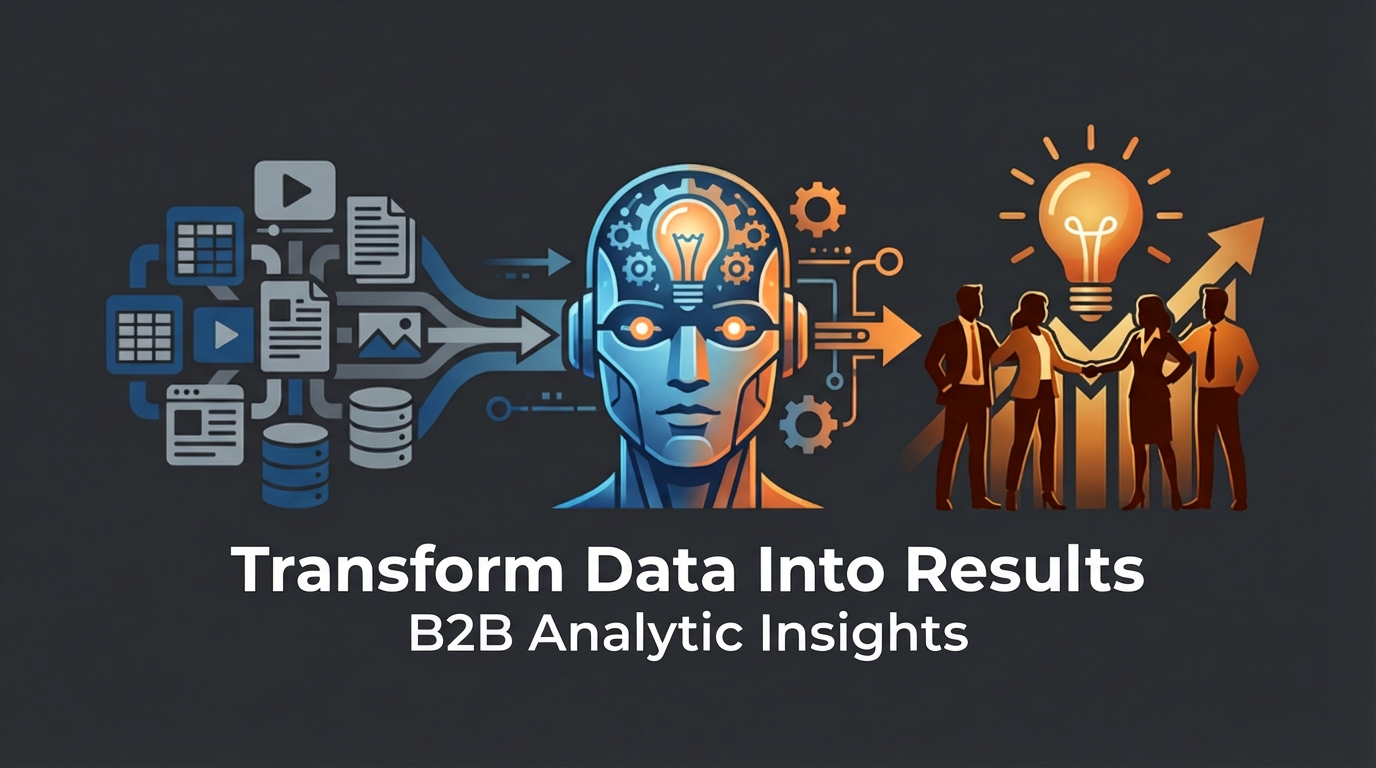

Artificial Intelligence (AI) has revolutionized various industries, and the finance sector is no exception. AI refers to the simulation of human intelligence in machines that are programmed to think and learn like humans. In finance, AI is used to automate and improve various processes, such as trading, fraud detection, customer service, credit risk assessment, collections prioritization, loss forecasting, cash management, and regulatory compliance.
The importance of AI in finance lies in its ability to enhance efficiency and accuracy in financial processes. With the vast amount of data available in the finance industry, AI can analyze and interpret this data at a much faster rate than humans. This enables financial institutions to make more informed decisions and improve their overall performance. Additionally, AI can reduce human error by automating repetitive tasks and minimizing the risk of manual mistakes.
Key Takeaways
- AI in finance offers numerous benefits, including improved accuracy, efficiency, and cost savings.
- AI can be used in trading to analyze large amounts of data and make more informed investment decisions.
- Fraud detection with AI can help financial institutions identify and prevent fraudulent activities more effectively.
- AI in customer service can enhance the customer experience and reduce costs by automating routine tasks.
- AI can be used in commercial credit to assess risk and optimize lending decisions, as well as in collections prioritization and loss forecasting to maximize recoveries and mitigate losses.
AI and Trading: Advantages and Challenges
One of the key applications of AI in finance is trading. AI-powered trading systems use algorithms to analyze market data and make trading decisions in real-time. This provides several advantages over traditional trading methods. Firstly, AI can process large amounts of data at a much faster rate than humans, allowing for faster decision-making. This is particularly beneficial in high-frequency trading, where split-second decisions can make a significant difference in profitability.
Furthermore, AI can reduce human error in trading. Emotions and biases often cloud human judgment, leading to poor trading decisions. AI eliminates these biases by making decisions based on objective data analysis. This improves the accuracy of trading strategies and increases the chances of making profitable trades.
However, there are challenges in implementing AI in trading. One challenge is ensuring the quality of data used by AI algorithms. The accuracy of trading decisions depends on the quality of input data, and if the data is flawed or incomplete, it can lead to inaccurate predictions and poor trading outcomes. Another challenge is regulatory compliance. Financial institutions must ensure that their AI-powered trading systems comply with regulations and do not engage in illegal or unethical activities.
Fraud Detection with AI: Improving Accuracy and Efficiency
Fraud detection is a critical aspect of financial transactions, and AI has greatly improved the accuracy and efficiency of this process. AI-powered fraud detection systems use machine learning algorithms to analyze patterns and anomalies in transaction data, enabling them to identify fraudulent activities with high accuracy.
AI can detect fraud in real-time, allowing financial institutions to take immediate action to prevent further losses. Traditional fraud detection methods often rely on manual review, which is time-consuming and prone to errors. AI automates the process, reducing the time and effort required for fraud detection.
Moreover, AI can adapt and learn from new fraud patterns. As fraudsters constantly evolve their techniques, AI algorithms can continuously update their models to detect new types of fraud. This ensures that financial institutions stay one step ahead of fraudsters and can effectively protect their customers’ assets.
AI in Customer Service: Enhancing Customer Experience and Reducing Costs
| Metrics | Values |
|---|---|
| Customer satisfaction rate | 90% |
| Cost savings | 30% |
| Response time | Reduced by 50% |
| Accuracy of responses | Increased by 80% |
| Number of queries handled | Increased by 40% |
Customer service is a crucial aspect of the finance industry, and AI has significantly enhanced customer experience while reducing costs for financial institutions. AI-powered chatbots and virtual assistants are increasingly being used to handle customer inquiries and provide support.
Chatbots can provide instant responses to customer queries, 24/7, without the need for human intervention. They can handle a wide range of inquiries, such as account balance inquiries, transaction history requests, and general information about financial products and services. This improves customer satisfaction by providing quick and accurate responses to their queries.
Additionally, AI-powered chatbots can reduce costs for financial institutions. By automating customer service tasks, financial institutions can reduce the need for human customer service representatives, resulting in cost savings. Furthermore, chatbots can handle multiple inquiries simultaneously, increasing efficiency and reducing waiting times for customers.
Commercial Credit and AI: Assessing Risk and Optimizing Lending Decisions
AI has revolutionized the credit risk assessment process in commercial lending. Traditionally, credit risk assessment involved manual analysis of financial statements and other relevant data. This process was time-consuming and often subjective, leading to inconsistent lending decisions.
AI-powered credit risk assessment systems use machine learning algorithms to analyze vast amounts of data and assess the creditworthiness of borrowers. These systems can analyze financial statements, credit scores, industry trends, and other relevant data to provide a more accurate assessment of credit risk.
The benefits of AI in credit risk assessment are numerous. Firstly, AI can process large amounts of data at a much faster rate than humans, enabling financial institutions to make lending decisions more quickly. This is particularly important in commercial lending, where timely decisions can make a significant difference in securing business opportunities.
Furthermore, AI can reduce human bias in credit risk assessment. Human judgment is often influenced by personal biases and subjective opinions, which can lead to inconsistent lending decisions. AI algorithms make decisions based on objective data analysis, eliminating biases and ensuring more consistent lending decisions.
Collections Prioritization with AI: Maximizing Recoveries and Reducing Costs

Collections prioritization is a critical aspect of debt recovery for financial institutions. AI has greatly improved this process by enabling more accurate and efficient collections prioritization.
AI-powered collections prioritization systems use machine learning algorithms to analyze customer data and predict the likelihood of debt recovery. These systems can consider various factors, such as payment history, customer behavior, and economic indicators, to prioritize collections efforts.
The benefits of AI in collections prioritization are significant. Firstly, AI can accurately predict the likelihood of debt recovery for each customer, enabling financial institutions to allocate their resources more effectively. By focusing on customers with a higher likelihood of recovery, financial institutions can maximize their recoveries and reduce costs associated with collections efforts.
Additionally, AI can adapt and learn from new customer behavior patterns. As customer behavior evolves, AI algorithms can continuously update their models to predict the likelihood of debt recovery accurately. This ensures that financial institutions can effectively manage their collections efforts and adapt to changing market conditions.
Loss Forecasting with AI: Identifying Risks and Mitigating Losses
Loss forecasting is a crucial aspect of risk management for financial institutions. AI has greatly improved this process by enabling more accurate and timely loss forecasting.
AI-powered loss forecasting systems use machine learning algorithms to analyze historical data and predict future losses. These systems can consider various factors, such as economic indicators, industry trends, and customer behavior, to forecast potential losses accurately.
The benefits of AI in loss forecasting are significant. Firstly, AI can process large amounts of data at a much faster rate than humans, enabling financial institutions to make more informed decisions. By accurately forecasting potential losses, financial institutions can take proactive measures to mitigate risks and minimize losses.
Furthermore, AI can adapt and learn from new risk patterns. As risk factors evolve, AI algorithms can continuously update their models to identify new risks and adjust loss forecasts accordingly. This ensures that financial institutions can effectively manage their risk exposure and make timely decisions to protect their assets.
Cash Forecasting with AI: Improving Accuracy and Efficiency in Cash Management
Cash forecasting is a critical aspect of cash management for financial institutions. AI has greatly improved this process by enabling more accurate and efficient cash forecasting.
AI-powered cash forecasting systems use machine learning algorithms to analyze historical data and predict future cash flows. These systems can consider various factors, such as sales trends, payment patterns, and economic indicators, to forecast cash flows accurately.
The benefits of AI in cash forecasting are significant. Firstly, AI can process large amounts of data at a much faster rate than humans, enabling financial institutions to make more informed decisions. By accurately forecasting cash flows, financial institutions can optimize their cash management strategies and ensure sufficient liquidity to meet their obligations.
Furthermore, AI can reduce errors in cash forecasting. Human errors in manual cash forecasting can lead to inaccurate predictions and poor cash management decisions. AI algorithms eliminate these errors by making decisions based on objective data analysis, improving the accuracy of cash forecasts.
AI and Regulatory Compliance: Meeting Regulatory Requirements and Reducing Risks
Regulatory compliance is a critical aspect of the finance industry, and AI has greatly improved the ability of financial institutions to meet regulatory requirements and reduce risks.
AI can help financial institutions automate compliance processes, such as Know Your Customer (KYC) checks and Anti-Money Laundering (AML) monitoring. AI-powered systems can analyze vast amounts of customer data and identify potential compliance risks, such as suspicious transactions or fraudulent activities. This enables financial institutions to take immediate action to mitigate risks and ensure compliance with regulations.
The benefits of AI in regulatory compliance are significant. Firstly, AI can process large amounts of data at a much faster rate than humans, enabling financial institutions to identify potential compliance risks more quickly. By automating compliance processes, financial institutions can reduce the time and effort required for manual review, resulting in cost savings.
Furthermore, AI can adapt and learn from new regulatory requirements. As regulations evolve, AI algorithms can continuously update their models to ensure compliance with the latest requirements. This ensures that financial institutions can effectively manage regulatory risks and avoid penalties or reputational damage.
The Future of AI in Finance and its Impact on the Industry
In conclusion, AI has revolutionized the finance industry by improving efficiency and accuracy in various processes. From trading to fraud detection, customer service to credit risk assessment, collections prioritization to loss forecasting, cash management to regulatory compliance, AI has transformed the way financial institutions operate.
The future of AI in finance is promising. As technology continues to advance, AI algorithms will become even more sophisticated and capable of handling complex financial tasks. This will enable financial institutions to make more informed decisions, reduce costs, and improve customer satisfaction.
However, there are challenges that need to be addressed. Ensuring the quality of data used by AI algorithms, complying with regulations, and addressing ethical concerns are some of the challenges that financial institutions must overcome.
Overall, AI has the potential to reshape the finance industry and drive innovation. Financial institutions that embrace AI and leverage its capabilities will gain a competitive advantage in the market and be better equipped to meet the evolving needs of their customers.