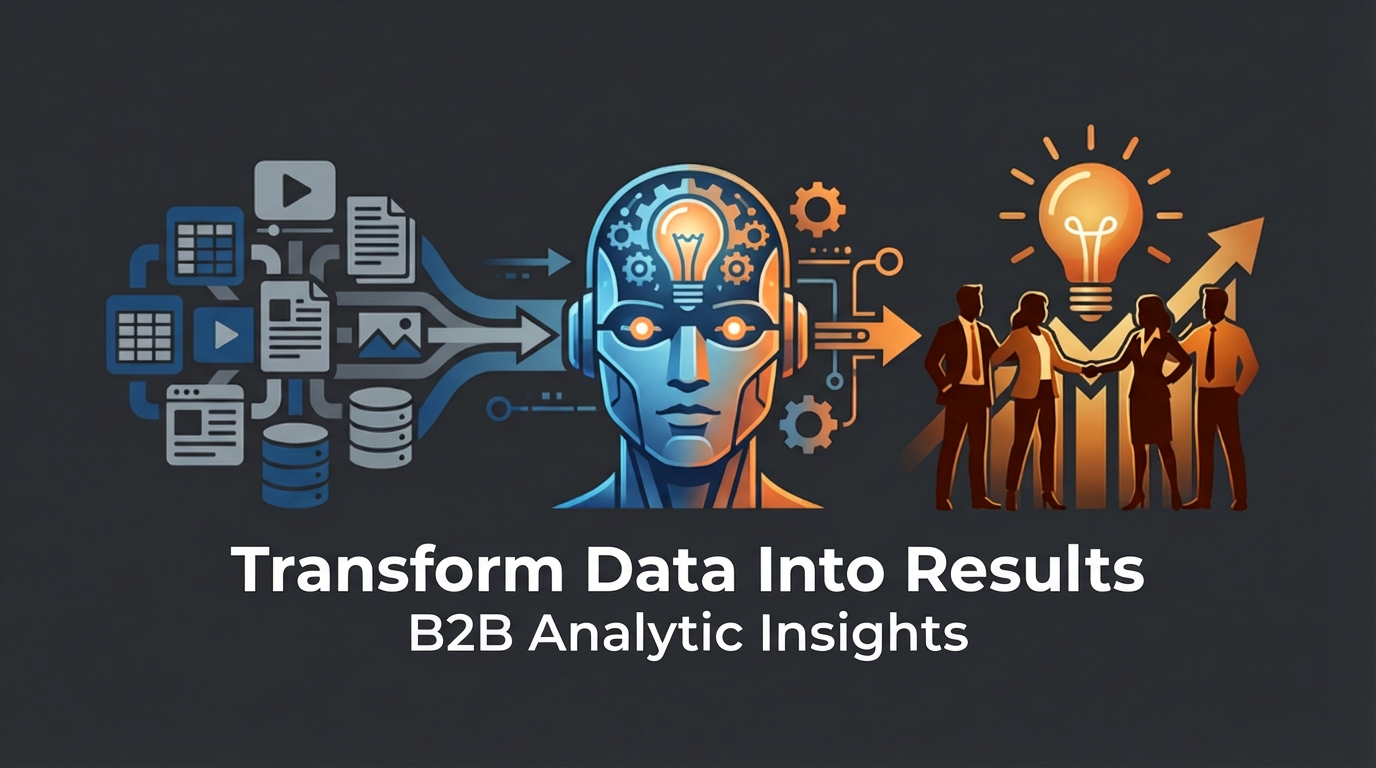

Proactive account notifications and trigger-based monitoring are powerful tools that businesses can utilize to enhance their operations and improve customer satisfaction. Proactive account notifications refer to the practice of sending timely and relevant updates to customers about their accounts, such as transaction alerts, account balance notifications, or personalized recommendations. Trigger-based monitoring, on the other hand, involves setting up automated systems that monitor specific triggers or events and take appropriate actions based on predefined rules.
In today’s fast-paced business landscape, where customer expectations are constantly evolving, proactive account notifications and trigger-based monitoring have become essential for businesses to stay competitive. These tools enable businesses to provide real-time updates and personalized experiences to their customers, leading to increased customer satisfaction and loyalty. Additionally, proactive notifications and trigger-based monitoring can drive revenue growth by enabling businesses to identify upselling or cross-selling opportunities and take immediate action.
Key Takeaways
- Proactive account notifications and trigger-based monitoring can improve business operations and customer retention.
- Account notifications are important for business growth and can provide valuable insights into customer behavior.
- Proactive notifications can help retain customers by addressing issues before they become problems.
- Trigger-based monitoring can improve operations by automating processes and identifying potential issues.
- Data analytics plays a crucial role in trigger-based monitoring by providing insights into customer behavior and business operations.
Understanding the Importance of Account Notifications for Business Growth
Account notifications play a crucial role in driving business growth by enhancing customer satisfaction and loyalty. When customers receive timely updates about their accounts, they feel more informed and in control of their financial or service-related activities. For example, receiving a notification about a low account balance can prompt a customer to take immediate action, such as making a deposit or adjusting their spending habits. This level of transparency and communication builds trust between the business and the customer, leading to increased customer satisfaction.
Moreover, account notifications can also drive revenue growth for businesses. By leveraging data analytics and customer insights, businesses can send targeted notifications that promote relevant products or services. For instance, a retail business can send personalized recommendations based on a customer’s purchase history or browsing behavior. These recommendations not only provide value to the customer but also create opportunities for upselling or cross-selling. By leveraging account notifications strategically, businesses can increase their average order value and overall revenue.
The Benefits of Proactive Account Notifications for Customer Retention
Proactive account notifications have a significant impact on customer retention. By keeping customers informed and engaged, businesses can reduce the likelihood of customer churn. For example, sending notifications about upcoming subscription renewals or expiring warranties can prompt customers to take action and continue their relationship with the business. Additionally, proactive notifications can also help businesses identify and address potential issues before they escalate, further enhancing customer satisfaction and loyalty.
Personalization is a key aspect of proactive account notifications that can greatly improve customer retention. By leveraging customer data and preferences, businesses can send highly targeted and relevant notifications that resonate with individual customers. For instance, a travel agency can send personalized notifications about exclusive deals or promotions based on a customer’s travel history or preferences. This level of personalization not only makes customers feel valued but also increases the likelihood of them engaging with the business and making repeat purchases.
How Trigger-Based Monitoring Can Improve Your Business Operations
Trigger-based monitoring is a powerful tool that businesses can use to improve their operations and streamline processes. By setting up automated systems that monitor specific triggers or events, businesses can ensure timely actions are taken based on predefined rules. For example, a manufacturing company can set up trigger-based monitoring to automatically reorder raw materials when inventory levels reach a certain threshold. This eliminates the need for manual intervention and ensures that production is not disrupted due to stockouts.
The benefits of using trigger-based monitoring for business operations are numerous. Firstly, it improves efficiency by automating repetitive tasks and reducing the risk of human error. By relying on predefined rules and triggers, businesses can ensure that actions are taken consistently and accurately. Secondly, trigger-based monitoring enables businesses to respond quickly to critical events or issues. For example, a cybersecurity firm can set up trigger-based monitoring to detect and respond to potential security breaches in real-time. This proactive approach minimizes the impact of security incidents and protects sensitive data.
The Role of Data Analytics in Trigger-Based Monitoring
Data analytics plays a crucial role in enhancing trigger-based monitoring. By analyzing large volumes of data in real-time, businesses can gain valuable insights and make informed decisions. For example, a retail business can use data analytics to identify patterns and trends in customer behavior, such as purchasing habits or browsing preferences. This information can then be used to set up triggers that automatically send targeted notifications or promotions to customers.
Data analytics also enables businesses to continuously improve their trigger-based monitoring systems. By analyzing the effectiveness of different triggers and actions, businesses can refine their rules and algorithms to achieve better outcomes. For instance, an e-commerce business can analyze the response rates and conversion rates of different promotional triggers to optimize their marketing campaigns. This iterative process of data analysis and refinement allows businesses to stay agile and adapt to changing customer needs and market conditions.
Examples of Trigger-Based Monitoring in Action

Numerous businesses have successfully implemented trigger-based monitoring to improve their operations and achieve better outcomes. One such example is a telecommunications company that uses trigger-based monitoring to detect network outages and automatically notify their technical support team. By setting up triggers that monitor network performance metrics, the company can proactively address issues before customers are affected. This not only improves customer satisfaction but also reduces the number of support tickets and the time required to resolve them.
Another example is a financial institution that uses trigger-based monitoring to detect fraudulent transactions. By analyzing transaction data in real-time, the institution can identify suspicious patterns or anomalies and automatically block or flag these transactions for further investigation. This proactive approach not only protects the institution’s customers from financial losses but also enhances their trust in the institution’s security measures.
The Future of Proactive Account Notifications and Trigger-Based Monitoring
The future of proactive account notifications and trigger-based monitoring is promising, with emerging trends that are set to revolutionize the way businesses operate. One such trend is the integration of artificial intelligence (AI) and machine learning (ML) technologies into these tools. AI and ML can enable businesses to automate more complex tasks and make intelligent predictions based on historical data. For example, an e-commerce business can use AI algorithms to predict customer preferences and automatically send personalized recommendations.
Another emerging trend is the use of chatbots and virtual assistants to deliver proactive notifications and support. Chatbots can provide instant responses to customer queries and deliver personalized notifications based on predefined rules. For instance, a chatbot can send a notification to a customer about an upcoming event or promotion based on their previous interactions. This level of automation and personalization not only improves customer satisfaction but also reduces the workload on customer support teams.
Best Practices for Implementing Proactive Account Notifications
Implementing proactive account notifications effectively requires careful planning and execution. Here are some best practices to consider:
1. Define clear objectives: Clearly define the objectives of your proactive account notifications, such as improving customer satisfaction or driving revenue growth. This will help you align your efforts and measure the success of your initiatives.
2. Leverage customer data: Utilize customer data and insights to personalize your notifications and make them relevant to individual customers. This will increase engagement and improve the effectiveness of your notifications.
3. Use multiple channels: Deliver notifications through multiple channels, such as email, SMS, or push notifications, to ensure that customers receive them in a timely manner. Different customers may prefer different channels, so offering multiple options increases the likelihood of engagement.
4. Test and iterate: Continuously test and iterate your proactive account notifications to optimize their effectiveness. Monitor key metrics, such as open rates or click-through rates, and make adjustments based on the results.
Overcoming Challenges in Trigger-Based Monitoring
Implementing trigger-based monitoring can come with its own set of challenges. Here are some common challenges businesses face and strategies for overcoming them:
1. Data quality and integration: Ensure that your data is accurate, complete, and integrated across different systems. Poor data quality or lack of integration can lead to inaccurate triggers and actions, undermining the effectiveness of your monitoring system.
2. Scalability: Design your trigger-based monitoring system to be scalable and able to handle increasing volumes of data and triggers. This will ensure that your system can keep up with the growth of your business and continue to deliver timely actions.
3. Privacy and security: Implement robust privacy and security measures to protect customer data and ensure compliance with relevant regulations. This is especially important when monitoring sensitive information or triggering actions that involve customer data.
4. Change management: Communicate the benefits of trigger-based monitoring to your employees and provide training and support to help them adapt to the new system. Resistance to change can hinder the successful implementation of trigger-based monitoring.
Leveraging the Power of Proactive Account Notifications and Trigger-Based Monitoring for Business Success
Proactive account notifications and trigger-based monitoring are powerful tools that businesses can leverage to enhance their operations, improve customer satisfaction, and drive revenue growth. By keeping customers informed and engaged, businesses can build trust and loyalty, leading to increased customer retention. Additionally, trigger-based monitoring enables businesses to automate processes, improve efficiency, and respond quickly to critical events or issues.
The future of proactive account notifications and trigger-based monitoring looks promising, with emerging trends such as AI integration and chatbot support. These advancements will further enhance the personalization and automation capabilities of these tools, enabling businesses to deliver even more targeted and relevant notifications.
To implement proactive account notifications effectively, businesses should define clear objectives, leverage customer data, use multiple channels, and continuously test and iterate their initiatives. Similarly, overcoming challenges in trigger-based monitoring requires addressing issues related to data quality, scalability, privacy, security, and change management.
By leveraging the power of proactive account notifications and trigger-based monitoring, businesses can stay ahead of the competition, improve customer satisfaction, and drive business growth. These tools have the potential to revolutionize the way businesses operate and interact with their customers, making them essential for success in today’s business landscape.