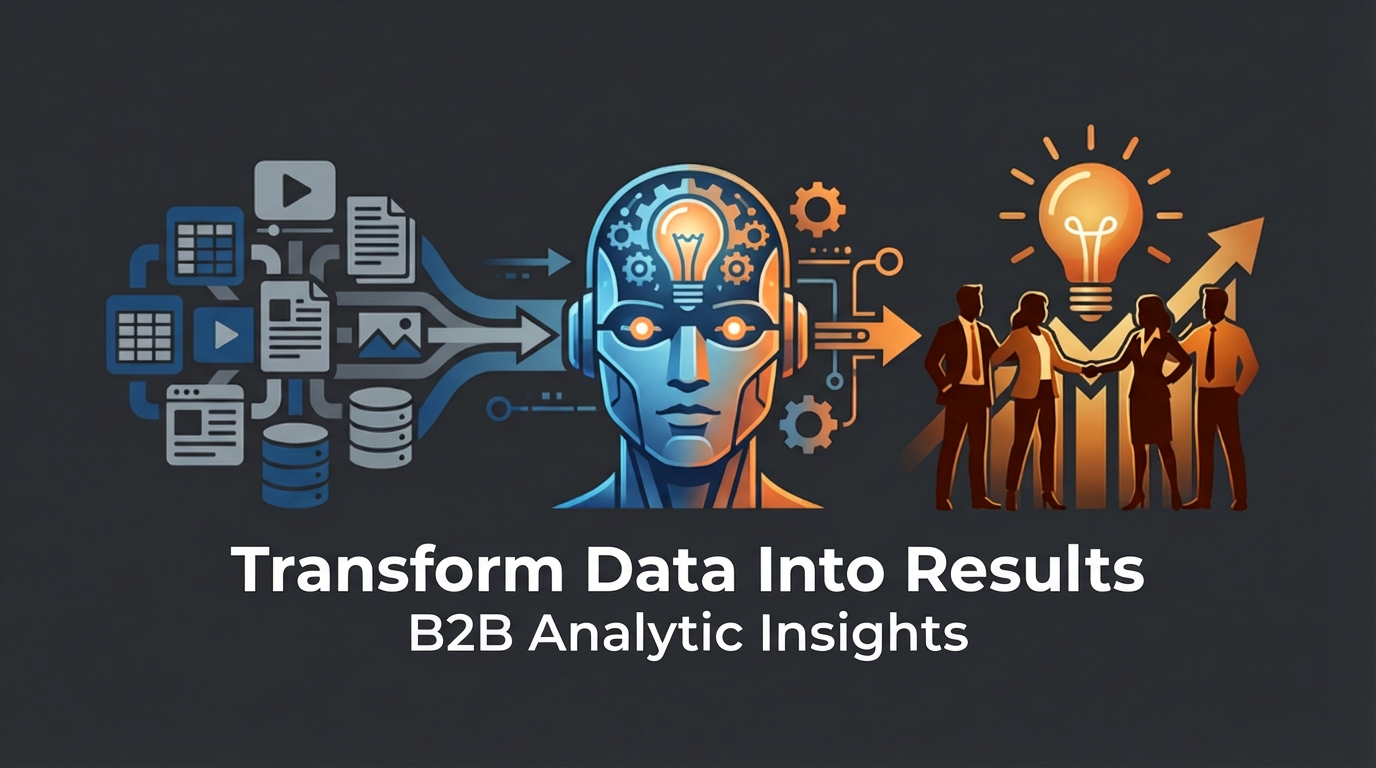

Data-driven decision making has become increasingly important in today’s business landscape. With the abundance of data available, businesses have the opportunity to make informed decisions that can greatly impact their exposure and ultimately their success. Personally, I have experienced the power of data-driven decision making in my own business. By analyzing customer data and market trends, I was able to make a strategic decision that significantly increased my company’s exposure and led to substantial growth.
Key Takeaways
- Data-driven decision making is crucial for business exposure and growth.
- Business exposure and data-driven decisions are closely related and impact each other.
- Data analytics plays a significant role in determining business exposure.
- Leveraging data can enhance business exposure and provide a competitive advantage.
- Data-driven decision making offers numerous benefits for business exposure, including improved efficiency and profitability.
The Relationship between Business Exposure and Data-Driven Decisions
Data-driven decisions have a direct impact on a business’s exposure. By analyzing data, businesses can gain insights into their target audience, market trends, and competitors. This information allows them to make informed decisions about their marketing strategies, product offerings, and overall business approach. For example, a company may use data analysis to identify the most effective marketing channels for reaching their target audience. By focusing their efforts on these channels, they can increase their exposure to potential customers and improve their chances of success.
One company that successfully improved their exposure through data analysis is Netflix. By analyzing user data, Netflix was able to identify patterns in viewing behavior and preferences. This allowed them to create personalized recommendations for each user, which greatly enhanced the user experience and increased customer engagement. As a result, Netflix was able to attract more subscribers and gain a competitive edge in the streaming industry.
The Role of Data Analytics in Determining Business Exposure
Data analytics plays a crucial role in determining a business’s exposure. By analyzing large sets of data, businesses can identify patterns, trends, and correlations that can inform their exposure strategies. For example, a company may use data analytics to identify new markets or customer segments that they have not yet tapped into. This information can help them expand their reach and increase their exposure to potential customers.
One company that used data analytics to identify new markets for exposure is Airbnb. By analyzing user data and booking patterns, Airbnb was able to identify untapped markets and target them with tailored marketing campaigns. This allowed them to increase their exposure in these markets and attract more hosts and guests. As a result, Airbnb was able to expand its global presence and become a dominant player in the hospitality industry.
Leveraging Data to Enhance Business Exposure and Growth
Data can be leveraged to enhance a business’s exposure and drive growth. By analyzing customer data, businesses can gain insights into their target audience’s preferences, behaviors, and needs. This information can then be used to develop targeted marketing campaigns, improve product offerings, and enhance the overall customer experience. By leveraging data in these ways, businesses can increase their exposure and attract more customers, ultimately leading to growth.
One company that successfully leveraged data to improve their marketing strategy and increase exposure is Amazon. By analyzing customer data, Amazon was able to personalize product recommendations and tailor marketing messages to individual customers. This greatly enhanced the customer experience and increased customer engagement. As a result, Amazon was able to increase its exposure and become one of the largest e-commerce companies in the world.
The Benefits of Data-Driven Decision Making for Business Exposure
There are several benefits of using data-driven decision making for business exposure. Firstly, data-driven decisions are based on objective information rather than subjective opinions or assumptions. This reduces the risk of making poor decisions that could negatively impact a business’s exposure. Secondly, data-driven decisions are more likely to be accurate and effective because they are based on real-time data and insights. This allows businesses to make informed decisions that are aligned with current market trends and customer preferences.
One company that saw significant growth after implementing a data-driven strategy is Spotify. By analyzing user data and listening patterns, Spotify was able to create personalized playlists and recommendations for each user. This greatly enhanced the user experience and increased customer engagement. As a result, Spotify was able to attract more users and gain a competitive advantage in the music streaming industry.
The Impact of Data on Business Exposure and Competitive Advantage
Data can have a significant impact on a business’s exposure and competitive advantage. By analyzing data, businesses can gain insights into their competitors’ strategies, market trends, and customer preferences. This information allows them to make informed decisions that can give them a competitive edge and increase their exposure. For example, a company may use data analysis to identify gaps in the market that their competitors have not yet tapped into. By filling these gaps, they can attract more customers and gain a competitive advantage.
One company that gained a competitive advantage through data analysis is Google. By analyzing search data and user behavior, Google was able to improve its search algorithm and provide more relevant search results to users. This greatly enhanced the user experience and increased customer satisfaction. As a result, Google became the dominant search engine and gained a significant competitive advantage over its competitors.
Developing a Data-Driven Strategy for Maximizing Business Exposure
Developing a data-driven strategy for maximizing business exposure involves several steps. Firstly, businesses need to identify the key metrics and data sources that are relevant to their exposure goals. This may include customer data, market research, competitor analysis, and industry trends. Secondly, businesses need to invest in the necessary tools and technologies to collect, analyze, and interpret the data. This may involve implementing data analytics software, hiring data analysts, or partnering with external data providers.
One company that successfully implemented a data-driven strategy for exposure is Coca-Cola. By analyzing customer data and market trends, Coca-Cola was able to identify new opportunities for growth and develop targeted marketing campaigns. This allowed them to increase their exposure to new markets and attract more customers. As a result, Coca-Cola was able to maintain its position as one of the world’s leading beverage companies.
The Risks and Challenges of Relying on Data for Business Exposure
While data-driven decision making can be highly beneficial, there are also risks and challenges associated with relying solely on data for business exposure. Firstly, data can be incomplete or inaccurate, leading to flawed insights and decisions. Secondly, data analysis can be time-consuming and resource-intensive, requiring businesses to invest in the necessary tools and expertise. Lastly, there is a risk of over-reliance on data, which can lead to a lack of creativity and innovation in decision making.
One company that faced challenges due to over-reliance on data is Blockbuster. Despite having access to customer data and market trends, Blockbuster failed to adapt to the changing landscape of the movie rental industry. They relied too heavily on their existing business model and did not invest in new technologies or strategies. As a result, Blockbuster lost market share to competitors like Netflix, who used data analysis to identify new opportunities and disrupt the industry.
Integrating Data-Driven Insights into Business Exposure Planning
Integrating data-driven insights into business exposure planning involves several steps. Firstly, businesses need to establish clear goals and objectives for their exposure strategy. This will help them determine the key metrics and data sources that are relevant to their goals. Secondly, businesses need to collect and analyze the necessary data to gain insights into their target audience, market trends, and competitors. This may involve conducting surveys, analyzing customer data, or monitoring social media channels.
One company that successfully integrated data into their exposure planning process is Nike. By analyzing customer data and market trends, Nike was able to identify new opportunities for growth and develop targeted marketing campaigns. This allowed them to increase their exposure to new markets and attract more customers. As a result, Nike was able to maintain its position as one of the world’s leading sportswear companies.
The Future of Business Exposure and Data-Driven Decision Making
The future of business exposure is closely tied to data-driven decision making. As technology continues to advance, businesses will have access to even more data and analytics tools. This will allow them to make more informed decisions and gain deeper insights into their target audience, market trends, and competitors. Additionally, the rise of artificial intelligence and machine learning will enable businesses to automate data analysis and generate real-time insights.
Personally, I believe that data will play an even more significant role in the future of business exposure. As technology continues to advance, businesses will have access to more sophisticated data analytics tools and techniques. This will allow them to gain deeper insights into their target audience, market trends, and competitors. By leveraging these insights, businesses will be able to make more informed decisions and increase their exposure in a highly competitive marketplace.
In conclusion, data-driven decision making is crucial for business exposure in today’s competitive landscape. By analyzing data, businesses can gain insights into their target audience, market trends, and competitors. This information allows them to make informed decisions that can greatly impact their exposure and ultimately their success. Whether it’s identifying new markets, improving marketing strategies, or enhancing the customer experience, data-driven decision making is a powerful tool for maximizing business exposure.