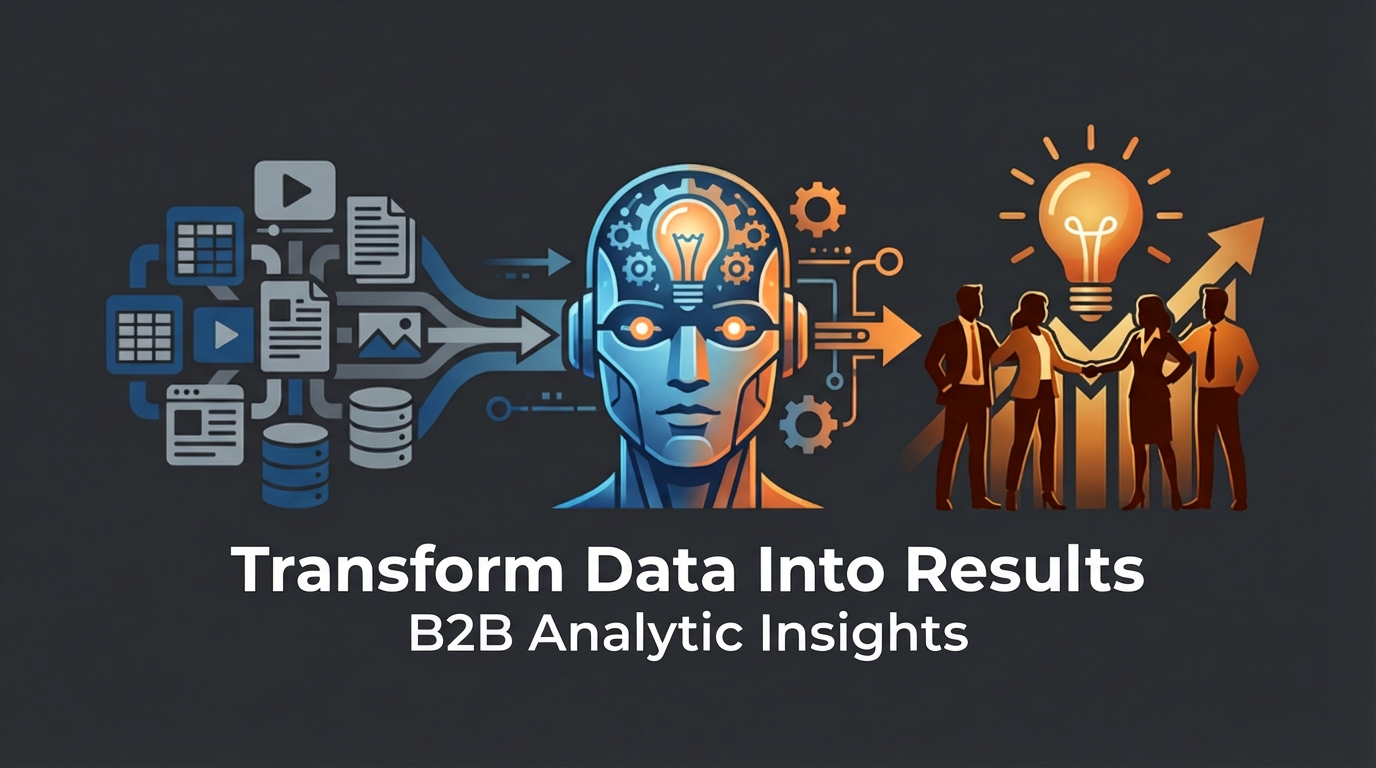

In the world of analytics, portfolios play a crucial role in decision making. A portfolio in analytics refers to a collection of data, models, and algorithms that are used to analyze and make informed decisions. It is a powerful tool that allows organizations to gain insights, identify patterns, and predict outcomes based on data-driven analysis.
The importance of portfolios in decision making cannot be overstated. With the increasing availability of data and the complexity of business environments, organizations need a systematic approach to analyze and interpret information. Portfolios provide a structured framework for organizing and analyzing data, enabling decision makers to make informed choices based on evidence rather than intuition.
In this blog post, we will explore the power of portfolios in analytics and how they can be leveraged to create personalized analytics. We will discuss how portfolios help in creating customized analytics, analyzing individual performance, predictive analytics, big data analysis, real-time analytics, and machine learning. We will also look at the future of analytics and the advancements in portfolio-based solutions.
Key Takeaways
- Portfolios are a powerful tool in analytics that can help create customized solutions for better decision making.
- By using portfolios, individuals can analyze their own performance and make data-driven decisions to improve.
- Portfolios also play a key role in predictive analytics, allowing for more accurate forecasting and planning.
- Leveraging portfolios for big data analysis and real-time analytics can provide significant benefits for businesses.
- The combination of portfolios and machine learning is a perfect match for personalized analytics, and the future of analytics is likely to see continued advancements in portfolio-based solutions.
Personalized Analytics: The Key to Better Decision Making
Personalized analytics refers to the use of data and analytics techniques to tailor insights and recommendations to individual users or customers. It involves analyzing individual preferences, behaviors, and characteristics to provide customized recommendations or solutions. Personalized analytics is becoming increasingly important in decision making as organizations strive to meet the unique needs and preferences of their customers.
The importance of personalized analytics in decision making cannot be underestimated. By understanding individual preferences and behaviors, organizations can deliver targeted marketing campaigns, personalized product recommendations, and customized services. This not only enhances customer satisfaction but also improves business outcomes by increasing customer loyalty and driving revenue growth.
Examples of personalized analytics can be found in various industries. In e-commerce, companies like Amazon use personalized recommendations based on customers’ browsing history and purchase behavior to suggest products that are likely to be of interest to them. In healthcare, personalized analytics can be used to predict patient outcomes and recommend personalized treatment plans based on individual characteristics and medical history. In finance, personalized analytics can help financial advisors provide tailored investment advice based on individual risk tolerance and financial goals.
How Portfolios Help Create Customized Analytics
Customized analytics refers to the use of portfolios to create tailored insights and recommendations for specific business needs or objectives. It involves selecting and combining different data sources, models, and algorithms to create a customized analytics solution that addresses specific requirements.
Portfolios play a crucial role in creating customized analytics by providing a framework for organizing and managing different data sources, models, and algorithms. They allow organizations to select the most relevant and effective components for their specific needs and objectives. By combining different components in a portfolio, organizations can create a customized analytics solution that is tailored to their unique requirements.
For example, a retail company may create a portfolio of customer data, sales data, and market data to analyze customer behavior and preferences. By combining these different data sources in a portfolio, the company can gain insights into customer segmentation, purchase patterns, and market trends. This information can then be used to develop targeted marketing campaigns and personalized product recommendations.
Using Portfolios to Analyze Individual Performance
Analyzing individual performance is an important aspect of decision making in many organizations. It involves evaluating the performance of individuals based on key performance indicators (KPIs) and identifying areas for improvement or development.
Portfolios can be used to analyze individual performance by providing a comprehensive view of an individual’s performance across different dimensions. By collecting and analyzing data on individual performance, organizations can identify patterns, trends, and areas for improvement.
For example, a sales organization may create a portfolio of sales data, customer feedback, and performance metrics to analyze the performance of individual sales representatives. By analyzing this data in a portfolio, the organization can identify top performers, assess the effectiveness of sales strategies, and identify areas for improvement or training.
The Role of Portfolios in Predictive Analytics
Predictive analytics refers to the use of data, statistical algorithms, and machine learning techniques to predict future outcomes based on historical data. It involves analyzing patterns and trends in data to make predictions about future events or behaviors.
Portfolios play a crucial role in predictive analytics by providing a framework for organizing and managing different data sources, models, and algorithms. They allow organizations to select and combine the most relevant and effective components for their predictive analytics needs.
For example, a marketing organization may create a portfolio of customer data, market data, and predictive models to predict customer churn. By combining these different components in a portfolio, the organization can analyze customer behavior, identify patterns that indicate potential churn, and develop targeted retention strategies.
Leveraging Portfolios for Big Data Analysis

Big data analysis refers to the process of analyzing large and complex datasets to uncover patterns, trends, and insights. It involves using advanced analytics techniques and technologies to extract value from massive amounts of data.
Portfolios play a crucial role in big data analysis by providing a framework for organizing and managing different data sources, models, and algorithms. They allow organizations to select and combine the most relevant and effective components for their big data analysis needs.
For example, a telecommunications company may create a portfolio of customer call records, network logs, and social media data to analyze customer sentiment. By combining these different data sources in a portfolio, the company can gain insights into customer satisfaction, identify potential issues or opportunities, and develop targeted strategies to improve customer experience.
The Benefits of Using Portfolios for Real-time Analytics
Real-time analytics refers to the use of data and analytics techniques to analyze and make decisions in real-time or near real-time. It involves processing and analyzing data as it is generated or received to enable immediate action or response.
Portfolios play a crucial role in real-time analytics by providing a framework for organizing and managing different data sources, models, and algorithms. They allow organizations to select and combine the most relevant and effective components for their real-time analytics needs.
For example, a transportation company may create a portfolio of vehicle sensor data, traffic data, and predictive models to analyze traffic patterns and optimize route planning in real-time. By combining these different components in a portfolio, the company can make real-time decisions on route optimization, driver allocation, and customer notifications.
Portfolios and Machine Learning: A Perfect Match for Personalized Analytics
Machine learning refers to the use of algorithms and statistical models to enable computers to learn from data and make predictions or decisions without being explicitly programmed. It involves training models on historical data and using them to make predictions or decisions on new data.
Portfolios and machine learning work together seamlessly to enable personalized analytics. Portfolios provide a framework for organizing and managing different data sources, models, and algorithms, while machine learning algorithms enable the analysis of data and the generation of insights or recommendations.
For example, an online streaming service may create a portfolio of user data, content metadata, and recommendation algorithms to provide personalized content recommendations. By combining these different components in a portfolio, the service can analyze user preferences, identify patterns in content consumption, and generate personalized recommendations based on machine learning algorithms.
The Future of Analytics: Advancements in Portfolio-based Solutions
The future of analytics holds great promise with advancements in portfolio-based solutions. As organizations continue to generate massive amounts of data and face increasing complexity in their business environments, portfolio-based solutions will become even more important in decision making.
Advancements in portfolio-based solutions include the integration of artificial intelligence (AI) and automation technologies. AI can be used to automate the process of creating portfolios by selecting and combining the most relevant components based on predefined criteria or objectives. This can significantly reduce the time and effort required to create customized analytics solutions.
Another advancement is the use of cloud-based platforms for portfolio management. Cloud-based platforms provide a scalable and flexible infrastructure for managing portfolios, enabling organizations to easily access and analyze data from multiple sources. This allows for more efficient and effective decision making based on real-time or near real-time insights.
Harnessing the Power of Portfolios for Personalized Analytics
In conclusion, portfolios play a crucial role in analytics and decision making. They provide a structured framework for organizing and analyzing data, models, and algorithms, enabling organizations to make informed choices based on evidence rather than intuition.
Personalized analytics, customized analytics, individual performance analysis, predictive analytics, big data analysis, real-time analytics, and machine learning are all areas where portfolios can be leveraged to create tailored insights and recommendations.
The future of analytics holds great promise with advancements in portfolio-based solutions. As organizations continue to generate massive amounts of data and face increasing complexity in their business environments, portfolio-based solutions will become even more important in decision making.
By harnessing the power of portfolios, organizations can unlock the full potential of their data and gain a competitive edge in today’s data-driven world.