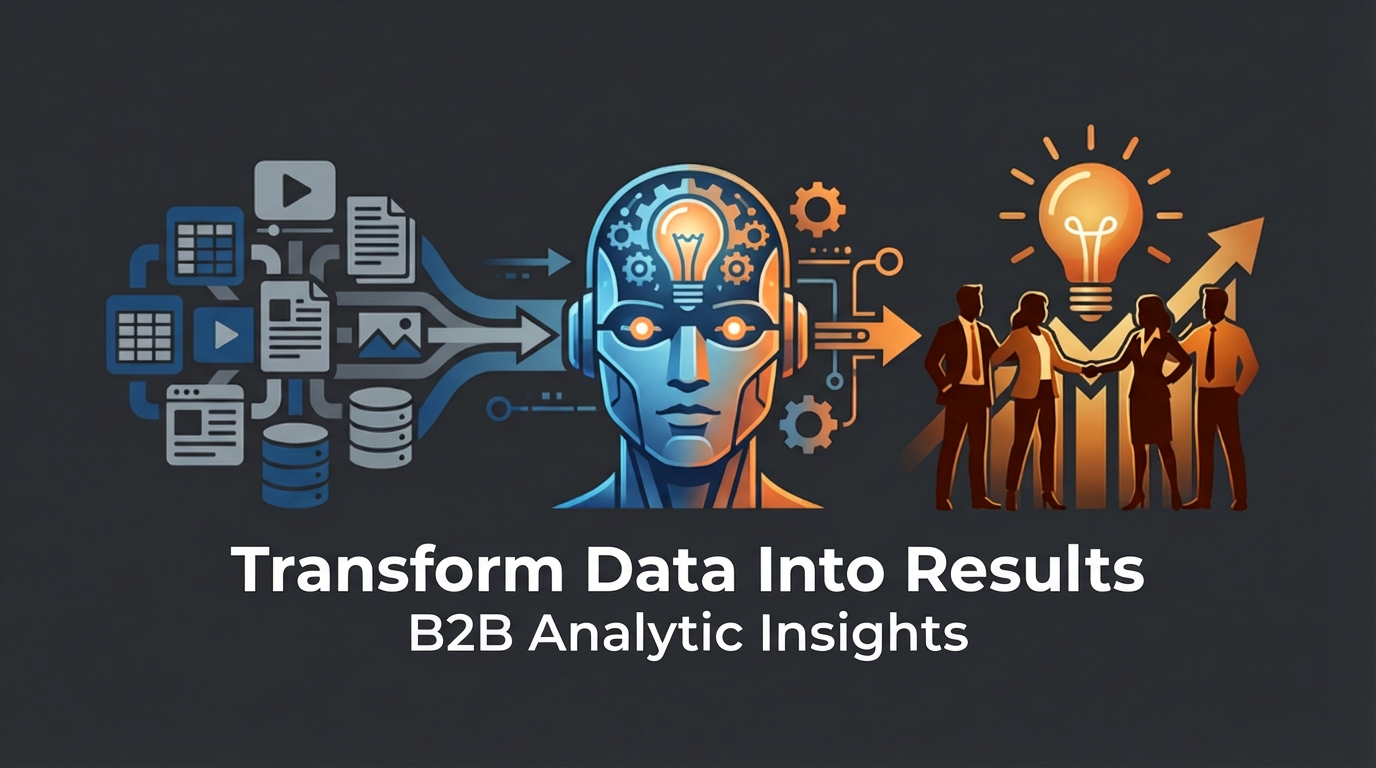

In today’s data-driven world, organizations have access to more information than ever before. The value of this data lies in its ability to inform decision-making and drive business success. However, data alone is not enough; it must be turned into action to create real value. This article will explore the process of turning knowledge into action, from understanding data to identifying key insights, and from data visualization to creating a data-driven culture. By understanding how to collect, analyze, and use data effectively, organizations can gain a competitive advantage and drive success.
Key Takeaways
- Turning knowledge into action is crucial for success in any industry.
- Understanding data is the foundation for creating value and making informed decisions.
- Identifying key insights from data is essential for extracting value and gaining a competitive edge.
- Data visualization is a powerful tool for communicating insights effectively and driving action.
- Creating a data-driven culture is key to encouraging action and accountability and achieving business goals.
Understanding Data: The Foundation for Creating Value
Data is the raw material that can be transformed into insights and actions. It comes in many forms, from structured data that is organized and easily analyzed, to unstructured data that requires more advanced techniques for analysis. Understanding the different types of data and how to collect and analyze it is crucial for creating value.
Structured data is typically stored in databases and can be easily organized and analyzed using traditional methods. This includes data such as sales figures, customer demographics, and website traffic. Unstructured data, on the other hand, is more difficult to analyze as it does not have a predefined structure. This includes data such as social media posts, customer reviews, and sensor data. Advanced techniques such as natural language processing and machine learning are often used to analyze unstructured data.
Identifying Key Insights: Extracting Value from Your Data
Once data is collected and analyzed, the next step is to identify key insights. This involves looking for patterns, trends, and outliers that can inform decision-making. For example, analyzing sales data may reveal that certain products are more popular during certain times of the year or in specific regions. This insight can then be used to inform marketing and sales strategies.
Data visualization is a powerful tool for communicating insights in a clear and compelling way. By presenting data in a visual format, stakeholders can quickly and easily understand complex information. This can help drive decision-making and ensure that actions are based on accurate and relevant information.
Data Visualization: Communicating Insights Effectively
Data visualization is a powerful tool for communicating insights in a clear and compelling way. It can help stakeholders understand complex data and make informed decisions. There are many different types of data visualization techniques, from charts and graphs to maps and infographics.
When creating data visualizations, it’s important to consider the audience and the purpose of the visualization. Different types of visualizations are better suited for different types of data and different audiences. For example, a line chart may be used to show trends over time, while a scatter plot may be used to show the relationship between two variables.
In addition to choosing the right type of visualization, it’s also important to consider the design and aesthetics of the visualization. A well-designed visualization should be visually appealing, easy to understand, and focused on the key insights. It should also be interactive, allowing users to explore the data and uncover additional insights.
Creating a Data-Driven Culture: Encouraging Action and Accountability
To turn data into action, organizations must create a culture that values data-driven decision-making. This involves setting clear goals, establishing accountability, and encouraging experimentation. It also requires buy-in from all levels of the organization, from top management to front-line employees.
Setting clear goals is essential for driving action. By defining what success looks like and setting targets, organizations can ensure that actions are aligned with business objectives. This also helps establish accountability, as individuals and teams can be held responsible for achieving their goals.
Encouraging experimentation is another important aspect of creating a data-driven culture. By allowing employees to test new ideas and take calculated risks, organizations can foster innovation and drive continuous improvement. This requires creating a safe environment where failure is seen as a learning opportunity and not a reason for punishment.
Leveraging Technology: Tools and Techniques for Data Analysis

Technology plays a crucial role in turning data into action. It can help organizations collect, analyze, and visualize data more efficiently and effectively. There are a variety of tools and techniques available, from machine learning to data mining.
Machine learning is a branch of artificial intelligence that uses algorithms to analyze data and make predictions or decisions. It can be used to automate tasks, identify patterns in data, and make recommendations. For example, machine learning algorithms can be used to predict customer churn or optimize pricing strategies.
Data mining is another technique that can be used to extract insights from large datasets. It involves discovering patterns, relationships, and anomalies in the data. This can help organizations identify new opportunities, improve processes, and mitigate risks.
Building a Data Strategy: Aligning Data with Business Goals
To ensure that data is used effectively, organizations must develop a data strategy that aligns with their business goals. This involves identifying key metrics, setting targets, and establishing processes for data collection and analysis.
Key metrics are the measures that are most important for achieving business objectives. For example, if the goal is to increase customer satisfaction, key metrics may include customer satisfaction scores, customer retention rates, and net promoter scores. By tracking these metrics over time, organizations can evaluate the impact of their actions and make data-driven decisions.
Setting targets is another important aspect of a data strategy. By defining what success looks like and setting specific targets, organizations can ensure that actions are aligned with business objectives. This also helps establish accountability, as individuals and teams can be held responsible for achieving their targets.
Establishing processes for data collection and analysis is also crucial for turning data into action. This includes defining how data will be collected, who will be responsible for collecting it, and how it will be analyzed. It also involves ensuring that the data is accurate, reliable, and up-to-date.
Measuring Success: Metrics for Evaluating the Impact of Data
To evaluate the impact of data-driven decision-making, organizations must establish metrics for success. This involves tracking key performance indicators and using them to make data-driven decisions. Key performance indicators are the measures that are most important for achieving business objectives.
For example, if the goal is to increase sales, key performance indicators may include revenue, average order value, and conversion rate. By tracking these metrics over time, organizations can evaluate the impact of their actions and make data-driven decisions.
It’s important to regularly review and update key performance indicators to ensure that they are still relevant and aligned with business objectives. This may involve adding new metrics, removing outdated metrics, or adjusting targets based on changing market conditions.
Overcoming Challenges: Common Obstacles to Turning Data into Action
There are a number of challenges that can prevent organizations from turning data into action. These include data quality issues, resistance to change, and lack of skills or resources.
Data quality issues can arise when the data is inaccurate, incomplete, or outdated. This can lead to incorrect insights and decisions. To overcome this challenge, organizations must ensure that the data is accurate, reliable, and up-to-date. This may involve implementing data governance processes, investing in data quality tools, or training employees on data management best practices.
Resistance to change is another common obstacle to turning data into action. People are often resistant to change and may be reluctant to adopt new processes or technologies. To overcome this challenge, organizations must communicate the benefits of data-driven decision-making and provide training and support to employees.
Lack of skills or resources is another common challenge. Turning data into action requires a combination of technical skills, analytical skills, and domain knowledge. It also requires access to the right tools and technologies. To overcome this challenge, organizations may need to invest in training, hire new talent, or partner with external experts.
The Future of Data-Driven Decision Making
Data-driven decision-making is becoming increasingly important in today’s business environment. By understanding how to collect, analyze, and use data effectively, organizations can gain a competitive advantage and drive success. However, turning data into action requires more than just technology and tools. It requires a culture that values data-driven decision-making, clear goals and targets, and processes for data collection and analysis. By overcoming the challenges and embracing the opportunities of data-driven decision-making, organizations can unlock the full potential of their data and drive business success.