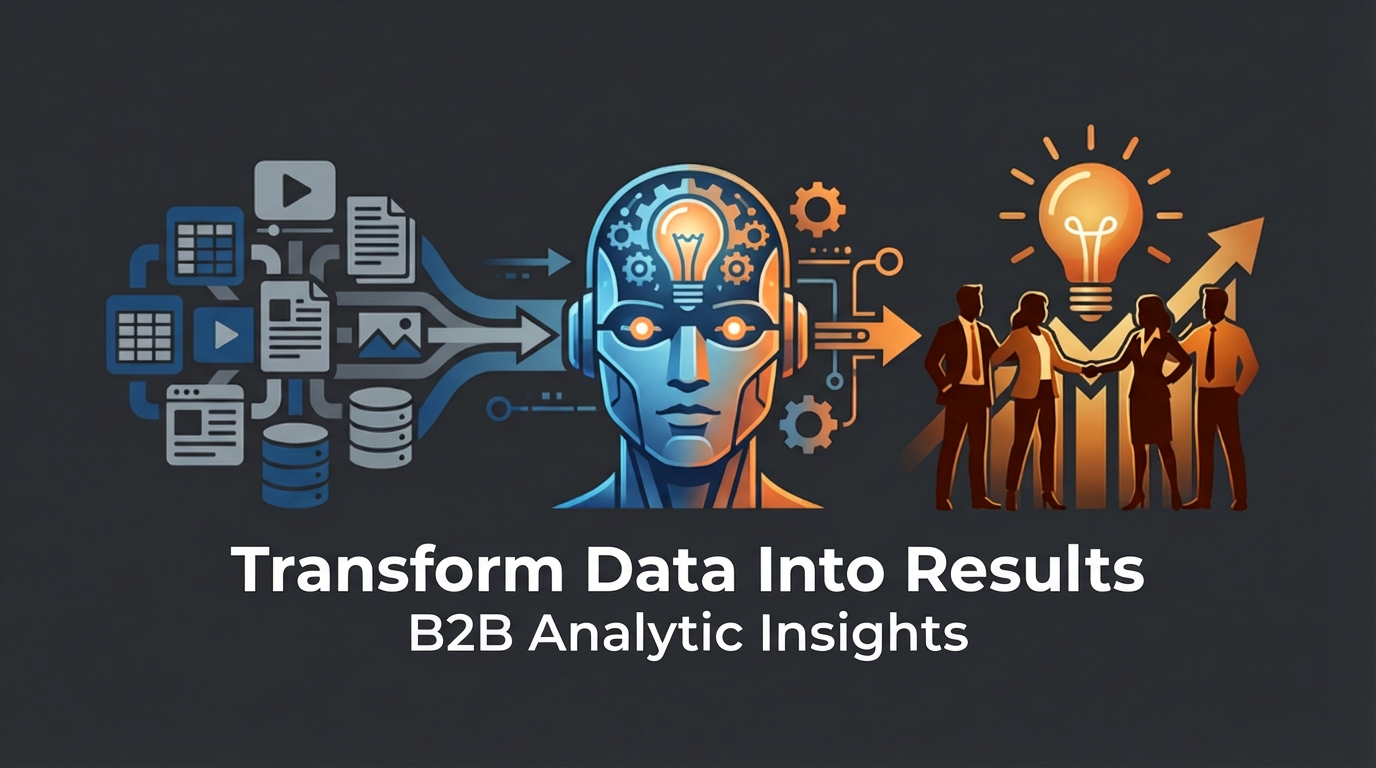

Relationship Analytics is the practice of using data and analytics to understand and improve relationships with customers, suppliers, employees, and other stakeholders. It involves collecting and analyzing data to gain insights into the interactions and behaviors of these relationships, with the goal of enhancing business success.
In today’s highly competitive business landscape, building and maintaining strong relationships is crucial for long-term success. Relationship Analytics provides businesses with the tools and insights they need to understand their customers, suppliers, and employees on a deeper level, enabling them to make more informed decisions and drive better outcomes.
One company that experienced the benefits of Relationship Analytics is a leading telecommunications provider. They were struggling with customer retention rates and were losing customers to competitors. By implementing Relationship Analytics, they were able to analyze customer data and identify key factors that were contributing to customer churn. With this information, they were able to develop targeted strategies to improve customer satisfaction and loyalty. As a result, their customer retention rate increased significantly, leading to improved business performance.
The Role of Data in Relationship Analytics and How to Collect and Analyze it
Data plays a crucial role in Relationship Analytics as it provides the foundation for understanding and improving relationships. By collecting and analyzing data, businesses can gain valuable insights into customer preferences, behaviors, and needs. This information can then be used to tailor products, services, and experiences to meet those needs more effectively.
There are various methods for collecting data in Relationship Analytics. One common method is through customer surveys or feedback forms. These can provide valuable insights into customer satisfaction levels, preferences, and pain points. Another method is through analyzing customer interactions and behaviors on digital platforms such as websites or social media. This can provide insights into how customers are engaging with a company’s brand and products.
An example of a company that used data to identify their most profitable customers is a leading e-commerce retailer. By analyzing customer purchase history and spending patterns, they were able to identify a segment of customers who were consistently making high-value purchases. With this information, they were able to develop targeted marketing campaigns and personalized offers to this segment, resulting in increased sales and revenue.
Understanding the Customer Journey and Optimizing it with Relationship Analytics
Understanding the customer journey is essential for businesses to effectively engage and retain customers. The customer journey refers to the process that a customer goes through from the initial awareness of a product or service to the final purchase and beyond. Relationship Analytics can help businesses gain a deeper understanding of this journey and identify areas for improvement.
Relationship Analytics can optimize the customer journey by providing insights into customer touchpoints, preferences, and pain points. By analyzing data on customer interactions and behaviors at each stage of the journey, businesses can identify areas where customers may be experiencing friction or dissatisfaction. This information can then be used to make targeted improvements to enhance the overall customer experience.
A company that improved their customer experience with Relationship Analytics is a leading hotel chain. By analyzing data on customer interactions and feedback at various touchpoints, such as booking, check-in, and room service, they were able to identify pain points and areas for improvement. They then implemented changes such as streamlining the booking process and enhancing staff training, resulting in improved customer satisfaction scores and increased repeat bookings.
Leveraging Relationship Analytics for Improved Sales and Marketing Strategies
| Metrics | Description |
|---|---|
| Conversion Rate | The percentage of leads that convert into paying customers. |
| Customer Lifetime Value | The total amount of revenue a customer is expected to generate over their lifetime. |
| Churn Rate | The percentage of customers who stop using a product or service over a given period of time. |
| Customer Satisfaction Score | A measure of how satisfied customers are with a product or service. |
| Net Promoter Score | A measure of customer loyalty and satisfaction based on the likelihood of customers to recommend a product or service to others. |
| Lead Response Time | The amount of time it takes for a sales representative to respond to a lead. |
| Lead Quality | A measure of how likely a lead is to convert into a paying customer. |
| Customer Acquisition Cost | The total cost of acquiring a new customer, including marketing and sales expenses. |
Sales and marketing strategies are crucial for driving business growth and success. Relationship Analytics can play a significant role in improving these strategies by providing insights into customer preferences, behaviors, and needs.
By analyzing data on customer interactions, purchases, and preferences, businesses can gain a deeper understanding of their target audience. This information can then be used to develop more targeted marketing campaigns that resonate with customers on a personal level. Additionally, Relationship Analytics can help identify cross-selling or upselling opportunities by analyzing customer purchase patterns.
A company that increased their sales with Relationship Analytics is a leading consumer goods manufacturer. By analyzing data on customer purchase history and preferences, they were able to identify patterns and trends that indicated potential cross-selling opportunities. They then developed targeted marketing campaigns and personalized offers to promote these additional products to existing customers. As a result, their sales increased significantly, leading to improved business performance.
Strengthening Business Relationships with Relationship Analytics
Strong business relationships are essential for long-term success. Relationship Analytics can help businesses strengthen these relationships by providing insights into the needs, preferences, and behaviors of suppliers, partners, and other stakeholders.
By analyzing data on supplier interactions, performance, and satisfaction levels, businesses can gain a deeper understanding of their suppliers’ strengths and weaknesses. This information can then be used to develop strategies to improve supplier relationships, such as providing feedback or implementing performance improvement initiatives.
A company that improved their supplier relationships with Relationship Analytics is a leading manufacturing company. By analyzing data on supplier performance and satisfaction levels, they were able to identify areas where suppliers were underperforming or not meeting expectations. They then implemented initiatives such as regular performance reviews and feedback sessions to address these issues. As a result, their supplier relationships improved, leading to better product quality and reduced costs.
The Importance of Employee Relationships and How Relationship Analytics can Help

Employee relationships are crucial for a positive work environment and high employee satisfaction levels. Relationship Analytics can play a significant role in improving these relationships by providing insights into employee engagement levels, satisfaction levels, and areas for improvement.
By analyzing data on employee interactions, feedback, and performance metrics, businesses can gain valuable insights into the factors that contribute to employee satisfaction and engagement. This information can then be used to develop strategies to improve employee relationships, such as implementing training programs or recognition initiatives.
A company that improved their employee retention rate with Relationship Analytics is a leading technology company. By analyzing data on employee engagement levels and feedback, they were able to identify areas where employees were experiencing dissatisfaction or disengagement. They then implemented initiatives such as flexible work arrangements and career development programs to address these issues. As a result, their employee retention rate increased, leading to improved productivity and reduced recruitment costs.
Using Relationship Analytics to Identify and Mitigate Risks in Business Relationships
Identifying and mitigating risks in business relationships is crucial for avoiding potential disasters and ensuring long-term success. Relationship Analytics can play a significant role in this process by providing insights into the behaviors, interactions, and performance of business partners, suppliers, and other stakeholders.
By analyzing data on business partner interactions, performance metrics, and satisfaction levels, businesses can gain valuable insights into the risks associated with these relationships. This information can then be used to develop strategies to mitigate these risks, such as implementing contingency plans or diversifying supplier networks.
A company that avoided a potential business partnership disaster with Relationship Analytics is a leading financial services firm. By analyzing data on a potential business partner’s financial performance, customer satisfaction levels, and industry reputation, they were able to identify red flags that indicated potential risks. Based on this information, they decided not to proceed with the partnership, avoiding a potentially costly and damaging business relationship.
Measuring the Impact of Relationship Analytics on Business Performance
Measuring the impact of Relationship Analytics is crucial for understanding its effectiveness and making informed decisions. There are various methods for measuring this impact, including tracking key performance indicators (KPIs), conducting customer satisfaction surveys, and analyzing financial metrics.
By tracking KPIs such as customer retention rates, customer satisfaction scores, or sales revenue, businesses can assess the impact of Relationship Analytics on their overall performance. Additionally, conducting customer satisfaction surveys can provide valuable insights into the effectiveness of Relationship Analytics in improving customer relationships.
A company that saw significant business growth after implementing Relationship Analytics is a leading software company. By tracking KPIs such as customer retention rates and sales revenue, they were able to measure the impact of Relationship Analytics on their business performance. They found that their customer retention rates increased by 20% and their sales revenue grew by 15% within the first year of implementing Relationship Analytics.
Best Practices for Implementing Relationship Analytics in Your Business
Implementing Relationship Analytics correctly is crucial for maximizing its benefits and ensuring long-term success. There are several best practices that businesses can follow to effectively implement Relationship Analytics:
1. Define clear objectives: Before implementing Relationship Analytics, businesses should define clear objectives and goals. This will help guide the data collection and analysis process and ensure that the insights gained are aligned with the desired outcomes.
2. Collect relevant data: It is important to collect relevant and accurate data for Relationship Analytics. Businesses should identify the key data points that are most relevant to their objectives and ensure that the data is collected consistently and accurately.
3. Use advanced analytics tools: To effectively analyze the collected data, businesses should invest in advanced analytics tools and technologies. These tools can help uncover patterns, trends, and insights that may not be apparent through manual analysis.
4. Involve stakeholders: It is important to involve stakeholders from different departments and levels of the organization in the implementation of Relationship Analytics. This will help ensure buy-in and collaboration, leading to more effective decision-making and implementation.
5. Continuously monitor and adapt: Relationship Analytics is an ongoing process that requires continuous monitoring and adaptation. Businesses should regularly review and analyze the data to identify areas for improvement and make necessary adjustments to their strategies.
A company that struggled with implementing Relationship Analytics but eventually succeeded is a leading retail chain. Initially, they faced challenges in collecting relevant data and analyzing it effectively. However, by following best practices such as defining clear objectives, investing in advanced analytics tools, and involving stakeholders from different departments, they were able to overcome these challenges and successfully implement Relationship Analytics. As a result, they saw improvements in customer satisfaction, sales revenue, and overall business performance.
The Future of Relationship Analytics and its Potential for Business Growth
The future of Relationship Analytics is promising, with the potential to drive significant business growth. As technology continues to advance, businesses will have access to more sophisticated analytics tools and technologies, enabling them to gain even deeper insights into their relationships.
Cutting-edge Relationship Analytics technology is already being used by leading companies to drive business growth. For example, a leading e-commerce retailer is using artificial intelligence and machine learning algorithms to analyze customer data in real-time. This allows them to personalize the customer experience and make targeted product recommendations, resulting in increased sales and customer satisfaction.
In addition to advanced analytics tools, the future of Relationship Analytics will also involve the integration of data from various sources, such as social media platforms, IoT devices, and customer service interactions. This will provide businesses with a more comprehensive view of their relationships and enable them to make more informed decisions.
In conclusion, Relationship Analytics is a powerful tool that can drive business success by providing insights into customer preferences, behaviors, and needs. By collecting and analyzing data, businesses can gain a deeper understanding of their relationships with customers, suppliers, employees, and other stakeholders. This understanding can then be used to optimize the customer journey, improve sales and marketing strategies, strengthen business relationships, enhance employee relationships, identify and mitigate risks, and measure the impact on business performance. By following best practices for implementing Relationship Analytics and embracing cutting-edge technology, businesses can unlock the full potential of this practice and drive significant business growth in the future.