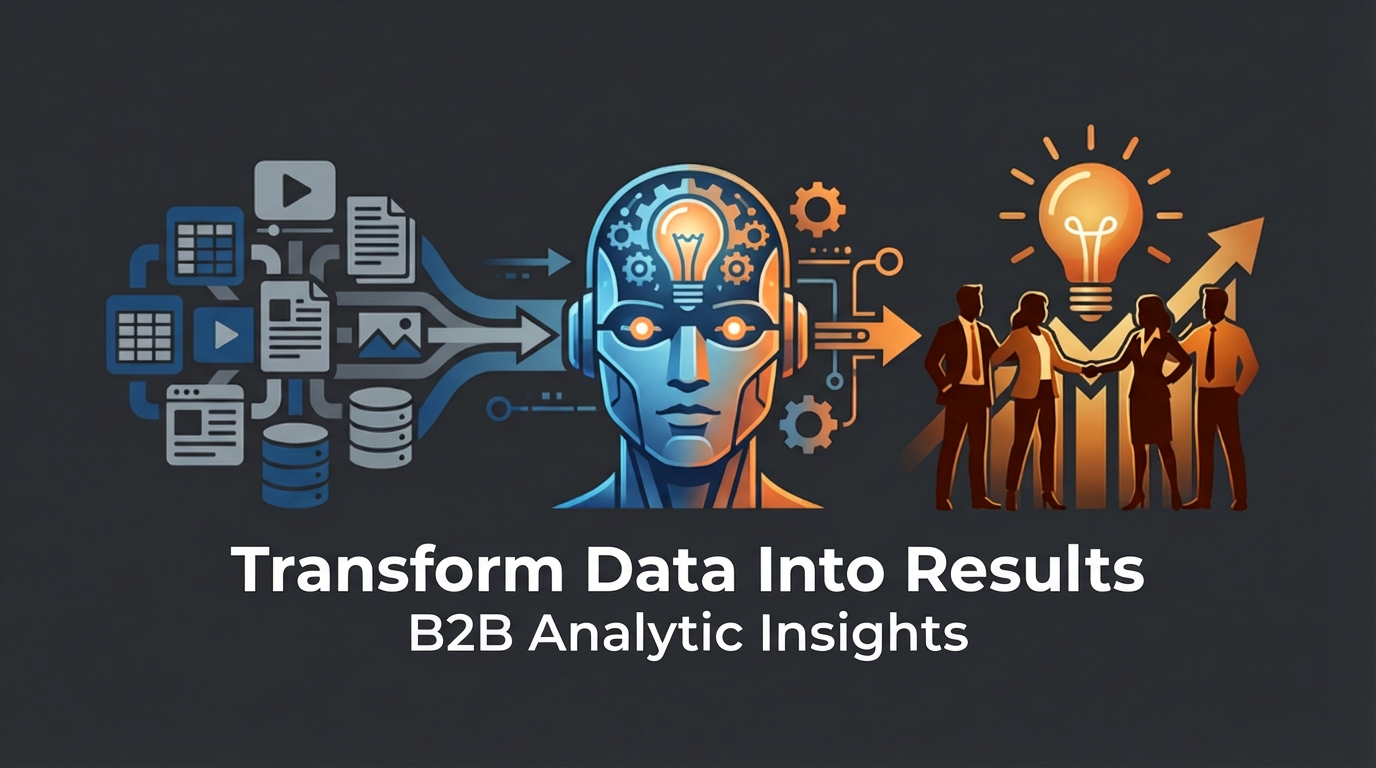
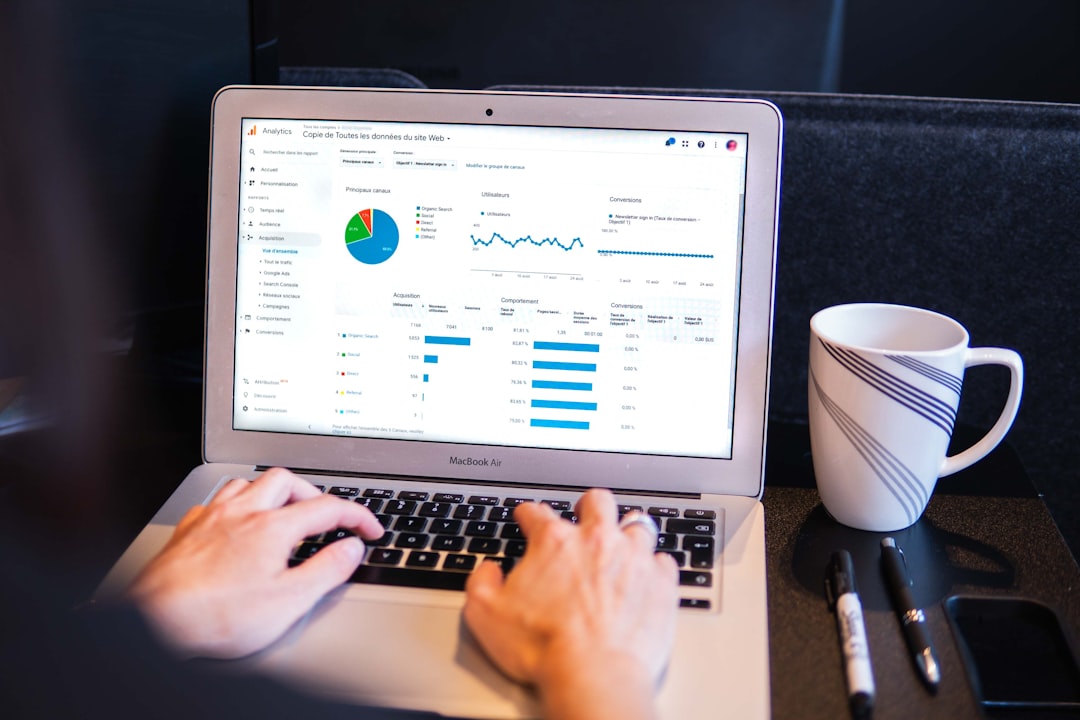
Predictive analytics is the practice of using historical data, statistical algorithms, and machine learning techniques to predict future outcomes. It involves analyzing large amounts of data to identify patterns and trends that can be used to make informed predictions about future events or behaviors. Predictive analytics has become increasingly important in business decision-making as companies strive to gain a competitive edge in today’s data-driven world.
In today’s fast-paced business environment, making accurate predictions about customer behavior, market trends, and business outcomes is crucial for success. Predictive analytics provides businesses with the ability to make data-driven decisions and anticipate future events, enabling them to stay ahead of the competition and make informed strategic choices.
Understanding the Basics of Predictive Analytics
Predictive analytics works by analyzing historical data and identifying patterns and relationships between variables. It uses statistical algorithms and machine learning techniques to build predictive models that can be used to forecast future outcomes. These models are trained on historical data and then applied to new data to make predictions.
The key components of predictive analytics include data collection, data preprocessing, model building, model evaluation, and deployment. Data collection involves gathering relevant data from various sources, such as customer databases, sales records, and social media platforms. Data preprocessing involves cleaning and transforming the data to ensure its quality and suitability for analysis.
Common techniques used in predictive analytics include regression analysis, classification algorithms, clustering algorithms, and time series analysis. Regression analysis is used to predict a continuous variable based on other variables. Classification algorithms are used to predict categorical variables or assign observations to different classes. Clustering algorithms are used to group similar observations together based on their characteristics. Time series analysis is used to predict future values based on past observations.
The Role of Data in Predictive Analytics
Data quality is crucial for the success of predictive analytics. Poor-quality data can lead to inaccurate predictions and unreliable insights. It is important to ensure that the data used for analysis is accurate, complete, and relevant to the problem at hand. Data quality can be improved through data cleansing, data integration, and data enrichment techniques.
There are different types of data used in predictive analytics, including structured data, unstructured data, and semi-structured data. Structured data refers to data that is organized in a predefined format, such as a spreadsheet or a database. Unstructured data refers to data that does not have a predefined structure, such as text documents, social media posts, and images. Semi-structured data refers to data that has some structure but does not fit into a traditional database format, such as XML or JSON files.
Data preprocessing techniques are used to transform raw data into a format that can be used for analysis. These techniques include data cleaning, data transformation, feature selection, and feature engineering. Data cleaning involves removing errors and inconsistencies from the data. Data transformation involves converting the data into a suitable format for analysis. Feature selection involves selecting the most relevant variables for prediction. Feature engineering involves creating new variables or transforming existing variables to improve the predictive power of the model.
The Benefits of Predictive Analytics for Businesses
| Benefits of Predictive Analytics for Businesses |
|---|
| Improved decision-making |
| Increased efficiency and productivity |
| Better customer targeting and retention |
| Reduced risk and fraud detection |
| Optimized marketing campaigns |
| Enhanced supply chain management |
| Improved financial forecasting |
| Streamlined operations and cost savings |
Predictive analytics offers several benefits for businesses:
Improved decision-making: By providing insights into future outcomes, predictive analytics helps businesses make more informed decisions. It enables them to identify trends, patterns, and relationships in their data that may not be apparent through traditional analysis methods. This allows businesses to anticipate customer needs, optimize operations, and mitigate risks.
Increased efficiency and productivity: Predictive analytics can help businesses streamline their operations and improve efficiency. By identifying bottlenecks and inefficiencies in processes, businesses can make targeted improvements to increase productivity and reduce costs. For example, predictive analytics can be used to optimize supply chain management by predicting demand patterns and optimizing inventory levels.
Better customer targeting and retention: Predictive analytics enables businesses to understand their customers better and target them with personalized offers and recommendations. By analyzing customer data, businesses can identify patterns and preferences that can be used to tailor marketing campaigns and improve customer retention. For example, predictive analytics can be used to identify customers who are at risk of churn and take proactive measures to retain them.
Competitive advantage: In today’s competitive business landscape, gaining a competitive edge is crucial for success. Predictive analytics provides businesses with the ability to anticipate market trends, identify emerging opportunities, and stay ahead of the competition. By leveraging predictive analytics, businesses can make data-driven decisions that give them a competitive advantage.
The Different Types of Predictive Analytics Models
There are several types of predictive analytics models that can be used depending on the nature of the problem and the type of data available:
Regression models: Regression models are used to predict a continuous variable based on other variables. They are commonly used in sales forecasting, demand prediction, and risk assessment. Regression models can be linear or nonlinear, depending on the relationship between the variables.
Classification models: Classification models are used to predict categorical variables or assign observations to different classes. They are commonly used in customer segmentation, fraud detection, and sentiment analysis. Classification models can be binary or multiclass, depending on the number of classes.
Clustering models: Clustering models are used to group similar observations together based on their characteristics. They are commonly used in market segmentation, anomaly detection, and recommendation systems. Clustering models can be hierarchical or non-hierarchical, depending on the structure of the clusters.
Time series models: Time series models are used to predict future values based on past observations. They are commonly used in stock market forecasting, sales prediction, and demand forecasting. Time series models can be univariate or multivariate, depending on the number of variables.
The Challenges of Implementing Predictive Analytics
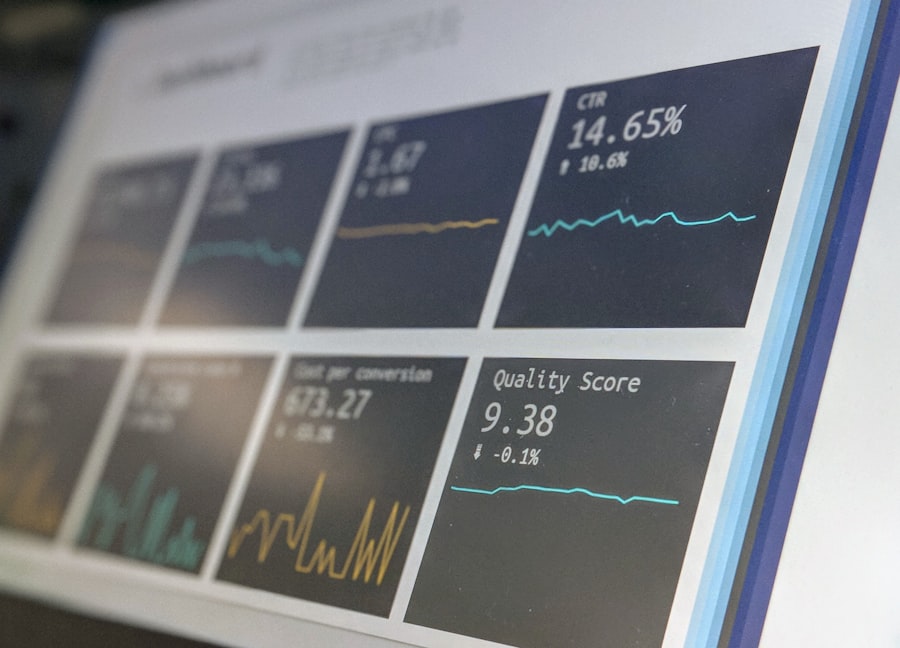
Implementing predictive analytics can be challenging for businesses due to various reasons:
Data quality issues: Poor-quality data can lead to inaccurate predictions and unreliable insights. Ensuring data quality requires data cleansing, data integration, and data enrichment techniques. It also requires ongoing monitoring and maintenance of the data to ensure its accuracy and relevance.
Lack of skilled personnel: Implementing predictive analytics requires a team of skilled data scientists, statisticians, and analysts. However, there is a shortage of professionals with the necessary skills and expertise in this field. Businesses may struggle to find and retain qualified personnel to implement and maintain predictive analytics systems.
Integration with existing systems: Integrating predictive analytics with existing systems and processes can be challenging. It requires careful planning and coordination to ensure that the predictive models are seamlessly integrated into the business workflow. It also requires the integration of different data sources and systems to ensure that the predictive models have access to all relevant data.
Cost and time constraints: Implementing predictive analytics can be costly and time-consuming. It requires investment in hardware, software, and personnel. It also requires time for data collection, preprocessing, model building, and evaluation. Businesses may face budget constraints or time constraints that make it difficult to implement predictive analytics.
Best Practices for Successful Predictive Analytics Implementation
To ensure successful implementation of predictive analytics, businesses should follow these best practices:
Define clear business objectives: Before implementing predictive analytics, it is important to define clear business objectives. This involves identifying the specific problems or opportunities that predictive analytics can address and setting measurable goals for success.
Choose the right tools and techniques: There are many tools and techniques available for predictive analytics. It is important to choose the ones that are most suitable for the problem at hand and the type of data available. This may require conducting a thorough evaluation of different tools and techniques.
Ensure data quality and availability: Data quality is crucial for the success of predictive analytics. It is important to ensure that the data used for analysis is accurate, complete, and relevant. This may require data cleansing, data integration, and data enrichment techniques. It is also important to ensure that the data is available in a timely manner for analysis.
Involve stakeholders and communicate results: Involving stakeholders throughout the implementation process is crucial for success. This includes getting buy-in from top management, involving end-users in the design and testing of predictive models, and communicating the results and insights to relevant stakeholders.
Predictive Analytics in Action: Real-World Examples
Predictive analytics is already being used by many companies to gain a competitive advantage and improve decision-making. Here are some real-world examples:
Amazon’s recommendation engine: Amazon uses predictive analytics to recommend products to its customers based on their browsing and purchase history. By analyzing customer data, Amazon is able to identify patterns and preferences that can be used to make personalized recommendations.
Netflix’s movie recommendation system: Netflix uses predictive analytics to recommend movies and TV shows to its subscribers based on their viewing history. By analyzing viewing patterns and preferences, Netflix is able to suggest content that is likely to be of interest to each individual subscriber.
Target’s pregnancy prediction model: Target uses predictive analytics to predict when a customer is likely to be pregnant based on their purchasing behavior. By analyzing customer data, Target is able to identify patterns that indicate a customer’s pregnancy status and target them with relevant offers and promotions.
Uber’s surge pricing algorithm: Uber uses predictive analytics to determine when and where demand for rides is likely to be high. By analyzing historical ride data and external factors such as weather and events, Uber is able to adjust prices in real-time to match supply with demand.
The Future of Predictive Analytics and Emerging Trends
The future of predictive analytics looks promising, with several emerging trends shaping the field:
Increased use of machine learning and AI: Machine learning algorithms are becoming increasingly sophisticated and powerful, enabling more accurate predictions and insights. The use of artificial intelligence (AI) techniques, such as deep learning, is also on the rise, allowing businesses to analyze large amounts of complex data and make more accurate predictions.
Integration with IoT and big data: The Internet of Things (IoT) is generating vast amounts of data from connected devices, such as sensors and wearables. Predictive analytics can be used to analyze this data and extract valuable insights. The integration of predictive analytics with big data technologies, such as Hadoop and Spark, allows businesses to analyze large volumes of data in real-time.
Focus on real-time analytics: Real-time analytics is becoming increasingly important as businesses strive to make timely decisions based on up-to-date information. Predictive analytics is being used to analyze streaming data and make predictions in real-time. This allows businesses to respond quickly to changing market conditions and customer needs.
Ethical and privacy concerns: As predictive analytics becomes more widespread, there are growing concerns about the ethical and privacy implications. Businesses need to ensure that they are using customer data responsibly and in compliance with relevant regulations. They also need to be transparent about how they are using customer data and give customers control over their personal information.
Unlocking the Power of Predictive Analytics for Your Business
Predictive analytics has the potential to revolutionize business decision-making by providing insights into future outcomes and enabling data-driven decision-making. By leveraging historical data, statistical algorithms, and machine learning techniques, businesses can gain a competitive advantage, improve efficiency and productivity, and better target and retain customers.
To unlock the power of predictive analytics for your business, it is important to define clear business objectives, choose the right tools and techniques, ensure data quality and availability, and involve stakeholders throughout the implementation process. By following these best practices, businesses can harness the full potential of predictive analytics and make informed decisions that drive success. It is time for businesses to embrace predictive analytics and stay ahead in today’s data-driven world.