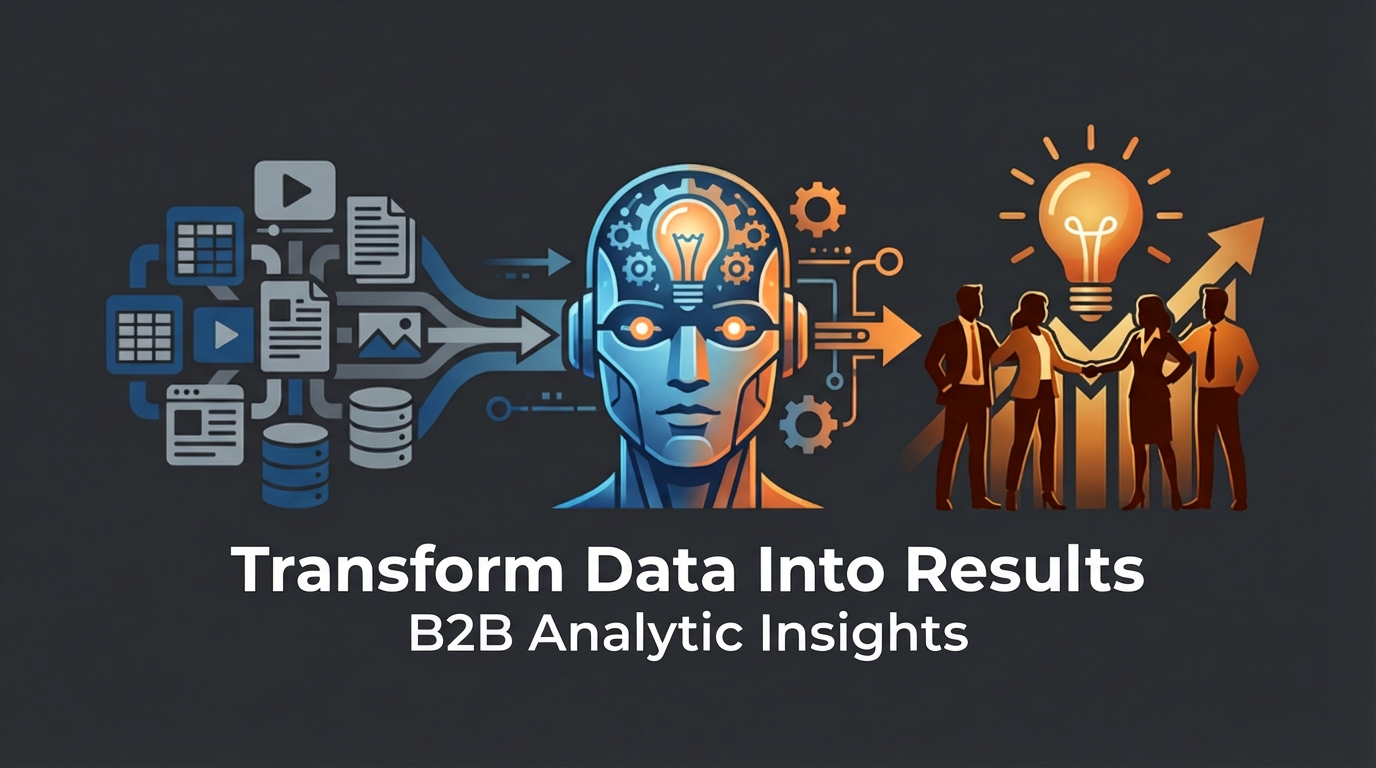

Sentiment analysis, also known as opinion mining, is the process of analyzing and understanding the sentiment or emotion expressed in a piece of text. It involves using natural language processing (NLP) techniques and machine learning algorithms to determine whether a given text expresses positive, negative, or neutral sentiment.
The importance of sentiment analysis cannot be overstated, as it has numerous applications in various fields. In business, sentiment analysis can help companies understand customer feedback and improve their products and services. It can also be used for brand reputation management, as companies can monitor online conversations to gauge public opinion about their brand. In politics, sentiment analysis can provide insights into public opinion and help politicians understand the sentiments of their constituents. Overall, sentiment analysis plays a crucial role in understanding human emotions and opinions, which can have a significant impact on decision-making processes.
The Science Behind Sentiment Analysis: How it Works
To understand how sentiment analysis works, it is essential to delve into the science behind it. At its core, sentiment analysis relies on natural language processing (NLP), which is a subfield of artificial intelligence that focuses on the interaction between computers and human language.
NLP techniques are used to preprocess and analyze text data for sentiment analysis. This involves tasks such as tokenization (breaking text into individual words or tokens), part-of-speech tagging (assigning grammatical tags to words), and syntactic parsing (analyzing the grammatical structure of sentences).
Once the text data has been preprocessed, various techniques can be used for sentiment analysis. These include rule-based approaches, where predefined rules are used to assign sentiment scores to words or phrases; lexicon-based approaches, where sentiment scores are assigned based on the presence of specific words in a predefined lexicon; and machine learning approaches, where algorithms are trained on labeled data to predict sentiment.
Machine learning algorithms, such as support vector machines (SVM), naive Bayes, and deep learning models like recurrent neural networks (RNN) and convolutional neural networks (CNN), are commonly used in sentiment analysis. These algorithms learn patterns and relationships in the data and can make predictions about the sentiment of new text based on what they have learned from the training data.
Types of Sentiment Analysis: From Basic to Advanced Techniques
Sentiment analysis can be performed at different levels of granularity, depending on the specific task at hand. Here are some of the types of sentiment analysis:
1. Basic sentiment analysis: This is the most common type of sentiment analysis, where the overall sentiment of a piece of text is determined as positive, negative, or neutral. It involves classifying the sentiment expressed in a sentence, paragraph, or document as a whole.
2. Aspect-based sentiment analysis: In aspect-based sentiment analysis, the focus is on identifying the sentiment expressed towards specific aspects or features of a product, service, or entity. For example, in a restaurant review, aspect-based sentiment analysis can determine whether the customer’s sentiment is positive or negative towards aspects such as food quality, service, ambiance, etc.
3. Emotion detection: Emotion detection goes beyond simple positive/negative sentiment classification and aims to identify specific emotions expressed in text. This can include emotions such as happiness, sadness, anger, fear, etc. Emotion detection can be useful in understanding the emotional impact of certain events or topics.
4. Intent analysis: Intent analysis focuses on determining the intention or purpose behind a piece of text. It involves analyzing the language used to identify whether the author’s intent is to express an opinion, ask a question, make a complaint, etc. Intent analysis can be valuable in customer service interactions and social media monitoring.
Applications of Sentiment Analysis: Real World Examples
| Application | Description | Metric |
|---|---|---|
| Brand Reputation Management | Monitoring and analyzing online conversations to manage brand reputation | Number of positive/negative/neutral mentions |
| Customer Service | Using sentiment analysis to understand customer feedback and improve customer service | Customer satisfaction score |
| Market Research | Using sentiment analysis to understand consumer opinions and preferences | Market share |
| Politics | Using sentiment analysis to understand public opinion on political issues | Approval rating |
| Product Development | Using sentiment analysis to identify customer needs and preferences for product development | Product adoption rate |
Sentiment analysis has numerous applications in various fields. Here are some real-world examples of how sentiment analysis is used:
1. Customer feedback analysis: Sentiment analysis can be used to analyze customer feedback, such as reviews, surveys, and social media comments, to understand customer satisfaction levels and identify areas for improvement. Companies can use sentiment analysis to gain insights into customer preferences, identify common pain points, and make data-driven decisions to enhance their products and services.
2. Brand reputation management: Sentiment analysis can help companies monitor online conversations about their brand and gauge public opinion. By analyzing social media posts, news articles, and customer reviews, companies can identify potential reputation risks and take proactive measures to address them. Sentiment analysis can also help companies track the effectiveness of their marketing campaigns and understand how their brand is perceived by the public.
3. Political analysis: Sentiment analysis can provide valuable insights into public opinion and help politicians understand the sentiments of their constituents. By analyzing social media posts, news articles, and public speeches, sentiment analysis can help politicians gauge public sentiment towards specific policies, candidates, or political events. This information can be used to shape political strategies and make informed decisions.
4. Product development and marketing: Sentiment analysis can be used to gather feedback on new product ideas or prototypes. By analyzing customer reviews and social media comments, companies can understand the sentiment towards their products and identify areas for improvement. Sentiment analysis can also help companies evaluate the effectiveness of their marketing campaigns by analyzing customer responses to advertisements and promotional materials.
Challenges in Sentiment Analysis: Limitations and Solutions
While sentiment analysis has proven to be a valuable tool in understanding human emotions and opinions, it is not without its challenges. Here are some of the limitations of sentiment analysis:
1. Contextual understanding: Sentiment analysis algorithms often struggle with understanding the context in which a piece of text is written. For example, sarcasm or irony can completely change the meaning of a sentence, but sentiment analysis algorithms may not be able to detect these nuances. This can lead to inaccurate sentiment predictions.
2. Language and cultural differences: Sentiment analysis algorithms are typically trained on data from a specific language or culture. When applied to text in a different language or culture, these algorithms may not perform as well. Different languages and cultures have different expressions and idioms that can affect sentiment analysis accuracy.
3. Subjectivity and ambiguity: Sentiment analysis is inherently subjective, as different people may interpret the same text differently. Additionally, some texts may contain ambiguous or contradictory statements that make it challenging to determine the overall sentiment. These subjective and ambiguous texts can lead to inaccurate sentiment predictions.
To overcome these limitations, researchers and practitioners are constantly working on developing new techniques and approaches. Some solutions include using contextual information, such as surrounding words or phrases, to improve sentiment analysis accuracy. Others involve incorporating domain-specific knowledge or using ensemble methods that combine multiple sentiment analysis algorithms to improve performance.
Sentiment Analysis and Social Media: Extracting Insights from Online Conversations

Social media platforms have become a treasure trove of data for sentiment analysis. The vast amount of user-generated content on platforms like Twitter, Facebook, and Instagram provides a wealth of information about public opinion, customer preferences, and brand perception.
Social media sentiment analysis involves analyzing social media posts, comments, and conversations to extract insights about the sentiments expressed by users. This can be done at various levels, from analyzing individual posts to analyzing trends and patterns across millions of posts.
Techniques used in social media sentiment analysis include keyword-based approaches, where specific keywords or hashtags are used to filter relevant posts; topic modeling, where machine learning algorithms are used to identify topics of discussion; and network analysis, where the relationships between users and their interactions are analyzed to understand the spread of sentiments.
Real-world examples of social media sentiment analysis include tracking public opinion during elections, monitoring customer sentiment towards a brand or product launch, and analyzing social media conversations during a crisis or event. Social media sentiment analysis provides valuable insights into public sentiment and can help organizations make data-driven decisions.
Sentiment Analysis for Business: Improving Customer Experience and Brand Reputation
Sentiment analysis plays a crucial role in business, as it can help companies improve customer experience and manage their brand reputation. Here’s how sentiment analysis can benefit businesses:
1. Importance of sentiment analysis in business: Understanding customer sentiment is essential for businesses to thrive. By analyzing customer feedback, companies can identify areas for improvement, address customer concerns, and enhance their products and services. Sentiment analysis can also help companies monitor their brand reputation and track the effectiveness of their marketing campaigns.
2. How sentiment analysis can improve customer experience: Sentiment analysis allows companies to gain insights into customer preferences, pain points, and satisfaction levels. By analyzing customer feedback, companies can identify common issues and take proactive measures to address them. This can lead to improved customer experience, increased customer loyalty, and ultimately, higher revenue.
3. Real-world examples of sentiment analysis in business: Many companies are already leveraging sentiment analysis to improve their business operations. For example, Airbnb uses sentiment analysis to analyze guest reviews and provide personalized recommendations to hosts. Amazon uses sentiment analysis to analyze product reviews and identify potential issues or areas for improvement. These examples demonstrate how sentiment analysis can be used to enhance the customer experience and drive business success.
Sentiment Analysis in Politics: Understanding Public Opinion and Election Outcomes
Sentiment analysis has significant applications in politics, as it can help politicians understand public opinion and make informed decisions. Here’s how sentiment analysis is used in politics:
1. Importance of sentiment analysis in politics: Public opinion plays a crucial role in politics, as it can influence election outcomes, shape policy decisions, and impact public perception of politicians. By analyzing social media posts, news articles, and public speeches, sentiment analysis can provide valuable insights into public sentiment towards specific policies, candidates, or political events.
2. How sentiment analysis can help understand public opinion: Sentiment analysis allows politicians to gauge public sentiment towards their policies and actions. By analyzing social media conversations and news articles, politicians can identify trends and patterns in public opinion. This information can help politicians shape their political strategies, communicate effectively with their constituents, and make informed decisions.
3. Real-world examples of sentiment analysis in politics: Sentiment analysis has been used in various political campaigns to understand public sentiment. For example, during the 2016 US presidential election, sentiment analysis was used to analyze social media conversations and predict election outcomes. This information was used by political campaigns to target specific demographics and tailor their messaging accordingly.
Ethical Considerations in Sentiment Analysis: Privacy and Bias Issues
While sentiment analysis offers numerous benefits, it also raises ethical concerns that need to be addressed. Here are some of the ethical considerations in sentiment analysis:
1. Privacy concerns in sentiment analysis: Sentiment analysis often involves analyzing personal data, such as social media posts or customer reviews. This raises privacy concerns, as individuals may not be aware that their data is being used for sentiment analysis. It is essential for organizations to be transparent about how they collect and use personal data and ensure that appropriate privacy measures are in place.
2. Bias issues in sentiment analysis: Sentiment analysis algorithms can be biased due to the data they are trained on. If the training data is biased towards a particular group or perspective, the sentiment analysis results may also be biased. It is crucial to address bias issues in sentiment analysis by using diverse and representative training data and regularly evaluating and updating the algorithms to minimize bias.
3. Solutions to overcome ethical issues: To overcome privacy concerns, organizations should obtain informed consent from individuals before using their data for sentiment analysis. They should also implement robust data protection measures to ensure the security and privacy of personal data. To address bias issues, organizations should use diverse and representative training data and regularly evaluate and update their sentiment analysis algorithms to minimize bias.
Future of Sentiment Analysis: Advancements and Opportunities
The future of sentiment analysis looks promising, with advancements in technology and new opportunities emerging in various fields. Here’s what the future holds for sentiment analysis:
1. Advancements in sentiment analysis technology: Advances in natural language processing (NLP) and machine learning are expected to improve the accuracy and performance of sentiment analysis algorithms. Techniques such as deep learning, which can learn complex patterns in text data, are likely to play a significant role in advancing sentiment analysis technology.
2. Opportunities for sentiment analysis in various fields: Sentiment analysis has already proven its value in fields such as business and politics, but there are many other areas where it can be applied. For example, sentiment analysis can be used in healthcare to analyze patient feedback and improve the quality of care. It can also be used in finance to analyze market sentiment and predict stock prices. The opportunities for sentiment analysis are vast and diverse.
In conclusion, sentiment analysis is a powerful tool that allows us to understand human emotions and opinions. It has numerous applications in various fields, from business to politics, and can provide valuable insights for decision-making processes. While there are challenges and ethical considerations that need to be addressed, the future of sentiment analysis looks promising, with advancements in technology and new opportunities emerging. As we continue to develop and refine sentiment analysis techniques, we can expect it to play an increasingly important role in understanding human sentiments and shaping our world.