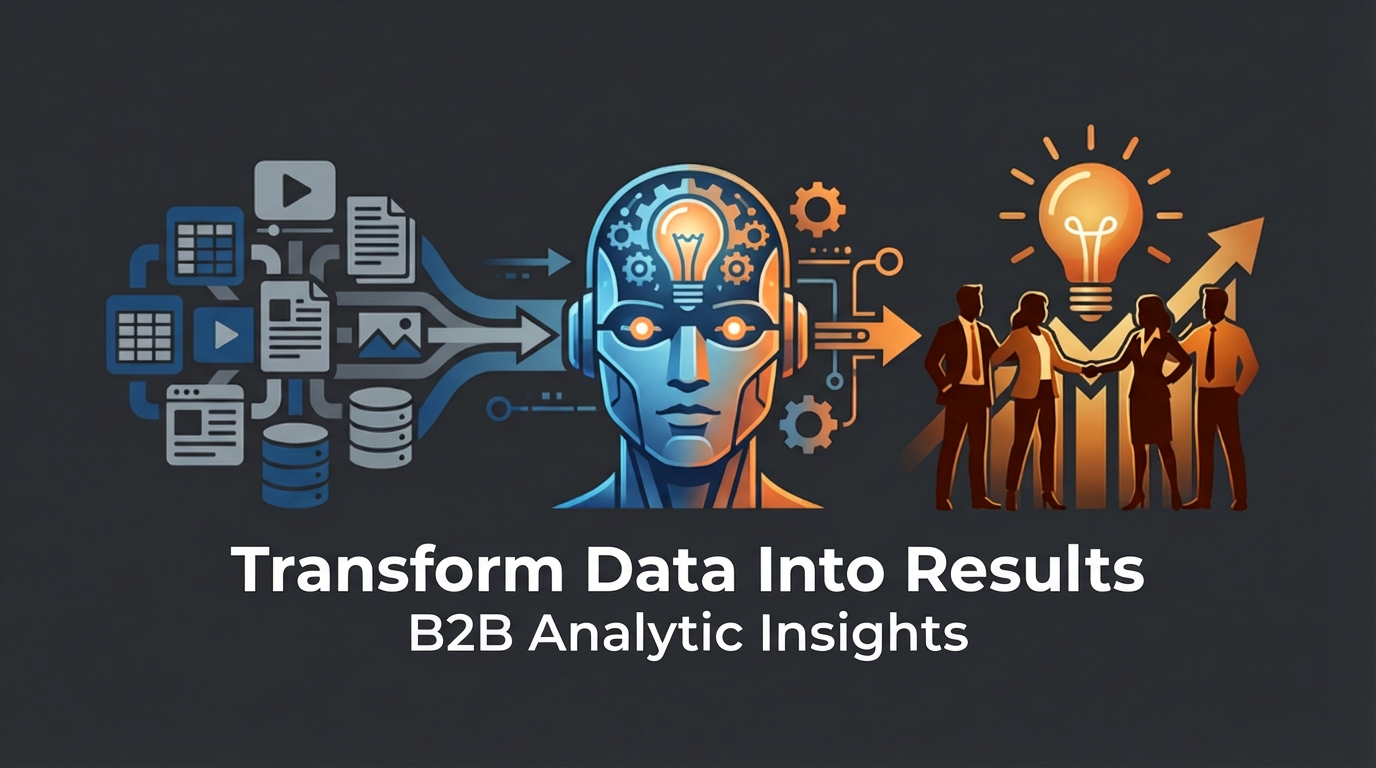

Primary data sets have revolutionized analytics in commercial banking. These raw, directly collected data sources provide valuable insights into customer behavior, market trends, and risk assessment. Commercial banks utilize this information to better understand customer needs and preferences, allowing for more tailored products and services.
Primary data also enhances risk assessment in lending, investment, and other financial activities, leading to more informed decision-making and improved financial outcomes. The use of primary data sets has also improved operational efficiency in commercial banks. By analyzing customer transaction data, banks can identify patterns and trends that help optimize operations and reduce unnecessary expenses.
Furthermore, these data sets enable banks to better understand market dynamics and identify new growth opportunities. Overall, the impact of primary data sets on commercial banking analytics has been significant. It has led to improved customer satisfaction, reduced risk, and increased profitability.
Banks that effectively leverage primary data gain a competitive advantage in the rapidly evolving financial services industry.
Key Takeaways
- Primary data sets have a significant impact on commercial banking analytics, providing valuable insights for decision-making and risk management.
- Big data can be leveraged to enhance commercial banking operations, allowing for more accurate forecasting, customer segmentation, and personalized services.
- Improving data quality is crucial for accurate commercial banking analytics, as it ensures reliable insights and informed decision-making.
- Analytics plays a pivotal role in revolutionizing commercial banking operations, enabling banks to optimize processes, mitigate risks, and improve customer experiences.
- Harnessing primary data sets is essential for advanced commercial banking analytics, allowing banks to gain a competitive edge and better understand customer behavior and market trends.
- Decision-making in commercial banking can be enhanced by utilizing primary data sets, enabling banks to make informed decisions and drive business growth.
- The future of commercial banking analytics lies in primary data sets, which have the potential to be a game-changer by providing deeper insights, improving risk management, and enhancing customer experiences.
Leveraging Big Data for Enhanced Commercial Banking Operations
Unlocking Customer Insights
One of the key ways in which commercial banks have leveraged big data is through the use of advanced analytics tools and techniques. By analyzing large volumes of transaction data, customer information, and market trends, banks have been able to identify patterns and correlations that have helped them better understand their customers’ needs and preferences. This has allowed banks to tailor their products and services to better meet those needs, leading to improved customer satisfaction and loyalty.
Enhancing Risk Assessment and Growth Opportunities
Big data has also enabled commercial banks to more accurately assess risk and identify potential opportunities for growth and expansion. By analyzing large datasets, banks can identify areas of risk and develop strategies to mitigate them, ultimately leading to improved financial performance.
Driving Business Success
Overall, the use of big data has been a key driver of business success for commercial banks. By leveraging the insights and information provided by big data, banks have been able to gain a competitive edge in the market, improve their operational efficiency, and drive business growth.
Improving Data Quality for More Accurate Commercial Banking Analytics

In the world of commercial banking, the quality of data is paramount to the success of analytics efforts. Poor data quality can lead to inaccurate insights and flawed decision-making, ultimately resulting in negative outcomes for the bank and its customers. As such, commercial banks have made significant efforts to improve the quality of their data in order to ensure more accurate analytics and better decision-making.
By implementing data quality management processes and tools, banks have been able to identify and rectify issues such as duplicate records, incomplete information, and inconsistencies in data sources, leading to more reliable and accurate insights. Furthermore, commercial banks have invested in technologies such as data cleansing and enrichment tools to improve the quality of their data. These tools help banks identify and correct errors in their data, as well as enrich it with additional information from external sources.
This has allowed banks to ensure that their data is accurate, complete, and up-to-date, leading to more reliable analytics and better decision-making. Additionally, by improving data quality, commercial banks have been able to enhance their regulatory compliance efforts, as accurate and reliable data is essential for meeting regulatory requirements.
The Role of Analytics in Revolutionizing Commercial Banking Operations
Analytics has played a pivotal role in revolutionizing commercial banking operations in recent years. By leveraging advanced analytics tools and techniques, commercial banks have been able to gain deeper insights into customer behavior, market trends, and operational efficiency, leading to more informed decision-making and improved performance. One of the key ways in which analytics has revolutionized commercial banking operations is through the use of predictive modeling and machine learning algorithms.
By analyzing large volumes of transaction data, customer information, and market trends, banks have been able to identify patterns and correlations that have helped them better understand their customers’ needs and preferences. Additionally, analytics has enabled commercial banks to more accurately assess risk and identify potential opportunities for growth and expansion. By leveraging advanced risk modeling techniques, banks have been able to better understand the risks associated with lending, investment, and other financial activities, leading to more informed decision-making and ultimately, better financial outcomes.
Furthermore, analytics has allowed commercial banks to improve their operational efficiency by identifying areas for cost savings and streamlining processes. By analyzing customer transaction data and operational metrics, banks have been able to optimize their operations and reduce unnecessary expenses, leading to improved profitability.
Harnessing Primary Data Sets for Advanced Commercial Banking Analytics
Commercial banks have increasingly turned to primary data sets to harness advanced analytics techniques in order to gain deeper insights into customer behavior, market trends, and operational efficiency. By leveraging primary data sets such as transaction data, customer information, and market trends, banks have been able to gain a more comprehensive understanding of their customers’ needs and preferences. This has allowed banks to tailor their products and services to better meet those needs, leading to improved customer satisfaction and loyalty.
Additionally, primary data sets have enabled commercial banks to more accurately assess risk and identify potential opportunities for growth and expansion. By analyzing large volumes of transaction data and market trends, banks have been able to identify patterns and correlations that have helped them better understand market dynamics and identify new opportunities for growth. This has ultimately led to improved financial performance for commercial banks.
Furthermore, by harnessing primary data sets for advanced analytics, commercial banks have been able to improve their operational efficiency by streamlining processes and identifying areas for cost savings. This has led to improved profitability for banks while also enhancing the overall customer experience.
Enhancing Decision-Making with Primary Data Sets in Commercial Banking

Here is the rewritten text with 3-4 **The Power of Primary Data Sets in Commercial Banking**
Primary data sets have significantly enhanced decision-making in commercial banking by providing banks with valuable insights into customer behavior, market trends, and operational efficiency.
**Unlocking Customer Insights**
By leveraging primary data sets such as transaction data, customer information,and market trends,banks have been able to gain a deeper understanding of their customers’ needs and preferences
The Future of Commercial Banking Analytics: Primary Data Sets as a Game-Changer
As we look towards the future of commercial banking analytics, it is clear that primary data sets will continue to play a pivotal role in shaping the industry. The use of primary data sets has already had a significant impact on the way commercial banks conduct business by providing valuable insights into customer behavior, market trends, and operational efficiency. Moving forward, we can expect primary data sets to become an even greater game-changer for commercial banking analytics.
With advancements in technology such as artificial intelligence and machine learning, commercial banks will be able to leverage primary data sets in new and innovative ways to gain deeper insights into customer behavior and market dynamics. This will allow banks to make more informed decisions when it comes to product development, marketing strategies, risk assessment, and operational efficiency. Additionally, as the volume of data continues to grow exponentially, the use of primary data sets will become even more crucial for commercial banks looking to stay competitive in the market.
In conclusion, the impact of primary data sets on commercial banking analytics has been profound, leading to improved customer satisfaction, reduced risk, increased profitability, enhanced decision-making, and ultimately revolutionizing the way commercial banks conduct business. As we look towards the future of commercial banking analytics, it is clear that primary data sets will continue to be a game-changer for the industry as banks continue to leverage advanced analytics techniques in order to gain deeper insights into customer behavior, market trends, and operational efficiency.
FAQs
What are primary data sets in commercial banking analytics?
Primary data sets in commercial banking analytics refer to the original data collected directly from the source, such as customer transactions, account information, and market data. These data sets are essential for analyzing and understanding customer behavior, market trends, and overall business performance in the banking industry.
How are primary data sets revolutionizing operations in commercial banking?
Primary data sets are revolutionizing operations in commercial banking by providing valuable insights that enable banks to make data-driven decisions. By analyzing these data sets, banks can better understand customer needs, improve risk management, and optimize operational efficiency, ultimately leading to better customer experiences and increased profitability.
What are some examples of primary data sets used in commercial banking analytics?
Examples of primary data sets used in commercial banking analytics include customer transaction data, loan and credit data, market and economic data, customer demographic data, and operational data such as branch performance and employee productivity metrics. These data sets are crucial for banks to gain a comprehensive understanding of their business and make informed decisions.
How do primary data sets contribute to transforming commercial banking analytics?
Primary data sets contribute to transforming commercial banking analytics by providing a more accurate and comprehensive view of the business. By leveraging these data sets, banks can gain deeper insights into customer behavior, market trends, and operational performance, leading to more effective strategic planning, risk management, and customer relationship management.