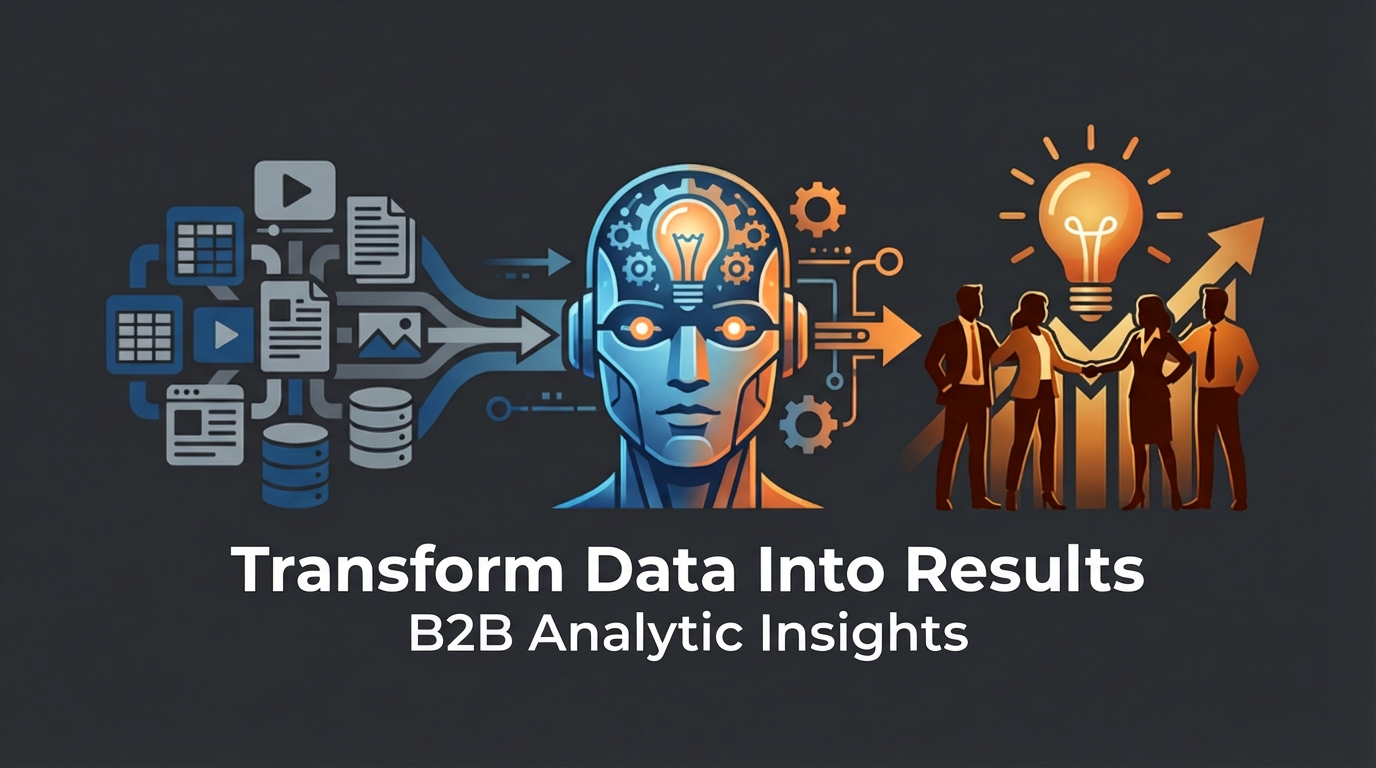

In the digital era, commercial banks receive extensive data from diverse sources, including customer transactions, market trends, and regulatory requirements. This data contains valuable insights that can enhance operational efficiency, risk management, and customer experience. Utilizing big data and analytics allows commercial banks to gain a competitive advantage and make more informed decisions.
The ability to extract actionable insights from primary commercial banking data is essential for success in an increasingly complex and dynamic industry. Commercial banking data insights cover a broad spectrum of information, such as customer demographics, transaction history, credit scores, and market trends. Analysis of this data reveals patterns and trends that help banks understand customer behavior, mitigate risks, and optimize operational processes.
Additionally, these insights can be applied to personalize customer experiences, improve product offerings, and increase overall customer satisfaction. In essence, primary commercial banking data insights provide a wealth of information that can drive strategic decision-making and operational excellence.
Key Takeaways
- Primary commercial banking data provides valuable insights into customer behavior, market trends, and operational efficiency.
- Big data enables commercial banks to analyze large volumes of information to make informed decisions and improve operations.
- Analytics helps commercial banks optimize processes, reduce costs, and enhance customer experience for operational excellence.
- Data quality is crucial for accurate and effective decision making in commercial banking operations.
- Predictive analytics plays a key role in identifying potential risks and opportunities in commercial banking operations.
The Power of Big Data in Commercial Banking Operations
Unlocking New Revenue Opportunities and Reducing Costs
By leveraging big data analytics, banks can identify new revenue opportunities, reduce operational costs, and improve risk management. This enables banks to make more informed decisions, leading to improved business outcomes.
Enhancing Fraud Detection and Prevention
Big data can also be used to enhance fraud detection and prevention, thereby safeguarding the interests of both the bank and its customers. The power of big data in commercial banking operations lies in its ability to uncover hidden patterns and correlations within the data that would otherwise go unnoticed.
Streamlining Internal Processes and Improving Operational Efficiency
Furthermore, big data analytics can also be used to streamline internal processes, automate routine tasks, and enhance overall operational efficiency. In essence, the power of big data in commercial banking operations cannot be overstated, as it has the potential to transform the way banks conduct business and interact with their customers.
Leveraging Analytics for Operational Excellence in Banking

Analytics play a crucial role in driving operational excellence in commercial banking. By leveraging advanced analytics tools and techniques, banks can gain valuable insights into their operations, customer behavior, and market trends. This enables them to identify areas for improvement, optimize processes, and enhance overall efficiency.
Furthermore, analytics can also be used to forecast future trends, enabling banks to proactively address potential challenges and capitalize on emerging opportunities. One way in which banks can leverage analytics for operational excellence is through the use of predictive modeling. By analyzing historical data and identifying patterns, banks can predict future outcomes with a high degree of accuracy.
This allows them to anticipate customer needs, optimize resource allocation, and mitigate risks. Additionally, analytics can also be used to monitor key performance indicators (KPIs) in real-time, enabling banks to make timely adjustments and ensure that they are on track to meet their strategic objectives. In essence, leveraging analytics for operational excellence in banking is essential for staying competitive in a rapidly evolving industry.
Another way in which banks can leverage analytics for operational excellence is through the use of process optimization. By analyzing operational data, banks can identify bottlenecks, inefficiencies, and areas for improvement within their processes. This allows them to streamline operations, reduce costs, and improve overall productivity.
Furthermore, analytics can also be used to automate routine tasks, freeing up resources to focus on more strategic initiatives. In essence, leveraging analytics for operational excellence in banking is crucial for driving continuous improvement and staying ahead of the competition.
Ensuring Data Quality for Effective Decision Making
Data quality is paramount for effective decision-making in commercial banking. Poor-quality data can lead to inaccurate insights, flawed decisions, and increased operational risks. Therefore, it is essential for banks to ensure that their data is accurate, complete, and reliable.
This can be achieved through the implementation of robust data governance processes, data validation checks, and regular data quality assessments. One way in which banks can ensure data quality is by establishing clear data governance policies and procedures. This involves defining roles and responsibilities for data management, establishing data quality standards, and implementing processes for data validation and cleansing.
By enforcing strict data governance practices, banks can ensure that their data is accurate and reliable, thereby enabling more effective decision-making. Another way in which banks can ensure data quality is through the use of advanced data validation techniques. This involves implementing automated validation checks to identify and correct errors in the data.
By leveraging advanced validation tools, banks can ensure that their data is consistent, accurate, and up-to-date. Furthermore, regular data quality assessments can also be conducted to identify areas for improvement and ensure that data quality standards are being met. In essence, ensuring data quality is essential for effective decision-making in commercial banking.
By implementing robust data governance processes and validation checks, banks can ensure that their data is accurate and reliable, enabling them to make more informed decisions and mitigate operational risks.
The Role of Predictive Analytics in Commercial Banking Operations
Predictive analytics plays a crucial role in commercial banking operations by enabling banks to forecast future trends, identify potential risks, and capitalize on emerging opportunities. By analyzing historical data and identifying patterns, banks can make more accurate predictions about customer behavior, market trends, and operational performance. This allows them to proactively address potential challenges and optimize their strategies for success.
One way in which predictive analytics is used in commercial banking operations is through the identification of credit risk. By analyzing customer credit scores, transaction history, and market trends, banks can predict the likelihood of default and assess the creditworthiness of their customers. This enables them to make more informed lending decisions and mitigate potential risks.
Additionally, predictive analytics can also be used to identify potential fraud by detecting unusual patterns or anomalies in customer transactions. Another way in which predictive analytics is used in commercial banking operations is through the optimization of marketing strategies. By analyzing customer demographics, transaction history, and behavior patterns, banks can predict customer needs and preferences with a high degree of accuracy.
This enables them to personalize marketing campaigns, improve product offerings, and enhance overall customer satisfaction. In essence, the role of predictive analytics in commercial banking operations is essential for driving strategic decision-making and mitigating risks. By leveraging predictive modeling techniques, banks can gain valuable insights into future trends and make more informed decisions that drive business success.
Harnessing Data Insights for Risk Management in Banking

Data-Driven Risk Modeling
One way in which banks harness data insights for risk management is through the use of advanced risk modeling techniques. By analyzing historical data and identifying patterns, banks can predict potential risks with a high degree of accuracy. This enables them to proactively address challenges such as credit risk, market risk, and operational risk.
Real-Time Risk Monitoring and Compliance
Additionally, data insights can also be used to monitor key risk indicators (KRIs) in real-time, enabling banks to make timely adjustments and mitigate potential threats. Another way in which banks harness data insights for risk management is through the optimization of compliance processes. By analyzing regulatory requirements and customer transactions, banks can ensure that they are meeting their compliance obligations while minimizing operational risks.
Fraud Detection and Prevention
Furthermore, data insights can also be used to detect potential fraud or money laundering activities by identifying unusual patterns or anomalies in customer transactions. In essence, harnessing data insights for risk management is essential for ensuring the long-term success of commercial banks. By leveraging advanced risk modeling techniques and compliance optimization processes, banks can proactively address potential risks and safeguard their interests.
Implementing Data-Driven Strategies for Success in Commercial Banking Operations
Implementing data-driven strategies is essential for success in commercial banking operations as it enables banks to make more informed decisions that drive business growth and enhance customer satisfaction. By leveraging primary commercial banking data insights and advanced analytics tools, banks can gain valuable insights into customer behavior, market trends, and operational performance. This enables them to optimize their strategies for success while mitigating potential risks.
One way in which banks implement data-driven strategies is through the personalization of customer experiences. By analyzing customer demographics, transaction history, and behavior patterns, banks can tailor their products and services to meet individual customer needs with a high degree of accuracy. This enables them to improve customer satisfaction while driving business growth.
Another way in which banks implement data-driven strategies is through the optimization of operational processes. By analyzing internal data such as transaction volumes, resource allocation, and performance metrics, banks can identify areas for improvement and streamline their operations for greater efficiency. This enables them to reduce costs while improving overall productivity.
In essence, implementing data-driven strategies is essential for success in commercial banking operations as it enables banks to make more informed decisions that drive business growth and enhance customer satisfaction. By leveraging primary commercial banking data insights and advanced analytics tools, banks can optimize their strategies for success while mitigating potential risks.
FAQs
What is primary commercial banking data?
Primary commercial banking data refers to the essential information collected and analyzed by commercial banks to understand their operations, customer behavior, and market trends. This data includes customer transaction history, account balances, loan and credit card information, and other financial activities.
How is primary commercial banking data used for operations excellence?
Primary commercial banking data is used to improve operational efficiency, customer service, risk management, and decision-making. By analyzing this data, banks can identify areas for improvement, develop targeted marketing strategies, detect fraudulent activities, and make informed business decisions.
What are the key insights derived from primary commercial banking data?
Key insights derived from primary commercial banking data include customer spending patterns, loan repayment behavior, account balances, market trends, and risk assessment. These insights help banks to tailor their products and services, manage risks, and enhance customer experience.
How do commercial banks collect primary banking data?
Commercial banks collect primary banking data through various channels such as online and mobile banking platforms, ATM transactions, point-of-sale systems, customer service interactions, and internal banking systems. Additionally, banks may also obtain data from credit bureaus and other financial institutions.
How is primary commercial banking data protected?
Commercial banks are required to adhere to strict data protection regulations and implement robust security measures to safeguard primary banking data. This includes encryption, access controls, regular security audits, and compliance with data privacy laws such as GDPR and CCPA.