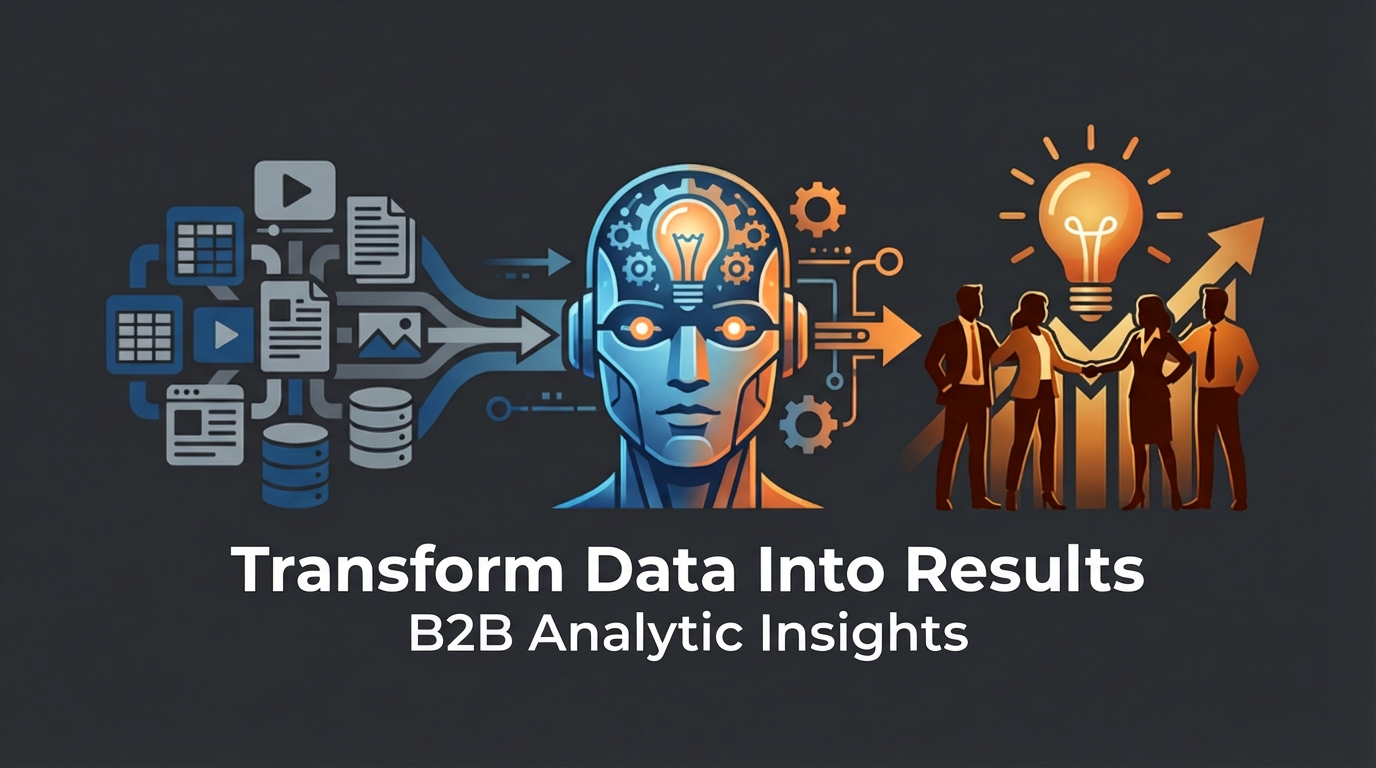

Predictive planning is a strategic approach that uses historical data, statistical analysis, and machine learning algorithms to forecast future outcomes and trends. This method is widely applied in various industries, including finance, marketing, and supply chain management, to make informed decisions and mitigate risks. In the context of commercial credit data, predictive planning is essential for assessing business creditworthiness and predicting future financial performance.
By utilizing commercial credit data, companies can gain valuable insights into the financial health of their customers and partners, enabling proactive decision-making and optimization of business strategies. Commercial credit data includes a wide range of information about a company’s financial history, such as payment behavior, outstanding debts, credit utilization, and public records like bankruptcies and liens. Credit reporting agencies collect and maintain this data, compiling and analyzing it to generate credit reports and scores.
By analyzing commercial credit data, businesses can evaluate the credit risk associated with customers and suppliers, identify potential red flags, and make informed decisions about extending credit or entering financial agreements. Predictive planning enables businesses to leverage this data to anticipate future credit-related events and take proactive measures to mitigate risks and capitalize on opportunities.
Key Takeaways
- Predictive planning involves using data to forecast future scenarios and make informed decisions.
- Commercial credit data provides valuable insights into the financial health and creditworthiness of businesses.
- Utilizing commercial credit data for predictive planning can help in assessing risk, making lending decisions, and identifying growth opportunities.
- The benefits of using commercial credit data for future scenarios include improved risk management, better decision-making, and increased efficiency.
- Challenges and limitations of predictive planning with commercial credit data include data accuracy, privacy concerns, and potential biases.
Understanding Commercial Credit Data
Assessing Financial Health and Stability
This data includes a variety of information that is crucial for assessing the financial health and stability of a business. Payment behavior, for example, provides insights into how promptly a company pays its bills and obligations. A history of late payments or delinquencies may indicate financial distress or liquidity issues, while consistent on-time payments may signal a strong and reliable business.
Debt Management and Credit Utilization
Additionally, outstanding debts and credit utilization ratios offer valuable insights into a company’s debt management practices and its ability to manage its financial obligations. Public records such as bankruptcies, liens, and judgments also play a critical role in assessing the creditworthiness of a business.
Informed Decision-Making
These records provide information about any legal actions or financial distress that may impact a company’s ability to fulfill its obligations. By understanding and analyzing commercial credit data, businesses can gain a comprehensive understanding of their customers’ and partners’ financial stability, allowing them to make informed decisions about credit terms, payment terms, and strategic collaborations.
Utilizing Commercial Credit Data for Predictive Planning

Predictive planning with commercial credit data involves leveraging historical credit information to forecast future credit-related events and trends. By analyzing commercial credit data using statistical models and machine learning algorithms, businesses can gain valuable insights into the future financial performance of their customers and partners. For example, predictive models can be used to forecast the likelihood of late payments, defaults, or bankruptcies based on historical payment behavior, outstanding debts, and other relevant credit data.
This allows businesses to proactively manage credit risk, optimize cash flow, and make informed decisions about credit extension and risk mitigation strategies. Furthermore, predictive planning with commercial credit data enables businesses to identify potential opportunities for growth and expansion. By analyzing credit data trends and patterns, businesses can identify emerging market trends, assess the financial stability of potential partners or customers, and make strategic decisions about entering new markets or forming strategic alliances.
This proactive approach to leveraging commercial credit data allows businesses to stay ahead of the curve and capitalize on opportunities while mitigating potential risks.
Benefits of Using Commercial Credit Data for Future Scenarios
The utilization of commercial credit data for predictive planning offers a wide range of benefits for businesses across various industries. One of the key benefits is the ability to proactively manage credit risk and mitigate potential financial losses. By leveraging commercial credit data to forecast future credit-related events, businesses can identify potential risks and take proactive measures to minimize their impact.
This includes adjusting credit terms, implementing risk mitigation strategies, or diversifying their customer base to reduce concentration risk. Additionally, utilizing commercial credit data for predictive planning enables businesses to optimize their cash flow and working capital management. By forecasting future payment behavior and credit events, businesses can better anticipate their cash flow needs and make informed decisions about capital allocation and investment strategies.
This proactive approach allows businesses to optimize their financial resources and improve their overall financial performance. Furthermore, leveraging commercial credit data for predictive planning provides businesses with a competitive advantage in the market. By gaining valuable insights into the financial stability of their customers and partners, businesses can make informed decisions about strategic partnerships, market expansion, and customer acquisition.
This proactive approach allows businesses to capitalize on opportunities while minimizing potential risks, ultimately driving sustainable growth and profitability.
Challenges and Limitations of Predictive Planning with Commercial Credit Data
While predictive planning with commercial credit data offers numerous benefits, there are also several challenges and limitations that businesses need to consider. One of the key challenges is the availability and quality of commercial credit data. In some cases, businesses may struggle to access comprehensive and accurate credit information about their customers or partners, making it difficult to build reliable predictive models.
Additionally, the lack of standardized reporting practices across industries and regions can further complicate the analysis of commercial credit data. Another challenge is the dynamic nature of business environments, which can impact the accuracy of predictive models based on historical credit data. Economic fluctuations, industry trends, and regulatory changes can all influence the future financial performance of businesses, making it challenging to accurately forecast credit-related events based solely on historical data.
Furthermore, the complexity of building robust predictive models using commercial credit data requires advanced analytical capabilities and expertise in statistical modeling and machine learning. Moreover, there are ethical considerations related to the use of commercial credit data for predictive planning. Businesses need to ensure that they are using credit information responsibly and in compliance with data privacy regulations to protect the rights and interests of their customers and partners.
This includes obtaining consent for accessing credit information and ensuring the security and confidentiality of the data throughout the predictive planning process.
Best Practices for Implementing Predictive Planning with Commercial Credit Data

Combining Multiple Data Sources for Comprehensive Models
One best practice is to leverage multiple sources of commercial credit data to build comprehensive predictive models. By combining data from different credit reporting agencies, trade references, and public records, businesses can gain a more holistic view of their customers’ and partners’ financial history, improving the accuracy of their predictive models.
Investing in Advanced Analytical Tools and Expertise
Additionally, businesses should invest in advanced analytical tools and expertise to build robust predictive models that can effectively forecast future credit-related events. This includes leveraging machine learning algorithms, statistical modeling techniques, and data visualization tools to analyze commercial credit data and identify meaningful patterns and trends. Collaborating with data scientists or hiring analytical talent can further enhance the capabilities of businesses in building reliable predictive models.
Staying Informed and Prioritizing Ethical Considerations
Furthermore, it is essential for businesses to stay updated on industry trends, economic indicators, and regulatory changes that may impact the future financial performance of their customers and partners. By incorporating external factors into their predictive models, businesses can improve the accuracy of their forecasts and make more informed decisions about credit extension and risk management strategies. Finally, businesses should prioritize ethical considerations when leveraging commercial credit data for predictive planning, including obtaining consent from customers and partners, ensuring data privacy compliance, and maintaining the security and confidentiality of the data throughout the predictive planning process.
Future Trends in Predictive Planning Using Commercial Credit Data
Looking ahead, the future of predictive planning using commercial credit data is poised for significant advancements driven by technological innovation and evolving business needs. One emerging trend is the integration of alternative data sources into predictive models to enhance their accuracy and reliability. In addition to traditional commercial credit data, businesses are increasingly leveraging alternative data such as social media activity, online reviews, and transactional data to gain deeper insights into the financial behavior and stability of their customers and partners.
Another future trend is the adoption of real-time predictive analytics capabilities that enable businesses to continuously monitor and forecast credit-related events as they unfold. Real-time predictive models allow businesses to proactively respond to emerging risks or opportunities in a dynamic business environment, improving their agility and responsiveness in managing credit risk. Furthermore, advancements in artificial intelligence (AI) and machine learning technologies are expected to revolutionize predictive planning using commercial credit data.
AI-powered predictive models can analyze vast amounts of commercial credit data at scale, identify complex patterns and trends, and generate more accurate forecasts with minimal human intervention. This will enable businesses to make faster decisions based on real-time insights while optimizing their credit management strategies. Additionally, there is a growing emphasis on transparency and explainability in predictive models using commercial credit data.
As businesses increasingly rely on automated decision-making processes driven by predictive analytics, there is a need for greater transparency in how these models operate and arrive at their predictions. Explainable AI techniques are being developed to provide clear explanations for the predictions generated by machine learning algorithms, enhancing trust and accountability in the use of predictive planning with commercial credit data. In conclusion, predictive planning using commercial credit data offers businesses valuable insights into the financial stability of their customers and partners while enabling them to proactively manage credit risk and capitalize on opportunities for growth.
By understanding the benefits, challenges, best practices, and future trends associated with leveraging commercial credit data for predictive planning, businesses can enhance their decision-making capabilities and drive sustainable success in an increasingly dynamic business landscape.