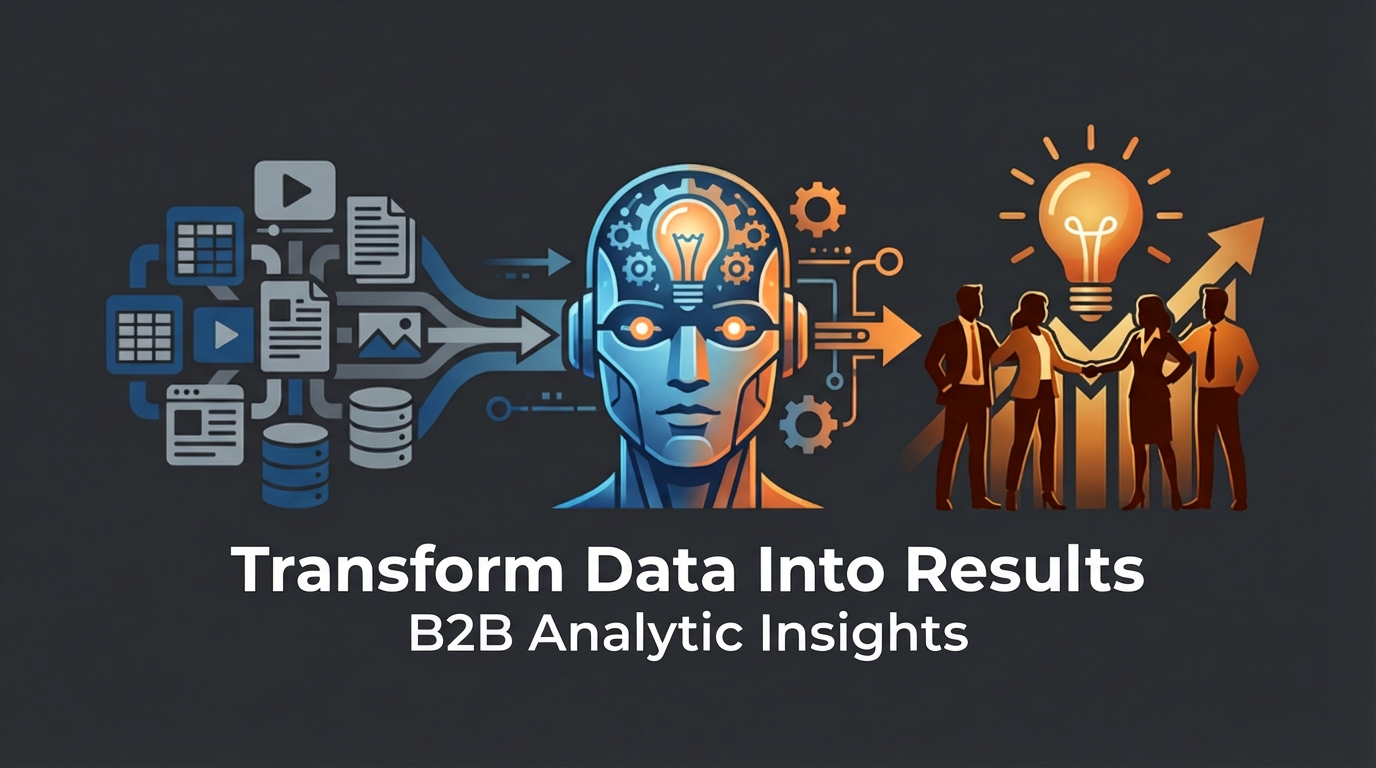

In the current digital era, businesses have access to an unprecedented volume of data from diverse sources. These include traditional commercial and consumer data, as well as alternative data from social media platforms, satellite imagery, and web scraping techniques. The integration and analysis of these varied data types, known as alternative blended commercial consumer data, is transforming portfolio management strategies in the business world.
Alternative blended commercial consumer data provides a more comprehensive and nuanced understanding of market dynamics and consumer behavior compared to conventional data sources. By synthesizing information from multiple origins, companies can gain deeper insights into market trends, consumer preferences, and competitive landscapes. This enhanced perspective enables more accurate risk assessments, informed investment decisions, and improved portfolio performance.
As a result of its potential to deliver valuable insights and competitive advantages, alternative blended commercial consumer data has become an increasingly critical tool for businesses aiming to maintain their edge in today’s rapidly evolving, data-centric market environment.
Key Takeaways
- Alternative blended commercial consumer data offers a new approach to understanding consumer behavior and market trends.
- Big data has a significant impact on portfolio management, providing valuable insights and opportunities for investment strategies.
- Data quality is crucial for making informed decisions, as inaccurate or incomplete data can lead to costly mistakes.
- Leveraging analytics is essential for extracting valuable insights from alternative blended data, enabling better decision-making in portfolio management.
- Incorporating alternative blended data into portfolio management strategies can enhance risk management and investment performance, but also presents challenges and opportunities for investors.
The Impact of Big Data on Portfolio Management
Enhanced Decision-Making and Risk Management
With big data, portfolio managers can make more informed decisions and better manage risk. They can leverage advanced analytics and machine learning algorithms to identify patterns and trends in the market that were previously undetectable.
Proactive Portfolio Management
Big data enables portfolio managers to take a more proactive approach to portfolio management. By analyzing large datasets, they can make more accurate predictions about market movements and adjust their portfolios accordingly.
Maximizing Returns with Big Data
As a result, big data has become an indispensable tool for portfolio managers looking to stay ahead of the curve and maximize returns for their clients. By harnessing the power of big data, portfolio managers can gain a competitive edge in the market and achieve better investment outcomes.
The Importance of Data Quality in Making Informed Decisions

When it comes to making informed decisions, the quality of the data being used is paramount. Poor quality data can lead to inaccurate insights and flawed decision-making, which can have serious consequences for businesses. This is especially true when it comes to portfolio management, where even small errors can result in significant financial losses.
With alternative blended commercial consumer data, ensuring data quality is particularly challenging due to the diverse nature of the data sources involved. However, by implementing robust data quality processes and leveraging advanced data cleansing techniques, businesses can ensure that the data being used for portfolio management is accurate and reliable. This includes identifying and correcting errors, removing duplicate or irrelevant data, and validating the integrity of the data before it is used for analysis.
By prioritizing data quality, businesses can make more informed decisions and minimize the risk of costly mistakes. In addition to ensuring data quality, businesses must also consider the ethical implications of using alternative blended commercial consumer data. With increased scrutiny on data privacy and security, it is essential for businesses to handle consumer data responsibly and in compliance with relevant regulations.
This includes obtaining proper consent for data collection and usage, implementing robust security measures to protect sensitive information, and being transparent about how consumer data is being used. By prioritizing ethical data practices, businesses can build trust with consumers and mitigate the risk of reputational damage.
Leveraging Analytics to Extract Insights from Alternative Blended Data
One of the key benefits of alternative blended commercial consumer data is the ability to extract valuable insights through advanced analytics. By leveraging techniques such as machine learning, natural language processing, and predictive modeling, businesses can uncover hidden patterns and trends within the data that can inform portfolio management decisions. For example, by analyzing social media sentiment and web traffic data, businesses can gain a better understanding of consumer preferences and market sentiment.
This can help them identify emerging trends and potential investment opportunities that may not be apparent from traditional data sources alone. Similarly, by analyzing satellite imagery and geospatial data, businesses can gain insights into supply chain dynamics, infrastructure development, and other factors that can impact investment decisions. By harnessing the power of analytics, businesses can unlock the full potential of alternative blended commercial consumer data and make more informed portfolio management decisions.
This can lead to improved risk management, better investment outcomes, and a competitive edge in the market.
Incorporating Alternative Blended Data into Portfolio Management Strategies
Incorporating alternative blended commercial consumer data into portfolio management strategies requires a strategic approach. Businesses must first identify the most relevant data sources for their specific needs and develop a comprehensive data acquisition strategy. This may involve partnering with third-party data providers, leveraging internal data assets, or implementing data scraping techniques to gather relevant information.
Once the data has been acquired, businesses must then develop robust analytics capabilities to extract meaningful insights from the data. This may involve building custom analytics models, leveraging off-the-shelf analytics tools, or partnering with analytics experts to develop tailored solutions. By investing in analytics capabilities, businesses can ensure that they are able to effectively leverage alternative blended commercial consumer data to inform their portfolio management strategies.
Finally, businesses must integrate alternative blended commercial consumer data into their existing portfolio management processes. This may involve updating risk models, adjusting investment strategies, or developing new performance metrics that account for the insights gained from the alternative blended data. By integrating alternative blended commercial consumer data into their portfolio management strategies, businesses can gain a more comprehensive view of the market and make more informed investment decisions.
Challenges and Opportunities in Utilizing Alternative Blended Data

Overcoming the Challenges of Volume and Diversity
Alternative blended commercial consumer data offers significant opportunities for businesses, but it also presents several challenges that must be addressed. One of the primary challenges is the sheer volume and diversity of the data involved. Managing and analyzing alternative blended commercial consumer data requires advanced technical capabilities and expertise in a variety of domains, including data science, machine learning, and statistics.
Ensuring Data Accuracy and Reliability
Another challenge is ensuring the accuracy and reliability of the data being used. With alternative blended commercial consumer data coming from diverse sources, businesses must implement robust data quality processes to ensure that the insights derived from the data are accurate and reliable. This may involve implementing advanced data cleansing techniques, validating the integrity of the data, and addressing any biases or errors that may be present in the data.
Unlocking New Opportunities and Value
Despite these challenges, there are significant opportunities for businesses that are able to effectively leverage alternative blended commercial consumer data. By gaining a more comprehensive view of the market and consumer behavior, businesses can make more informed investment decisions, identify new opportunities for growth, and gain a competitive edge in the market. Additionally, by developing advanced analytics capabilities to extract insights from the alternative blended data, businesses can unlock new sources of value and drive innovation in their portfolio management strategies.
The Future of Portfolio Management with Alternative Blended Commercial Consumer Data
Looking ahead, it is clear that alternative blended commercial consumer data will play an increasingly important role in portfolio management. As businesses continue to embrace digital transformation and invest in advanced analytics capabilities, they will be better positioned to leverage alternative blended commercial consumer data to inform their investment decisions. In particular, we can expect to see continued advancements in machine learning and predictive modeling techniques that will enable businesses to extract even deeper insights from alternative blended commercial consumer data.
This will allow for more accurate risk assessment, better performance prediction, and improved investment outcomes. Additionally, as businesses continue to prioritize ethical data practices and compliance with regulations such as GDPR and CCPA, we can expect to see increased transparency and accountability in how alternative blended commercial consumer data is collected and used. This will be essential for building trust with consumers and maintaining a positive reputation in the market.
Overall, the future of portfolio management with alternative blended commercial consumer data looks promising. By embracing advanced analytics capabilities, prioritizing data quality, and integrating alternative blended commercial consumer data into their portfolio management strategies, businesses can gain a competitive edge in the market and drive better investment outcomes for their clients.
FAQs
What is blended commercial consumer data?
Blended commercial consumer data refers to the combination of various types of data sources, such as demographic, behavioral, and transactional data, to create a comprehensive and holistic view of consumer behavior and preferences.
How does alternative blended commercial consumer data impact portfolio management?
Alternative blended commercial consumer data can provide portfolio managers with deeper insights into consumer behavior, allowing for more informed investment decisions. It can also help in identifying potential risks and opportunities within a portfolio.
What are the benefits of using alternative blended commercial consumer data in portfolio management?
Some benefits of using alternative blended commercial consumer data in portfolio management include improved risk management, enhanced investment decision-making, and the ability to identify new investment opportunities based on consumer trends and preferences.
What are some examples of alternative blended commercial consumer data sources?
Examples of alternative blended commercial consumer data sources include credit card transactions, social media activity, mobile app usage, and online shopping behavior. These sources can provide valuable insights into consumer behavior and preferences.
How can portfolio managers leverage alternative blended commercial consumer data effectively?
Portfolio managers can leverage alternative blended commercial consumer data effectively by using advanced analytics and machine learning techniques to extract meaningful insights from the data. This can help in identifying patterns, trends, and correlations that can inform investment decisions.