
Credit scores are numerical representations of an individual’s creditworthiness, ranging from 300 to 850. These scores are calculated using various factors, including payment history, credit utilization, length of credit history, types of credit used, and recent credit inquiries. The two most common credit scoring models are FICO and VantageScore.
Maintaining a good credit score requires responsible financial behavior, such as timely payments, low credit card balances, and avoiding excessive new credit applications. Understanding these factors is crucial for individuals seeking to improve their financial standing and access better credit opportunities. Lenders and financial institutions use credit scores to assess the risk associated with lending money to consumers.
This makes it essential for them to comprehend how these scores are calculated and what they represent. Credit scores impact various aspects of an individual’s financial life, including securing mortgages, car loans, credit cards, and even renting apartments. The terms and conditions of these financial transactions are often determined by one’s credit score.
Therefore, it is important for individuals to actively manage their credit scores and understand the factors that influence them.
Key Takeaways
- Credit scores are a numerical representation of an individual’s creditworthiness and are used by lenders to assess the risk of lending to them.
- Alternative data, such as utility bill payments and rental history, can be used to supplement traditional credit data and provide a more comprehensive view of an individual’s creditworthiness.
- The accuracy of credit scores is heavily dependent on the quality of the data used to calculate them, making data quality a critical factor in credit score accuracy.
- Alternative data can also be leveraged to improve procurement strategies by providing insights into supplier performance and risk assessment.
- Analytics play a crucial role in utilizing alternative data for credit scores and procurement strategies, helping to identify patterns and trends that traditional data may not capture.
Harnessing Alternative Data: The Power of Big Data Analytics
Unlocking New Insights with Alternative Data
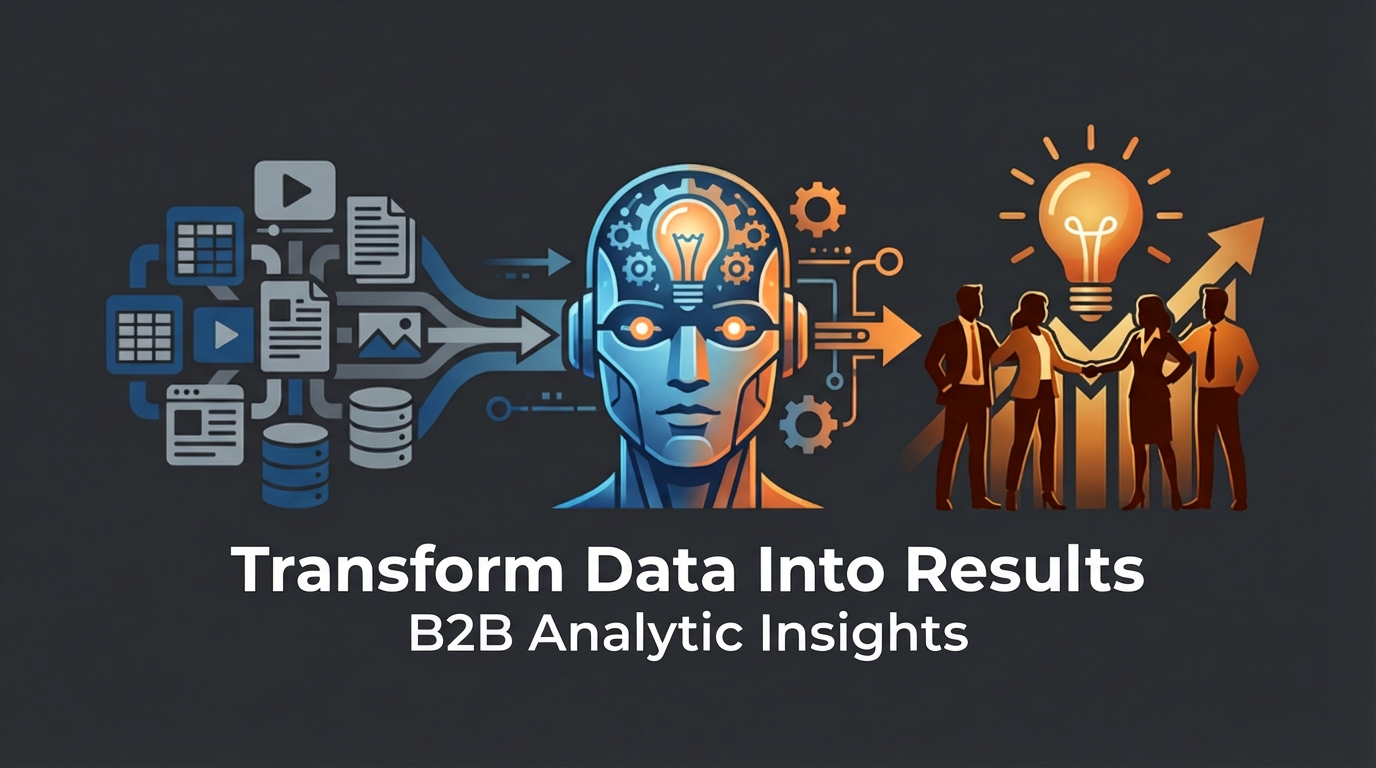
In recent years, the use of alternative data has gained traction as a powerful tool for assessing creditworthiness and expanding access to credit for underserved populations. Alternative data refers to non-traditional sources of information that can be used to supplement traditional credit data, such as utility payments, rental history, and even social media activity. By harnessing the power of big data analytics, lenders and financial institutions can gain deeper insights into an individual’s financial behavior and make more informed lending decisions.
The Benefits of Big Data Analytics
Big data analytics enables the processing and analysis of large volumes of diverse data sources, allowing lenders to identify patterns and trends that may not be apparent when using traditional credit data alone. This can lead to more accurate assessments of credit risk and potentially open up new opportunities for individuals who may have limited or no credit history. By leveraging alternative data, lenders can better serve a wider range of consumers and provide access to credit for those who may have been previously overlooked.
Towards More Inclusive Lending Practices
The use of alternative data and big data analytics has the potential to revolutionize the way creditworthiness is assessed, leading to more inclusive lending practices and greater financial inclusion. By tapping into a broader range of data sources, lenders can gain a more comprehensive understanding of an individual’s financial behavior and make more informed lending decisions. This not only benefits consumers who may have previously struggled to access credit but also creates new opportunities for lenders to expand their customer base and grow their business.
The Impact of Data Quality on Credit Score Accuracy

The accuracy of credit scores is heavily dependent on the quality of the data used in their calculation. Inaccurate or incomplete data can lead to misleading credit scores, which can have significant implications for individuals seeking access to credit. It is crucial for both consumers and lenders to ensure that the data being used to calculate credit scores is accurate and up-to-date in order to make informed financial decisions.
Data quality issues can arise from a variety of sources, including errors in reporting by creditors, identity theft, and outdated information. These issues can result in lower credit scores for individuals who may not actually pose a high credit risk, leading to missed opportunities for accessing favorable credit terms. It is essential for consumers to regularly review their credit reports and dispute any inaccuracies in order to maintain the accuracy of their credit scores.
Lenders also have a responsibility to ensure the accuracy of the data they use in assessing creditworthiness. By implementing robust data quality management processes, lenders can minimize the risk of using inaccurate data in their lending decisions and provide fair and transparent access to credit for all consumers. This not only benefits individuals seeking credit but also helps lenders mitigate risk and make more informed lending decisions.
Leveraging Alternative Data for Improved Procurement Strategies
In addition to its impact on credit scoring, alternative data can also be leveraged to improve procurement strategies for businesses. By incorporating non-traditional data sources such as supplier performance metrics, market trends, and consumer behavior patterns, businesses can gain deeper insights into their supply chain operations and make more informed procurement decisions. This can lead to cost savings, improved supplier relationships, and greater efficiency in sourcing goods and services.
Big data analytics plays a crucial role in harnessing alternative data for procurement strategies, enabling businesses to analyze large volumes of diverse data sources and identify opportunities for optimization. By leveraging alternative data, businesses can gain a more comprehensive understanding of their supply chain dynamics and make strategic decisions that drive value and competitive advantage. This can lead to improved supplier selection, better negotiation outcomes, and ultimately, enhanced business performance.
The use of alternative data in procurement strategies has the potential to transform the way businesses manage their supply chain operations and drive sustainable growth. By tapping into non-traditional data sources, businesses can gain a more holistic view of their procurement processes and identify areas for improvement. This can lead to more agile and responsive supply chain management, ultimately benefiting both businesses and their customers.
The Role of Analytics in Utilizing Alternative Data for Credit Scores
Analytics plays a critical role in utilizing alternative data for credit scoring, enabling lenders to extract meaningful insights from diverse data sources and make more accurate assessments of credit risk. By leveraging advanced analytical techniques such as machine learning and predictive modeling, lenders can identify patterns and trends in alternative data that may not be apparent through traditional credit scoring methods. This can lead to more inclusive lending practices and greater access to credit for underserved populations.
The use of analytics in utilizing alternative data for credit scores also enables lenders to continuously refine their scoring models and adapt to changing consumer behaviors and market dynamics. By analyzing large volumes of diverse data sources, lenders can gain a deeper understanding of consumer financial behavior and make more informed lending decisions. This can lead to fairer and more transparent access to credit for all consumers, ultimately driving greater financial inclusion.
Analytics also plays a crucial role in mitigating the risks associated with using alternative data in credit scoring. By implementing robust analytical processes, lenders can identify potential biases or inaccuracies in the data and ensure that their scoring models are fair and unbiased. This not only benefits consumers by providing more accurate assessments of creditworthiness but also helps lenders mitigate risk and make more informed lending decisions.
Best Practices for Incorporating Alternative Data into Procurement Strategies

Identifying Relevant Non-Traditional Data Sources
One best practice is to identify relevant non-traditional data sources that can provide insights into supplier performance, market trends, and consumer behavior patterns. By leveraging diverse data sources, businesses can gain a more comprehensive understanding of their procurement processes and make more informed sourcing decisions.
Implementing Advanced Analytics Techniques
Another best practice is to implement advanced analytics techniques such as predictive modeling and machine learning to extract meaningful insights from alternative data. By analyzing large volumes of diverse data sources, businesses can identify patterns and trends that may not be apparent through traditional procurement methods. This can lead to improved supplier selection, better negotiation outcomes, and ultimately, cost savings and efficiency gains.
Ensuring Data Quality Management
It is also important for businesses to establish robust data quality management processes when incorporating alternative data into procurement strategies. By ensuring the accuracy and completeness of the data being used, businesses can minimize the risk of making sourcing decisions based on inaccurate information. This not only benefits businesses by driving more informed procurement decisions but also helps build stronger supplier relationships and drive sustainable growth.
Future Trends in Alternative Data and Credit Score Decoding
The future of alternative data and credit score decoding is likely to be shaped by advancements in big data analytics, machine learning, and artificial intelligence. As technology continues to evolve, lenders will have access to more sophisticated analytical tools that enable them to extract deeper insights from diverse data sources. This will lead to more accurate assessments of credit risk and greater financial inclusion for underserved populations.
Another future trend is the increasing use of non-traditional data sources such as social media activity, rental history, and utility payments in credit scoring models. As these alternative data sources become more widely accepted, lenders will have access to a broader range of information that can provide a more comprehensive view of an individual’s financial behavior. This has the potential to open up new opportunities for individuals who may have limited or no traditional credit history.
The future of alternative data and credit score decoding is also likely to be influenced by regulatory developments aimed at promoting fair lending practices and consumer protection. As the use of alternative data becomes more prevalent, regulators will play a crucial role in ensuring that these practices are fair, transparent, and unbiased. This will help build trust among consumers and ensure that alternative data is used responsibly in assessing creditworthiness.
In conclusion, alternative data has the potential to revolutionize the way creditworthiness is assessed and procurement strategies are managed. By harnessing the power of big data analytics and advanced analytical techniques, businesses and lenders can gain deeper insights into consumer behavior and supply chain dynamics, ultimately driving greater financial inclusion and sustainable growth. As technology continues to evolve, the future of alternative data and credit score decoding holds great promise for improving access to credit and driving value for businesses and consumers alike.
FAQs
What is a credit score?
A credit score is a numerical representation of an individual’s creditworthiness, based on their credit history and other financial behavior.
How is a credit score calculated?
Credit scores are calculated using a variety of factors, including payment history, credit utilization, length of credit history, types of credit used, and new credit inquiries.
What is alternative data in relation to credit scores?
Alternative data refers to non-traditional sources of information that can be used to assess an individual’s creditworthiness, such as utility bill payments, rental payments, and other non-traditional financial data.
How can alternative data be harnessed for procurement strategies?
By incorporating alternative data into credit scoring models, procurement strategies can better assess the creditworthiness of potential suppliers and vendors, leading to more informed decision-making and potentially lower risk.
What are the benefits of using alternative data for procurement strategies?
Using alternative data for procurement strategies can provide a more comprehensive view of a supplier’s financial health, potentially expanding the pool of viable suppliers and reducing the risk of working with financially unstable partners.