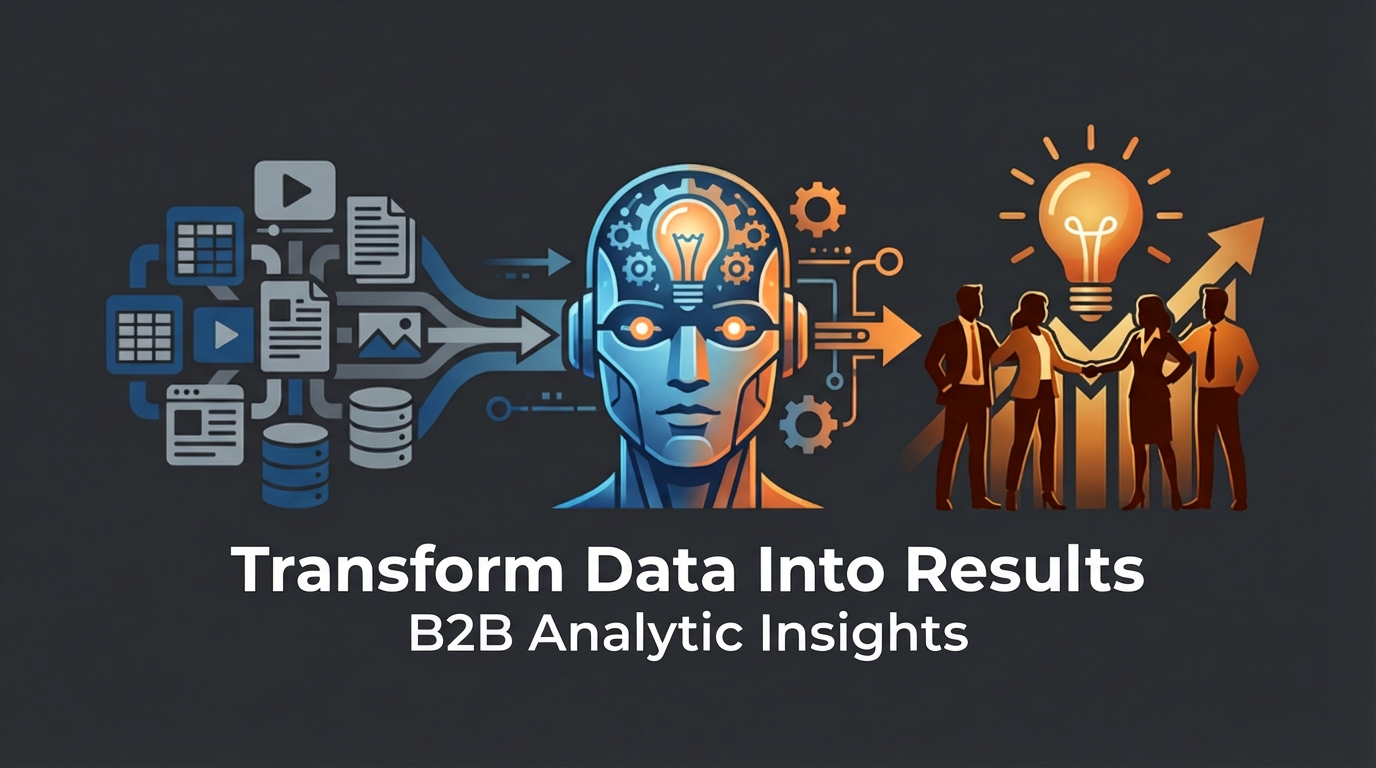

Big data has revolutionized the way commercial banks operate, providing them with unprecedented insights into customer behavior, market trends, and operational efficiency. The sheer volume and variety of data available to banks today have enabled them to make more informed decisions, improve risk management, and enhance customer experience. With the help of big data analytics, commercial banks can now analyze large datasets in real-time to identify patterns, trends, and anomalies that were previously undetectable.
This has allowed banks to streamline their operations, reduce costs, and offer more personalized products and services to their customers. Furthermore, big data has also played a crucial role in improving fraud detection and prevention in commercial banking. By analyzing large volumes of transactional data, banks can now identify suspicious activities and potential fraud in real-time, thereby minimizing financial losses and protecting their customers’ assets.
Additionally, big data has enabled commercial banks to optimize their marketing strategies by leveraging customer data to target specific demographics with personalized offers and promotions. This has not only improved customer engagement but has also resulted in higher conversion rates and increased revenue for banks. In essence, big data has had a profound impact on commercial banking operations, empowering banks to make data-driven decisions that drive growth, efficiency, and customer satisfaction.
Key Takeaways
- Big data has significantly impacted commercial banking operations by providing insights into customer behavior, market trends, and risk management.
- Leveraging analytics is crucial for commercial banks to harness the power of big data and make informed decisions that drive business growth and innovation.
- Data quality plays a critical role in driving effective commercial banking operations, as accurate and reliable data is essential for making strategic decisions.
- Utilizing primary commercial banking data can enhance the customer experience by personalizing services, improving efficiency, and increasing customer satisfaction.
- Big data analytics can improve risk management and compliance in commercial banking by identifying potential risks, detecting fraud, and ensuring regulatory compliance.
Leveraging Analytics to Harness the Power of Big Data
Forecasting with Predictive Analytics
By employing predictive analytics, banks can now forecast customer behavior, market trends, and credit risk with a high degree of accuracy. This has enabled banks to proactively manage their loan portfolios, identify potential defaults, and mitigate credit risk effectively.
Optimizing Operations with Prescriptive Analytics
Moreover, prescriptive analytics has allowed banks to optimize their operational processes by providing actionable insights that drive efficiency and cost savings. By analyzing historical data and identifying patterns, banks can now make informed decisions that improve their operational performance and reduce operational risks.
Understanding Customers with Descriptive Analytics
Furthermore, commercial banks are also using descriptive analytics to gain a better understanding of their customers’ needs and preferences. By analyzing customer data, banks can now segment their customer base, identify profitable customer segments, and tailor their products and services to meet specific customer needs. This has not only improved customer satisfaction but has also resulted in higher customer retention rates and increased profitability for banks.
The Role of Data Quality in Driving Effective Commercial Banking Operations

Data quality plays a critical role in driving effective commercial banking operations, as it directly impacts the accuracy and reliability of decision-making processes. Poor data quality can lead to erroneous insights, flawed risk assessments, and ineffective customer targeting, ultimately resulting in financial losses and reputational damage for banks. Therefore, commercial banks are increasingly investing in data quality management solutions to ensure that their data is accurate, complete, and consistent.
By implementing data quality controls and validation processes, banks can now ensure that their data is free from errors, duplicates, and inconsistencies, thereby improving the reliability of their analytics and decision-making processes. Moreover, data quality also plays a crucial role in regulatory compliance for commercial banks. With stringent regulations governing the collection and use of customer data, banks must ensure that their data is accurate and compliant with regulatory requirements.
Failure to maintain data quality can result in hefty fines and legal repercussions for banks, making it imperative for them to prioritize data quality management. Additionally, high-quality data is essential for driving effective marketing campaigns, as it enables banks to target specific customer segments with personalized offers and promotions. In essence, data quality is a cornerstone of effective commercial banking operations, enabling banks to make reliable decisions, comply with regulations, and deliver superior customer experiences.
Utilizing Primary Commercial Banking Data to Enhance Customer Experience
Commercial banks are increasingly utilizing primary banking data to enhance customer experience by offering personalized products and services tailored to individual customer needs. By analyzing transactional data, account activity, and customer interactions, banks can now gain valuable insights into their customers’ behavior and preferences. This enables them to offer targeted products and services that meet specific customer needs, thereby improving customer satisfaction and loyalty.
Moreover, by leveraging primary banking data, banks can also provide real-time insights into customers’ financial health and offer proactive financial advice and support. Furthermore, primary banking data is also being used to streamline the customer onboarding process by automating account opening procedures and reducing the time it takes for customers to access banking services. By analyzing customer data, banks can now pre-fill application forms with relevant information, verify customer identities more efficiently, and offer instant approvals for new accounts and services.
This not only improves the overall customer experience but also reduces operational costs for banks. In essence, by utilizing primary banking data to enhance customer experience, commercial banks are able to offer more personalized products and services, streamline their operations, and build stronger relationships with their customers.
Improving Risk Management and Compliance through Big Data Analytics
Big data analytics has significantly improved risk management and compliance for commercial banks by enabling them to identify potential risks and regulatory issues more effectively. By analyzing large volumes of transactional data and market trends, banks can now identify potential credit risks, market risks, and operational risks in real-time. This allows them to take proactive measures to mitigate risks before they escalate into larger issues that could impact the bank’s financial stability.
Additionally, big data analytics has also enabled banks to enhance their anti-money laundering (AML) and know your customer (KYC) processes by identifying suspicious activities and potential compliance issues more efficiently. Moreover, big data analytics has played a crucial role in regulatory compliance for commercial banks by enabling them to monitor and report on regulatory requirements more effectively. By analyzing large datasets for compliance-related activities such as reporting requirements or transaction monitoring, banks can now ensure that they are meeting regulatory obligations and avoiding potential fines or legal repercussions.
Furthermore, big data analytics has also improved fraud detection and prevention by enabling banks to identify fraudulent activities more accurately and in real-time. In essence, big data analytics has significantly improved risk management and compliance for commercial banks by enabling them to identify potential risks more effectively, monitor regulatory requirements more efficiently, and detect fraudulent activities more accurately.
Harnessing Big Data to Drive Innovation and Business Growth in Commercial Banking

Identifying New Opportunities for Innovation
By analyzing large volumes of customer data and market trends, banks can identify new opportunities for innovation and develop products that address specific customer pain points. This has enabled banks to launch new digital banking services such as mobile payments, peer-to-peer lending platforms, and robo-advisory services that cater to the changing preferences of modern customers.
Personalized Products and Services
Big data has also enabled banks to develop more personalized products and services that meet individual customer needs more effectively. By analyzing customer data and market trends, banks can identify underserved market segments or emerging trends that present new growth opportunities.
Optimizing Operations for Sustainable Growth
Moreover, big data has enabled banks to optimize their operational processes by identifying inefficiencies or bottlenecks that hinder business growth. This has enabled banks to develop targeted marketing strategies that attract new customers and increase market share, ultimately driving business growth and sustainable development.
Overcoming Challenges and Maximizing Opportunities in Commercial Banking with Big Data
While big data presents significant opportunities for commercial banks, it also comes with its own set of challenges that must be overcome to maximize its benefits effectively. One of the key challenges faced by commercial banks is the sheer volume of data available to them, which can be overwhelming to manage effectively. Banks must invest in robust data management solutions that enable them to store, process, and analyze large volumes of data efficiently while ensuring its security and privacy.
Additionally, commercial banks must also address the issue of data silos within their organizations by integrating disparate datasets from different departments into a centralized platform that enables cross-functional analysis. Moreover, commercial banks must also address the issue of talent shortage in the field of big data analytics by investing in training programs that enable their employees to develop the necessary skills to analyze large datasets effectively. This will enable banks to build a team of skilled analysts who can derive valuable insights from big data that drive business growth and innovation.
Furthermore, commercial banks must also address the issue of regulatory compliance when using big data by ensuring that they are collecting and using customer data in a manner that complies with privacy regulations such as GDPR or CCPA. In conclusion, while big data presents significant challenges for commercial banks, it also presents unprecedented opportunities for them to improve operational efficiency, enhance customer experience, drive innovation, and achieve sustainable growth. By leveraging advanced analytics tools and prioritizing data quality management, commercial banks can harness the power of big data effectively to make more informed decisions that drive business success.
However, it is imperative for banks to address the challenges associated with big data effectively by investing in robust data management solutions, talent development programs, and regulatory compliance measures. By doing so, commercial banks can maximize the opportunities presented by big data while overcoming its challenges effectively.
FAQs
What is big data in the context of commercial banking?
Big data in commercial banking refers to the large volume of structured and unstructured data that banks collect from various sources such as customer transactions, social media, and market trends. This data is analyzed to gain insights that can be used to improve operations, customer service, and decision-making.
How is big data transforming operations in commercial banking?
Big data is transforming operations in commercial banking by enabling banks to better understand customer behavior, manage risk, detect fraud, and personalize services. It also helps in optimizing processes, improving efficiency, and developing new products and services.
What are the benefits of using primary commercial banking data?
Primary commercial banking data provides valuable insights into customer behavior, market trends, and operational efficiency. By analyzing this data, banks can make more informed decisions, improve customer service, and identify new business opportunities.
What are some examples of how big data is being used in commercial banking?
Big data is being used in commercial banking for various purposes such as credit scoring, fraud detection, customer segmentation, and personalized marketing. It is also used for risk management, compliance, and operational efficiency.
What are the challenges of leveraging big data in commercial banking?
Challenges of leveraging big data in commercial banking include data privacy and security concerns, regulatory compliance, data integration, and the need for skilled data analysts and data scientists. Additionally, managing and storing large volumes of data can be costly and complex.