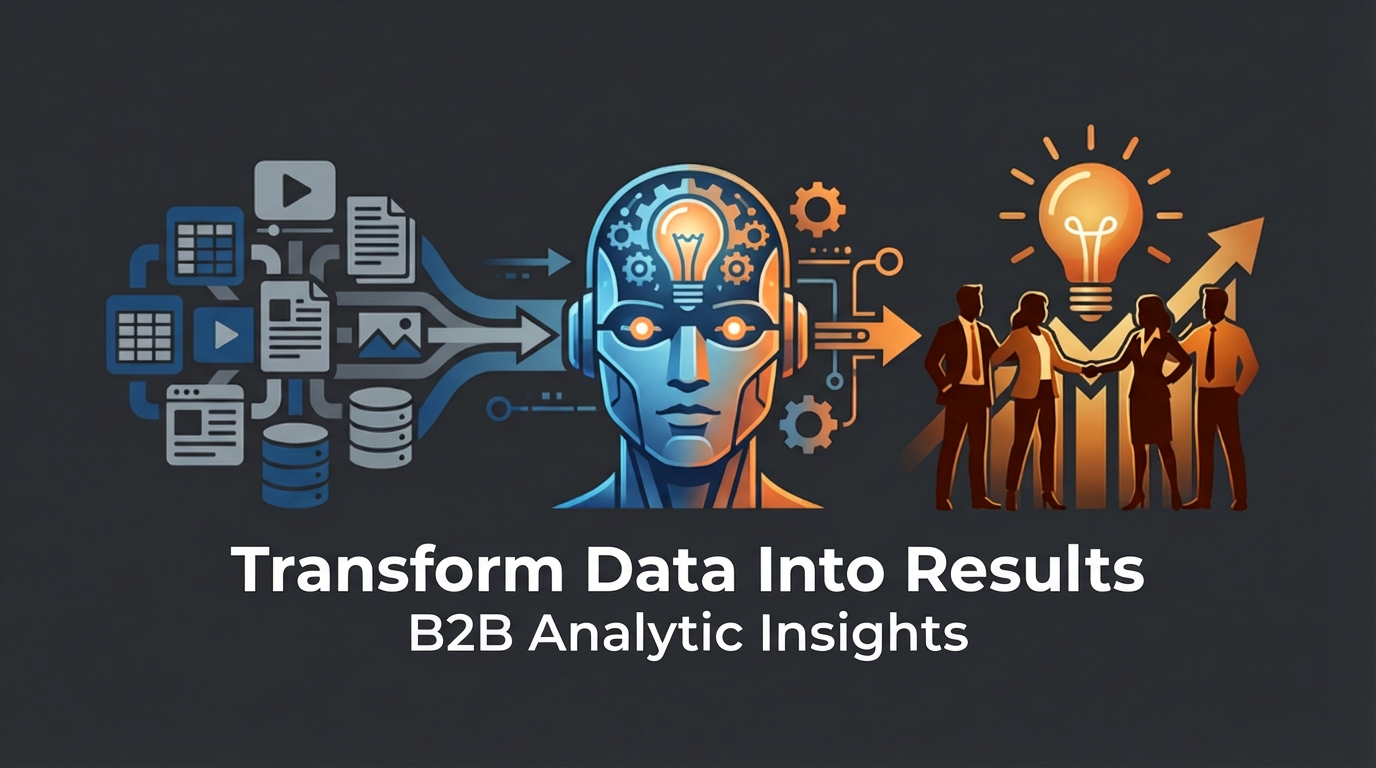
In the digital era, integrating commercial consumer data into financial operations has become crucial for businesses to maintain competitiveness and make data-driven decisions. This integration involves combining consumer data from diverse sources, including social media, online transactions, and demographic information. Financial institutions can leverage this data to gain insights into consumer behavior, preferences, and trends, enabling them to personalize financial services, enhance risk assessment, and optimize marketing strategies.
Furthermore, this data integration can help businesses identify new market opportunities, streamline operations, and drive growth and profitability. A primary advantage of incorporating commercial consumer data into financial operations is the ability to develop a comprehensive understanding of consumer behavior and preferences. By analyzing data from multiple sources, financial institutions can identify patterns and trends that inform product and service customization to better meet customer needs.
For instance, analyzing online transaction data allows banks to recognize spending patterns and preferences, facilitating personalized recommendations and targeted promotions. This level of personalization enhances customer experience, increases loyalty, and improves retention rates. Additionally, blending commercial consumer data into financial operations enhances risk assessment and fraud detection capabilities.
Financial institutions can more effectively identify potential risks and fraudulent activities by analyzing consumer data. For example, examining transaction data and social media activity can help banks detect unusual spending patterns or suspicious behavior indicative of fraudulent activity. This approach enables financial institutions to mitigate risks and protect both their customers and assets.
Overall, integrating commercial consumer data into financial operations provides businesses with valuable insights that drive strategic decision-making, improve customer experience, and mitigate risks.
Key Takeaways
- Blending commercial consumer data into financial operations can provide valuable insights into customer behavior and preferences, leading to more targeted and personalized financial services.
- Leveraging big data analytics for financial decision making allows for more informed and strategic business decisions, leading to improved operational efficiency and profitability.
- Ensuring data quality is crucial for accurate financial analysis, as inaccurate or incomplete data can lead to flawed insights and decision making.
- Integrating consumer behavior data into marketing and sales strategies can help businesses better understand their target audience and tailor their offerings to meet customer needs and preferences.
- Using blended data for risk assessment and fraud detection can help financial institutions identify and mitigate potential risks, leading to improved security and trust for customers.
Leveraging Big Data Analytics for Financial Decision Making
Unlocking New Market Opportunities
Big data analytics has become an essential tool for financial decision-making, enabling financial institutions to identify new market opportunities and improve operational efficiency. One of the key ways in which financial institutions leverage big data analytics is through predictive analytics. By analyzing historical data and identifying patterns and trends, financial institutions can make more accurate predictions about consumer behavior, market trends, and potential risks.
Driving Operational Efficiency
Big data analytics also enables financial institutions to identify inefficiencies in their operations and streamline processes to improve productivity and reduce costs. By analyzing large volumes of data, financial institutions can identify bottlenecks in their processes and implement solutions to improve efficiency. For example, by analyzing transaction data and customer interactions, banks can identify areas for improvement and optimize their operations.
Enhancing Competitive Advantage
Overall, leveraging big data analytics for financial decision-making allows businesses to gain valuable insights that drive strategic initiatives, improve operational efficiency, and ultimately enhance their competitive advantage in the market. By staying ahead of the curve with big data analytics, financial institutions can make proactive decisions that drive growth and profitability.
Ensuring Data Quality for Accurate Financial Analysis

Ensuring data quality is essential for accurate financial analysis and decision-making. With the increasing volume and variety of data available to financial institutions, it is crucial to have processes in place to ensure that the data used for analysis is accurate, reliable, and consistent. Poor data quality can lead to inaccurate insights, flawed decision-making, and ultimately negative impacts on business performance.
Therefore, financial institutions must prioritize data quality management to ensure that the data used for analysis is of high quality and integrity. One way in which financial institutions can ensure data quality is through data governance. Data governance involves establishing policies, processes, and standards for managing data throughout its lifecycle.
By implementing robust data governance practices, financial institutions can ensure that the data used for analysis is accurate, consistent, and compliant with regulatory requirements. This helps to mitigate the risk of using poor-quality data for decision-making and ensures that the insights gained from analysis are reliable and trustworthy. Another way to ensure data quality is through data validation and cleansing processes.
Before conducting any analysis, financial institutions should implement validation and cleansing processes to identify and correct any errors or inconsistencies in the data. This may involve removing duplicate records, standardizing formats, and validating data against predefined rules or criteria. By ensuring that the data used for analysis is clean and accurate, financial institutions can make more informed decisions and drive strategic initiatives with confidence.
Overall, ensuring data quality is essential for accurate financial analysis and decision-making, and financial institutions must prioritize data quality management to maintain a competitive edge in the market.
Integrating Consumer Behavior Data for Targeted Marketing and Sales Strategies
Integrating consumer behavior data into marketing and sales strategies has become increasingly important for businesses to stay competitive in today’s digital age. By analyzing consumer behavior data from various sources such as online transactions, social media activity, and demographic information, businesses can gain valuable insights into consumer preferences, purchasing patterns, and engagement levels. This data can be used to personalize marketing campaigns, target specific customer segments, and optimize sales strategies for improved customer acquisition and retention.
One of the key benefits of integrating consumer behavior data into marketing and sales strategies is the ability to personalize marketing campaigns. By analyzing consumer behavior data, businesses can gain a deeper understanding of their customers’ preferences, interests, and purchasing habits. This allows businesses to tailor their marketing messages and offers to better resonate with their target audience, increasing the effectiveness of their campaigns.
For example, by analyzing online transaction data, retailers can identify purchasing patterns and preferences to offer personalized product recommendations and promotions to their customers. Another benefit of integrating consumer behavior data into marketing and sales strategies is the ability to target specific customer segments more effectively. By analyzing demographic information and online engagement levels, businesses can identify high-value customer segments and tailor their marketing efforts to reach these segments more effectively.
This level of targeting not only improves the efficiency of marketing campaigns but also increases the likelihood of converting leads into customers. For example, by analyzing social media activity, businesses can identify specific customer segments that are more likely to engage with their brand and tailor their marketing messages to resonate with these segments. Overall, integrating consumer behavior data into marketing and sales strategies provides businesses with valuable insights that can drive more personalized marketing campaigns, improve customer targeting, and ultimately increase sales effectiveness.
Using Blended Data for Risk Assessment and Fraud Detection
The use of blended data for risk assessment and fraud detection has become increasingly important for financial institutions to mitigate risks and protect their assets. By blending data from various sources such as transaction records, customer interactions, and external databases, financial institutions can gain a comprehensive view of potential risks and fraudulent activities. This allows them to make more informed decisions about risk management strategies and implement proactive measures to detect and prevent fraud.
One of the key benefits of using blended data for risk assessment is the ability to gain a holistic view of potential risks. By blending data from various sources such as transaction records, customer interactions, and external databases, financial institutions can identify patterns and trends that may indicate potential risks or fraudulent activities. This comprehensive view allows them to make more accurate assessments of potential risks and take proactive measures to mitigate these risks effectively.
Another benefit of using blended data for fraud detection is the ability to detect fraudulent activities more effectively. By analyzing blended data from various sources, financial institutions can identify unusual patterns or anomalies that may indicate fraudulent activities. For example, by analyzing transaction records alongside customer interactions and external databases, banks can detect unusual spending patterns or suspicious behavior that may indicate potential fraud.
This allows them to take immediate action to prevent further fraudulent activities and protect both their customers and their own assets. Overall, using blended data for risk assessment and fraud detection provides financial institutions with valuable insights that allow them to make more informed decisions about risk management strategies, detect fraudulent activities more effectively, and ultimately protect their assets from potential risks.
Improving Customer Experience through Personalized Financial Services

Personalized Products and Services
One of the key benefits of improving customer experience through personalized financial services is the ability to offer tailored products and services that better meet the needs of individual customers. By analyzing blended consumer data, financial institutions can gain a deeper understanding of their customers’ preferences, behaviors, and life stages. This allows them to offer personalized recommendations for products such as loans or investment options that are better suited to each customer’s unique needs.
Enhanced Customer Engagement and Loyalty
Another benefit of improving customer experience through personalized financial services is the ability to enhance customer engagement and loyalty. By offering personalized recommendations based on blended consumer data, financial institutions can demonstrate a deeper understanding of their customers’ needs and preferences. This level of personalization not only enhances the overall customer experience but also increases customer satisfaction and loyalty.
Valuable Insights for Financial Institutions
Overall, improving customer experience through personalized financial services provides financial institutions with valuable insights that allow them to offer tailored products and services that better meet the individual needs of their customers while enhancing customer engagement and loyalty.
The Future of Blended Data Integration in Financial Operations: Opportunities and Challenges
The future of blended data integration in financial operations presents both opportunities and challenges for businesses looking to stay competitive in a rapidly evolving digital landscape. On one hand, the integration of blended consumer data presents opportunities for businesses to gain valuable insights into consumer behavior, improve decision-making processes, enhance customer experience, and drive growth. On the other hand, businesses must navigate challenges such as ensuring data privacy and security compliance while managing large volumes of diverse data from various sources.
One opportunity presented by the future of blended data integration in financial operations is the ability to gain a deeper understanding of consumer behavior. By integrating blended consumer data from various sources such as social media activity, online transactions, and demographic information, businesses can gain valuable insights into consumer preferences, behaviors, and trends. This allows them to make more informed decisions about product development, marketing strategies, and customer engagement initiatives.
Another opportunity presented by the future of blended data integration in financial operations is the ability to enhance customer experience through personalized services. By leveraging blended consumer data, businesses can offer tailored products and services that better meet the individual needs of their customers. This level of personalization not only enhances the overall customer experience but also increases customer satisfaction and loyalty.
However, businesses must also navigate challenges such as ensuring compliance with data privacy regulations while managing large volumes of diverse data from various sources. With the increasing focus on data privacy regulations such as GDPR (General Data Protection Regulation) in Europe or CCPA (California Consumer Privacy Act) in the United States, businesses must ensure that they are compliant with these regulations when collecting and using consumer data for analysis. Overall, the future of blended data integration in financial operations presents both opportunities for businesses to gain valuable insights into consumer behavior while enhancing customer experience but also challenges related to ensuring compliance with data privacy regulations while managing large volumes of diverse data from various sources.
As businesses continue to navigate these opportunities and challenges in the future landscape of blended data integration in financial operations will be essential for maintaining a competitive edge in the market.
FAQs
What is blended commercial consumer data?
Blended commercial consumer data refers to the combination of commercial and consumer data sources to provide a more comprehensive view of a customer’s financial behavior and creditworthiness.
How is blended commercial consumer data integrated into financial operations?
Blended commercial consumer data is integrated into financial operations through the use of advanced analytics and data management systems. This data is used to assess credit risk, make lending decisions, and personalize marketing efforts.
What are the benefits of integrating blended commercial consumer data into financial operations?
Integrating blended commercial consumer data into financial operations can lead to more accurate risk assessment, improved customer segmentation, and better decision-making. It can also help financial institutions identify new business opportunities and reduce the risk of fraud.
What are some common challenges in integrating blended commercial consumer data into financial operations?
Common challenges in integrating blended commercial consumer data into financial operations include data quality issues, regulatory compliance concerns, and the need for advanced analytics capabilities. Additionally, privacy and security considerations must be carefully managed.
How can financial institutions ensure the ethical use of blended commercial consumer data?
Financial institutions can ensure the ethical use of blended commercial consumer data by adhering to data privacy regulations, obtaining customer consent for data usage, and implementing robust data security measures. Transparency and accountability in data usage are also essential.