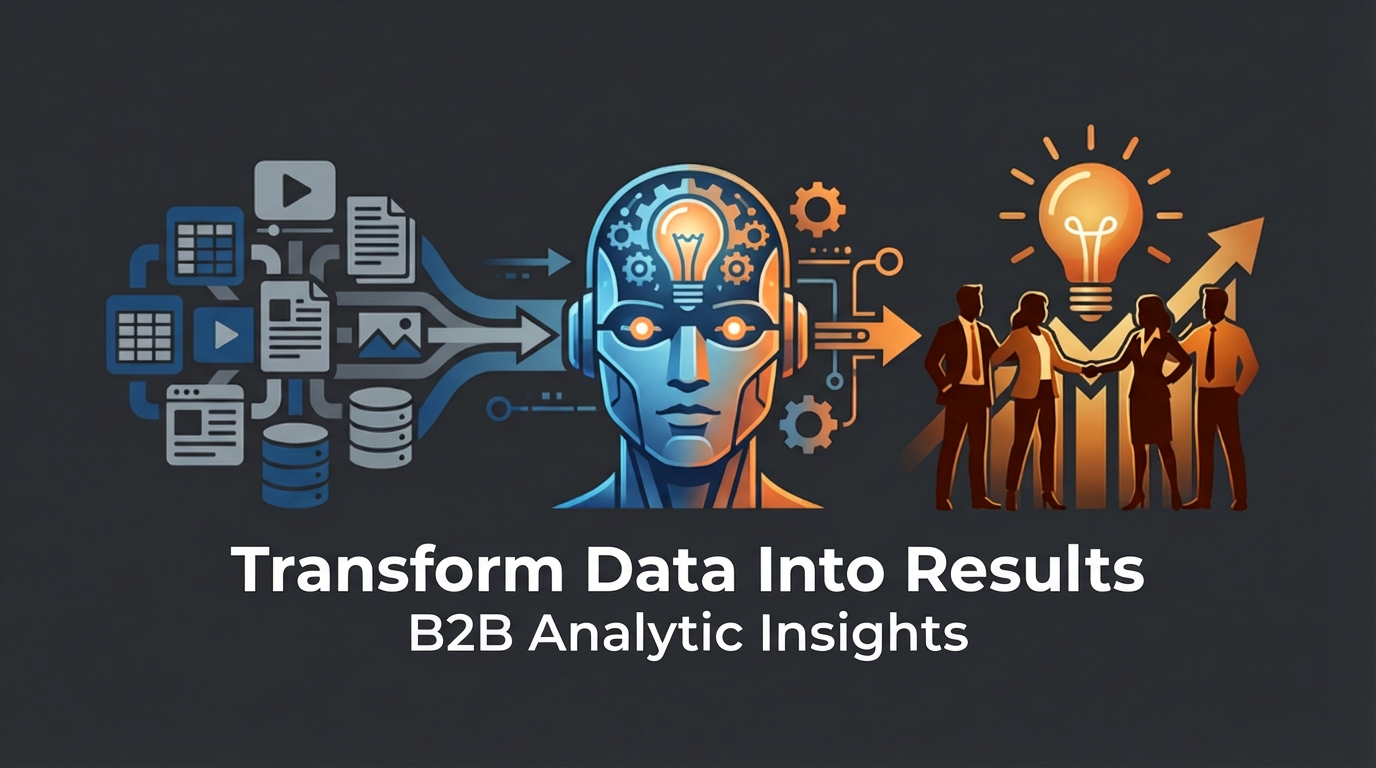

Alternative commercial credit scores are a recent development in credit assessment that differ from traditional credit scores. While traditional scores focus on personal credit history and financial behavior, alternative commercial credit scores incorporate a wider range of data points, including business transactions, payment histories, and other non-traditional information sources. This approach provides a more comprehensive and accurate assessment of a business’s creditworthiness and overall financial health.
The use of alternative commercial credit scores in procurement strategies offers several benefits. By considering a broader range of data, businesses can better understand their suppliers’ financial stability and reliability, helping to mitigate risks associated with financially unstable suppliers and improve procurement decision-making. These scores also provide a more inclusive assessment of businesses without extensive traditional credit histories, such as newer or smaller companies, potentially expanding opportunities for diverse supplier relationships and fostering innovation within supply chains.
Alternative commercial credit scores offer a more dynamic and real-time view of a business’s financial health, enabling more agile and responsive procurement strategies. This allows businesses to adapt quickly to changes in their suppliers’ financial situations and make informed decisions in a rapidly evolving market. Overall, alternative commercial credit scores provide a more nuanced and comprehensive approach to credit assessment, offering valuable insights for procurement strategies.
Key Takeaways
- Alternative commercial credit scores differ from traditional credit scores and offer benefits for procurement strategies.
- Big data plays a crucial role in providing valuable insights for commercial credit scores.
- Data quality is of utmost importance in credit assessment and can significantly impact commercial credit scores.
- Businesses can enhance their procurement strategies by utilizing alternative commercial credit scores.
- Analyzing trends and patterns in commercial credit data is valuable for identifying risks and opportunities in credit assessments.
Leveraging Big Data for Credit Insights
Enhanced Procurement Decisions
Big data analytics allow for the identification of patterns, trends, and correlations that may not be apparent through traditional credit assessment methods. This can provide businesses with a more nuanced and accurate view of their financial relationships, enabling them to make more informed procurement decisions.
Risk Management and Opportunity Identification
Businesses can leverage big data analytics to not only assess their suppliers’ creditworthiness but also to identify potential risks and opportunities within their supply chains. By analyzing a wide range of data points, including transaction histories, market trends, and economic indicators, businesses can gain valuable insights into the financial health of their suppliers and the broader market landscape.
Competitive Advantage and Strategic Decision-Making
By leveraging big data for credit insights, businesses can gain a competitive edge in their procurement processes, making more strategic and informed decisions that drive value and mitigate risk. Furthermore, big data analytics enable businesses to continuously monitor and evaluate their suppliers’ financial performance in real time, allowing for more agile and responsive procurement strategies.
Importance of Data Quality in Credit Assessment

The significance of data quality in credit assessment cannot be overstated. Accurate and reliable data is essential for generating trustworthy commercial credit scores that businesses can depend on for their procurement strategies. Inaccurate or incomplete data can lead to flawed assessments of creditworthiness, potentially exposing businesses to unnecessary risks and uncertainties in their supply chains.
Therefore, ensuring data quality is paramount for businesses seeking to make sound procurement decisions based on commercial credit scores. Businesses can ensure data quality by implementing robust data management practices and leveraging advanced technologies for data validation and verification. This includes regularly auditing and cleansing their data to remove any inaccuracies or inconsistencies that could compromise the integrity of their credit assessments.
Additionally, businesses can utilize data validation tools and algorithms to verify the accuracy and completeness of the data they use for credit assessment, ensuring that they are working with reliable information. By prioritizing data quality in credit assessment, businesses can enhance the reliability and relevance of their commercial credit scores, enabling them to make more informed procurement decisions. Accurate and reliable data forms the foundation for effective credit assessment, providing businesses with the confidence to engage with suppliers and partners that align with their strategic objectives.
Ultimately, data quality is essential for businesses looking to optimize their procurement strategies and drive sustainable growth.
Enhancing Procurement Strategies with Alternative Credit Scores
Practical ways businesses can utilize alternative commercial credit scores to enhance their procurement strategies include leveraging these scores to identify new supplier opportunities. Traditional credit scores may not capture the full financial picture of all potential suppliers, especially newer or smaller companies that may not have extensive credit histories. Alternative scores provide a more inclusive assessment, allowing businesses to identify and engage with a broader range of suppliers that may offer unique value propositions or innovative solutions.
Additionally, alternative commercial credit scores can be used to negotiate more favorable terms with suppliers. By having a more comprehensive understanding of a supplier’s financial health through alternative scores, businesses can enter negotiations with greater confidence and leverage. This can lead to more favorable pricing, payment terms, or contractual agreements that benefit both parties.
Furthermore, alternative scores can help businesses identify potential risks within their supply chain and proactively manage them through strategic partnerships or risk mitigation strategies. Case studies have shown that businesses that incorporate alternative commercial credit scores into their procurement processes experience improved supplier relationships, reduced supply chain disruptions, and enhanced overall procurement efficiency. For example, a manufacturing company that integrated alternative scores into its supplier evaluation process was able to identify financially stable suppliers that offered competitive pricing and reliable delivery schedules.
This resulted in cost savings and improved production efficiency, ultimately driving value for the business.
Analyzing Trends and Patterns in Commercial Credit Data
Analyzing trends and patterns in commercial credit data is essential for developing effective procurement strategies. By leveraging analytics tools and techniques, businesses can identify potential risks and opportunities within their supply chains, enabling them to make informed decisions that drive value and mitigate risk. For example, by analyzing payment trends across different suppliers, businesses can identify potential cash flow challenges or operational inefficiencies within their supply chain and take proactive measures to address them.
Furthermore, analyzing trends and patterns in commercial credit data allows businesses to anticipate market shifts and economic changes that may impact their suppliers’ financial health. By staying ahead of these trends, businesses can adapt their procurement strategies accordingly, ensuring continuity in their supply chain operations. This proactive approach to risk management can help businesses avoid costly disruptions and maintain a competitive edge in the market.
Moreover, analyzing trends and patterns in commercial credit data enables businesses to identify potential opportunities for strategic partnerships or supplier diversification. By identifying emerging trends or market gaps, businesses can proactively seek out new suppliers that offer unique value propositions or innovative solutions. This can lead to enhanced agility and innovation within the supply chain, ultimately driving long-term growth and sustainability for the business.
Integrating Alternative Credit Scores into Procurement Decision-Making

Establishing Clear Evaluation Criteria
To integrate alternative credit scores into their procurement decision-making processes, businesses can establish clear evaluation criteria that incorporate both traditional and alternative assessments of creditworthiness. This ensures that all relevant factors are considered when evaluating potential suppliers, providing a more balanced and accurate view of their financial stability. Additionally, businesses can leverage advanced analytics tools to integrate alternative scores into their procurement workflows, enabling them to make real-time decisions based on the most up-to-date credit assessments.
Enhancing Risk Management and Driving Value
By integrating alternative commercial credit scores into procurement decision-making processes, businesses can enhance their risk management capabilities and drive value within their supply chains. For example, by using alternative scores to identify financially stable suppliers with innovative solutions or competitive pricing, businesses can optimize their supplier relationships and drive cost savings. Furthermore, integrating alternative scores enables businesses to adapt to changes in the market landscape more quickly, ensuring agility and resilience in their procurement strategies.
Optimizing Supplier Relationships and Procurement Strategies
By leveraging alternative credit scores, businesses can optimize their supplier relationships and drive value within their supply chains. This includes identifying financially stable suppliers with innovative solutions or competitive pricing, and adapting to changes in the market landscape more quickly. By doing so, businesses can ensure agility and resilience in their procurement strategies, ultimately driving long-term success.
Future Trends in Alternative Commercial Credit Scores
Emerging trends in alternative commercial credit scores are poised to have a significant impact on procurement strategies in the future. As technology continues to advance, alternative scoring models are becoming increasingly sophisticated, incorporating a wider range of data sources and advanced analytics techniques. This trend is expected to provide businesses with even more nuanced insights into their suppliers’ financial health and reliability, enabling them to make more informed and strategic procurement decisions.
Furthermore, the integration of artificial intelligence (AI) and machine learning into alternative scoring models is expected to revolutionize credit assessment processes. These advanced technologies will enable businesses to analyze vast amounts of data in real time, identifying patterns and correlations that may not be apparent through traditional methods. This will provide businesses with a more dynamic and responsive view of their suppliers’ financial situations, allowing for agile decision-making in rapidly evolving market conditions.
Additionally, the growing emphasis on sustainability and corporate social responsibility is expected to influence the development of alternative commercial credit scores. Future scoring models may incorporate environmental, social, and governance (ESG) factors into credit assessments, enabling businesses to align their procurement strategies with their sustainability goals. This trend will drive greater transparency and accountability within supply chains, ultimately leading to more responsible and ethical procurement practices.
In preparation for these upcoming developments in credit assessment, businesses should prioritize building robust data management capabilities and leveraging advanced analytics tools. By investing in these foundational capabilities, businesses can position themselves to take full advantage of emerging trends in alternative commercial credit scores, driving value and resilience within their procurement strategies. Ultimately, the future outlook for alternative scores is one of innovation and opportunity for businesses seeking to optimize their supply chain operations.
FAQs
What are alternative commercial credit scores?
Alternative commercial credit scores are credit scores that are used to assess the creditworthiness of a business, but are not based on traditional credit data such as payment history, outstanding debt, and length of credit history. Instead, these scores may incorporate alternative data sources such as business transactions, vendor payment history, and public records to provide a more comprehensive view of a business’s creditworthiness.
How can alternative commercial credit scores enhance procurement strategies?
By utilizing alternative commercial credit scores, businesses can gain a more holistic understanding of their suppliers’ financial health and stability. This can help in making more informed procurement decisions, identifying potential risks, and negotiating better terms with suppliers. Additionally, alternative credit scores can provide insights into the financial stability of potential business partners, helping to mitigate risks associated with supply chain disruptions.
What are the benefits of using alternative commercial credit scores in procurement?
Some of the benefits of using alternative commercial credit scores in procurement include:
– Improved supplier risk assessment
– Enhanced negotiation leverage with suppliers
– Better understanding of potential supply chain disruptions
– More informed decision-making in supplier selection
– Mitigation of financial risks associated with suppliers
How are alternative commercial credit scores different from traditional credit scores?
Traditional credit scores are based on a business’s credit history, payment behavior, and other financial data, while alternative commercial credit scores incorporate a wider range of data sources such as business transactions, vendor payment history, and public records. Alternative credit scores provide a more comprehensive view of a business’s financial health and creditworthiness, beyond what traditional credit scores can offer.
Where can businesses access alternative commercial credit scores?
Businesses can access alternative commercial credit scores from various credit reporting agencies, financial technology companies, and data providers that specialize in alternative credit scoring. These scores may be available as part of a broader credit assessment service or as standalone products specifically designed for procurement and supplier risk management.