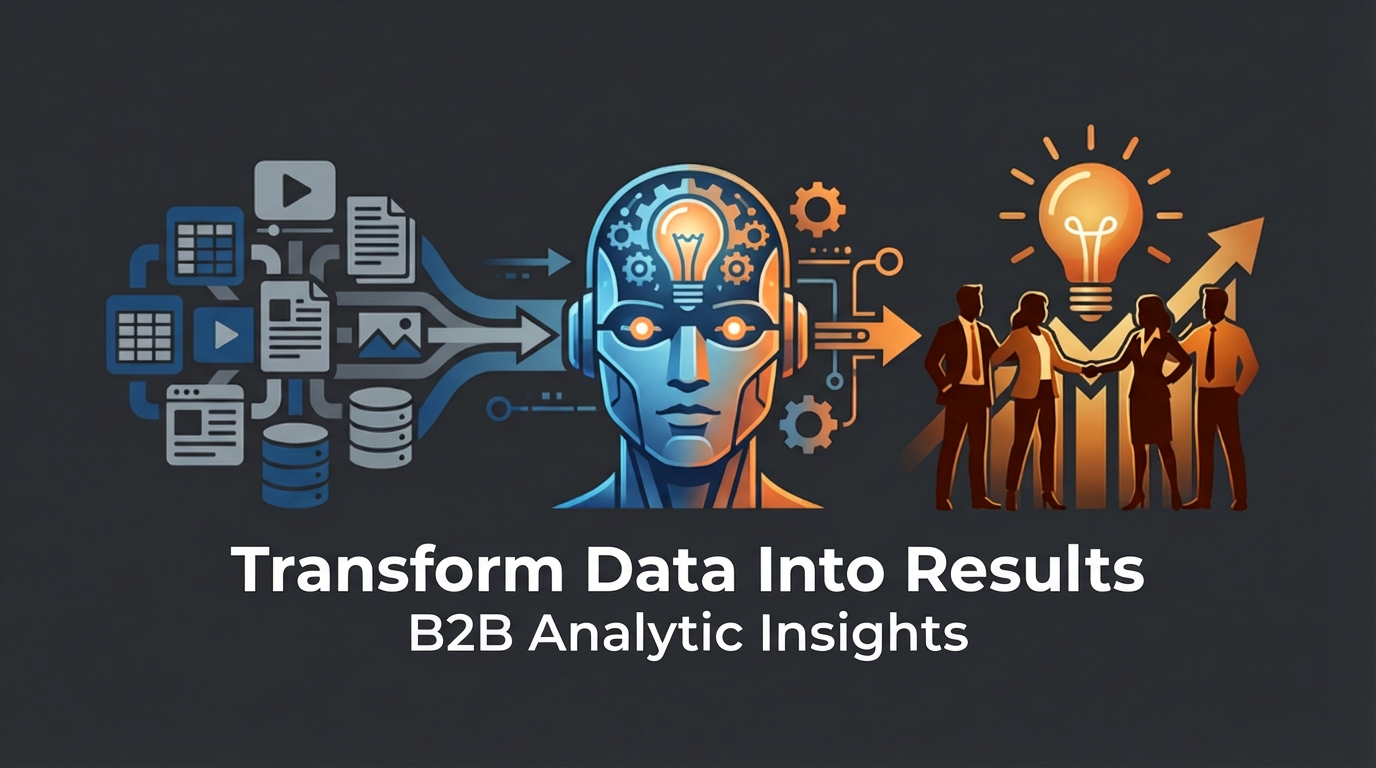

Credit rating methodologies have traditionally relied on analyzing financial statements, credit history, and other conventional financial data to assess a company’s creditworthiness. This approach has been the industry standard for decades. However, technological advancements and increased data availability have led to a shift towards using alternative data for procurement innovation.
Alternative data encompasses non-traditional information sources such as social media activity, web traffic, and other unconventional data points that can offer valuable insights into a company’s financial health and creditworthiness. This evolution in credit ratings is transforming how companies are evaluated for credit, providing a more comprehensive and accurate assessment of their financial standing. The potential of big data in revolutionizing credit ratings has gained significant recognition in recent years.
Big data refers to the vast volume of structured and unstructured information generated by companies daily. By leveraging big data, credit rating agencies and financial institutions can obtain a more thorough understanding of a company’s financial health. This includes analyzing cash flow, customer transactions, and even social media sentiment to evaluate creditworthiness.
The utilization of big data has substantially enhanced the accuracy and reliability of credit ratings, offering a more holistic and real-time view of a company’s financial position. Consequently, big data is playing a crucial role in transforming traditional credit rating determination methods and is driving the development of more innovative and precise credit assessment processes.
Key Takeaways
- Credit ratings are traditionally determined based on financial statements and historical performance.
- Utilizing alternative data for procurement innovation involves using non-traditional sources of information to assess creditworthiness and identify new procurement opportunities.
- Big data is providing a more comprehensive view of a company’s financial health, leading to more accurate and reliable credit ratings.
- Data quality is crucial for ensuring the accuracy and reliability of alternative credit ratings, presenting both challenges and opportunities.
- Analytics are being leveraged to identify new procurement opportunities, with case studies demonstrating their impact on decision-making.
- Alternative data is being used to inform procurement decisions, with potential benefits and drawbacks to consider.
- Credit ratings transformation is affecting supply chain management practices, with potential implications for risk management and supplier relationships.
- The future of credit ratings and procurement innovation holds potential developments that will impact businesses and the broader economy.
The Role of Big Data in Credit Ratings Transformation
Revolutionizing Credit Evaluation
The utilization of big data in credit ratings transformation has revolutionized the way companies are evaluated for credit. By tapping into a wide range of data sources, including social media activity, web traffic, and customer transactions, credit rating agencies are able to gain a more comprehensive understanding of a company’s financial health. This allows for a more accurate assessment of creditworthiness, as it provides a real-time view of a company’s performance and financial standing.
Identifying Risks and Opportunities
Big data enables credit rating agencies to identify potential risks and opportunities that may not be evident through traditional financial data alone. This comprehensive approach to credit assessment has significantly improved the accuracy and reliability of credit ratings, providing a more nuanced and insightful view of a company’s creditworthiness.
Enhancing Lending Decisions
By leveraging big data analytics, credit rating agencies are able to identify patterns and trends that may indicate potential financial distress or growth opportunities for a company. This level of insight was previously unattainable through traditional financial analysis alone. As a result, big data has become an invaluable tool in transforming credit ratings, providing a more holistic and real-time view of a company’s financial health. This has not only improved the accuracy of credit ratings but has also enhanced the ability of financial institutions to make informed lending decisions based on a more comprehensive understanding of a company’s creditworthiness.
The Importance of Data Quality in Alternative Credit Ratings

While the use of alternative data for credit ratings presents numerous opportunities for procurement innovation, it also comes with its own set of challenges. One of the primary challenges is ensuring the quality and reliability of the alternative data sources being utilized. Unlike traditional financial data, alternative data sources can vary widely in terms of accuracy and relevance.
This presents a significant challenge for credit rating agencies and financial institutions, as they must carefully evaluate and validate the quality of the alternative data being used to assess a company’s creditworthiness. Additionally, the sheer volume and variety of alternative data sources available can make it difficult to determine which sources are most relevant and reliable for credit assessment purposes. Despite these challenges, the use of alternative data presents numerous opportunities for improving the accuracy and reliability of credit ratings.
By tapping into non-traditional sources of information such as social media activity, web traffic, and customer transactions, credit rating agencies can gain valuable insights into a company’s financial health that may not be evident through traditional financial data alone. This can provide a more comprehensive view of a company’s creditworthiness and help identify potential risks and opportunities that may have been overlooked using traditional methods. However, ensuring the quality and reliability of alternative data sources is crucial in order to leverage the full potential of alternative credit ratings.
Leveraging Analytics for Procurement Innovation
Analytics are playing an increasingly important role in identifying new and innovative procurement opportunities. By harnessing the power of advanced analytics, companies are able to gain valuable insights into their procurement processes, supplier relationships, and market trends. This enables them to identify potential cost savings, efficiency improvements, and strategic sourcing opportunities that may have been overlooked using traditional procurement methods.
Analytics allow companies to analyze vast amounts of procurement data in real-time, providing actionable insights that can drive procurement innovation and improve overall supply chain performance. Case studies have demonstrated the impact of analytics on procurement decision-making, showcasing how companies have been able to identify new sourcing opportunities, negotiate better contracts with suppliers, and optimize their procurement processes through the use of advanced analytics. By leveraging analytics, companies are able to gain a deeper understanding of their procurement operations and make more informed decisions that drive cost savings and operational efficiencies.
This has transformed the way companies approach procurement, shifting from reactive decision-making based on historical data to proactive decision-making driven by real-time insights and predictive analytics.
The Role of Alternative Data in Procurement Decision-Making
In addition to leveraging analytics, companies are also utilizing alternative data to inform their procurement decisions. Alternative data refers to non-traditional sources of information such as social media activity, web traffic, and market sentiment that can provide valuable insights into supplier performance, market trends, and potential sourcing opportunities. By tapping into alternative data sources, companies are able to gain a more comprehensive view of their supply chain and market dynamics, enabling them to make more informed procurement decisions.
The use of alternative data in procurement decision-making presents both benefits and drawbacks. On one hand, alternative data can provide valuable insights into supplier performance, market trends, and potential sourcing opportunities that may not be evident through traditional procurement methods alone. This can enable companies to identify new sourcing opportunities, mitigate supply chain risks, and optimize their procurement processes based on real-time market insights.
On the other hand, the use of alternative data also presents challenges in terms of ensuring the quality and reliability of the data being utilized. Companies must carefully evaluate and validate the alternative data sources being used to inform their procurement decisions in order to ensure its accuracy and relevance.
The Impact of Credit Ratings Transformation on Supply Chain Management

The Future of Credit Ratings and Procurement Innovation
In conclusion, the transformation of credit ratings through the use of alternative data and advanced analytics is revolutionizing the way companies are evaluated for credit and driving procurement innovation. By tapping into non-traditional sources of information such as social media activity, web traffic, and customer transactions, credit rating agencies are able to gain a more comprehensive view of a company’s financial health and creditworthiness. This has significantly improved the accuracy and reliability of credit ratings, providing a more nuanced and real-time view of a company’s creditworthiness.
Looking ahead, the future of credit ratings transformation and procurement innovation holds great potential for businesses and the broader economy. As technology continues to advance and new sources of alternative data become available, the accuracy and reliability of credit ratings will continue to improve. This will enable companies to make more informed lending decisions based on a more comprehensive understanding of a company’s financial health.
Additionally, the use of advanced analytics in procurement will drive further innovation in supply chain management practices, enabling companies to identify new sourcing opportunities, mitigate supply chain risks, and optimize their overall supply chain performance. In conclusion, the future holds great promise for businesses as they continue to leverage alternative data and advanced analytics for credit assessment purposes and procurement decision-making. This transformation is not only improving the accuracy and reliability of credit ratings but is also driving innovation in supply chain management practices.
As technology continues to advance, businesses will have access to even more powerful tools for evaluating creditworthiness and identifying new procurement opportunities, ultimately driving greater efficiency and competitiveness in the global economy.
FAQs
What are credit ratings?
Credit ratings are assessments of the creditworthiness of individuals, companies, or governments. They are used by lenders to determine the risk of lending money or extending credit to a particular borrower.
How are credit ratings traditionally determined?
Traditional credit ratings are determined based on factors such as payment history, outstanding debt, length of credit history, new credit, and types of credit used. These factors are typically obtained from credit reports from major credit bureaus.
What is alternative data in the context of credit ratings?
Alternative data refers to non-traditional sources of data that can be used to assess creditworthiness. This can include information such as utility bill payments, rental payments, and even social media activity.
How can alternative data be utilized for procurement innovation?
By incorporating alternative data into credit rating assessments, procurement processes can be more inclusive and innovative. This can open up opportunities for individuals or businesses with limited traditional credit history to participate in procurement activities.
What are the potential benefits of utilizing alternative data for credit ratings?
The use of alternative data can provide a more comprehensive and accurate assessment of creditworthiness, potentially expanding access to credit for underserved populations. It can also lead to more informed procurement decisions and foster innovation in the procurement process.