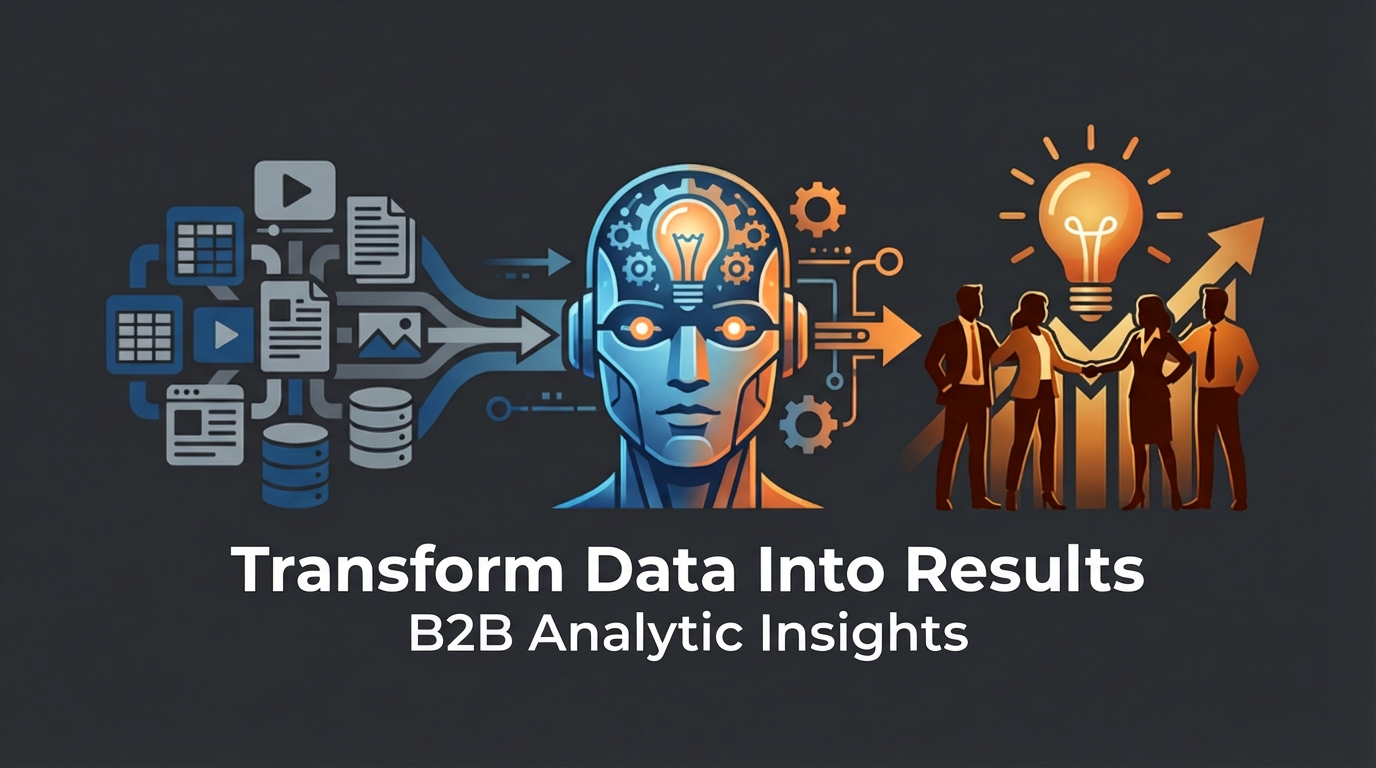

Blended commercial consumer data combines information from businesses and individual customers to provide a comprehensive view of market dynamics and customer behavior. Commercial data includes business-related information such as sales figures, inventory levels, and financial performance. Consumer data encompasses individual customer details like purchasing history, demographics, and online behavior.
By integrating these data types, businesses can gain deeper insights into their target market and make more informed decisions. This combined approach allows companies to understand both product performance and customer characteristics. For instance, commercial data analysis can reveal which products are selling well in specific locations, while consumer data can provide insights into the demographics and preferences of those customers.
This comprehensive understanding enables businesses to tailor their marketing strategies, product offerings, and customer experiences more effectively. Blended commercial consumer data also offers insights into broader market trends and industry dynamics. By analyzing consumer purchasing behavior across various demographics and regions, businesses can identify emerging trends, shifts in preferences, and potential new market opportunities.
This information is crucial for strategic planning, product development, and maintaining a competitive edge in a rapidly evolving marketplace.
Key Takeaways
- Blending commercial and consumer data provides a comprehensive understanding of customer behavior and market trends
- Advanced analytics can extract valuable insights from blended data, enabling informed decision-making and strategic planning
- Big data has a significant impact on the integration of blended data, uncovering new opportunities and challenges
- Data quality is crucial in the integration of blended data, requiring strategies for maintaining accuracy and reliability
- Blended data insights can streamline operations, improve customer experiences, and drive growth for businesses
Leveraging Analytics for Blended Data
Unlocking Informed Decision-Making and Strategic Planning
This, in turn, enables informed decision-making and strategic planning. One way businesses can leverage analytics for blended data is through predictive modeling. By analyzing historical commercial and consumer data, businesses can develop models to forecast future market trends, customer behavior, and demand for products or services.
Driving Business Growth through Predictive Modeling and Customer Segmentation
These predictive models can help businesses anticipate changes in the market and proactively adjust their strategies to capitalize on emerging opportunities or mitigate potential risks. Another valuable application of analytics for blended data is in customer segmentation. By analyzing blended commercial consumer data, businesses can identify distinct customer segments based on factors such as purchasing behavior, demographics, and psychographics. This segmentation allows businesses to tailor their marketing efforts and product offerings to specific customer groups, ultimately improving customer satisfaction and driving sales.
Staying Agile with Real-Time Market Trend Analysis
In addition to predictive modeling and customer segmentation, advanced analytics can also be used for real-time monitoring of market trends and customer behavior. By continuously analyzing blended data, businesses can stay agile and responsive to changes in the market, enabling them to make timely adjustments to their strategies and operations.
The Role of Big Data in Blended Data Integration

Big data plays a significant role in the integration of blended commercial consumer data. With the proliferation of digital technologies and the internet, the volume, velocity, and variety of data being generated have increased exponentially. Big data technologies and platforms are essential for processing and analyzing this vast amount of blended data to uncover new opportunities and challenges.
One way big data contributes to blended data integration is through its ability to handle large volumes of data. Commercial and consumer data are constantly being generated from various sources such as point-of-sale systems, online transactions, social media interactions, and more. Big data technologies such as Hadoop and Spark provide the scalability and processing power needed to handle these massive datasets efficiently.
Furthermore, big data enables businesses to integrate diverse types of data from different sources. Blended commercial consumer data often comes in various formats, including structured data from databases, semi-structured data from social media platforms, and unstructured data from customer reviews and feedback. Big data platforms can handle these different types of data and integrate them into a unified dataset for analysis.
Moreover, big data technologies also support real-time processing and analysis of blended data. With the speed at which commercial and consumer data is generated today, businesses need real-time insights to make timely decisions. Big data platforms enable businesses to process and analyze blended data in real time, allowing them to respond quickly to market changes and customer needs.
Ensuring Data Quality in Blended Data Integration
Ensuring data quality is paramount in the integration of blended commercial consumer data. The accuracy and reliability of the integrated dataset directly impact the quality of insights derived from it. Poor data quality can lead to erroneous conclusions and misguided decision-making, ultimately harming business performance.
One strategy for ensuring data quality in blended data integration is through data cleansing and normalization. This involves identifying and correcting errors or inconsistencies in the data, such as missing values, duplicate entries, or formatting issues. By cleaning and normalizing the data before integration, businesses can improve its accuracy and reliability.
Another important aspect of ensuring data quality is establishing data governance policies and procedures. Data governance involves defining standards for data quality, security, and privacy, as well as assigning responsibilities for maintaining these standards. By implementing robust data governance practices, businesses can ensure that the integrated blended data meets high-quality standards and complies with regulatory requirements.
Furthermore, implementing data validation processes is essential for ensuring the accuracy of blended commercial consumer data. Validation involves verifying the integrity and consistency of the integrated dataset through checks and audits. By regularly validating the integrated data, businesses can identify and rectify any discrepancies or anomalies that may compromise its quality.
In addition to these strategies, investing in advanced data quality tools and technologies can also help businesses maintain the accuracy and reliability of blended commercial consumer data. These tools can automate processes such as cleansing, normalization, and validation, making it easier for businesses to uphold high standards of data quality.
Optimizing Operations with Blended Data Insights
Businesses can optimize their operations in various ways by leveraging insights from blended commercial consumer data. One way is through demand forecasting and inventory management. By analyzing blended data on sales trends, customer behavior, and market dynamics, businesses can forecast demand for their products or services more accurately.
This enables them to optimize their inventory levels, reduce stockouts or overstocking, and ultimately improve operational efficiency. Another area where blended data insights can drive operational optimization is in marketing and sales strategies. By understanding customer preferences, purchasing behavior, and response to marketing campaigns through blended commercial consumer data analysis, businesses can tailor their marketing efforts more effectively.
This can lead to higher conversion rates, improved customer engagement, and ultimately increased sales. Furthermore, blended commercial consumer data insights can also be used to enhance customer experiences. By understanding customer preferences, pain points, and behavior patterns, businesses can personalize their interactions with customers across various touchpoints.
This personalization can lead to higher customer satisfaction, loyalty, and retention. In addition to these areas, businesses can also optimize their supply chain management with insights from blended commercial consumer data. By analyzing purchasing patterns, supplier performance, and market trends, businesses can make more informed decisions about sourcing, logistics, and distribution.
This can lead to cost savings, improved supplier relationships, and a more efficient supply chain overall.
Overcoming Challenges in Blended Data Integration

Complexity of Data Integration
One common challenge is the complexity of integrating diverse types of data from different sources. Commercial data may come from internal systems such as ERP or CRM platforms, while consumer data may come from external sources like social media or third-party databases. Overcoming this challenge requires robust integration tools and technologies that can handle diverse datasets effectively.
Data Security and Privacy
Another challenge in blended data integration is ensuring data security and privacy. Commercial and consumer data often contain sensitive information about businesses and individuals that must be protected from unauthorized access or misuse. Overcoming this challenge involves implementing stringent security measures such as encryption, access controls, and compliance with privacy regulations such as GDPR or CCPA.
Scalability and Governance
Furthermore, businesses face challenges related to managing the scalability of blended data integration and ensuring data governance and compliance. As the volume of commercial and consumer data continues to grow exponentially, businesses need scalable infrastructure and technologies to handle this growth effectively. Additionally, ensuring that integrated datasets comply with regulatory requirements such as GDPR or HIPAA while maintaining high standards of quality and reliability is a complex task that requires careful planning and execution.
Future Trends in Blended Data Integration
The future of blended commercial consumer data integration is poised to be shaped by emerging trends and technologies that will have a significant impact on business operations and decision-making. One such trend is the increasing adoption of artificial intelligence (AI) and machine learning (ML) for analyzing blended data. AI-powered analytics tools can automate the process of extracting insights from blended commercial consumer data more efficiently while uncovering complex patterns and correlations that may not be apparent through traditional analytics methods.
Another future trend is the growing importance of real-time analytics for blended commercial consumer data integration. With the speed at which business operations are conducted today, real-time insights are becoming increasingly crucial for making timely decisions. Future technologies will focus on enabling businesses to process and analyze blended data in real time to gain immediate insights into market trends, customer behavior, and operational performance.
Furthermore, the future of blended commercial consumer data integration will also be influenced by advancements in cloud computing technologies. Cloud-based solutions offer scalability, flexibility, and cost-effectiveness for handling large volumes of blended data from diverse sources. As businesses continue to embrace cloud-based infrastructure for their IT needs, cloud-based solutions for integrating blended commercial consumer data will become more prevalent.
In addition to these trends, the future of blended commercial consumer data integration will also be shaped by advancements in privacy-enhancing technologies (PETs) that enable businesses to protect sensitive information while still deriving valuable insights from blended datasets. PETs such as homomorphic encryption or differential privacy will play a crucial role in ensuring that businesses can analyze blended commercial consumer data without compromising individual privacy or regulatory compliance. In conclusion, the integration of blended commercial consumer data offers businesses a wealth of opportunities for gaining comprehensive insights into customer behavior and market trends.
By leveraging advanced analytics, big data technologies, ensuring high-quality standards for integrated datasets while overcoming challenges effectively will enable businesses to optimize their operations drive growth effectively while staying ahead of the competition in an increasingly dynamic marketplace. As future trends continue to shape the landscape of blended commercial consumer data integration with emerging technologies such as AI/ML real-time analytics cloud computing privacy-enhancing technologies will further enhance business operations decision-making capabilities in the years to come.
FAQs
What is blended commercial consumer data?
Blended commercial consumer data refers to the combination of various types of data sources, such as demographic, behavioral, and transactional data, from commercial sources to gain insights into consumer behavior and preferences.
How can blended commercial consumer data optimize operations?
By integrating blended commercial consumer data, businesses can gain a more comprehensive understanding of their target audience, leading to improved marketing strategies, product development, and customer service. This can ultimately result in more efficient and effective operations.
What are the benefits of integrating blended commercial consumer data?
Integrating blended commercial consumer data can lead to better decision-making, enhanced customer experiences, increased sales, and improved overall business performance. It can also help businesses stay competitive in the market by staying ahead of consumer trends and preferences.
What are some examples of blended commercial consumer data sources?
Blended commercial consumer data sources can include data from social media platforms, online purchase histories, loyalty programs, market research reports, and third-party data providers. By combining these sources, businesses can create a more holistic view of their consumers.
How can businesses ensure the ethical use of blended commercial consumer data?
Businesses should prioritize consumer privacy and data protection when using blended commercial consumer data. This includes obtaining consent for data collection, ensuring data security, and complying with relevant data protection regulations such as GDPR and CCPA.