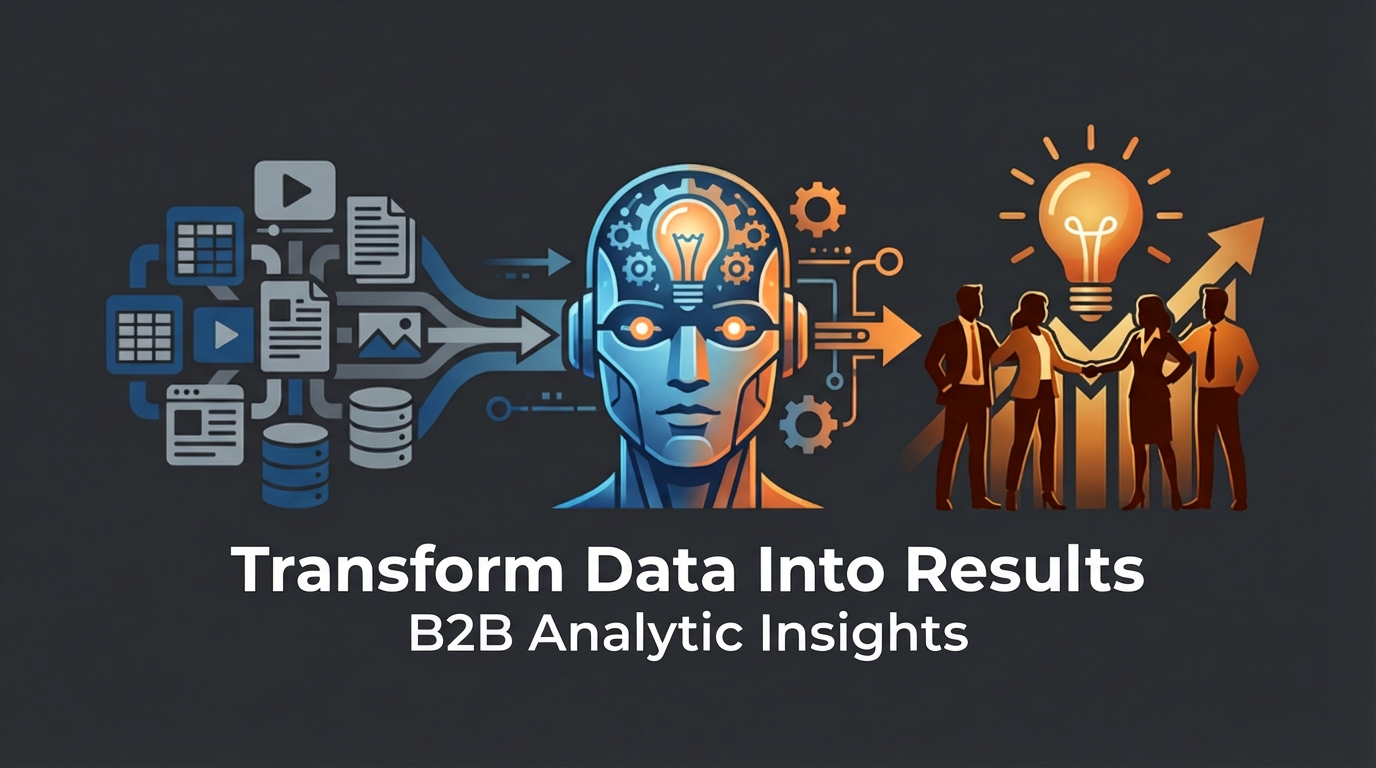

Action-oriented analytics is a powerful tool that businesses can use to make informed decisions and drive action. It involves collecting and analyzing data to gain insights and then using those insights to take specific actions that will improve business outcomes. The key to effective action-oriented analytics is using simple, everyday language that everyone in the organization can understand. This ensures that the insights gained from the data are accessible to all stakeholders and can be used to drive meaningful change.
Key Takeaways
- Action-oriented analytics focuses on using data to drive specific actions and decisions.
- Implementing action-oriented analytics can lead to more informed and effective business decision-making.
- Data plays a crucial role in action-oriented analytics, as it provides the insights needed to take action.
- Benefits of implementing action-oriented analytics include increased efficiency, improved customer satisfaction, and better financial performance.
- Key components of an effective action-oriented analytics strategy include clear goals, relevant data sources, and a plan for implementation.
Understanding the Concept of Action-Oriented Analytics
Action-oriented analytics is a data-driven approach to decision-making that focuses on taking action based on insights gained from data analysis. It differs from traditional analytics in that it goes beyond simply reporting on past performance and instead focuses on using data to drive action and improve future outcomes. Traditional analytics typically involves analyzing historical data to identify trends and patterns, while action-oriented analytics takes it a step further by using those insights to make proactive decisions and drive change.
Examples of action-oriented analytics in action can be seen in various industries. For example, in retail, a company may use data on customer purchasing patterns to identify opportunities for cross-selling or upselling. In healthcare, data on patient outcomes and treatment effectiveness can be used to inform decisions about treatment plans and improve patient care. In manufacturing, data on production efficiency and quality can be used to identify areas for improvement and optimize processes.
The Importance of Action-Oriented Analytics in Business Decision-Making
Action-oriented analytics is crucial for businesses because it enables them to make better decisions based on data-driven insights. By using data to inform decision-making, businesses can reduce the risk of making costly mistakes or missing out on opportunities. Data-driven decision-making has been shown to have a significant impact on business success, with studies showing that companies that use data-driven insights are more likely to outperform their competitors.
Real-world examples of businesses that have benefited from action-oriented analytics are plentiful. For instance, Amazon uses data on customer browsing and purchasing behavior to personalize product recommendations and improve the customer experience. Netflix uses data on viewer preferences to recommend personalized content and improve user engagement. These companies have been able to achieve significant success by leveraging the power of data to drive action and improve business outcomes.
The Role of Data in Action-Oriented Analytics
Data is at the heart of action-oriented analytics. Collecting and analyzing data is essential for gaining insights and identifying opportunities for improvement. However, it is not enough to simply collect data; it must be used effectively to drive action.
To use data to drive action, businesses need to have a clear understanding of their goals and objectives. They need to know what they want to achieve and what actions they need to take to get there. Once the goals and objectives are defined, businesses can identify the right data sources that will provide the necessary insights. This may involve collecting data from various internal and external sources, such as customer surveys, sales data, or market research.
Data visualization plays a crucial role in action-oriented analytics. It allows businesses to present complex data in a visual format that is easy to understand and interpret. Data visualization tools can help businesses identify trends, patterns, and outliers in the data, making it easier to identify areas for improvement and take action.
The Benefits of Implementing Action-Oriented Analytics in Your Business
Implementing action-oriented analytics in your business can bring numerous benefits. Some of the key benefits include improved decision-making, increased efficiency and productivity, better customer satisfaction, and increased revenue and profitability.
By using data-driven insights to inform decision-making, businesses can make more informed choices that are based on evidence rather than intuition or guesswork. This reduces the risk of making costly mistakes or missing out on opportunities.
Action-oriented analytics also helps businesses become more efficient and productive by identifying areas for improvement and optimizing processes. By analyzing data on production efficiency, for example, a manufacturing company can identify bottlenecks and inefficiencies and take action to improve productivity.
Better customer satisfaction is another key benefit of implementing action-oriented analytics. By analyzing customer data, businesses can gain insights into customer preferences and behaviors, allowing them to personalize the customer experience and improve satisfaction.
Finally, implementing action-oriented analytics can lead to increased revenue and profitability. By identifying opportunities for cross-selling or upselling, for example, businesses can increase their average transaction value and drive revenue growth.
The Key Components of an Effective Action-Oriented Analytics Strategy

To implement action-oriented analytics effectively, businesses need to consider several key components. These include setting clear goals and objectives, identifying the right data sources, choosing the right tools and technologies, and building a strong team.
Setting clear goals and objectives is essential for guiding the analytics strategy. Businesses need to know what they want to achieve and what actions they need to take to get there. This will help them identify the right data sources that will provide the necessary insights.
Identifying the right data sources is crucial for obtaining accurate and relevant insights. Businesses need to collect data from various internal and external sources that are relevant to their goals and objectives. This may involve collecting data from customer surveys, sales data, social media, or market research.
Choosing the right tools and technologies is also important for implementing action-oriented analytics effectively. There are numerous tools available that can help businesses collect, analyze, and visualize data. Businesses need to choose tools that are user-friendly, scalable, and provide the necessary functionality for their specific needs.
Building a strong team is another key component of an effective action-oriented analytics strategy. Businesses need to have skilled analysts who can collect and analyze data effectively. They also need stakeholders who understand the importance of data-driven decision-making and are committed to taking action based on insights gained from data analysis.
How to Implement Action-Oriented Analytics in Your Business
Implementing action-oriented analytics in your business involves several steps. These include defining clear goals and objectives, collecting and analyzing data, visualizing the data, and taking action based on the insights gained.
To implement action-oriented analytics effectively, businesses need to define clear goals and objectives. They need to know what they want to achieve and what actions they need to take to get there. This will help them identify the right data sources that will provide the necessary insights.
Once the goals and objectives are defined, businesses can start collecting and analyzing data. This may involve collecting data from various internal and external sources, such as customer surveys, sales data, or market research. The data can then be analyzed using various statistical techniques to identify trends, patterns, and outliers.
Data visualization is an important step in implementing action-oriented analytics. It allows businesses to present complex data in a visual format that is easy to understand and interpret. Data visualization tools can help businesses identify trends, patterns, and outliers in the data, making it easier to identify areas for improvement and take action.
Finally, businesses need to take action based on the insights gained from data analysis. This may involve making changes to processes or strategies, implementing new initiatives, or reallocating resources. The key is to use the insights gained from data analysis to drive meaningful change and improve business outcomes.
The Challenges of Implementing Action-Oriented Analytics and How to Overcome Them
Implementing action-oriented analytics can be challenging for businesses. Some of the common challenges include lack of data quality or availability, resistance to change, and lack of skills or expertise.
One of the common challenges businesses face when implementing action-oriented analytics is the lack of data quality or availability. Businesses need access to accurate and relevant data in order to gain meaningful insights. This may involve cleaning and organizing existing data or collecting new data from various sources.
Resistance to change is another challenge that businesses may face. Implementing action-oriented analytics often requires changes to processes, strategies, or systems. This can be met with resistance from employees who are comfortable with the status quo. To overcome this challenge, businesses need to communicate the benefits of action-oriented analytics and involve employees in the decision-making process.
Lack of skills or expertise is another common challenge businesses may face. Implementing action-oriented analytics requires skilled analysts who can collect and analyze data effectively. Businesses may need to invest in training or hiring new talent to overcome this challenge.
Real-world examples of businesses that have successfully overcome these challenges are plentiful. For example, Walmart faced challenges with data quality and availability when implementing action-oriented analytics. They overcame these challenges by investing in data infrastructure and analytics capabilities, which allowed them to gain meaningful insights and drive action.
The Future of Action-Oriented Analytics: Emerging Trends and Technologies
The future of action-oriented analytics is bright, with several emerging trends and technologies shaping the field. Some of the key trends include the use of artificial intelligence (AI) and machine learning (ML), the rise of real-time analytics, and the increasing importance of data privacy and security.
Artificial intelligence and machine learning are revolutionizing the field of action-oriented analytics. These technologies can analyze large volumes of data quickly and accurately, allowing businesses to gain insights in real-time. They can also automate decision-making processes, freeing up time for employees to focus on more strategic tasks.
Real-time analytics is another emerging trend in action-oriented analytics. Businesses are increasingly using real-time data to make informed decisions and take immediate action. This allows them to respond quickly to changing market conditions or customer needs.
Data privacy and security are also becoming increasingly important in action-oriented analytics. With the rise in data breaches and privacy concerns, businesses need to ensure that they have robust security measures in place to protect customer data. They also need to comply with regulations such as the General Data Protection Regulation (GDPR) to maintain customer trust.
Real-World Examples of Successful Action-Oriented Analytics Implementation
There are numerous real-world examples of businesses that have successfully implemented action-oriented analytics. These businesses have achieved significant success by leveraging the power of data to drive action and improve business outcomes.
One example is Starbucks, which uses data analytics to personalize the customer experience and drive customer loyalty. By analyzing customer data, Starbucks is able to recommend personalized offers and promotions to individual customers, increasing customer satisfaction and driving repeat business.
Another example is Procter & Gamble, which uses data analytics to optimize its supply chain and improve operational efficiency. By analyzing data on production efficiency and inventory levels, Procter & Gamble is able to identify areas for improvement and take action to reduce costs and improve profitability.
Lessons learned from these businesses include the importance of setting clear goals and objectives, collecting and analyzing relevant data, using data visualization tools effectively, and taking action based on insights gained from data analysis.
Action-Oriented Analytics vs. Traditional Analytics: What’s the Difference?
There are several key differences between action-oriented analytics and traditional analytics. Traditional analytics typically involves analyzing historical data to identify trends and patterns, while action-oriented analytics goes beyond this by using those insights to make proactive decisions and drive change.
Traditional analytics focuses on reporting on past performance, while action-oriented analytics focuses on using data to drive action and improve future outcomes. Traditional analytics may provide insights into what happened in the past, but it does not necessarily provide guidance on what actions to take in the future.
Real-world examples of businesses that have switched from traditional analytics to action-oriented analytics are plentiful. For example, IBM switched from traditional reporting to action-oriented analytics by implementing a centralized analytics platform that provided real-time insights into customer behavior. This allowed IBM to make more informed decisions and take immediate action based on those insights.
Action-oriented analytics is a powerful tool that businesses can use to make informed decisions and drive action. By using data to inform decision-making, businesses can reduce the risk of making costly mistakes or missing out on opportunities. Implementing action-oriented analytics involves setting clear goals and objectives, collecting and analyzing relevant data, using data visualization tools effectively, and taking action based on insights gained from data analysis.
The future of action-oriented analytics is bright, with emerging trends and technologies such as artificial intelligence and machine learning shaping the field. Businesses that embrace these trends and technologies will be better positioned to stay ahead of the curve and drive meaningful change.
In conclusion, implementing action-oriented analytics can bring numerous benefits to businesses, including improved decision-making, increased efficiency and productivity, better customer satisfaction, and increased revenue and profitability. By leveraging the power of data to drive action, businesses can achieve significant success and stay ahead of the competition.