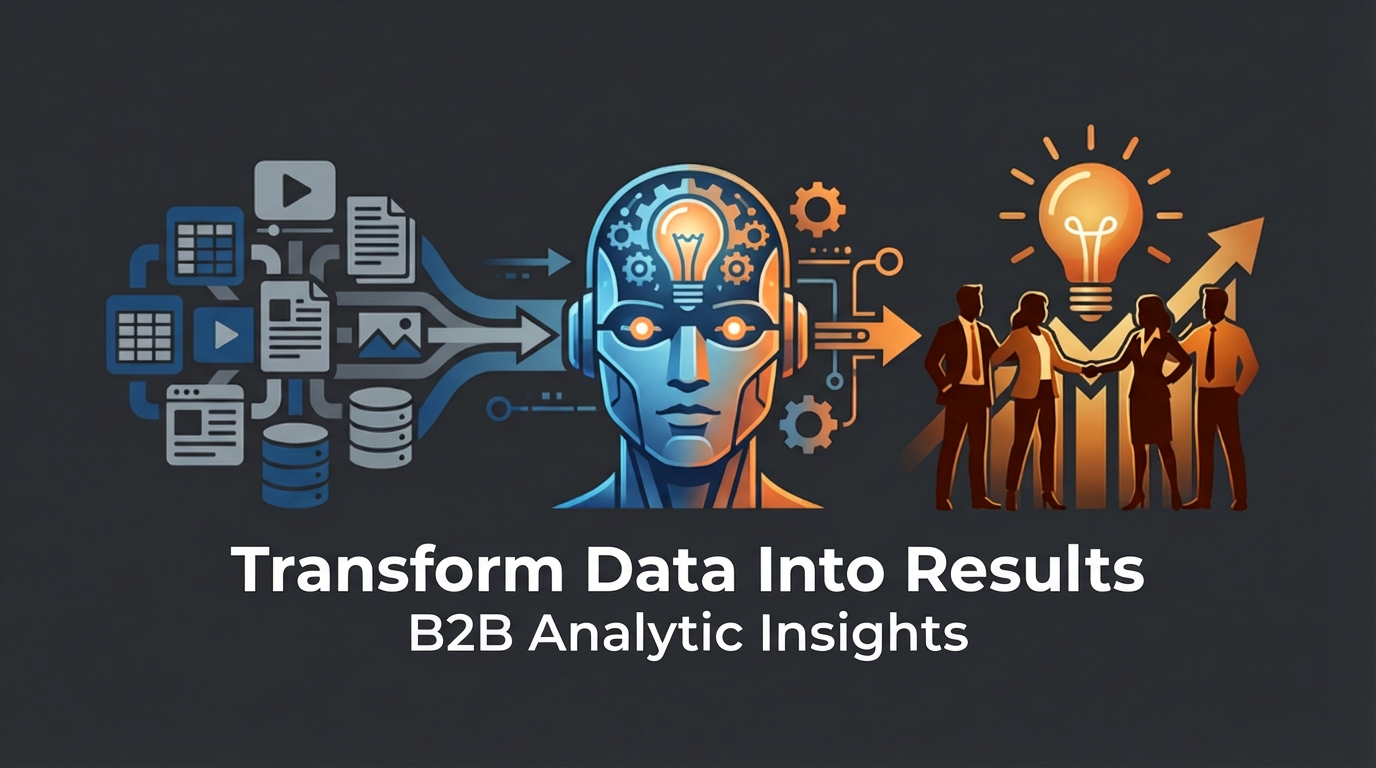

AI empowered risk management refers to the use of artificial intelligence (AI) technologies and algorithms to identify, assess, and mitigate risks in businesses. Risk management is a crucial aspect of any organization as it helps in identifying potential threats and taking proactive measures to minimize their impact. With the advancements in AI technology, businesses now have the opportunity to leverage AI-powered tools and systems to enhance their risk management processes.
The Role of AI in Mitigating Risks
AI plays a significant role in mitigating risks by providing advanced capabilities for identifying and assessing potential threats. Traditional risk management methods often rely on manual processes and human judgment, which can be time-consuming and prone to errors. On the other hand, AI-powered risk management systems can analyze vast amounts of data in real-time, enabling businesses to identify risks more accurately and efficiently.
One of the key advantages of AI empowered risk management is its ability to process large volumes of data from various sources, such as financial records, customer data, market trends, and social media feeds. By analyzing this data, AI algorithms can identify patterns and anomalies that may indicate potential risks. This allows businesses to take proactive measures to mitigate these risks before they escalate into major issues.
Benefits of AI Empowered Risk Management
Implementing AI empowered risk management solutions offers several benefits for businesses. Firstly, it improves the accuracy and efficiency of risk management processes. AI algorithms can analyze vast amounts of data quickly and accurately, enabling businesses to make informed decisions based on real-time insights. This reduces the likelihood of errors and ensures that risks are identified and addressed promptly.
Secondly, AI empowered risk management reduces human error. Traditional risk management methods often rely on manual processes that are prone to mistakes. By automating these processes with AI technology, businesses can minimize human error and ensure that risks are identified and addressed consistently.
Lastly, AI empowered risk management is a cost-effective solution for businesses. By automating risk management processes, businesses can reduce the need for manual labor and streamline their operations. This not only saves time but also reduces costs associated with human resources.
Real-time Risk Analysis with AI
| Metrics | Description |
|---|---|
| Accuracy | The percentage of correct predictions made by the AI model. |
| Precision | The percentage of true positive predictions out of all positive predictions made by the AI model. |
| Recall | The percentage of true positive predictions out of all actual positive cases. |
| F1 Score | The harmonic mean of precision and recall, used to balance the two metrics. |
| Response Time | The time it takes for the AI model to make a prediction after receiving input data. |
| Throughput | The number of predictions the AI model can make in a given time period. |
| False Positive Rate | The percentage of negative predictions that are incorrect. |
| False Negative Rate | The percentage of positive cases that are incorrectly predicted as negative. |
Real-time risk analysis is a critical aspect of risk management as it allows businesses to identify and address risks as they occur. AI empowered risk management systems can provide real-time risk analysis by continuously monitoring data from various sources and alerting businesses to potential risks.
Real-time risk analysis is particularly important in industries where risks can escalate rapidly, such as finance, healthcare, and cybersecurity. By leveraging AI technology, businesses can detect and respond to risks in real-time, minimizing their impact and preventing potential losses.
Predictive Analytics for Risk Management
Predictive analytics is another powerful tool that AI brings to risk management. By analyzing historical data and identifying patterns, AI algorithms can predict future risks and help businesses take proactive measures to mitigate them.
Predictive analytics can be particularly useful in industries where risks are complex and constantly evolving, such as finance and insurance. By leveraging AI-powered predictive analytics tools, businesses can anticipate potential risks and develop strategies to minimize their impact.
Automated Risk Detection and Response with AI
AI empowered risk management systems can automate the process of risk detection and response, enabling businesses to address risks promptly and efficiently. By continuously monitoring data from various sources, AI algorithms can detect anomalies and alert businesses to potential risks.
Automated risk detection and response are particularly important in industries where risks can have severe consequences, such as healthcare and manufacturing. By leveraging AI technology, businesses can automate the process of identifying and addressing risks, ensuring that they are addressed promptly and effectively.
AI-powered Fraud Detection and Prevention
Fraud detection and prevention are critical aspects of risk management for businesses across various industries. AI-powered tools can help in fraud detection by analyzing large volumes of data and identifying patterns that may indicate fraudulent activities.
AI algorithms can analyze data from various sources, such as financial transactions, customer behavior, and historical patterns, to detect anomalies and flag potential fraudulent activities. This enables businesses to take proactive measures to prevent fraud and minimize its impact.
Enhancing Operational Efficiency with AI Risk Management
AI empowered risk management can enhance operational efficiency by automating manual processes and streamlining operations. By automating risk management processes, businesses can reduce the need for manual labor and ensure that risks are identified and addressed consistently.
Furthermore, AI-powered risk management systems can analyze vast amounts of data quickly and accurately, enabling businesses to make informed decisions based on real-time insights. This improves the efficiency of risk management processes and allows businesses to respond to risks promptly.
AI and Cybersecurity Risk Management
Cybersecurity risk management is a critical aspect of risk management for businesses in the digital age. AI can play a significant role in cybersecurity risk management by analyzing large volumes of data and identifying potential threats.
AI algorithms can analyze data from various sources, such as network logs, user behavior, and threat intelligence feeds, to detect anomalies and flag potential cybersecurity risks. This enables businesses to take proactive measures to prevent cyber-attacks and protect their sensitive data.
Future of AI Empowered Risk Management
The future of AI empowered risk management holds great potential for businesses. As AI technology continues to advance, we can expect more sophisticated AI-powered tools and systems that can provide even more accurate and efficient risk management solutions.
Potential benefits of future AI empowered risk management solutions include improved predictive analytics capabilities, enhanced automation of risk detection and response processes, and more advanced fraud detection and prevention capabilities. These advancements will enable businesses to mitigate risks more effectively and make informed decisions based on real-time insights.
In conclusion, AI empowered risk management is a crucial aspect of business operations in the digital age. By leveraging AI technology, businesses can enhance the accuracy and efficiency of risk management processes, reduce human error, and streamline operations. AI-powered tools and systems can provide real-time risk analysis, predictive analytics, automated risk detection and response, fraud detection and prevention, and enhanced operational efficiency. As AI technology continues to evolve, businesses should consider implementing AI empowered risk management solutions to stay ahead of potential risks and make informed decisions based on real-time insights.