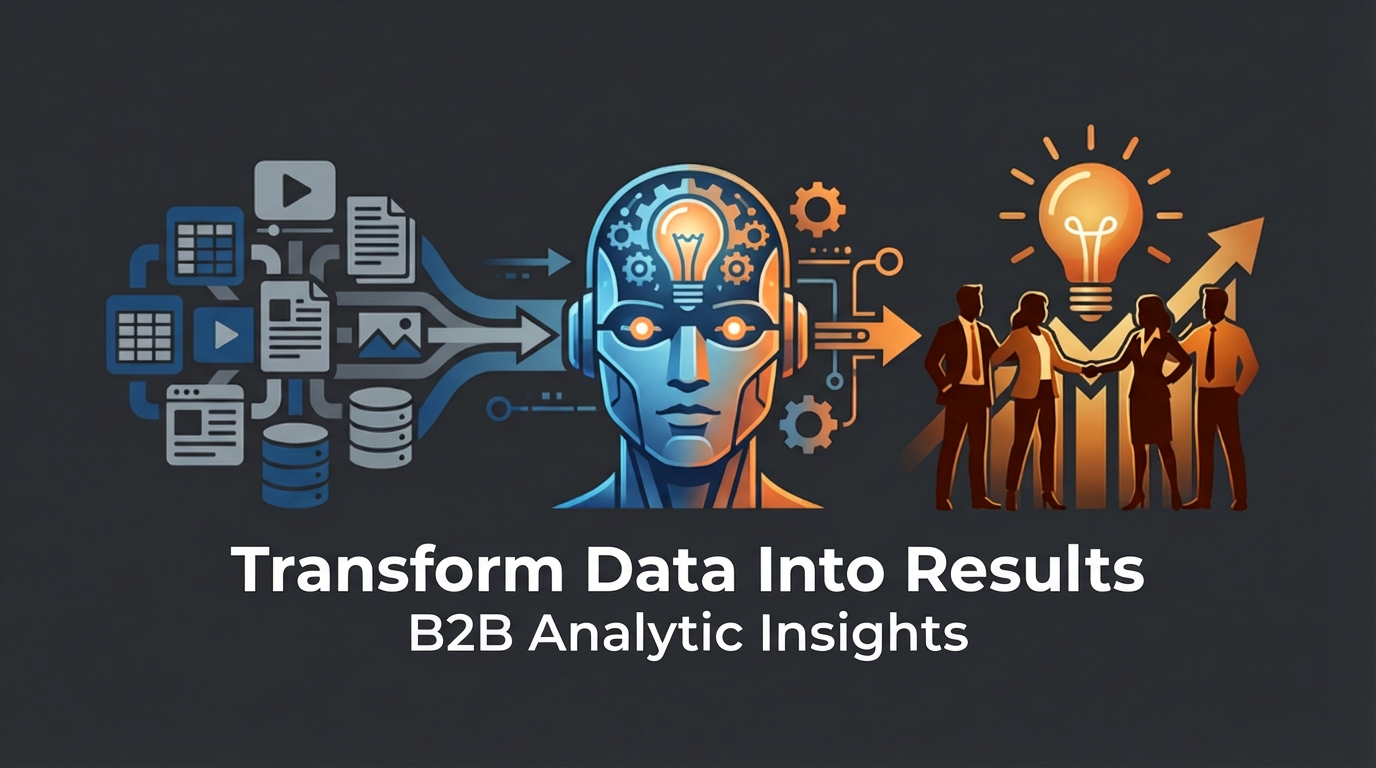

In the digital era, big data has significantly transformed commercial banking operations. The vast amount, speed, and diversity of data generated in the banking sector have created both opportunities and challenges. Big data analytics has fundamentally changed how commercial banks function, enabling data-driven decision-making, improved customer experiences, enhanced risk management, and increased operational efficiency.
By utilizing big data, commercial banks can extract valuable insights into customer behavior, market trends, and operational performance, allowing them to maintain a competitive edge and adapt to evolving market conditions. Big data has also enabled commercial banks to offer personalized services and products based on individual customer needs and preferences. Through the analysis of extensive customer data, banks can identify patterns and trends that help them tailor their offerings to meet specific customer requirements.
This personalization not only enhances the customer experience but also increases satisfaction and loyalty. Furthermore, big data analytics has empowered commercial banks to more effectively detect and prevent fraudulent activities. By analyzing large datasets in real-time, banks can identify unusual patterns and anomalies that may indicate fraudulent behavior, allowing them to take proactive measures to mitigate risks and safeguard their customers’ assets.
Big data has been instrumental in revolutionizing commercial banking operations. By leveraging big data analytics, commercial banks can gain valuable insights, enhance customer experiences, manage risks, and improve operational efficiency. As the banking industry continues to evolve, big data will remain a crucial tool for driving innovation and success in commercial banking operations.
Key Takeaways
- Big data is revolutionizing commercial banking operations by providing valuable insights and improving decision-making processes.
- Primary commercial banking data can be leveraged for advanced analytics to gain a deeper understanding of customer behavior and preferences.
- Data quality is crucial in commercial banking operations to ensure accurate and reliable insights for decision-making.
- Primary commercial banking data is shaping customer experience by enabling personalized and targeted services.
- Primary commercial banking data has a significant impact on risk management and compliance, helping to identify and mitigate potential risks.
Leveraging Primary Commercial Banking Data for Advanced Analytics
Gain Insights and Drive Business Growth
The primary commercial banking data generated by customer transactions, account activities, and market interactions is a goldmine of valuable information that can be leveraged for advanced analytics. By analyzing this primary data, commercial banks can gain insights into customer behavior, market trends, and operational performance, enabling them to make informed decisions and drive business growth. Advanced analytics techniques such as predictive modeling, machine learning, and data mining can be applied to primary commercial banking data to identify patterns, trends, and correlations that can help banks optimize their operations and enhance their services.
Improve Risk Management and Credit Scoring
Moreover, leveraging primary commercial banking data for advanced analytics can enable banks to develop more accurate risk models and improve their credit scoring processes. By analyzing historical transaction data and customer behavior patterns, banks can better assess creditworthiness and make more informed lending decisions. This not only reduces the risk of default but also allows banks to offer more competitive loan terms to creditworthy customers.
Identify Cross-Selling Opportunities
Additionally, advanced analytics can help commercial banks identify cross-selling opportunities by analyzing customer transaction data and identifying potential product or service recommendations based on individual customer needs and preferences.
Driving Business Success
In summary, leveraging primary commercial banking data for advanced analytics is essential for driving business growth and enhancing customer experiences. By applying advanced analytics techniques to primary data, commercial banks can gain valuable insights into customer behavior, market trends, and operational performance, enabling them to make informed decisions and drive business success.
The Importance of Data Quality in Commercial Banking Operations

Data quality is paramount in commercial banking operations as it directly impacts decision-making processes, risk management, compliance, and customer experiences. Poor data quality can lead to inaccurate insights, flawed risk assessments, compliance violations, and ultimately damage the reputation of a bank. Therefore, ensuring high-quality data is crucial for the success and sustainability of commercial banking operations.
High-quality data is accurate, complete, consistent, and timely. It is essential for commercial banks to implement robust data quality management processes and technologies to ensure that the data they collect and analyze meets these criteria. Data validation, cleansing, and enrichment techniques can be applied to improve the quality of primary commercial banking data.
Additionally, implementing data governance frameworks and standards can help maintain data quality by defining clear policies, procedures, and responsibilities for managing and maintaining data integrity. Furthermore, high-quality data is essential for meeting regulatory requirements and ensuring compliance with industry standards. Regulators expect commercial banks to maintain accurate and reliable data for reporting purposes, risk management, and customer protection.
Therefore, investing in data quality management is not only a best practice but also a regulatory requirement for commercial banks. In conclusion, the importance of data quality in commercial banking operations cannot be overstated. High-quality data is essential for making informed decisions, managing risks, ensuring compliance, and delivering exceptional customer experiences.
Therefore, commercial banks must prioritize data quality management to drive business success and maintain a competitive edge in the industry.
How Primary Commercial Banking Data is Shaping Customer Experience
Primary commercial banking data plays a crucial role in shaping customer experiences by enabling banks to personalize their services, anticipate customer needs, and deliver seamless interactions across various touchpoints. By analyzing customer transaction data, account activities, and market interactions, banks can gain valuable insights into individual customer preferences and behaviors. This allows them to tailor their products and services to meet the specific needs of their customers, ultimately enhancing the overall customer experience.
Moreover, primary commercial banking data enables banks to offer personalized recommendations and targeted promotions based on individual customer behavior patterns. By leveraging advanced analytics techniques such as machine learning and predictive modeling, banks can identify cross-selling opportunities and offer relevant products or services that align with each customer’s financial goals and preferences. This level of personalization not only increases customer satisfaction but also strengthens customer loyalty and retention.
Additionally, primary commercial banking data is instrumental in enabling banks to deliver seamless omnichannel experiences to their customers. By analyzing customer interaction data across various channels such as mobile banking apps, online platforms, and physical branches, banks can ensure consistent and personalized experiences regardless of the touchpoint. This not only enhances convenience for customers but also fosters stronger relationships between banks and their customers.
In summary, primary commercial banking data is shaping customer experiences by enabling banks to personalize their services, anticipate customer needs, and deliver seamless interactions across various touchpoints. By leveraging this valuable data, banks can enhance customer satisfaction, strengthen loyalty, and differentiate themselves in a competitive market.
The Impact of Primary Commercial Banking Data on Risk Management and Compliance
Primary commercial banking data has a significant impact on risk management and compliance by enabling banks to assess creditworthiness accurately, detect fraudulent activities proactively, and meet regulatory requirements effectively. By analyzing transaction data, account activities, and market interactions, banks can gain valuable insights into customer behavior patterns that can help them assess credit risk more accurately. This allows banks to make informed lending decisions while minimizing the risk of default.
Furthermore, primary commercial banking data is instrumental in enabling banks to detect and prevent fraudulent activities more effectively. By analyzing large volumes of transaction data in real-time, banks can identify unusual patterns or anomalies that may indicate fraudulent behavior. This allows them to take proactive measures to mitigate risks and protect their customers’ assets from potential fraudsters.
Additionally, primary commercial banking data is essential for meeting regulatory requirements and ensuring compliance with industry standards. Regulators expect banks to maintain accurate and reliable data for reporting purposes, risk management, and customer protection. Therefore, leveraging primary data for risk management and compliance is not only a best practice but also a regulatory requirement for commercial banks.
In conclusion, the impact of primary commercial banking data on risk management and compliance cannot be overstated. By leveraging this valuable data effectively, banks can assess creditworthiness accurately, detect fraudulent activities proactively, and meet regulatory requirements effectively. This ultimately helps banks mitigate risks, protect their customers’ assets, and maintain a strong reputation in the industry.
Harnessing Primary Commercial Banking Data for Operational Efficiency and Cost Savings

Streamlining Operations and Automating Tasks
Moreover, primary commercial banking data enables banks to automate routine tasks such as account reconciliation, transaction monitoring, and reporting processes. By leveraging advanced analytics techniques such as robotic process automation (RPA) and machine learning algorithms, banks can automate repetitive tasks that were previously performed manually. This not only reduces the potential for human error but also frees up resources to focus on more strategic initiatives.
Optimizing Resource Allocation
Primary commercial banking data allows banks to optimize resource allocation by identifying areas where resources are underutilized or overutilized. By analyzing operational performance data, banks can make informed decisions about resource allocation to ensure that resources are allocated efficiently across various functions within the organization.
Driving Business Success
In summary, harnessing primary commercial banking data for operational efficiency and cost savings is essential for driving business success. By leveraging this valuable data effectively, banks can streamline processes, automate tasks, and optimize resource allocation to enhance productivity while reducing operational costs.
The Future of Commercial Banking Operations: Insights from Primary Data Analytics
The future of commercial banking operations is closely tied to the insights derived from primary data analytics. As technology continues to advance rapidly, commercial banks are increasingly relying on primary data analytics to drive innovation in their operations. By leveraging advanced analytics techniques such as machine learning, predictive modeling, and natural language processing on primary commercial banking data, banks can gain valuable insights that will shape the future of their operations.
Furthermore, the future of commercial banking operations will be characterized by increased personalization of services based on individual customer needs and preferences. By analyzing primary commercial banking data effectively, banks can tailor their offerings to meet the specific needs of their customers while delivering seamless omnichannel experiences across various touchpoints. Additionally, the future of commercial banking operations will be shaped by enhanced risk management capabilities driven by primary data analytics.
By leveraging advanced analytics techniques on primary commercial banking data effectively, banks can assess creditworthiness accurately while detecting fraudulent activities proactively. In conclusion, the future of commercial banking operations will be driven by insights derived from primary data analytics. By leveraging advanced analytics techniques on primary commercial banking data effectively, banks can drive innovation in their operations while delivering personalized experiences to their customers and enhancing their risk management capabilities.
As technology continues to evolve rapidly, primary data analytics will undoubtedly play a pivotal role in shaping the future of commercial banking operations.
FAQs
What is primary commercial banking data?
Primary commercial banking data refers to the core information collected and maintained by commercial banks, including customer account details, transaction history, and financial statements. This data is essential for the day-to-day operations of banks and is used for various purposes such as risk management, compliance, and customer service.
How is primary commercial banking data shaping operations in the banking industry?
Primary commercial banking data is revolutionizing operations in the banking industry by enabling banks to make more informed decisions, improve customer service, and streamline processes. With the help of advanced analytics and technology, banks are leveraging this data to enhance their products and services, personalize customer experiences, and mitigate risks.
What are some examples of how primary commercial banking data is being used in banking operations?
Primary commercial banking data is being used in various ways to transform banking operations. For example, banks are using customer transaction data to identify spending patterns and offer personalized financial advice. They are also leveraging data analytics to detect and prevent fraudulent activities, as well as to assess credit risk and make lending decisions.
How is the use of primary commercial banking data benefiting customers?
The use of primary commercial banking data is benefiting customers in several ways. By analyzing customer data, banks can offer tailored financial products and services that better meet the needs of individual customers. Additionally, the use of data analytics allows banks to provide faster and more accurate responses to customer inquiries and improve overall customer experience.
What are some of the challenges associated with using primary commercial banking data in operations?
While primary commercial banking data offers numerous benefits, there are also challenges associated with its use. These include concerns about data privacy and security, as well as the need to comply with regulations such as GDPR and other data protection laws. Additionally, banks must ensure that they have the necessary infrastructure and expertise to effectively manage and analyze large volumes of data.