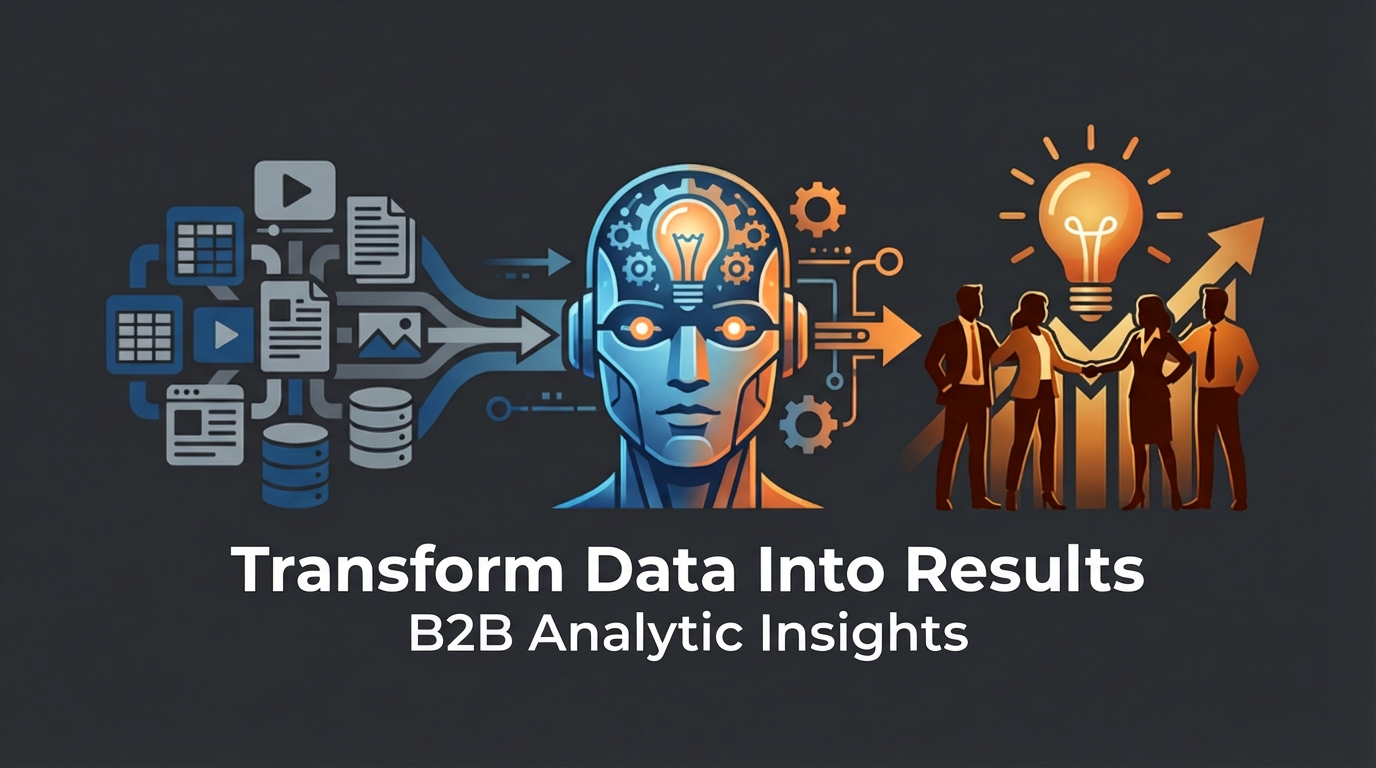

Clustering and look alike models are powerful tools used in activation marketing to identify and target specific customer segments. Clustering is a technique that groups similar data points together based on their characteristics, allowing marketers to understand the different segments within their customer base. Look alike models, on the other hand, use the characteristics of existing customers to find new customers who are similar to them.
These models are essential in activation marketing because they enable marketers to personalize their messaging and offers, resulting in more effective campaigns. By understanding the unique needs and preferences of different customer segments, marketers can tailor their marketing efforts to resonate with each group. This leads to higher engagement, conversion rates, and ultimately, increased revenue.
Key Takeaways
- Clustering and Look Alike Models are important tools in Activation Marketing
- Benefits of using Clustering and Look Alike Models include improved targeting and increased ROI
- Risks associated with Clustering and Look Alike Models include privacy concerns and inaccurate data
- Key considerations for successful implementation include data quality and model validation
- Best practices for data collection and analysis include using multiple sources and regularly updating data.
Understanding the Benefits of Clustering and Look Alike Models in Activation
a) Improved targeting and personalization: Clustering and look alike models allow marketers to identify specific customer segments with similar characteristics. This enables them to create targeted marketing campaigns that are tailored to the needs and preferences of each segment. By delivering personalized messages and offers, marketers can increase the relevance of their communications, leading to higher engagement and conversion rates.
b) Increased ROI and conversion rates: By targeting specific customer segments with personalized messaging and offers, clustering and look alike models can significantly improve the return on investment (ROI) of marketing campaigns. When marketers understand the unique needs and preferences of each segment, they can create more compelling offers that are more likely to convert. This leads to higher conversion rates and ultimately, increased revenue.
c) Enhanced customer experience: Clustering and look alike models enable marketers to deliver personalized experiences to their customers. By understanding the unique characteristics of each segment, marketers can create tailored experiences that resonate with their customers. This leads to higher customer satisfaction and loyalty, as customers feel understood and valued by the brand.
Risks Associated with Clustering and Look Alike Models in Activation Marketing
a) Potential for bias and discrimination: One of the risks associated with clustering and look alike models is the potential for bias and discrimination. If the models are trained on biased or discriminatory data, they can perpetuate and amplify these biases. This can lead to unfair targeting and exclusion of certain customer segments, which can damage the brand’s reputation and result in legal consequences.
b) Inaccurate predictions and targeting: Another risk is the potential for inaccurate predictions and targeting. If the models are not properly trained or if the data used is not representative of the target population, the predictions and targeting may be inaccurate. This can result in wasted marketing resources and missed opportunities to engage with the right customers.
c) Privacy concerns: Clustering and look alike models rely on customer data to identify and target specific segments. This raises privacy concerns, as customers may be uncomfortable with their data being used for marketing purposes without their consent. Marketers need to ensure that they have proper consent mechanisms in place and that they handle customer data in a secure and ethical manner.
Key Considerations for Successful Clustering and Look Alike Model Implementation
a) Data quality and quantity: The success of clustering and look alike models depends on the quality and quantity of the data used. Marketers need to ensure that they have access to accurate, relevant, and representative data to train their models. This may require investing in data collection and cleansing processes to ensure that the data is reliable and free from biases.
b) Choosing the right algorithm: There are various algorithms available for clustering and look alike model development. Marketers need to choose the algorithm that best suits their specific needs and objectives. Factors such as the complexity of the data, scalability requirements, and interpretability of the results should be taken into consideration when selecting an algorithm.
c) Regular model updates and maintenance: Clustering and look alike models are not static; they need to be regularly updated and maintained to ensure their accuracy and relevance. Marketers should monitor the performance of their models and make necessary adjustments as new data becomes available or as customer preferences change. Regular model updates and maintenance are crucial to ensure that the models continue to deliver meaningful insights and drive effective marketing campaigns.
Best Practices for Data Collection and Analysis in Clustering and Look Alike Model Development
a) Collecting relevant data: When collecting data for clustering and look alike model development, it is important to focus on collecting relevant data that is directly related to the target customer segments. This may include demographic information, purchase history, browsing behavior, and other relevant data points. By collecting the right data, marketers can ensure that their models are accurate and effective in identifying and targeting specific segments.
b) Cleaning and preprocessing data: Before using the data for clustering and look alike model development, it is important to clean and preprocess the data to remove any inconsistencies or errors. This may involve removing duplicate entries, handling missing values, and standardizing variables. By cleaning and preprocessing the data, marketers can ensure that their models are based on reliable and consistent data.
c) Choosing appropriate features and variables: The choice of features and variables used in clustering and look alike model development is crucial. Marketers need to select the features that are most relevant to the target customer segments and that have the highest predictive power. This may require conducting feature selection or engineering techniques to identify the most informative variables. By choosing appropriate features and variables, marketers can improve the accuracy and effectiveness of their models.
Case Studies: Real-World Examples of Successful Clustering and Look Alike Model Implementation

a) Examples from various industries: Clustering and look alike models have been successfully implemented in various industries, including retail, e-commerce, banking, and telecommunications. For example, a retail company used clustering models to identify different customer segments based on their purchasing behavior. This allowed them to create targeted marketing campaigns for each segment, resulting in higher engagement and conversion rates.
b) Results and impact on business: The implementation of clustering and look alike models has had a significant impact on businesses. For example, a telecommunications company used look alike models to identify potential customers who were similar to their existing high-value customers. By targeting these look alike customers with personalized offers, the company was able to increase their customer base and revenue.
Common Pitfalls to Avoid When Using Clustering and Look Alike Models in Activation Marketing
a) Overreliance on models: One common pitfall is overreliance on clustering and look alike models. While these models can provide valuable insights, they should not be the sole basis for decision-making. Marketers should use the models as a tool to inform their strategies, but they should also consider other factors such as market trends, competitive analysis, and customer feedback.
b) Lack of transparency and explainability: Another pitfall is the lack of transparency and explainability in clustering and look alike models. It is important for marketers to be able to understand and explain how the models work and how they arrived at their predictions. This not only helps build trust with customers but also ensures compliance with ethical and legal considerations.
c) Ignoring ethical and legal considerations: Finally, ignoring ethical and legal considerations can lead to negative consequences when using clustering and look alike models. Marketers need to ensure that they handle customer data in a secure and ethical manner, obtain proper consent for data usage, and comply with data protection regulations. Ignoring these considerations can result in reputational damage, legal consequences, and loss of customer trust.
The Role of Machine Learning in Clustering and Look Alike Model Development
a) How machine learning algorithms improve model accuracy: Machine learning algorithms play a crucial role in clustering and look alike model development by improving model accuracy. These algorithms can analyze large amounts of data and identify complex patterns and relationships that may not be apparent to human analysts. By leveraging machine learning algorithms, marketers can develop more accurate and effective clustering and look alike models.
b) Challenges and limitations of machine learning in activation marketing: However, there are also challenges and limitations associated with machine learning in activation marketing. One challenge is the need for large amounts of high-quality data to train the models effectively. Another challenge is the interpretability of machine learning models, as some algorithms may produce results that are difficult to explain or understand. Marketers need to be aware of these challenges and limitations when using machine learning in clustering and look alike model development.
Ethical and Legal Considerations for Clustering and Look Alike Model Implementation
a) Fairness and non-discrimination: One of the key ethical considerations in clustering and look alike model implementation is fairness and non-discrimination. Marketers need to ensure that their models do not perpetuate or amplify biases or discriminate against certain customer segments. This requires careful selection of training data, regular monitoring of model performance, and ongoing evaluation of the impact of the models on different customer segments.
b) Transparency and explainability: Another ethical consideration is transparency and explainability. Marketers need to be able to explain how their clustering and look alike models work and how they arrived at their predictions. This helps build trust with customers and ensures compliance with ethical standards.
c) Compliance with data protection regulations: Finally, clustering and look alike model implementation must comply with data protection regulations, such as the General Data Protection Regulation (GDPR) in the European Union. Marketers need to obtain proper consent for data usage, handle customer data securely, and provide customers with control over their data.
Future Trends and Innovations in Clustering and Look Alike Model Development for Activation Marketing
a) Advancements in machine learning and AI: The future of clustering and look alike model development lies in advancements in machine learning and artificial intelligence (AI). As machine learning algorithms become more sophisticated, they will be able to analyze larger and more complex datasets, leading to more accurate and effective models. AI technologies, such as natural language processing and computer vision, will also play a role in enhancing the capabilities of clustering and look alike models.
b) Integration with other marketing technologies: Clustering and look alike models will also be integrated with other marketing technologies to create a holistic view of the customer journey. For example, these models can be combined with customer relationship management (CRM) systems, marketing automation platforms, and customer data platforms (CDPs) to deliver personalized experiences across multiple touchpoints.
c) Emerging ethical and legal frameworks for AI in marketing: As AI technologies continue to advance, there will be a need for emerging ethical and legal frameworks to govern their use in marketing. These frameworks will address issues such as fairness, transparency, explainability, and data protection. Marketers need to stay informed about these emerging frameworks and ensure that their clustering and look alike model implementation aligns with ethical and legal standards.
In conclusion, clustering and look alike models are powerful tools in activation marketing that enable marketers to identify and target specific customer segments. These models offer numerous benefits, including improved targeting and personalization, increased ROI and conversion rates, and enhanced customer experience. However, there are also risks associated with their use, such as potential bias and discrimination, inaccurate predictions and targeting, and privacy concerns. To successfully implement clustering and look alike models, marketers need to consider factors such as data quality and quantity, algorithm selection, and regular model updates. They should also follow best practices for data collection and analysis, avoid common pitfalls, consider the role of machine learning, address ethical and legal considerations, and stay informed about future trends and innovations in clustering and look alike model development. By doing so, marketers can leverage these models to drive effective activation marketing campaigns and achieve their business objectives.