
The role of the Chief Financial Officer (CFO) has evolved significantly over the years. Traditionally, CFOs were primarily responsible for financial reporting and cost-cutting measures. However, in today’s rapidly changing business landscape, CFOs are increasingly being called upon to play a more strategic role in driving business growth and profitability.
One of the key factors that has contributed to this shift is the increasing availability and importance of data. Data-driven decision making has become a critical component of successful business strategies, and CFOs are uniquely positioned to leverage data to make informed decisions that drive revenue and profitability.
Key Takeaways
- The CFO plays a crucial role in business strategy.
- Traditional CFO strategies focus on financial reporting and cost-cutting.
- Data-driven CFO strategies use analytics to forecast the future and drive revenue.
- Descriptive analytics help CFOs understand historical data.
- Predictive analytics allow CFOs to use data to make informed decisions about the future.
Traditional CFO Strategies: An Overview
Historically, CFOs have focused on traditional strategies such as cost-cutting and financial reporting. Cost-cutting measures were seen as a way to improve the bottom line and increase profitability. CFOs would analyze expenses and identify areas where costs could be reduced, such as streamlining operations or renegotiating contracts with suppliers.
Financial reporting was another key responsibility of the CFO. They would ensure that accurate and timely financial statements were prepared and presented to stakeholders, including investors, lenders, and regulatory bodies. This involved overseeing the accounting function, managing audits, and ensuring compliance with accounting standards.
While these traditional strategies have their merits, they also have limitations. Cost-cutting measures can only go so far in driving growth, and focusing solely on reducing expenses may hinder innovation and investment in future growth opportunities. Similarly, financial reporting provides valuable historical information but does not necessarily provide insights into future trends or opportunities.
Data-Driven CFO Strategies: An Overview
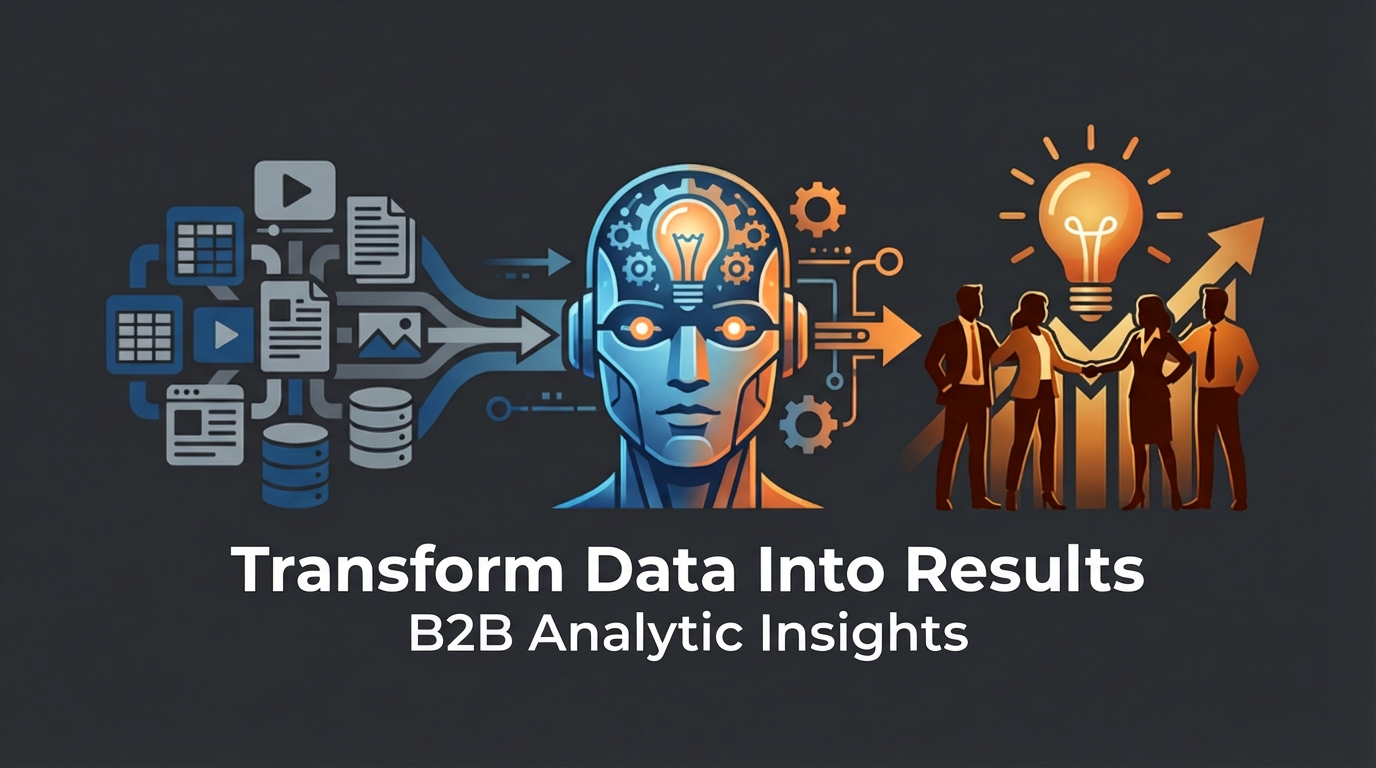
Data-driven strategies have emerged as a powerful tool for CFOs to make better decisions and drive business growth. By leveraging data analytics and technology, CFOs can gain valuable insights into their organization’s performance, identify trends and patterns, and make informed predictions about future outcomes.
Data-driven strategies involve the collection, analysis, and interpretation of data to inform decision making. This approach allows CFOs to move beyond traditional cost-cutting measures and financial reporting and focus on driving revenue and profitability.
Descriptive Analytics: Understanding Historical Data
Descriptive analytics is a key component of data-driven CFO strategies. It involves analyzing historical data to gain insights into past performance and trends. By understanding what has happened in the past, CFOs can identify areas of strength and weakness, make informed decisions, and develop strategies for improvement.
CFOs can use descriptive analytics to analyze financial data, such as revenue, expenses, and profitability. They can also analyze non-financial data, such as customer behavior, market trends, and operational metrics. By combining financial and non-financial data, CFOs can gain a holistic view of their organization’s performance and make more informed decisions.
For example, a CFO may use descriptive analytics to analyze sales data and identify which products or services are driving revenue growth. This information can then be used to inform pricing strategies, marketing campaigns, and investment decisions.
Predictive Analytics: Using Data to Forecast the Future
Predictive analytics is another powerful tool that CFOs can use to drive business growth. It involves using historical data to make predictions about future outcomes. By analyzing patterns and trends in the data, CFOs can identify potential opportunities and risks and make informed decisions to capitalize on or mitigate them.
CFOs can use predictive analytics to forecast future trends in areas such as sales, customer behavior, market demand, and financial performance. This information can help them develop strategies to drive revenue growth, optimize operations, and manage risks.
For example, a CFO may use predictive analytics to forecast future sales based on historical sales data and market trends. This information can then be used to inform production planning, inventory management, and sales strategies.
Data Management: Collecting, Storing, and Analyzing Data

Effective data management is a critical component of data-driven CFO strategies. CFOs need to ensure that data is collected, stored, and analyzed in a structured and secure manner to enable informed decision making.
CFOs can start by identifying the key data sources within their organization, such as financial systems, customer relationship management (CRM) systems, and operational databases. They should then implement processes and systems to collect and integrate data from these sources into a centralized data repository.
Once the data is collected, CFOs need to ensure that it is stored securely and accessible to relevant stakeholders. This may involve implementing data governance policies, ensuring compliance with data protection regulations, and investing in robust data storage and security infrastructure.
Finally, CFOs need to invest in data analytics tools and capabilities to analyze the data effectively. This may involve hiring data analysts or partnering with external analytics providers. The goal is to transform raw data into actionable insights that can inform decision making.
Data Integrity: Ensuring Accurate and Reliable Data
Data integrity is another critical aspect of data-driven CFO strategies. CFOs need to ensure that the data they are analyzing is accurate, reliable, and free from errors or biases. Inaccurate or unreliable data can lead to flawed analysis and poor decision making.
To ensure data integrity, CFOs should implement robust data validation processes to identify and correct errors or inconsistencies in the data. They should also establish controls and checks to prevent unauthorized access or manipulation of the data.
In addition, CFOs should invest in data quality tools and technologies that can help identify and resolve data quality issues. These tools can automate the process of identifying duplicate records, standardizing data formats, and validating data against predefined rules or criteria.
By ensuring data integrity, CFOs can have confidence in the accuracy and reliability of the insights they derive from the data, enabling them to make informed decisions.
Profitable Growth: Using Data to Drive Revenue and Profitability
One of the key benefits of data-driven CFO strategies is the ability to drive profitable growth. By leveraging data analytics, CFOs can identify opportunities to increase revenue, optimize costs, and improve profitability.
For example, CFOs can use data analytics to identify customer segments that are most profitable and develop targeted marketing campaigns to attract and retain these customers. They can also analyze pricing data to identify opportunities for price optimization and revenue maximization.
Data-driven CFO strategies can also help identify cost-saving opportunities. CFOs can analyze operational data to identify inefficiencies or bottlenecks in the production process and develop strategies to streamline operations and reduce costs. They can also analyze procurement data to identify opportunities for cost savings through supplier consolidation or renegotiation.
Companies that have successfully used data-driven strategies to achieve profitable growth include Amazon, Netflix, and Uber. These companies have leveraged data analytics to gain a deep understanding of their customers, optimize their operations, and drive revenue growth.
Traditional vs. Data-Driven Approaches to CFO Strategy
When comparing traditional CFO strategies with data-driven CFO strategies, it becomes clear that data-driven approaches offer several advantages over traditional approaches.
Traditional CFO strategies such as cost-cutting and financial reporting are important but have limitations. Cost-cutting measures can only go so far in driving growth, and focusing solely on reducing expenses may hinder innovation and investment in future growth opportunities. Similarly, financial reporting provides valuable historical information but does not necessarily provide insights into future trends or opportunities.
On the other hand, data-driven CFO strategies leverage the power of data analytics to inform decision making and drive business growth. By analyzing historical data (descriptive analytics) and making predictions about future outcomes (predictive analytics), CFOs can make informed decisions that drive revenue and profitability.
Data-driven CFO strategies also enable CFOs to take a more proactive approach to decision making. Instead of relying on historical financial statements or gut instincts, CFOs can use data analytics to identify trends, patterns, and opportunities that may not be immediately apparent.
The Importance of Data-Driven Decision Making for CFOs
In conclusion, data-driven decision making has become a critical component of the CFO’s role in driving business growth and profitability. By leveraging data analytics and technology, CFOs can gain valuable insights into their organization’s performance, identify trends and patterns, and make informed predictions about future outcomes.
Data-driven CFO strategies involve the collection, analysis, and interpretation of data to inform decision making. Descriptive analytics helps CFOs understand historical data, while predictive analytics enables them to forecast future trends. Effective data management and data integrity are critical to ensure accurate and reliable data.
By adopting data-driven strategies, CFOs can move beyond traditional cost-cutting measures and financial reporting and focus on driving revenue and profitability. Companies that have successfully used data-driven strategies, such as Amazon, Netflix, and Uber, have demonstrated the power of leveraging data to achieve profitable growth.
In today’s rapidly changing business environment, CFOs cannot afford to rely solely on traditional strategies. They must embrace data-driven decision making to stay competitive and drive business growth. By doing so, CFOs can position themselves as strategic partners in their organizations and drive long-term success.
If you’re interested in learning more about data-driven strategies for CFOs, you might find this article from B2B Analytic Insights insightful. Titled “Unlocking the Power of Data: How CFOs Can Drive Business Growth,” it delves into the ways in which CFOs can leverage data analytics to make informed decisions and drive financial success. To read the full article, visit https://b2banalyticinsights.com/blog/. For any inquiries or further information, feel free to reach out to B2B Analytic Insights through their contact page at https://b2banalyticinsights.com/contact/.