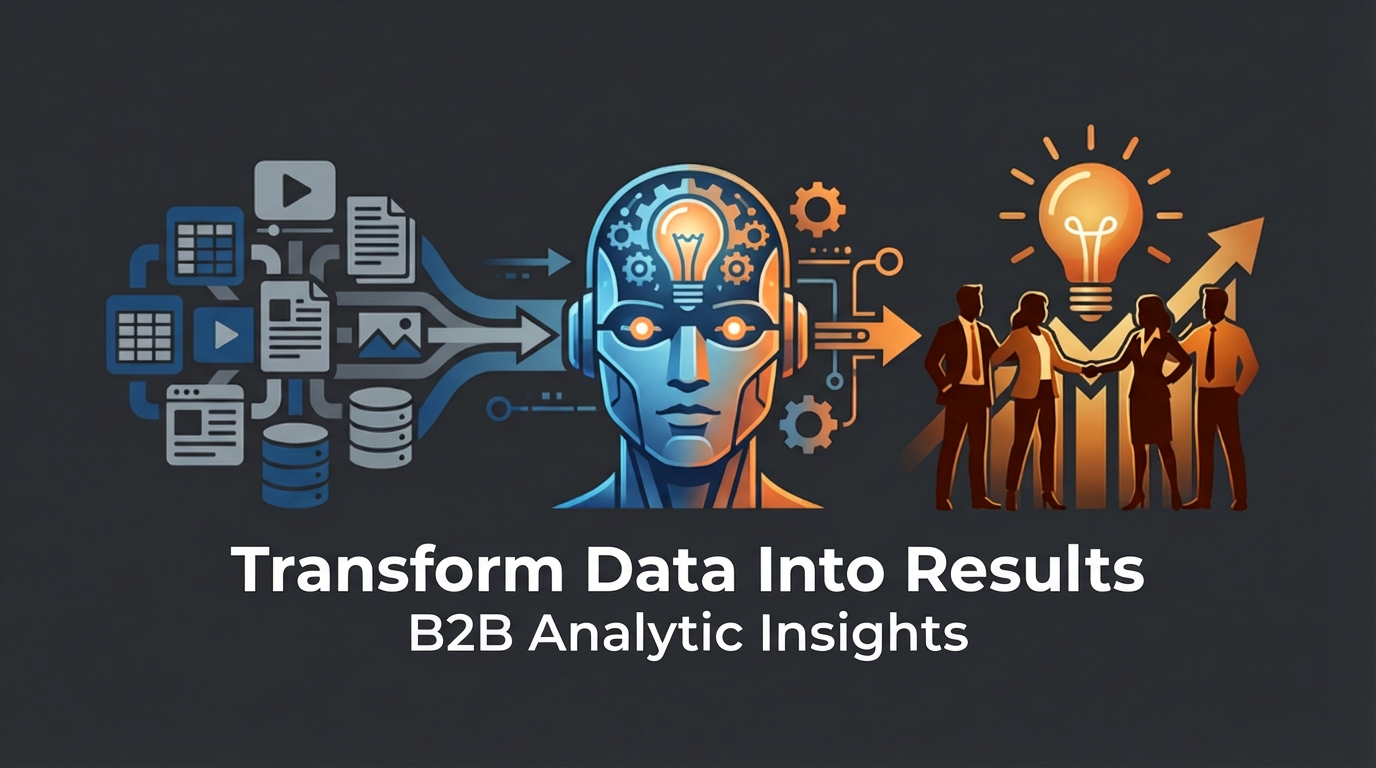

Credit scores are essential in financial decision-making, used by lenders to evaluate creditworthiness and determine eligibility for various financial products. Traditional credit scores rely on limited data, including payment history, credit utilization, credit history length, new accounts, and credit types. However, alternative data sets are increasingly supplementing traditional models to provide a more comprehensive assessment of creditworthiness.
Alternative data sets include rental payment history, utility bill payments, employment history, income and assets, education level, and social media activity. Incorporating these data sources allows lenders to gain a more holistic view of an individual’s financial behavior and repayment ability. This approach benefits those with limited credit history or past financial hardships, promoting fairer and more inclusive access to credit.
These alternative data sets can mitigate the impact of traditional credit scoring factors that may not accurately reflect financial responsibility. For example, individuals with limited credit history or without traditional banking relationships may be unfairly penalized by conventional models. By considering rental payment history or utility bill payments, lenders can better understand an individual’s financial behavior and make more informed decisions.
This approach helps level the playing field for consumers who may have been underserved by traditional credit scoring models.
Key Takeaways
- Alternative data sets can have a significant impact on financial decision-making by providing a more comprehensive view of an individual’s creditworthiness.
- Big data plays a crucial role in credit scoring by allowing the inclusion of alternative data sets such as utility payments, rental history, and even social media behavior.
- Data quality is essential in alternative credit scoring models to ensure accuracy and reliability in the decision-making process.
- Leveraging alternative data sets can lead to more inclusive financial decision-making by providing opportunities for individuals with limited traditional credit history.
- Analyzing the impact of alternative data on credit score dynamics can help identify trends and patterns that can improve the accuracy of credit scoring models.
Harnessing Big Data for Credit Scoring: The Role of Alternative Data Sets
Unlocking New Insights with Alternative Data
The advent of big data has revolutionized the way credit scoring is conducted, allowing lenders to harness vast amounts of information to make more accurate and predictive lending decisions. Alternative data sets play a crucial role in this process, providing additional insights into an individual’s financial behavior and ability to manage credit responsibly. By leveraging big data analytics, lenders can analyze alternative data sets to identify patterns and trends that may not be captured by traditional credit scoring models, leading to more accurate assessments of creditworthiness.
Identifying Emerging Trends in Consumer Behavior
One of the key advantages of harnessing big data for credit scoring is the ability to identify new and emerging trends in consumer behavior. Traditional credit scoring models are based on historical data and may not always capture the evolving financial habits of consumers. By analyzing alternative data sets such as social media activity or online shopping behavior, lenders can gain real-time insights into consumer behavior and make more informed lending decisions.
Improving Credit Scoring Models with Big Data Analytics
Big data analytics can help lenders to identify correlations and relationships between different types of alternative data and an individual’s creditworthiness. By analyzing large volumes of data, lenders can uncover patterns and associations that may not be immediately apparent, leading to more accurate and predictive credit scoring models. For example, by analyzing the relationship between rental payment history and loan repayment behavior, lenders can identify correlations that may indicate an individual’s likelihood of repaying debts. This can help to improve the accuracy of credit scoring models and ensure that lending decisions are based on a comprehensive understanding of an individual’s financial behavior.
The Importance of Data Quality in Alternative Credit Scoring Models

While alternative data sets offer valuable insights into an individual’s financial behavior, it is crucial to ensure that the quality of the data being used is reliable and accurate. Poor quality data can lead to inaccurate assessments of creditworthiness and may result in unfair lending decisions. Therefore, it is essential for lenders to prioritize data quality when incorporating alternative data sets into credit scoring models.
Data quality encompasses several key factors, including accuracy, completeness, consistency, timeliness, and relevance. In the context of alternative credit scoring models, accuracy is particularly important, as inaccurate data can lead to flawed assessments of an individual’s creditworthiness. For example, if rental payment history data is incomplete or contains errors, it may not provide an accurate reflection of an individual’s financial behavior.
Similarly, inconsistent or outdated data can lead to misleading conclusions about an individual’s ability to manage credit responsibly. In addition to accuracy, completeness is also crucial for ensuring the reliability of alternative data sets. Lenders must have access to comprehensive and detailed information in order to make informed lending decisions.
Incomplete data sets may lead to gaps in the assessment of an individual’s creditworthiness, potentially resulting in unfair lending decisions. Therefore, it is essential for lenders to work with data providers that can offer comprehensive and detailed alternative data sets that provide a holistic view of an individual’s financial behavior.
Leveraging Alternative Data Sets for More Inclusive Financial Decision-Making
One of the key benefits of alternative data sets is their potential to make financial decision-making more inclusive and accessible to a wider range of consumers. Traditional credit scoring models may not accurately capture the creditworthiness of individuals with limited credit history or those who do not have traditional banking relationships. By incorporating alternative data sets such as rental payment history or utility bill payments, lenders can gain a more comprehensive understanding of an individual’s financial behavior and make more informed lending decisions.
Furthermore, alternative data sets can help to address disparities in access to credit by providing a more holistic view of an individual’s financial responsibility. For example, individuals who have a limited credit history or who do not have traditional banking relationships may be unfairly penalized by traditional credit scoring models. By considering a broader range of data points, alternative credit scoring models can help to level the playing field for consumers who may have been underserved by traditional credit scoring models.
This can help to promote greater financial inclusion and ensure that a wider range of consumers have access to affordable credit options. In addition to promoting financial inclusion, leveraging alternative data sets can also help lenders to better assess the creditworthiness of individuals who may have experienced financial hardships in the past. Traditional credit scoring models may not always capture the full picture of an individual’s financial behavior, particularly if they have faced challenges such as job loss or medical expenses.
By incorporating alternative data sets such as employment history or income and assets, lenders can gain a more nuanced understanding of an individual’s financial situation and make more informed lending decisions. This can help to ensure that individuals who have experienced financial setbacks are not unfairly penalized when applying for credit.
Analyzing the Impact of Alternative Data on Credit Score Dynamics
The incorporation of alternative data sets into credit scoring models has had a significant impact on the dynamics of credit scores and lending decisions. By considering a broader range of data points, lenders are able to gain a more comprehensive understanding of an individual’s financial behavior and ability to manage credit responsibly. This has led to more accurate and predictive credit scoring models that can better assess the creditworthiness of a wider range of consumers.
One of the key impacts of alternative data on credit score dynamics is the potential for fairer lending decisions. Traditional credit scoring models may not accurately capture the creditworthiness of individuals with limited credit history or those who do not have traditional banking relationships. By incorporating alternative data sets such as rental payment history or utility bill payments, lenders can gain a more holistic view of an individual’s financial behavior and make more informed lending decisions.
This can help to level the playing field for consumers who may have been underserved by traditional credit scoring models and ensure that a wider range of individuals have access to affordable credit options. Furthermore, the use of alternative data sets has also led to more personalized lending decisions that take into account a wider range of factors beyond traditional credit history. By analyzing alternative data such as employment history, income and assets, and education level, lenders can gain a more nuanced understanding of an individual’s financial situation and make more tailored lending decisions.
This can help to ensure that lending decisions are based on a comprehensive assessment of an individual’s financial behavior and ability to manage credit responsibly.
The Future of Credit Scoring: Integrating Alternative Data Sets for Better Financial Decision-Making

Integrating Alternative Data into Traditional Models
The future of credit scoring is increasingly focused on integrating alternative data sets into traditional credit scoring models to provide a more comprehensive and accurate assessment of an individual’s creditworthiness. As technology continues to advance and big data analytics become more sophisticated, lenders are able to harness vast amounts of information from non-traditional sources to make more informed lending decisions.
Greater Financial Inclusion through Alternative Data
One key aspect of the future of credit scoring is the potential for greater financial inclusion through the use of alternative data sets. By incorporating non-traditional data sources such as rental payment history, utility bill payments, employment history, income and assets, and education level, lenders can gain a more holistic view of an individual’s financial behavior and ability to manage credit responsibly. This can help to level the playing field for consumers who may have been underserved by traditional credit scoring models and ensure that a wider range of individuals have access to affordable credit options.
Personalized Lending Decisions through Alternative Data Analysis
Furthermore, the integration of alternative data sets into credit scoring models is expected to lead to more personalized lending decisions that take into account a wider range of factors beyond traditional credit history. By analyzing alternative data such as social media activity or online shopping behavior, lenders can gain real-time insights into consumer behavior and make more tailored lending decisions. This can help to ensure that lending decisions are based on a comprehensive assessment of an individual’s financial behavior and ability to manage credit responsibly.
The Role of Analytics in Harnessing Alternative Data Sets for Credit Scoring
Analytics play a crucial role in harnessing alternative data sets for credit scoring by enabling lenders to analyze vast amounts of information from non-traditional sources and identify patterns and trends that may not be captured by traditional credit scoring models. By leveraging big data analytics, lenders are able to gain real-time insights into consumer behavior and make more informed lending decisions based on a comprehensive understanding of an individual’s financial behavior. One key aspect of analytics in harnessing alternative data sets for credit scoring is the ability to identify correlations and relationships between different types of alternative data and an individual’s creditworthiness.
By analyzing large volumes of data, lenders can uncover patterns and associations that may not be immediately apparent, leading to more accurate and predictive credit scoring models. For example, by analyzing the relationship between rental payment history and loan repayment behavior, lenders can identify correlations that may indicate an individual’s likelihood of repaying debts. This can help to improve the accuracy of credit scoring models and ensure that lending decisions are based on a comprehensive understanding of an individual’s financial behavior.
Furthermore, analytics also play a crucial role in ensuring the quality and reliability of alternative data sets used in credit scoring models. By conducting thorough analysis and validation processes, lenders can ensure that the alternative data being used is accurate, complete, consistent, timely, and relevant. This is essential for ensuring that lending decisions are based on reliable information that provides a comprehensive view of an individual’s financial behavior and ability to manage credit responsibly.
FAQs
What is a credit score?
A credit score is a numerical representation of an individual’s creditworthiness, based on their credit history and other financial behavior.
How is a credit score calculated?
Credit scores are calculated using a variety of factors, including payment history, credit utilization, length of credit history, types of credit used, and new credit inquiries.
Why is a credit score important?
A credit score is important because it is used by lenders, landlords, and even employers to assess an individual’s financial responsibility and trustworthiness.
What are alternative data sets in relation to credit scores?
Alternative data sets refer to non-traditional sources of information that can be used to assess an individual’s creditworthiness, such as utility bill payments, rental payments, and even social media activity.
How can alternative data sets be harnessed for financial decision-making?
By incorporating alternative data sets into credit scoring models, lenders and financial institutions can gain a more comprehensive and accurate understanding of an individual’s financial behavior, potentially expanding access to credit for those with limited traditional credit history.
What are the potential benefits of using alternative data sets for credit scoring?
The use of alternative data sets can potentially help to provide a more inclusive and fair assessment of creditworthiness, as well as expand access to credit for individuals who may have limited traditional credit history.