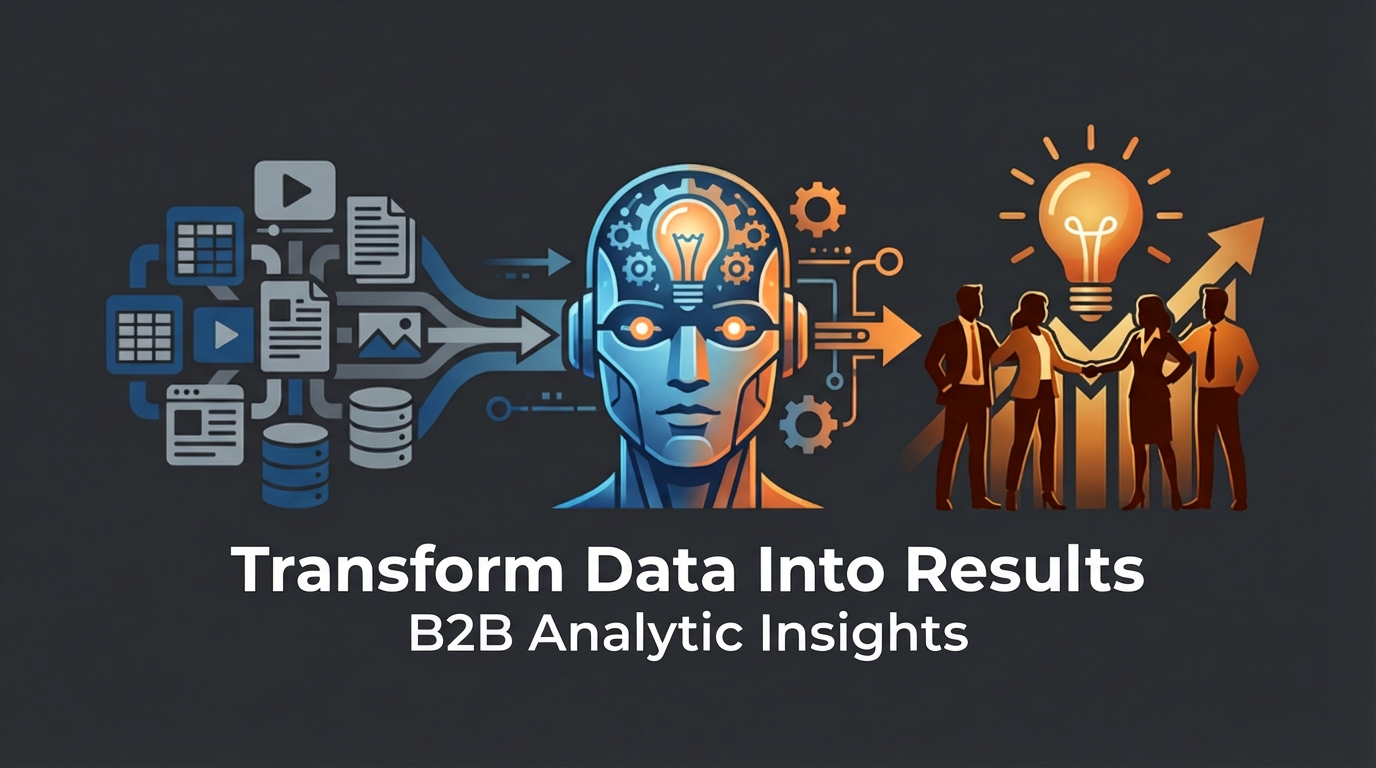

The Silos Strike Back: Why Enterprise Analytics Continues to Struggle
“Our credit risk models are robust, yet our collections team consistently misses early warning signs.” “Our financial analysts predict market shifts, but our enterprise operations struggle with inventory optimization.” “Our sales team has mountains of customer data, but marketing can’t translate it into targeted campaigns.” These are not isolated laments; they are symptoms of a pervasive organizational pathology: analytical fragmentation. For decades, businesses have invested heavily in departmental analytics solutions, fostering pockets of deep expertise. Yet, this specialization, while valuable, has inadvertently erected barriers, hindering a holistic, strategic view of the enterprise. The result? Stalled innovation, suboptimal resource allocation, and a persistent lag in time-to-insight that directly impacts the bottom line. We’re talking about millions, sometimes tens of millions, in missed opportunities and avoidable losses annually for a large enterprise. This isn’t just about better dashboards; it’s about fundamentally rethinking how information flows and decisions are made across an organization. The challenge isn’t data volume; it’s data utility across disparate functions, and the chasm between specialist insights and actionable, enterprise-wide strategy.
The Hidden Costs of Fragmented Analytics
Let’s put some numbers to this. Consider a scenario in credit risk where the fraud detection team, using sophisticated machine learning, identifies suspicious patterns. If this intelligence isn’t seamlessly integrated with the customer service department’s contact history or the marketing team’s engagement data, the opportunity to proactively intervene or understand the customer journey is lost. This can lead to increased charge-offs, higher customer churn, and ultimately, a deterioration of the customer lifetime value. Similarly, in financial analysis, a keen understanding of supply chain vulnerabilities might exist within one team, but without a frictionless conduit to the procurement department, that insight remains theoretical rather than transformative. We see enterprises grappling with a 15-20% inefficiency in operational spend purely due to a lack of unified analytical perspective. The time-to-insight can stretch from days to weeks, rendering otherwise valuable data stale and reactive. This isn’t just a technical problem; it’s an organizational design challenge exacerbated by a lack of shared analytical infrastructure and common language.
The Imperative for Cross-Functional Integration
The modern enterprise operates as a complex ecosystem. Credit risk assessment impacts sales strategies; financial health dictates operational agility; customer service experiences directly influence marketing effectiveness. Therefore, isolating analytical efforts into discrete departmental silos is no longer viable. The sheer volume and velocity of data demand a different approach – one that enables cross-functional collaboration and democratizes access to insights. The objective is to move beyond mere data sharing to true collaborative intelligence, where insights from one function immediately inform and enrich the understanding of others. This is the cornerstone of true data-driven decision-making at scale, transforming reactive reporting into proactive strategic action.
In the realm of Cross-Functional Analytics, the integration of AI tools is revolutionizing how organizations break down silos and enhance collaboration across departments. A related article that delves deeper into this transformative approach can be found at B2B Analytic Insights, where it explores various strategies and technologies that empower teams to leverage data more effectively, fostering a culture of shared insights and informed decision-making.
AI as the Catalyst for Analytical Synergy

The promise of AI isn’t simply automation; it’s intelligent integration. AI tools are emerging as the linchpin for breaking down these analytical silos, acting as a universal translator and orchestrator across diverse functional domains. By leveraging AI, organizations can move from a fragmented analytical landscape to a unified ecosystem where insights are not just shared, but actively synthesized and contextualized for varied stakeholders. This is where the concept of “analytics transformation” truly takes hold, leveraging AI to bridge the technical gap between data specialists and business users, and the organizational gap between departments.
Conversational AI for Democratized Insights
One of the most significant advancements is the rise of conversational AI. Imagine a finance executive asking a plain-language question about the impact of a specific market trend on their credit portfolio, and receiving an immediate, data-backed answer, without needing to understand SQL or navigate complex dashboards. This is becoming a reality. Solutions like Databricks’ Genie, built on their robust data intelligence platform, are aiming to embed conversational AI directly into enterprise workflows across sales, finance, HR, IT, supply chain, and customer service. This empowers business users, who are experts in their domain but not necessarily in data science, to interact with data naturally and extract actionable intelligence. Similarly, Medallia’s new AI capabilities extend GenAI tools to more languages and democratize omnichannel experience analytics, enabling cross-functional teams to gain insights into customer journeys without specialized analytical skills. Intuit Mailchimp’s Analytics AI exemplifies this by providing conversational, actionable intelligence from connected marketing and ecommerce data, eliminating the need for building custom dashboards. This dramatically reduces the “time-to-insight” for non-technical users, accelerating decision-making cycles.
Intelligent Data Orchestration and Connectivity
Beyond conversational interfaces, AI is revolutionizing the underlying data infrastructure itself. The ability to seamlessly connect disparate data sources, cleanse them, and prepare them for analysis is critical. Alteryx, for instance, is enhancing its platform with an MCP server, Agent Studio, and OpenAI integrations. This allows for the connection of governed enterprise data with AI tools and agents, establishing Alteryx as a powerful cross-functional “connective tissue” layer. This is crucial for B2B enterprises where data often resides in legacy systems, cloud platforms, and third-party applications. Coupler.io’s Coupler AI takes this a step further, using plain-language prompts to connect applications, prepare data, and deliver analysis across marketing, sales, finance, and operations. This intelligent automation of data integration and preparation is a game-changer, significantly reducing the manual effort and expertise traditionally required to unify data from various sources. We’re talking about cutting data preparation time by 30-50% in many cases, freeing up valuable data science resources for higher-value activities.
Autonomous Enterprise AI and Workflow Acceleration
The future of cross-functional analytics points towards autonomous enterprise AI platforms. Snowflake’s Project SnowWork, a research-preview autonomous enterprise AI platform, is designed to accelerate business-user workflows. This goes beyond simple reporting, aiming to proactively identify trends, suggest interventions, and even automate certain analytical tasks. For a credit risk team, this might mean AI autonomously flagging unusual transaction patterns, then cross-referencing them with customer behavior data from the sales department and financial health indicators from the finance department, to provide a consolidated risk score and recommended action. This level of intelligent automation streamlines complex analytical processes, moving organizations closer to truly proactive, predictive capabilities.
Implementing a Cross-Functional AI Analytics Framework

Adopting AI for cross-functional analytics isn’t a flip of a switch; it’s a strategic undertaking that requires careful planning and execution. It’s about building a robust framework that encompasses technology, processes, and people. Simply acquiring AI tools without addressing these foundational elements will lead to suboptimal outcomes. The ROI hinges on a well-defined strategy and a commitment to organizational change.
Establishing a Unified Data Foundation
The bedrock of any successful cross-functional analytics initiative is a unified and accessible data foundation. This means investing in data lakes, data warehouses, and data marts that are designed for enterprise-wide use. Data governance becomes paramount here – defining data ownership, quality standards, and access protocols. Without clean, consistent, and well-governed data, even the most sophisticated AI models will yield unreliable results. Organizations need to consolidate their data assets, often using platforms like Databricks or Snowflake, to create a single source of truth that all departments can access and trust. This also involves implementing robust data lineage and metadata management to ensure transparency and auditability, which is particularly critical in regulated industries like financial services.
Defining Use Cases with Clear Business Value
Don’t start with the technology; start with the business problem. Identify critical cross-functional use cases where current analytical silos are causing significant pain points and quantifiable losses. For instance, connecting credit risk insights with customer service data to reduce churn among high-risk customers, or integrating financial projections with operational data to optimize supply chain resilience. Each use case should have a clear hypothesis, measurable KPIs, and a demonstrable ROI. This allows for iterative development and demonstrates early wins, building momentum and executive buy-in. Focus on areas where the convergence of data from multiple departments can unlock entirely new insights and drive significant operational or financial improvements.
Fostering a Culture of Data Literacy and Collaboration
Technology is only half the equation. The other half is people and culture. A successful cross-functional analytics transformation requires fostering a culture of data literacy across all departments. This means providing training and resources that empower business users to understand, interpret, and leverage analytical insights. It also necessitates breaking down departmental communication barriers and promoting collaborative workflows. Cross-functional teams, perhaps comprising members from finance, operations, sales, and IT, should be established to co-create and implement AI-driven analytical solutions. This collaborative approach ensures that solutions are relevant, adopted, and generate maximum value. Without this cultural shift, even the best AI tools will remain underutilized.
Navigating Challenges and Maximizing ROI
The journey to cross-functional AI analytics is not without its hurdles. Data privacy, security, integration complexities, and the need for new skill sets are all significant considerations. However, by proactively addressing these challenges, organizations can unlock substantial ROI and achieve true analytical superiority.
Addressing Data Privacy and Security Concerns
With cross-functional data sharing and AI processing, data privacy and security become even more critical. Robust data anonymization, encryption, and access control mechanisms must be implemented. Compliance with regulations like GDPR and CCPA is non-negotiable, particularly when dealing with sensitive customer data in financial analysis or personal information in HR analytics. Building trust in the system through transparent data governance practices is paramount. The C-suite must champion these efforts, ensuring that data security is embedded in every layer of the analytical architecture.
Overcoming Integration Complexities
Integrating disparate systems and data sources can be a daunting task. Legacy systems, varied data formats, and different APIs often pose significant challenges. This is where platforms like Alteryx and Coupler.io, with their focus on intelligent data orchestration and connectivity, become invaluable. Investing in robust integration platforms and API management tools is crucial to ensuring seamless data flow across the enterprise. Consider a phased approach to integration, tackling critical connections first and gradually expanding the scope. The goal is to create a frictionless data pipeline that feeds AI models with high-quality, real-time information.
Developing New Skill Sets and Organizational Agility
The shift to AI-powered cross-functional analytics requires new skills. Data scientists need to understand business domains, and business analysts need a deeper appreciation for AI capabilities. Investing in upskilling programs for existing employees and selectively hiring new talent with hybrid skill sets is essential. Furthermore, organizations need to cultivate agility – the ability to adapt quickly to new technologies and iterate on analytical solutions. This means embracing agile methodologies in analytics development and fostering a mindset of continuous improvement. The ROI will be realized not just through direct cost savings, but also through increased organizational efficiency, improved decision-making quality, and enhanced competitive advantage.
In the realm of Cross-Functional Analytics, the integration of AI tools is proving essential for breaking down barriers between departments and enhancing collaboration. A related article discusses how analytics can transform raw data into meaningful actions, showcasing the potential of these technologies to drive strategic decision-making across organizations. For more insights on this topic, you can read the article on the power of analytics.
Strategic Recommendations for a Data-Driven Future
| Metric | Description | Impact of AI Tools | Example Value |
|---|---|---|---|
| Data Integration Time | Time taken to consolidate data from multiple departments | Reduced by automating data extraction and harmonization | From 10 days to 2 days |
| Collaboration Efficiency | Effectiveness of cross-team communication and project completion | Improved through AI-driven insights and shared dashboards | Increase by 35% |
| Insight Generation Speed | Time to generate actionable insights from data | Accelerated by AI-powered analytics and natural language processing | From 5 days to 12 hours |
| Data Accuracy | Level of correctness and reliability of combined datasets | Enhanced by AI-based anomaly detection and cleansing | Improved from 85% to 98% |
| Decision-Making Speed | Time taken to make strategic decisions based on analytics | Reduced due to real-time AI insights and predictive analytics | From 7 days to 1 day |
| User Adoption Rate | Percentage of teams actively using AI analytics tools | Increased by intuitive AI interfaces and training | From 40% to 75% |
To truly harness the power of cross-functional AI analytics, C-suite executives and analytics leaders must adopt a strategic, top-down approach. This isn’t just about implementing new tools; it’s about fundamentally reshaping the organization’s relationship with data and intelligence.
Champion a Unified Data Strategy from the Top
The C-suite must actively champion a unified data strategy that transcends departmental boundaries. This involves allocating resources, setting clear organizational objectives for data sharing and collaboration, and establishing metrics to track progress. Without executive leadership, departmental silos will persist, and the full potential of AI will remain untapped. This leadership needs to communicate the vision for analytics transformation, emphasizing the strategic importance of enterprise-wide data utilization.
Invest in Foundational Data Infrastructure and Governance
Prioritize investment in modern data platforms (e.g., Databricks, Snowflake) that can serve as the backbone for cross-functional AI analytics. Simultaneously, establish robust data governance frameworks that define data ownership, quality, security, and accessibility. This foundational work will ensure that AI models are fed with reliable, trustworthy data, leading to more accurate insights and better business outcomes. Think of this as building the highways and traffic laws before you introduce self-driving cars.
Empower Business Users with Intuitive AI Tools
Actively seek out and implement AI tools that offer intuitive, conversational interfaces (e.g., Databricks Genie, Medallia’s GenAI, Intuit Mailchimp’s Analytics AI). The goal is to democratize analytics, enabling business users across sales, finance, operations, and HR to derive actionable insights without requiring deep technical expertise. This significantly reduces the bottleneck on specialized data teams and accelerates time-to-insight.
Cultivate a Culture of Experimentation and Continuous Learning
Embrace an iterative approach to AI implementation. Encourage experimentation with new AI tools and methodologies, and foster a culture of continuous learning. Provide training and development opportunities for employees to build new skills in data science, AI literacy, and collaborative analytics. The landscape of AI is rapidly evolving, and organizations that can adapt and learn will be best positioned for sustained success. This includes supporting initiatives like Snowflake’s Project SnowWork or Alteryx’s enhanced platform, which are pushing the boundaries of what’s possible with enterprise AI.
By strategically implementing AI to break down analytical silos, organizations can move beyond mere reporting to achieve genuine analytics transformation. This shift empowers every department with critical insights, fostering a truly data-driven enterprise that is more agile, resilient, and ultimately, more profitable. The future belongs to those who can connect the dots, and AI is the most powerful connector we have.