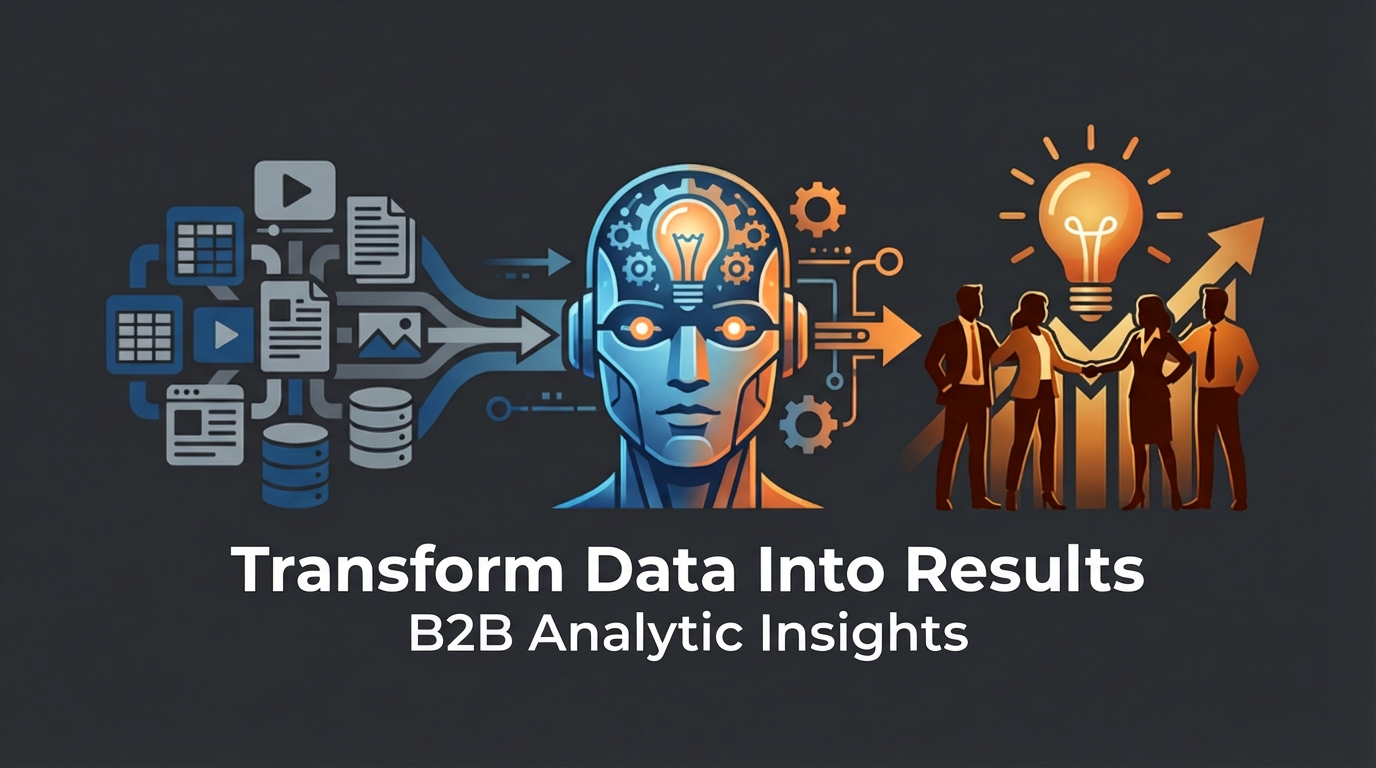

CFOs play a crucial role in the success of a company by making strategic financial decisions. These decisions can have a significant impact on the company’s profitability, growth, and overall performance. In today’s data-driven world, CFOs need to have access to accurate and reliable data to make informed decisions. This is where data decision-making frameworks come into play.
Data decision-making frameworks provide CFOs with the necessary tools and methodologies to analyze data and make informed decisions. These frameworks help CFOs understand past performance, forecast future outcomes, and identify opportunities for growth and profitability. By leveraging data, CFOs can make strategic decisions that drive the success of their companies.
Key Takeaways
- Data decision-making frameworks are crucial for CFOs to make informed decisions.
- Descriptive analytics helps in understanding past performance to make better future decisions.
- Predictive analytics uses data to forecast business outcomes and plan accordingly.
- Efficient data management and ensuring data integrity are essential for accurate analysis.
- Leveraging data can drive business growth and profitability, and CFOs play a crucial role in implementing data decision-making frameworks.
Descriptive Analytics: Understanding Past Performance to Inform Future Decisions
Descriptive analytics is an essential component of data decision-making frameworks. It involves analyzing historical data to understand past performance and identify trends and patterns. By examining past performance, CFOs can gain valuable insights into what has worked well in the past and what hasn’t.
For example, a CFO may analyze sales data from the past year to identify which products or services have been the most profitable. This information can then be used to inform future decisions about resource allocation and investment opportunities. By understanding past performance, CFOs can make more informed decisions that are based on data rather than intuition or guesswork.
Predictive Analytics: Using Data to Forecast Business Outcomes
Predictive analytics is another important component of data decision-making frameworks. It involves using historical data to forecast future business outcomes. By analyzing patterns and trends in the data, CFOs can make predictions about future performance and make informed decisions accordingly.
For example, a CFO may use predictive analytics to forecast sales for the upcoming quarter based on historical sales data, market trends, and other relevant factors. This information can then be used to make decisions about production levels, inventory management, and marketing strategies. By leveraging data to make predictions, CFOs can make more accurate and informed decisions that drive business success.
Data Management: Collecting, Storing, and Analyzing Data Efficiently
Effective data management is essential for successful data decision-making frameworks. CFOs need to ensure that data is collected, stored, and analyzed efficiently to ensure accurate and reliable results. This involves implementing robust data collection processes, utilizing secure storage systems, and employing advanced data analysis techniques.
CFOs must also ensure that the data they are using is of high quality. This means verifying the accuracy and reliability of the data and addressing any issues or inconsistencies that may arise. By implementing effective data management practices, CFOs can ensure that the data decision-making frameworks they rely on are based on accurate and reliable information.
Data Integrity: Ensuring the Accuracy and Reliability of Data
Data integrity is critical for effective data decision-making frameworks. CFOs must ensure that the data they are using is accurate, complete, and reliable. This requires implementing strong data governance practices and establishing processes to verify the integrity of the data.
CFOs should also consider implementing data validation techniques to ensure that the data they are using is accurate and reliable. This may involve conducting regular audits of the data, implementing data quality checks, and utilizing advanced data validation tools.
By ensuring the integrity of the data, CFOs can have confidence in the decisions they make based on that data. This is crucial for driving business success and achieving strategic goals.
Profitable Growth: Leveraging Data to Drive Business Growth and Profitability

One of the key benefits of data decision-making frameworks is their ability to help CFOs identify opportunities for profitable growth. By leveraging data, CFOs can gain insights into customer behavior, market trends, and other factors that can drive business growth and profitability.
For example, a CFO may analyze customer purchase data to identify cross-selling or upselling opportunities. This information can then be used to develop targeted marketing campaigns and sales strategies that drive revenue growth.
By leveraging data to identify growth opportunities, CFOs can make informed decisions that maximize profitability and drive the success of their companies.
The Role of CFOs in Data Decision-making Frameworks
CFOs play a critical role in implementing and utilizing data decision-making frameworks. They are responsible for ensuring that the frameworks are aligned with the company’s strategic goals and objectives. CFOs must also ensure that the frameworks are effectively implemented and utilized throughout the organization.
CFOs should work closely with other stakeholders, such as IT departments and data analysts, to ensure that the frameworks are properly implemented and utilized. They should also provide guidance and support to employees who are responsible for collecting, storing, and analyzing data.
By taking an active role in implementing and utilizing data decision-making frameworks, CFOs can ensure that their companies have access to accurate and reliable data for making informed decisions.
Best Practices for Implementing Data Decision-making Frameworks
Effective implementation of data decision-making frameworks requires careful planning and execution. CFOs should follow best practices to ensure that the frameworks are successfully implemented and utilized throughout the organization.
Some best practices for implementing data decision-making frameworks include:
1. Identify key stakeholders: CFOs should identify key stakeholders who will be involved in the implementation and utilization of the frameworks. This may include IT departments, data analysts, and other relevant personnel.
2. Establish clear goals and objectives: CFOs should establish clear goals and objectives for the implementation of the frameworks. This will help guide the implementation process and ensure that everyone is working towards a common goal.
3. Ensure data accuracy and reliability: CFOs should implement processes to ensure that the data used in the frameworks is accurate and reliable. This may involve conducting regular audits, implementing data quality checks, and utilizing advanced data validation techniques.
4. Provide training and support: CFOs should provide training and support to employees who will be responsible for collecting, storing, and analyzing data. This will help ensure that everyone understands how to effectively utilize the frameworks.
By following these best practices, CFOs can increase the likelihood of successful implementation and utilization of data decision-making frameworks.
Challenges and Risks Associated with Data Decision-making Frameworks
Implementing data decision-making frameworks is not without its challenges and risks. CFOs should be aware of these challenges and risks and take steps to mitigate them.
Some common challenges and risks associated with data decision-making frameworks include:
1. Data security concerns: CFOs must ensure that the data used in the frameworks is secure and protected from unauthorized access. This may involve implementing robust security measures, such as encryption and access controls.
2. Data quality issues: CFOs must address any data quality issues that may arise. This may involve conducting regular audits, implementing data quality checks, and utilizing advanced data validation techniques.
3. Ongoing maintenance and updates: Data decision-making frameworks require ongoing maintenance and updates to ensure their effectiveness. CFOs should allocate resources for this purpose and establish processes to regularly review and update the frameworks.
By addressing these challenges and risks, CFOs can minimize the potential negative impact on the implementation and utilization of data decision-making frameworks.
The Future of Data Decision-making Frameworks for CFOs
Data decision-making frameworks are becoming increasingly important for CFOs as technology continues to evolve. With the vast amount of data available today, CFOs need effective tools and methodologies to analyze this data and make informed decisions.
As technology continues to advance, CFOs must stay up-to-date with the latest tools and techniques for data analysis. This may involve investing in advanced analytics software, leveraging artificial intelligence and machine learning technologies, and staying informed about industry best practices.
By embracing data decision-making frameworks and leveraging data to make informed decisions, CFOs can drive the success of their companies and achieve their strategic goals.
If you’re a CFO looking to secure business growth through data-driven decision-making, you’ll want to check out this insightful article from B2B Analytic Insights. In their article titled “The Power of Analytics: Transforming Data into Meaningful Actions,” they delve into the importance of leveraging analytics to make informed decisions that drive business success. With a focus on data decision-making frameworks, this article provides valuable insights and strategies for CFOs to harness the power of data and drive growth. Don’t miss out on this must-read resource! Read more here.