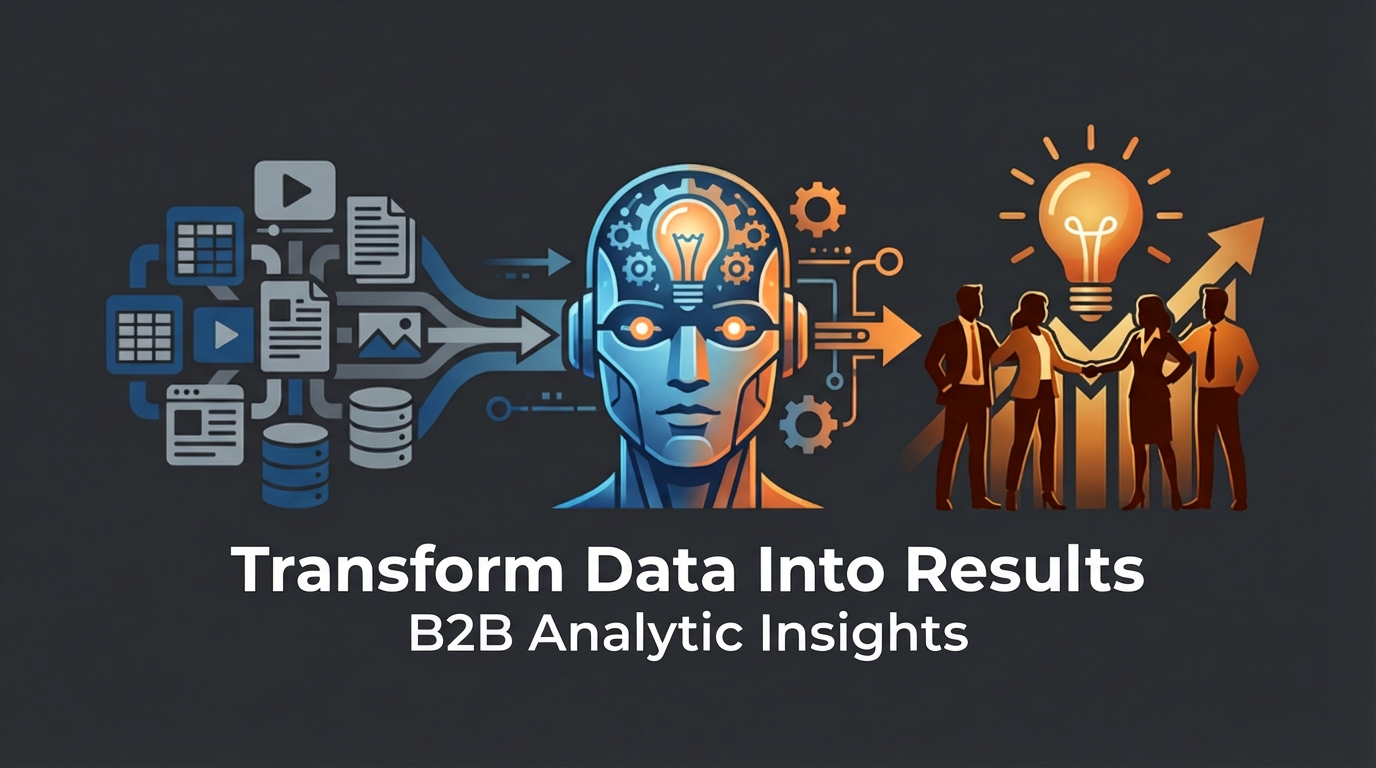

In today’s rapidly changing business landscape, the role of Chief Financial Officers (CFOs) has become increasingly critical. CFOs are responsible for making strategic financial decisions that drive the success and profitability of their organizations. However, in uncertain times, such as economic downturns or global crises, CFOs face unique challenges that require them to navigate through uncertainty and make informed decisions.
During uncertain times, financial decision-making becomes even more complex and challenging. CFOs must consider various factors, such as market volatility, changing customer demands, and unpredictable economic conditions. In order to make effective decisions, CFOs need access to accurate and timely data that can provide insights into past performance, anticipate future trends, and mitigate risks.
This is where data hacks come into play. Data hacks refer to the use of data-driven strategies and analytics to gain valuable insights and make informed financial decisions. By leveraging data analytics, CFOs can better understand their organization’s past performance, anticipate future trends and opportunities, optimize costs, manage risks, improve operational efficiency, and drive profitable growth.
Key Takeaways
- Data hacks are crucial for CFOs in uncertain times to make informed decisions.
- Descriptive analytics helps in understanding past performance to inform future decisions.
- Predictive analytics leverages data to anticipate trends and opportunities.
- Data management ensures efficient and effective data collection and storage.
- Data integrity is essential for maintaining accurate and reliable data for better decision-making.
Descriptive Analytics: Understanding Past Performance to Inform Future Decisions
Descriptive analytics is the first step in the data analytics process. It involves analyzing historical data to gain insights into past performance and understand what has happened in the past. Descriptive analytics provides CFOs with a clear picture of their organization’s financial performance, allowing them to identify trends, patterns, and areas for improvement.
For example, CFOs can use descriptive analytics to analyze sales data from previous quarters or years to identify which products or services are driving revenue growth and which ones are underperforming. This information can help CFOs make informed decisions about resource allocation, product development, and marketing strategies.
Accurate and timely data is crucial for descriptive analytics. CFOs need access to up-to-date financial data from various sources, such as sales reports, financial statements, and customer data. This data should be organized and structured in a way that allows for easy analysis and interpretation.
Predictive Analytics: Leveraging Data to Anticipate Trends and Opportunities
Predictive analytics takes descriptive analytics a step further by using historical data to make predictions about future events or trends. It involves the use of statistical models and algorithms to analyze historical data and identify patterns or correlations that can be used to forecast future outcomes.
For example, CFOs can use predictive analytics to forecast sales for the upcoming quarter based on historical sales data, market trends, and other relevant factors. This information can help CFOs anticipate future revenue streams, plan for resource allocation, and make informed decisions about pricing strategies.
Predictive analytics can also help CFOs identify potential opportunities or risks. By analyzing historical data and external factors, CFOs can identify patterns or trends that may indicate emerging market opportunities or potential risks. This information can help CFOs proactively respond to changing market conditions and make strategic decisions to capitalize on opportunities or mitigate risks.
Data Management: Ensuring Efficient and Effective Data Collection and Storage
Data management is a critical aspect of data-driven decision-making. CFOs need to ensure that their organization’s data is collected, stored, and managed in an efficient and effective manner. This involves establishing processes and systems for data collection, storage, integration, and analysis.
To effectively manage data, CFOs should establish best practices for data collection and storage. This includes defining data collection processes, ensuring data accuracy and completeness, and implementing data governance policies. CFOs should also invest in robust data storage systems that can handle large volumes of data and provide secure access to authorized users.
Technology plays a crucial role in data management. CFOs should leverage technology solutions, such as cloud-based platforms or enterprise resource planning (ERP) systems, to streamline data collection, storage, and analysis processes. These technologies can automate data collection, ensure data accuracy, and provide real-time access to data for analysis and decision-making.
Data Integrity: Maintaining Accurate and Reliable Data for Better Decision-Making
Data integrity is essential for effective data-driven decision-making. Inaccurate or unreliable data can lead to flawed analysis and incorrect conclusions, which can have serious consequences for financial decision-making.
CFOs should implement strategies to maintain data integrity. This includes establishing data quality control processes, conducting regular data audits, and implementing data validation techniques. CFOs should also ensure that data is collected from reliable sources and undergoes thorough validation and verification before being used for analysis.
Data quality control is crucial for maintaining accurate and reliable data. CFOs should establish data quality standards and implement processes to monitor and improve data quality. This includes identifying and resolving data errors or inconsistencies, ensuring data consistency across different systems or databases, and implementing data validation techniques to identify and correct data anomalies.
Profitable Growth: Driving Revenue and Profitability Through Data-Driven Strategies

One of the key objectives of CFOs is to drive profitable growth for their organizations. Data-driven strategies can play a crucial role in achieving this objective by providing insights into revenue drivers, customer behavior, market trends, and competitive dynamics.
CFOs can use data-driven strategies to identify revenue growth opportunities. By analyzing customer data, market trends, and sales performance, CFOs can identify customer segments with high growth potential, develop targeted marketing campaigns, and optimize pricing strategies to maximize revenue.
Data-driven strategies can also help CFOs improve profitability. By analyzing cost structures, operational inefficiencies, and pricing strategies, CFOs can identify areas for cost optimization and implement strategies to reduce unnecessary expenditures. This can lead to improved profitability and financial performance.
Measuring and analyzing financial performance is crucial for driving profitable growth. CFOs should establish key performance indicators (KPIs) and implement systems to track and monitor financial performance. By regularly analyzing financial performance data, CFOs can identify areas of improvement, measure the effectiveness of strategies, and make informed decisions to drive profitable growth.
Cost Optimization: Identifying and Reducing Unnecessary Expenditures Through Data Analysis
Cost optimization is a key priority for CFOs, especially during uncertain times when organizations need to be agile and efficient. Data analysis can play a crucial role in identifying and reducing unnecessary expenditures, improving cost structures, and optimizing resource allocation.
CFOs can use data analysis to identify cost-saving opportunities. By analyzing cost structures, procurement data, and operational inefficiencies, CFOs can identify areas where costs can be reduced or eliminated. This can include renegotiating contracts with suppliers, optimizing inventory levels, or streamlining operational processes.
Data analysis can also help CFOs optimize resource allocation. By analyzing resource utilization data, CFOs can identify areas where resources are underutilized or overutilized. This information can help CFOs make informed decisions about resource allocation, workforce planning, and investment strategies.
Cost optimization has several benefits for financial performance. By reducing unnecessary expenditures and improving cost structures, CFOs can improve profitability, increase cash flow, and enhance overall financial performance. Cost optimization also allows organizations to be more agile and responsive to changing market conditions.
Risk Management: Mitigating Risks and Uncertainties Through Data-Backed Insights
Risk management is a critical aspect of financial decision-making for CFOs. Uncertain times bring increased risks and uncertainties that require CFOs to proactively identify and mitigate potential risks.
Data-backed insights can help CFOs mitigate risks and uncertainties. By analyzing historical data, market trends, and external factors, CFOs can identify potential risks and develop strategies to mitigate them. For example, CFOs can use data analysis to identify potential credit risks or market volatility and implement risk mitigation strategies such as diversifying investments or implementing hedging strategies.
Data analysis can also help CFOs monitor and manage risks in real-time. By implementing real-time data monitoring systems and analytics tools, CFOs can identify potential risks as they emerge and take immediate action to mitigate them. This can help organizations respond quickly to changing market conditions and minimize the impact of risks on financial performance.
Risk management is crucial for financial performance. By proactively identifying and mitigating risks, CFOs can protect the organization’s assets, ensure business continuity, and enhance overall financial performance.
Operational Efficiency: Streamlining Processes and Improving Performance with Data-Driven Solutions
Operational efficiency is a key driver of financial performance. CFOs play a critical role in improving operational efficiency by streamlining processes, reducing costs, and improving productivity.
Data-driven solutions can help CFOs improve operational efficiency. By analyzing operational data, CFOs can identify bottlenecks, inefficiencies, and areas for improvement. This information can help CFOs implement process improvements, automate manual tasks, and optimize resource allocation to improve operational efficiency.
For example, CFOs can use data analysis to identify process bottlenecks in the order-to-cash cycle and implement automation solutions to streamline the process. This can lead to faster order processing, improved cash flow, and enhanced customer satisfaction.
Data-driven solutions can also help CFOs improve workforce productivity. By analyzing workforce data, CFOs can identify areas where productivity is low or where additional training or resources are needed. This information can help CFOs make informed decisions about workforce planning, talent development, and performance management.
Operational efficiency has several benefits for financial performance. By streamlining processes, reducing costs, and improving productivity, CFOs can improve profitability, increase cash flow, and enhance overall financial performance.
Embracing Data Hacks as a Key Strategy for CFOs in Today’s Business Landscape
In today’s rapidly changing business landscape, CFOs face unique challenges that require them to navigate through uncertainty and make informed decisions. Data hacks, which involve the use of data-driven strategies and analytics, can play a crucial role in helping CFOs overcome these challenges and drive financial performance.
By leveraging descriptive analytics, CFOs can gain insights into past performance and identify areas for improvement. Predictive analytics can help CFOs anticipate future trends and opportunities, while data management and data integrity ensure that accurate and reliable data is available for decision-making.
Data-driven strategies can drive profitable growth by identifying revenue drivers and improving profitability. Cost optimization strategies can reduce unnecessary expenditures and improve cost structures, while risk management strategies help CFOs mitigate risks and uncertainties. Operational efficiency can be improved through data-driven solutions that streamline processes and improve productivity.
In conclusion, data hacks are a key strategy for CFOs in today’s business landscape. By embracing data-driven strategies and analytics, CFOs can make informed financial decisions, drive profitable growth, optimize costs, manage risks, improve operational efficiency, and enhance overall financial performance. Technology plays a crucial role in enabling data-driven strategies, providing CFOs with the tools and capabilities to leverage data for better decision-making. In uncertain times, CFOs must embrace data hacks as a key strategy to navigate challenges and drive success in their organizations.
If you’re a CFO looking for quick wins to drive profitability in uncertain times, you won’t want to miss this insightful article from B2B Analytic Insights. In their blog, they provide valuable tips and strategies for leveraging data hacks to optimize financial performance. From identifying cost-saving opportunities to improving cash flow management, this article offers practical advice that can make a significant impact on your bottom line. Don’t wait, click here to read the full article and start driving profitability today. And if you have any questions or need further assistance, feel free to reach out to the experts at B2B Analytic Insights by visiting their contact page.