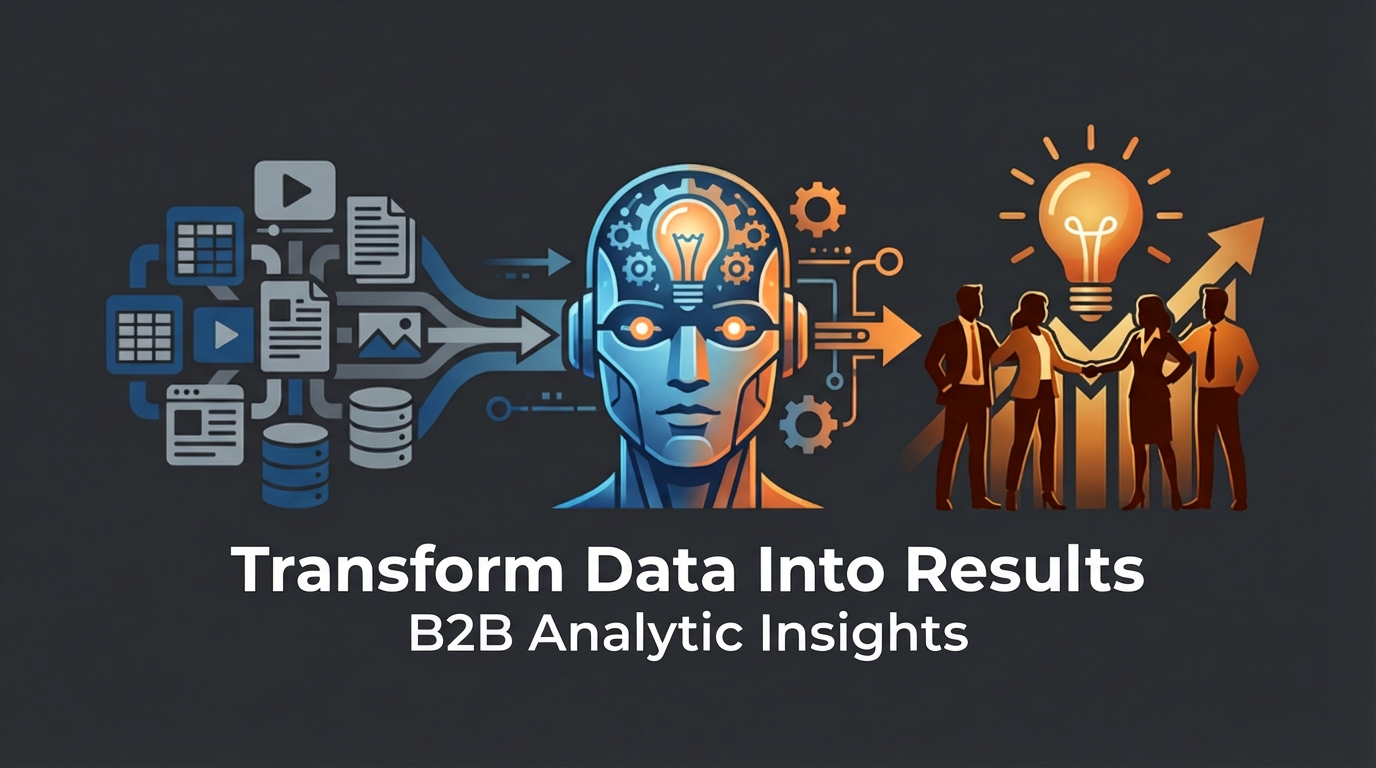

The role of a Chief Financial Officer (CFO) in a company is crucial, as they are responsible for managing the financial health and stability of the organization. CFOs play a vital role in decision-making processes, as they need to have a deep understanding of the company’s financial data and use it to make informed decisions. This is where data analysis tools come into play.
Data analysis tools can help CFOs make sense of the vast amount of financial data that they have access to. These tools provide valuable insights and help CFOs identify trends, patterns, and anomalies in the data. By using data analysis tools, CFOs can make more accurate forecasts, identify growth opportunities, mitigate risks, and optimize efficiency and profitability.
Key Takeaways
- CFOs need data analysis tools to make informed decisions
- Descriptive analytics helps understand past performance
- Predictive analytics forecasts future trends
- Effective data management ensures organized and stored data
- Accurate and reliable data is crucial for profitable growth
Descriptive Analytics: Understanding Past Performance
Descriptive analytics is the process of analyzing historical data to gain insights into past performance. It involves summarizing and visualizing data to understand what has happened in the past. For CFOs, descriptive analytics can be extremely valuable in understanding the financial performance of the company.
By using descriptive analytics tools, CFOs can analyze financial statements, balance sheets, income statements, and other financial data to gain a comprehensive understanding of the company’s past performance. These tools can help CFOs identify trends, patterns, and anomalies in the data, which can then be used to make informed decisions.
Some examples of descriptive analytics tools that CFOs can use include financial reporting software, dashboards, and data visualization tools. These tools allow CFOs to easily access and analyze financial data, create visualizations and reports, and share insights with other stakeholders in the organization.
Predictive Analytics: Forecasting Future Trends
Predictive analytics is the process of using historical data to make predictions about future trends and events. It involves analyzing patterns and relationships in the data to identify potential outcomes. For CFOs, predictive analytics can be a powerful tool in forecasting future trends and making informed decisions.
By using predictive analytics tools, CFOs can analyze historical financial data and use it to make accurate forecasts about future financial performance. These tools can help CFOs identify potential risks and opportunities, optimize resource allocation, and make strategic decisions.
Some examples of predictive analytics tools that CFOs can use include financial modeling software, forecasting tools, and machine learning algorithms. These tools allow CFOs to analyze historical data, create predictive models, and generate forecasts based on different scenarios.
Data Management: Organizing and Storing Data Effectively
Data management is the process of organizing, storing, and maintaining data in a way that is efficient and accessible. For CFOs, effective data management is crucial, as they need to have access to accurate and up-to-date financial data to make informed decisions.
Organizing and storing data effectively involves creating a structured system for categorizing and labeling data, implementing data governance policies, and using appropriate storage solutions. CFOs should also ensure that data is regularly backed up and secured to prevent loss or unauthorized access.
Using data management tools can greatly simplify the process of organizing and storing data. These tools provide features such as data categorization, metadata management, version control, and data security. By using data management tools, CFOs can ensure that their financial data is organized, easily accessible, and secure.
Data Integrity: Ensuring Accurate and Reliable Data
Data integrity refers to the accuracy, reliability, and consistency of data. For CFOs, ensuring data integrity is crucial, as they rely on accurate and reliable financial data to make informed decisions.
To ensure data integrity, CFOs should implement processes and controls to validate and verify the accuracy of financial data. This includes conducting regular audits, implementing data validation rules, and ensuring that data is entered correctly.
Using data integrity tools can help CFOs ensure the accuracy and reliability of their financial data. These tools provide features such as data validation, data cleansing, and data quality monitoring. By using data integrity tools, CFOs can identify and correct errors in the data, ensuring that they are working with accurate and reliable information.
Profitable Growth: Using Data to Drive Business Success

CFOs can use data to drive profitable growth by identifying growth opportunities and making strategic decisions. By analyzing financial data, CFOs can identify trends and patterns that indicate potential areas of growth.
For example, CFOs can analyze sales data to identify which products or services are performing well and which ones are underperforming. They can then use this information to make decisions about resource allocation, marketing strategies, and product development.
CFOs can also use data to identify new market opportunities. By analyzing market trends and customer behavior, CFOs can identify emerging markets or customer segments that the company can target for growth.
Using data to drive business success also involves making strategic decisions based on data insights. For example, CFOs can use financial data to evaluate investment opportunities, assess the financial viability of new projects, and make decisions about mergers and acquisitions.
Financial Analysis: Analyzing Financial Statements and Ratios
Financial analysis is the process of evaluating the financial health and performance of a company. For CFOs, financial analysis is a critical skill, as it allows them to assess the company’s financial position and make informed decisions.
CFOs can analyze financial statements and ratios to gain insights into the company’s profitability, liquidity, solvency, and efficiency. By analyzing these financial metrics, CFOs can identify areas of improvement, assess the company’s financial risks, and make decisions about resource allocation.
To analyze financial statements effectively, CFOs should have a deep understanding of accounting principles and financial ratios. They should also use financial analysis tools that provide features such as ratio calculation, trend analysis, and benchmarking.
Using financial analysis tools can greatly simplify the process of analyzing financial statements and ratios. These tools provide automated calculations, visualizations, and reports, allowing CFOs to quickly and accurately assess the company’s financial performance.
Risk Management: Identifying and Mitigating Potential Risks
Risk management is the process of identifying, assessing, and mitigating potential risks that could impact the company’s financial health and stability. For CFOs, risk management is a critical responsibility, as they need to ensure that the company is adequately prepared to handle potential risks.
CFOs can use data to identify potential risks by analyzing historical data and identifying patterns or trends that indicate potential risks. For example, CFOs can analyze sales data to identify potential revenue risks or analyze market trends to identify potential market risks.
Once potential risks are identified, CFOs can then assess the impact and likelihood of these risks and develop strategies to mitigate them. This may involve implementing risk management policies and procedures, purchasing insurance, or diversifying investments.
Using risk management tools can greatly simplify the process of identifying and mitigating potential risks. These tools provide features such as risk assessment, risk modeling, and risk monitoring. By using risk management tools, CFOs can effectively manage potential risks and ensure the financial stability of the company.
Cost Analysis: Analyzing Costs to Optimize Efficiency and Profitability
Cost analysis is the process of analyzing costs to identify areas of inefficiency and optimize profitability. For CFOs, cost analysis is crucial, as it allows them to identify cost-saving opportunities and make informed decisions about resource allocation.
CFOs can analyze costs by examining cost structures, cost drivers, and cost behavior. By analyzing these factors, CFOs can identify areas where costs can be reduced or eliminated, optimize pricing strategies, and make decisions about resource allocation.
To analyze costs effectively, CFOs should use cost analysis tools that provide features such as cost allocation, cost variance analysis, and cost benchmarking. These tools can help CFOs identify areas of inefficiency, compare costs to industry benchmarks, and make data-driven decisions.
Using cost analysis tools can greatly simplify the process of analyzing costs. These tools provide automated calculations, visualizations, and reports, allowing CFOs to quickly and accurately assess the company’s cost structure and identify areas of improvement.
Data Visualization: Communicating Data Insights Effectively
Data visualization is the process of presenting data in a visual format, such as charts, graphs, and maps. For CFOs, data visualization is crucial, as it allows them to communicate data insights effectively to other stakeholders in the organization.
CFOs can use data visualization to present financial data in a way that is easy to understand and interpret. By using charts and graphs, CFOs can highlight trends, patterns, and anomalies in the data, making it easier for others to grasp the key insights.
To communicate data insights effectively, CFOs should use data visualization tools that provide features such as interactive dashboards, customizable charts, and real-time updates. These tools can help CFOs create visually appealing and informative visualizations that can be easily shared with others.
Using data visualization tools can greatly enhance the communication of data insights. These tools provide a wide range of visualization options and allow CFOs to create dynamic and interactive visualizations that engage and inform stakeholders.
In conclusion, data analysis tools are essential for CFOs in making informed decisions and driving business success. Descriptive analytics helps CFOs understand past performance by analyzing historical data. Predictive analytics enables CFOs to forecast future trends and make accurate predictions. Effective data management ensures that financial data is organized and easily accessible. Data integrity ensures the accuracy and reliability of financial data. By using these tools, CFOs can drive profitable growth, analyze financial statements and ratios effectively, identify and mitigate potential risks, analyze costs to optimize efficiency and profitability, and communicate data insights effectively. CFOs should invest in data analysis tools to improve decision-making and drive business success.
If you’re interested in learning more about the power of analytics and how it can transform data into meaningful actions, be sure to check out this insightful article from B2B Analytic Insights. In this article, they delve into the importance of leveraging data analysis tools for sustainable business growth, a topic that every CFO should be well-versed in. To gain a deeper understanding of this subject, visit their website at https://b2banalyticinsights.com/the-power-of-analytics-transforming-data-into-meaningful-actions/. While you’re there, don’t forget to explore their blog https://b2banalyticinsights.com/blog/ and learn more about the company https://b2banalyticinsights.com/about/.