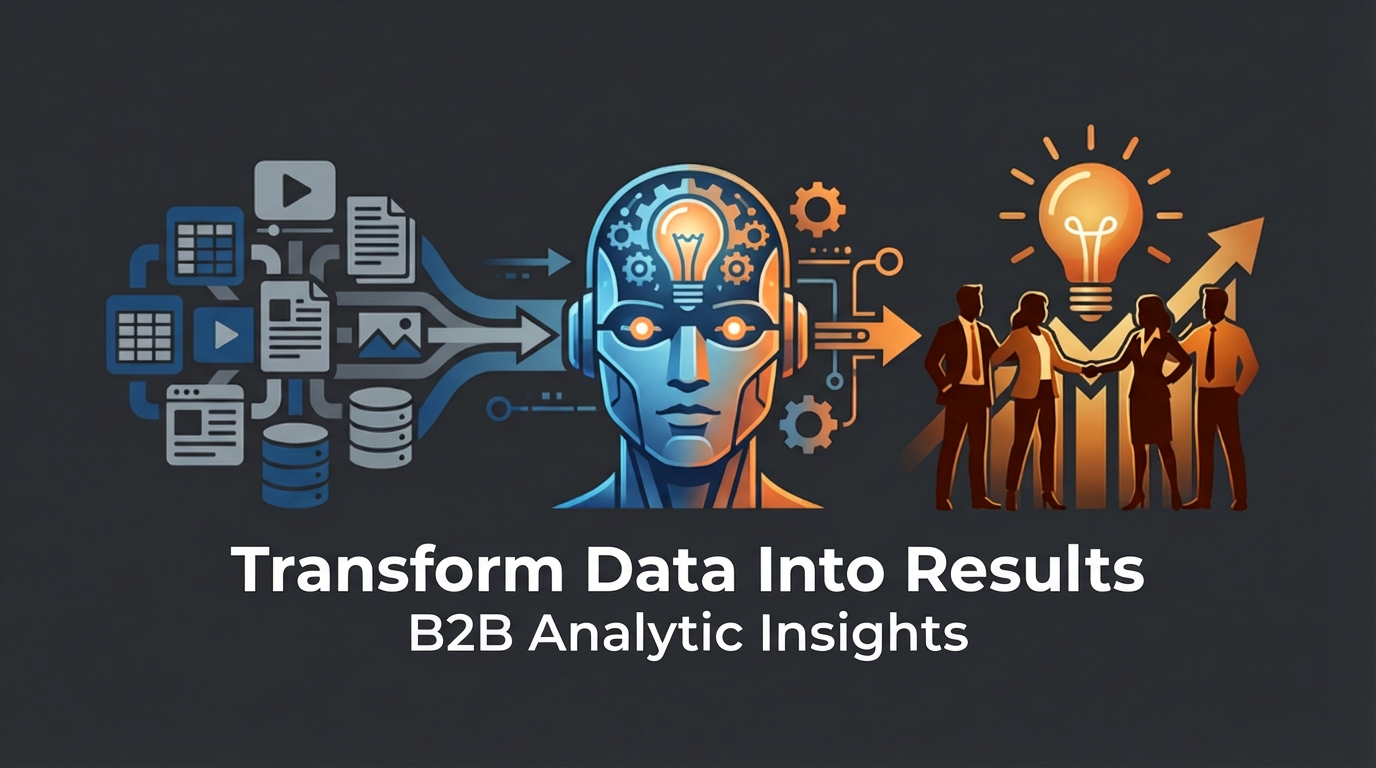

First-party data. It is the lifeblood of insight. It’s what separates speculation from informed action. For too long, we’ve treated this essential asset as a downstream byproduct. We’ve focused on mining it, enriching it, and analyzing it long after its inception. This approach misses a critical, foundational truth: first-party data, the most valuable kind, begins at onboarding.
It’s not just a collection point. It’s the genesis. Every interaction, every data point captured during onboarding, shapes the quality and utility of what follows. This isn’t theoretical. Through decades in this field, observing thousands of commercial entities, we’ve seen the direct correlation. Weak onboarding processes do not just annoy customers. They actively undermine our data systems. They erode trust. They compromise long-term performance.
We talk about moving from descriptive to predictive, then to prescriptive analytics. That journey is impossible without a robust data foundation. That foundation is laid during those initial moments.
The Foundation of Trust and Information Capture
Onboarding is the first handshake, the first real conversation. It sets the tone for the entire relationship. This isn’t just about regulatory compliance or account setup. It is about building a bedrock of reliable, consented information.
Value-Driven Registration Flows
Aggressive data collection alienates. It creates friction. A value-driven approach does the opposite. We ask ourselves: “What value does sharing this data provide to our counterparty?” Progressive profiling is key. We collect essential data upfront. We then introduce additional data points as the relationship matures, as new value is introduced. This isn’t a trick. It’s a mutual exchange.
For example, a supply chain partner might initially share basic legal entity data. As we introduce advanced payment terms or specific risk mitigation services, we might then request detailed operational data, such as inventory turnover or specific logistics providers. The value proposition is clear: better terms, reduced risk exposure, more efficient operations. This strategy transforms a burdensome task into a beneficial transaction.
Preference Centers for Dynamic Consent
Consent is not a one-time event. It is an ongoing dialogue. Preference centers are crucial here. They allow commercial entities to manage their data sharing preferences. This builds trust. It also ensures data remains relevant and compliant. For credit professionals, this is vital. Understanding communication preferences, data sharing boundaries, and even preferred interaction channels optimizes our outreach. It makes our offers more targeted. It makes our requests more effective. It reduces the chance of miscommunication.
Credit Risk Mitigation: Early Warning Signals
The quality of our initial data directly impacts our capacity to assess and manage credit risk. Incomplete, inaccurate, or outdated data from onboarding creates immediate blind spots.
Enhanced Due Diligence with Deep First-Party Data
Traditional due diligence relies heavily on third-party data. Public records, credit bureaus. These are essential. But they are historical. First-party data from onboarding offers a real-time snapshot. It complements and validates external sources. We capture granular operational details. We understand business structures. We verify key individuals. This depth of information allows for more precise risk scoring. It identifies potential red flags earlier.
For instance, understanding a commercial entity’s supply chain partners at onboarding. Not just their direct customers or suppliers, but the tiers below them. This allows us to map potential single points of failure. It helps us anticipate disruptions. This insight moves us from descriptive risk assessment to diagnostic understanding.
Proactive Monitoring Triggers
Early first-party data empowers proactive monitoring. We establish baselines during onboarding. Any deviation from these baselines triggers alerts. Changes in organizational structure, changes in banking relationships, changes in reported cash flow. These are not just data points. They are potential indicators of shifting risk profiles.
This allows us to move beyond reactive credit management. We identify emerging risks before they escalate. It’s a fundamental shift. We don’t wait for a default. We identify precursors to default. This informs our credit limit adjustments. It informs our collateral requirements. It shapes our relationship management strategy.
Supply Chain Intelligence: Mapping Connectivity
A robust supply chain is resilient. Resilient because it is understood. Onboarding provides the first opportunity to truly map an entity’s operational ecosystem.
Comprehensive Supplier and Buyer Mapping
During onboarding, we gather detailed information about key suppliers and buyers. This isn’t just names. It’s geographical locations. It’s payment terms. It’s their own credit histories, where available. This builds a network graph. Not just for a single entity, but across our entire portfolio. We see interdependencies. We identify concentrations of risk. A disruption to one supplier impacts multiple customers. Onboarding provides the initial nodes and edges of this critical network.
This informs our predictive analytics. We can model the impact of a natural disaster in a specific region. We can assess the cascading effects of a major supplier’s insolvency. This allows for proactive contingency planning. It strengthens the entire supply chain.
Geopolitical and Environmental Risk Profiling
Location data, captured during onboarding, is not merely an address. It’s a critical input for geopolitical and environmental risk profiling. We overlay this with external risk intelligence. Are their key operational sites in politically unstable regions? Are their critical inputs sourced from areas prone to extreme weather events? This data fusion transforms basic address information into actionable risk intelligence. It shifts us firmly into prescriptive territory. We don’t just know where they are. We know what that means for our exposure.
Decision Intelligence: Powering Automated Workflows
The ultimate goal of data is better decisions. Automated decision-making streamlines operations. It reduces human error. It accelerates processes. Strong onboarding data is the fuel for this engine.
Rules Engines and Automated Approval Workflows
Accurate, structured first-party data from onboarding feeds directly into rules engines. These engines automate credit approval processes. They automate vendor onboarding. They automate risk assessment triggers. This isn’t about replacing human judgment entirely. It’s about automating routine decisions. It frees up our experienced professionals to focus on complex, high-value cases. When the data pipeline starts clean at onboarding, these rules engines perform optimally. Inaccurate data at the source leads to inaccurate output. It leads to rework.
An entity that passes all initial automated checks, due to robust onboarding data, moves through the process faster. This improves our speed to market. It improves customer satisfaction. It translates directly to revenue.
Machine Learning Model Training and Validation
Machine learning models are only as good as the data they consume. Poor quality onboarding data poisons the well. It leads to biased models. It leads to inaccurate predictions. A disciplined approach to data capture at onboarding ensures high-quality training data. This improves the accuracy of our credit scoring models. It refines our fraud detection algorithms. It enhances our predictive capabilities for entity performance.
We regularly validate these models. Strong first-party data from onboarding provides a consistent baseline for this validation. We see what the model predicted based on initial data. We compare it to actual outcomes. This continuous feedback loop refines our decision intelligence.
AI-Driven Analytics: Transforming Data into Action
AI-driven analytics moves us beyond understanding. It moves us to foresight and guided action. This requires data that is not just present, but precise, contextual, and consistent from day one.
Predictive Behavior and Default Analysis
Onboarding data offers key initial features for predictive models. Industry classification, organizational structure, initial financial health. These are critical predictors. When combined with subsequent transactional and behavioral data, these models become incredibly powerful. They predict payment defaults with higher accuracy. They forecast operational disruptions.
For instance, identifying the typical payment behavior of similar entities, segmented by detailed data collected at onboarding, allows us to predict potential late payments. This gives us time to intervene. This allows for proactive collections. This reduces write-offs. This is moving from understanding what happened to understanding what will happen.
Prescriptive Recommendations for Risk and Growth
The pinnacle is prescriptive analytics: telling us what to do. Onboarding data, when clean and comprehensive, anchors these prescriptions. Should we offer dynamic credit terms? Should we suggest specific risk mitigation products? What are the optimal supply chain diversification strategies for a given entity?
Based on the initial profile captured at onboarding, AI can suggest tailored credit offerings. It can recommend specific collateral requirements based on predicted risk. It can even suggest proactive engagement strategies for entities showing early signs of difficulty. These are not guesses. These are data-driven recommendations that transform data into tangible results.
The Long-Term Impact
The effort invested in excellent onboarding data is an investment in our future. It reduces operational costs. It improves risk management. It enhances decision-making across the entire credit and supply chain lifecycle. This isn’t just about collecting data. It’s about laying a robust data foundation that supports decades of informed, strategic action. It’s about building trust. It’s about empowering every decision with insight. It’s not just a starting point. It’s the origin of enduring value.