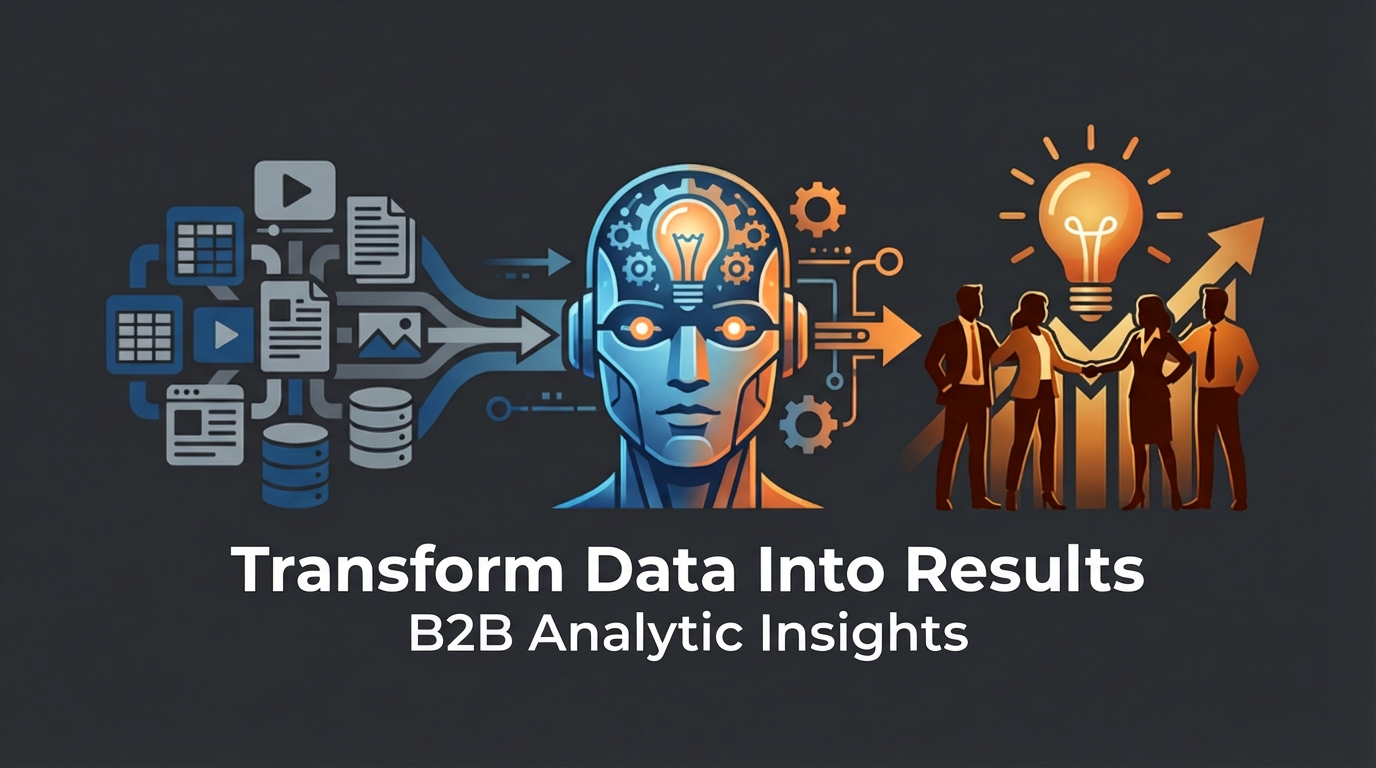

The commercial credit process demands precision. From initial application to final approval, every step counts. Getting it right the first time significantly impacts a firm’s financial health. Mistakes slow progress. They waste resources. Our goal is direct: transform data into results.
Over several decades, working with thousands of commercial entities, we have refined our approach. We’ve seen what works. We’ve identified pitfalls. This isn’t theory. It’s practical application, built on real-world experience.
Foundations for Sound Commercial Credit Decisions
Effective credit adjudication begins with a robust foundation. This means clarity in data collection and rigorous analysis. Think descriptive analytics first: what is the current financial state? This isn’t just about numbers. It’s about context.
Gathering the Right Information
The application form itself is a critical first step. It is a data collection instrument. But its value extends beyond checkboxes. It’s the initial connection. We need accuracy directly from the source. This demands clear forms. It requires transparent requests for documentation.
For instance, the SBA loan process emphasizes specific forms like SBA Forms 1919 and 912. These are not merely administrative hurdles. They structure the information gathering. They ensure consistency. Organized, current financial statements are essential. Crestmont Capital rightly observes their role in accelerating approvals and securing better terms. Complete information minimizes questions later. It reduces delays.
Establishing a Comprehensive Understanding
Beyond the application, we look at the complete picture. This involves internal data. It involves external insights. What is the applicant’s track record with us? What public information is available? This foundational data creates our initial descriptive view. It forms the basis for all subsequent analysis.
Navigating the Review Process with Intelligence
Once compiled, data becomes information. Information fuels intelligence. This intelligence guides the review process. It helps us diagnose past performance and predict future viability.
Identifying Red Flags Early
Experienced credit professionals learn to spot inconsistencies. They recognize patterns that warrant deeper investigation. Dionne Bass’s “Master the Loan File” boot camp, for example, focuses on advanced techniques for identifying red flags and navigating automated underwriting systems (AUS). This skill is foundational. It prevents bad decisions. It protects portfolio quality.
What does a red flag look like? It could be a sudden shift in reported revenue without a clear explanation. It could be incomplete documentation. It could be payment history anomalies. These signals require diagnostic analytics. We ask: why is this happening? What is the root cause?
The Role of Automated Systems in Verification
Technology plays a crucial role here. Heron Data highlights AI-driven tools. These tools automate digital submission and data verification. They speed up the initial assessment phase. Automation isn’t a replacement for judgment. It’s an enhancement. It frees up our time for complex analysis. It ensures consistency in routine checks. This improves efficiency without sacrificing diligence.
Credit Enhancement Strategies
Sometimes, an application isn’t perfect. But it has potential. We need a clear framework for credit enhancement. This could involve collateral. It could involve guarantees. For SBA loans, lenders often use delegated authority. This speeds up approvals. It enables them to make decisions within defined parameters. This reflects trust in their own processes. It reflects trust in the underlying quality of the application.
Predicting Outcomes: Proactive Risk Assessment
Good credit decisions anticipate the future. This moves us into predictive analytics. We want to understand future performance. We want to forecast potential issues.
Understanding Supply Chain Dynamics
A business’s creditworthiness is interwoven with its supply chain. Vulnerabilities in a supply chain can erode profitability. They can impact cash flow. This directly affects repayment ability. Our analysis considers these external factors. Is the supply chain stable? Are there geopolitical risks? Are there single points of failure?
Supply chain intelligence gives us a broader context. It moves beyond financial statements. It provides an operational risk lens. This is particularly relevant for manufacturing or retail entities. A disruption far upstream can cascade. It impacts the borrower. We don’t just look at what a company sells. We look at how it gets what it sells.
Leveraging Behavioral Insights
Beyond traditional financial ratios, behavioral economics offers insights. How does a business manage its accounts? Are there frequent overdrafts? How quickly do they respond to requests for information? These are subtle signals. When aggregated, they contribute to a predictive model. They paint a picture of operational discipline. This forms another layer of our predictive modeling efforts.
Prescriptive Actions: Shaping the Future
Predictive analysis tells us what might happen. Prescriptive analysis tells us what we should do. This is where active decision intelligence comes in. This is where insight transforms into action.
Tailoring Financing Solutions
One size does not fit all. Different businesses have different needs. A manufacturing firm needs different terms than a service provider. Our experience across thousands of commercial entities informs this. We understand the nuances. We recommend terms and conditions that fit the specific risk profile. We match the solution to the need.
Consider furniture retail financing. Real-time matching through lender orchestration technology is key. This maximizes approval rates. It offers B2B BNPL options. This is a prescriptive approach. It adapts to the market. It provides solutions that work for the business, not just for the lender.
Optimizing Approval Workflows
The goal is to get it right the first time. This means optimizing our internal workflows. It means continuous improvement. Commercial bridging loans, for example, prioritize speed. Approvals in 3-4 weeks. This demands streamlined processes. It demands clear documentation requirements: ID, bank statements. Focus shifts to property value and exit strategy over credit history. This reflects a prescriptive choice: adjust criteria for specific product needs.
We constantly ask: how can we accelerate good approvals? How can we reduce friction for sound applications? Automated systems, as discussed by Heron Data, address these questions. They automate data verification. They standardize risk assessment. This reduces manual intervention on routine tasks. It allows our expert credit staff to focus on complex cases, where their judgment adds maximum value.
Continuous Improvement: An Evolving Landscape
The commercial credit landscape is dynamic. We must evolve with it. Our processes cannot be static. They must adapt. This requires constant review. It requires learning from every decision.
Post-Approval Monitoring
Approval isn’t the end. It’s the beginning of a relationship. Ongoing monitoring is crucial. This involves tracking key performance indicators. It involves early warning systems. This loop feeds back into our predictive models. Did our predictions hold true? What lessons can we draw for the next application? This cycle transforms data into continuous improvement.
Adapting to Market Shifts
External forces constantly shift the risk profile of businesses. Economic downturns. Regulatory changes. Technological advancements. We must account for these. Our models incorporate these external factors. Our decision frameworks are flexible. They integrate new information. This ensures our intelligence stays sharp. It keeps our decisions grounded.
The journey from application to approval is complex. It demands rigor. It demands intelligence. By focusing on accurate data, intelligent analysis, and prescriptive actions, we aim for one outcome: getting commercial credit right the first time. This benefits the firm. It benefits the client. It builds stronger relationships.