
The treasury function has historically operated with focused attention on what happened. We meticulously reviewed past transactions. We reconciled accounts. We built forecasts based on historical patterns. This was effective for a period. Many of us built careers on mastering this meticulous approach. We understood the ebb and flow of cash, but it was always with a backward glance. This lag meant we reacted. We responded to events. We managed the consequences. The spreadsheets were our maps. The balance sheets were our historical records. The end of the month statement was our primary scoreboard. We aimed for accuracy in reporting what had already occurred. This was a respectable and necessary goal. It ensured financial discipline. It provided a foundation for planning.
But the ground has shifted. The world no longer rewards mere accuracy of the past. It demands prescience. It insists on agility. The pace of business has accelerated. Supply chains are more complex and vulnerable. Market volatility is not an anomaly; it is the new normal. In this environment, simply understanding yesterday’s cash position is insufficient. It is like trying to navigate a storm with a rearview mirror. The risks are immediate. The opportunities are fleeting. This is why the treasury cash management shift is underway. We are moving from a lagging indicator function to a leading one. This is not a minor adjustment. It is a fundamental reorientation of how we approach liquidity.
For decades, treasury operations relied on batch processing. We would close out the day. We would generate reports. Then, we would analyze them. This provided a snapshot, but it was a static one. It was often hours, sometimes days, old. Imagine trying to manage an inventory with data that is over a week old. You would miss critical stockouts. You would overcommit resources. You would make suboptimal purchasing decisions. The same holds true for cash.
The Limitations of Periodic Data
The old model of periodic cash checks brought inherent limitations. We could not see intraday movements. We could not react to unexpected inflows or outflows in real-time. This meant we often carried excess liquidity to buffer against the unknown. Or, we faced the risk of insufficient funds. This translated directly into increased borrowing costs. It meant missed investment opportunities. It made us vulnerable to supply chain disruptions or sudden customer payment delays. We were always a step behind.
API’s Role in Continuous Data Streams
The advent of Application Programming Interfaces, or APIs, changed this fundamentally. APIs allow for seamless data exchange between systems. They enable a continuous flow of information. This means treasury departments can now access real-time data. They see cash positions as they happen. They monitor account balances moment by moment. This is not merely a reporting enhancement. It is a strategic capability. This real-time visibility transforms how we manage working capital. It allows for immediate optimization of funds. It reduces the need for unnecessary borrowing. It empowers us to react instantly to any event.
Automation: From Efficiency to Intelligence
The evolution of treasury automation is profound. Initially, the focus was on automating manual tasks. We wanted to reduce the burden of repetitive work. Data entry, reconciliation, report generation – these were the targets. And we achieved significant efficiencies. Systems took over tasks that once consumed countless hours. This freed up valuable human capital. People could then focus on more strategic activities. But this was just the first step.
The Shift Towards Intelligent Execution
The next wave of automation is different. It is not just about doing tasks faster. It is about doing tasks smarter. Artificial Intelligence and sophisticated algorithms are now at the forefront. These technologies move beyond simple process automation. They enable predictive forecasting. They drive intelligent cash pooling. They can even initiate automated payments based on predefined rules and real-time conditions. This represents a shift from mere efficiency to profound intelligence. It is about equipping treasury with the capacity for autonomous decision-making in many areas.
AI-Powered Forecasting and Liquidity Engines
AI’s ability to analyze vast datasets and identify complex patterns is a revelation for treasury. Traditional forecasting relied heavily on historical averages and linear trends. AI can incorporate a multitude of variables. It can account for seasonality, market sentiment, economic indicators, and even supply chain velocity. This leads to far more accurate and dynamic cash flow projections. Furthermore, liquidity engines are becoming increasingly sophisticated. They can instantaneously assess liquidity needs across multiple entities and currencies. They can then recommend or execute optimal cash movements to meet those needs. This is proactive liquidity management on an unprecedented scale.
Supply Chain Intelligence in Treasury Decisions

For too long, treasury viewed cash in isolation. We focused on bank balances and financial instruments. The operational realities of the supply chain were often siloed with procurement or logistics departments. This separation created blind spots. A disruption in a key supplier’s ability to deliver could have immediate cash flow implications that treasury was slow to understand.
Connecting Operational Risk to Financial Risk
The modern treasury must integrate supply chain intelligence directly into its purview. Understanding the health and stability of our trading partners is no longer an operational concern alone. It is a critical credit risk and cash flow risk. We need to know if a major supplier is experiencing financial distress. We need to understand if a critical raw material source is at risk of interruption. This information directly impacts our expected inflows and outflows. It influences our need for liquidity and our exposure to counterparty risk.
Diagnostic and Predictive Analytics for Supply Chain Resilience
We can now apply diagnostic analytics to understand historical supply chain vulnerabilities. Which suppliers have previously caused delays or payment issues? Which routes are most prone to disruption? But the real power lies in predictive analytics. By integrating data from multiple sources – financial health reports, news feeds, shipping data, even social media sentiment – we can predict potential disruptions. This allows treasury to proactively adjust terms, secure alternative suppliers, or build up strategic inventory. This foresight protects our cash flow and ensures operational continuity.
The Evolution of Credit Risk Management

Credit risk has always been a core treasury responsibility. We assess the creditworthiness of our customers and counterparties. We set credit limits. We monitor exposures. This has been a critical function for decades, protecting the organization from bad debt and financial contagion. But the tools and the approach are undergoing a radical transformation.
Traditional Credit Analysis: Strengths and Weaknesses
For years, our credit analysis relied on financial statements, credit ratings, and credit bureau data. These were and remain valuable inputs. They provide a foundational understanding of a company’s financial health. However, this data is often backward-looking. It can be slow to update. It might not capture emerging risks within a specific industry or a developing company. In a fast-moving market, a company’s financial standing can deteriorate rapidly between reporting cycles.
Decision Intelligence: Augmenting Human Expertise
This is where decision intelligence comes into play. It’s not about replacing human expertise. It’s about augmenting it. We are building models that combine traditional financial data with a much broader set of real-time and alternative data. This includes payment behavior, news sentiment, and supply chain interconnectedness. These models can identify subtle warning signs that might escape human observation. They can flag companies exhibiting deteriorating credit characteristics even if their latest financial statements look acceptable. This moves us from descriptive analysis to a more predictive and prescriptive stance on credit risk.
AI-Driven Analytics for Proactive Risk Mitigation
AI-driven analytics allow us to move beyond simply reacting to defaults. We can identify at-risk customers much earlier. This allows us to take proactive steps. We might adjust credit terms. We could request collateral. We might even diversify our customer base to reduce concentration risk. This proactive approach minimizes potential losses. It preserves cash flow. It ensures the stability of our accounts receivable. It strengthens the overall financial health of the enterprise.
The Future State: Autonomous and Prescriptive Treasury
| Metrics | Q1 2020 | Q2 2020 | Q3 2020 |
|---|---|---|---|
| Operating Cash Balance | 400 million | 600 million | 800 million |
| Investment in Short-term Securities | 200 million | 150 million | 100 million |
| Interest Income | 5 million | 4 million | 3 million |
The trajectory is clear. Treasury is moving towards greater autonomy and more prescriptive capabilities. This is fueled by advancements in AI, the availability of real-time data, and the imperative to operate with agility. The dream of a truly autonomous treasury is no longer science fiction. It is an achievable and increasingly necessary goal.
The Role of Real-Time Payments
The proliferation of real-time payment rails is a significant catalyst for this shift. Instant payment systems are fundamentally altering how liquidity is managed. The need for extensive pre-funding is diminishing. Intraday liquidity management is becoming more dynamic. Treasurers can react to payment settlements in close to real-time. This reduces idle cash. It optimizes working capital. It allows for more efficient use of funding. The speed of payments directly impacts the speed at which treasury can operate and make informed decisions.
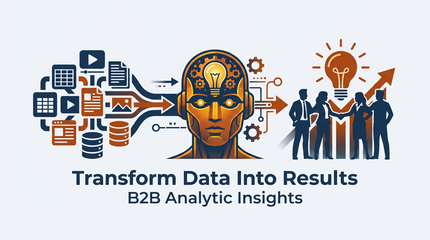
Transforming Data into Actionable Insights
Our role as finance and credit professionals has always been about transforming data into actionable insights. For decades, this involved painstaking manual analysis. Now, the tools are evolving. We can process thousands of commercial entities’ data points instantly. We can simulate scenarios with unprecedented speed. The focus shifts from data gathering and basic reporting to interpretation and strategic action. Descriptive analytics tell us what happened. Diagnostic analytics help us understand why. Predictive analytics forecast what might happen. Prescriptive analytics guide us on what we should do. This is the ultimate goal: to move from managing the past to shaping the future. We are no longer just keepers of the ledger; we are architects of financial resilience and growth. This transformation requires ongoing learning, a willingness to embrace new technologies, and a commitment to leading with foresight. It is a challenge, but it is also an incredible opportunity to elevate the treasury function to a truly strategic pillar of the organization.