

Scenario planning is a strategic management tool used by businesses to anticipate and prepare for potential future events and their impacts on the organization. This process involves creating and analyzing various hypothetical future scenarios, enabling companies to develop strategies to address different possibilities. By adopting this proactive approach, businesses can better prepare for uncertainties and changes in the market, economy, or industry, allowing them to make informed decisions that mitigate risks and capitalize on opportunities.
The importance of scenario planning for businesses lies in its ability to enhance resilience and adaptability in the face of uncertainty. By considering a range of possible future scenarios, organizations can identify potential risks and opportunities, developing strategies to navigate through them effectively. This preparation enables businesses to better handle unexpected events, such as economic downturns, shifts in consumer behavior, or supply chain disruptions.
Moreover, scenario planning promotes proactive decision-making, which can provide a competitive advantage in the market. Additionally, scenario planning contributes to improved strategic thinking and decision-making processes within organizations. By examining different scenarios and their potential impacts, businesses gain a deeper understanding of the complex and interconnected factors influencing their operations.
This comprehensive approach leads to more informed and effective decision-making, as well as an enhanced ability to anticipate and respond to changes in the business environment. Ultimately, scenario planning serves as an essential tool for businesses to build resilience, adaptability, and strategic foresight in an increasingly uncertain and dynamic world.
Key Takeaways
- Scenario planning is important for businesses to anticipate and prepare for potential risks and opportunities in the future.
- Commercial credit data can be leveraged to inform scenario planning and make more informed decisions.
- Identifying potential risks and opportunities is crucial for developing effective strategies for adapting to changing business environments.
- Implementing scenario planning in business operations can help businesses proactively respond to changes and uncertainties.
- Monitoring and evaluating the effectiveness of scenario planning is essential for continuous improvement and future-proofing businesses with commercial credit data.
Leveraging Commercial Credit Data for Scenario Planning
Assessing Financial Stability
By analyzing commercial credit data, businesses can gain a better understanding of the financial stability of their partners, suppliers, and customers, and identify potential vulnerabilities in their supply chain or customer base.
Market and Industry Insights
Moreover, commercial credit data can also help businesses to assess the overall health of the market and industry in which they operate. By analyzing trends in commercial credit data, businesses can identify potential shifts in the market, such as changes in payment behavior, credit utilization, or default rates. This information can be used to anticipate potential risks or opportunities in different scenarios, and develop strategies to address them.
Improving Risk Management and Decision-Making
In addition, leveraging commercial credit data for scenario planning can also help businesses to improve their risk management and decision-making processes. By incorporating commercial credit data into their scenario planning efforts, businesses can make more informed decisions about their partnerships, investments, and business operations. This can help them to mitigate potential risks and capitalize on opportunities, ultimately improving their overall financial performance and resilience.
Overall, commercial credit data is a valuable tool for businesses to enhance their scenario planning efforts. By leveraging commercial credit data, businesses can gain valuable insights into the financial health of their partners, suppliers, and customers, as well as the overall market and industry trends. This information can be used to anticipate potential risks and opportunities in different scenarios, and develop strategies to navigate through them effectively.
Identifying Potential Risks and Opportunities
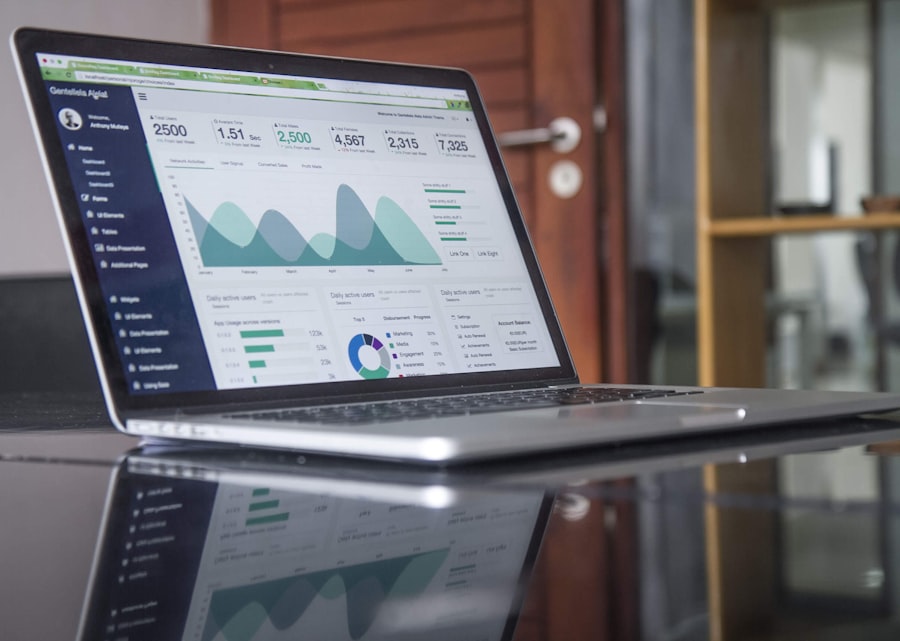
Scenario planning allows businesses to identify potential risks and opportunities that may arise in different future situations. By considering a range of possible scenarios, businesses can anticipate changes in the market, economy, or industry, and assess their potential impact on the organization. This proactive approach enables businesses to identify potential risks that may threaten their operations, such as economic downturns, changes in consumer behavior, or disruptions in the supply chain.
It also allows them to identify opportunities that may arise from future events, such as new market trends, emerging technologies, or changes in consumer preferences. Furthermore, scenario planning enables businesses to gain a deeper understanding of the interconnected factors that influence their operations. By analyzing different scenarios and their potential impact on the business, organizations can identify the underlying drivers of change in their industry and market.
This can help them to anticipate potential risks and opportunities more effectively, and develop strategies to address them. In addition, scenario planning also allows businesses to consider the implications of different decisions and actions on their future outcomes. By analyzing different scenarios, businesses can assess the potential consequences of their strategic choices and operational decisions.
This can help them to make more informed decisions that are aligned with their long-term goals and objectives. Overall, identifying potential risks and opportunities is a critical aspect of scenario planning for businesses. By considering a range of possible future situations, organizations can anticipate changes in the market and industry, gain a deeper understanding of the factors that influence their operations, and make more informed decisions that are aligned with their long-term goals.
Developing Strategies for Adapting to Changing Business Environments
Scenario planning enables businesses to develop strategies for adapting to changing business environments by anticipating potential risks and opportunities. By considering a range of possible future scenarios, organizations can identify potential challenges that may arise from changes in the market, economy, or industry. This proactive approach allows businesses to develop strategies to mitigate potential risks and build resilience in the face of uncertainty.
Moreover, scenario planning also enables businesses to identify opportunities that may arise from future events. By analyzing different scenarios, organizations can anticipate changes in consumer behavior, emerging market trends, or technological advancements that may create new opportunities for growth and innovation. This allows businesses to develop strategies to capitalize on these opportunities and gain a competitive advantage in the market.
In addition, scenario planning helps businesses to develop adaptive strategies that are flexible and responsive to changes in the business environment. By considering a range of possible future situations, organizations can develop contingency plans and alternative courses of action that can be implemented in response to unexpected events. This enables businesses to be more agile and adaptable in their decision-making processes, which is essential for navigating through uncertain and dynamic business environments.
Overall, developing strategies for adapting to changing business environments is a key outcome of scenario planning for businesses. By considering a range of possible future scenarios, organizations can identify potential risks and opportunities, develop adaptive strategies that are flexible and responsive to changes in the business environment, and make more informed decisions that are aligned with their long-term goals.
Implementing Scenario Planning in Business Operations
Implementing scenario planning in business operations involves integrating it into the strategic planning process and decision-making framework of the organization. This requires a systematic approach that involves identifying key stakeholders, gathering relevant data and information, analyzing different scenarios, developing strategies, and monitoring outcomes. Firstly, it is important for businesses to involve key stakeholders from across the organization in the scenario planning process.
This may include representatives from different departments such as finance, operations, marketing, and sales. By involving key stakeholders in the process, businesses can gain diverse perspectives and insights that can enrich the scenario planning efforts. Secondly, gathering relevant data and information is essential for implementing scenario planning effectively.
This may involve collecting internal data such as financial reports, sales figures, and operational metrics, as well as external data such as market trends, industry reports, and commercial credit data. By gathering relevant data and information, businesses can ensure that their scenario planning efforts are based on accurate and reliable information. Thirdly, analyzing different scenarios is a critical step in implementing scenario planning in business operations.
This involves considering a range of possible future situations and assessing their potential impact on the organization. By analyzing different scenarios, businesses can identify potential risks and opportunities, as well as develop strategies to address them effectively. Moreover, developing strategies based on the analysis of different scenarios is essential for implementing scenario planning in business operations.
This involves identifying key actions that need to be taken in response to potential risks or opportunities identified in different scenarios. By developing strategies based on scenario analysis, businesses can ensure that they are better prepared for uncertainties and changes in the business environment. Finally, monitoring outcomes is an important aspect of implementing scenario planning in business operations.
This involves tracking the effectiveness of strategies developed based on scenario analysis and making adjustments as needed. By monitoring outcomes, businesses can ensure that their scenario planning efforts are yielding positive results and making a meaningful impact on their operations. Overall, implementing scenario planning in business operations requires a systematic approach that involves involving key stakeholders, gathering relevant data and information, analyzing different scenarios, developing strategies based on scenario analysis, and monitoring outcomes.
Monitoring and Evaluating the Effectiveness of Scenario Planning

Tracking Key Performance Indicators (KPIs)
Monitoring KPIs is a vital aspect of evaluating the effectiveness of scenario planning. This includes tracking financial metrics such as revenue growth, profitability, cash flow, as well as operational metrics like customer satisfaction, employee productivity, and supply chain performance. By monitoring KPIs, businesses can assess the impact of scenario planning on their overall performance.
Assessing Outcomes of Strategies
Assessing the outcomes of strategies developed based on scenario analysis is essential for evaluating the effectiveness of scenario planning. This involves comparing actual outcomes with expected outcomes based on different scenarios considered during the planning process. By assessing outcomes, businesses can determine whether their strategies were effective in addressing potential risks or opportunities identified in different scenarios.
Making Adjustments and Continuous Improvement
Making adjustments as needed and continuously improving the scenario planning process are critical for ensuring its long-term effectiveness. This may involve revisiting assumptions made during the planning process, updating strategies based on new information or changing circumstances, refining the scenario planning process based on lessons learned from previous experiences, incorporating feedback from key stakeholders, updating data sources, refining analytical tools, or enhancing decision-making frameworks.
Future-Proofing Businesses with Commercial Credit Data
Future-proofing businesses with commercial credit data involves leveraging it as a strategic tool for anticipating potential risks and opportunities in changing business environments. Commercial credit data provides valuable insights into the financial health of other businesses within an organization’s ecosystem including partners suppliers customers competitors which can be used to assess potential vulnerabilities or strengths within its network. By incorporating commercial credit data into its scenario planning efforts an organization can gain a deeper understanding of its overall risk exposure within its ecosystem including supply chain disruptions customer defaults or partner insolvencies which could impact its operations negatively.
Moreover commercial credit data can also help an organization identify potential opportunities within its ecosystem such as new partnerships investment opportunities or emerging markets which could drive growth innovation or competitive advantage. Furthermore leveraging commercial credit data for future-proofing enables an organization to make more informed decisions about its partnerships investments or business operations by assessing its ecosystem’s financial stability creditworthiness or payment behavior this allows it to mitigate potential risks capitalize on opportunities ultimately improving its overall financial performance resilience. In conclusion future-proofing businesses with commercial credit data is essential for organizations looking to build resilience adaptability strategic foresight within an increasingly uncertain dynamic world by leveraging commercial credit data an organization can gain valuable insights into its ecosystem’s financial health risk exposure potential opportunities this information can be used to anticipate potential risks capitalize on opportunities develop adaptive strategies ultimately improving its overall financial performance resilience