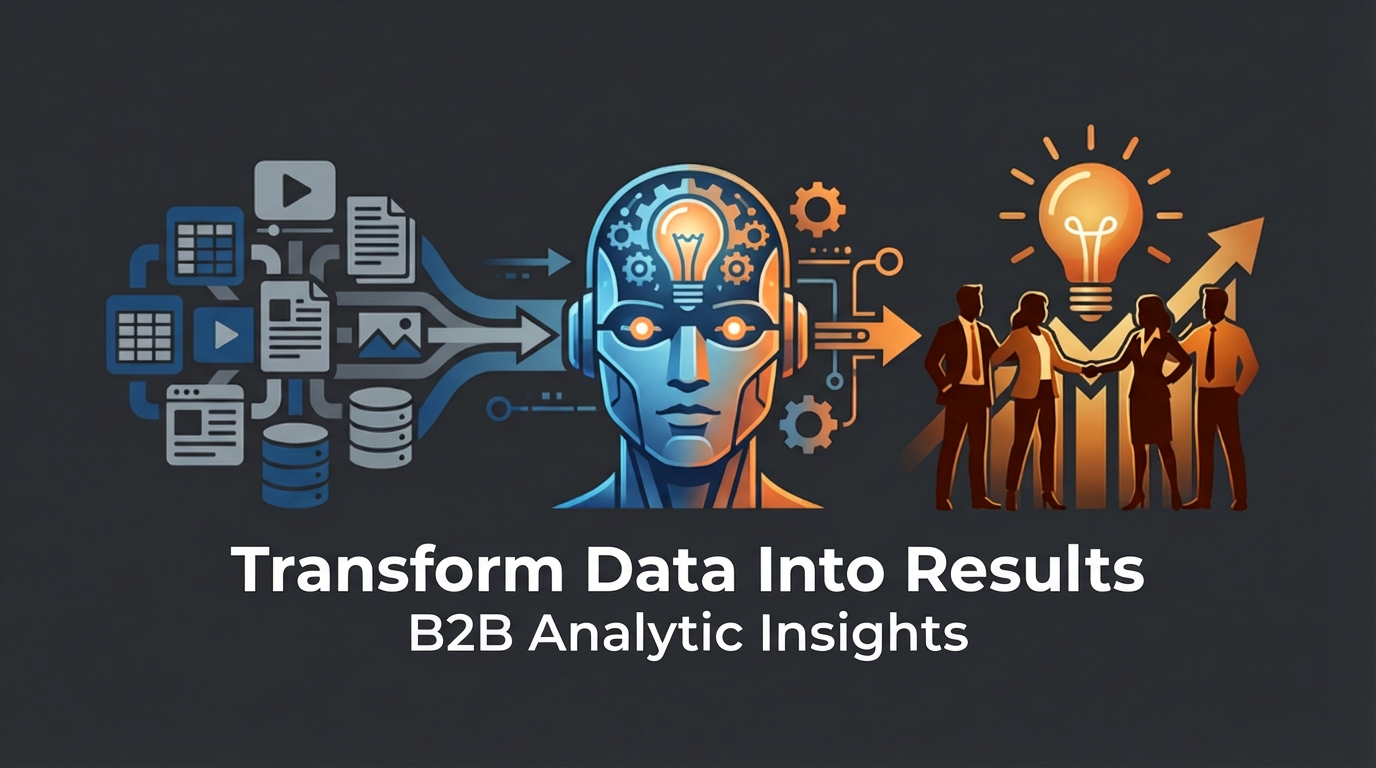
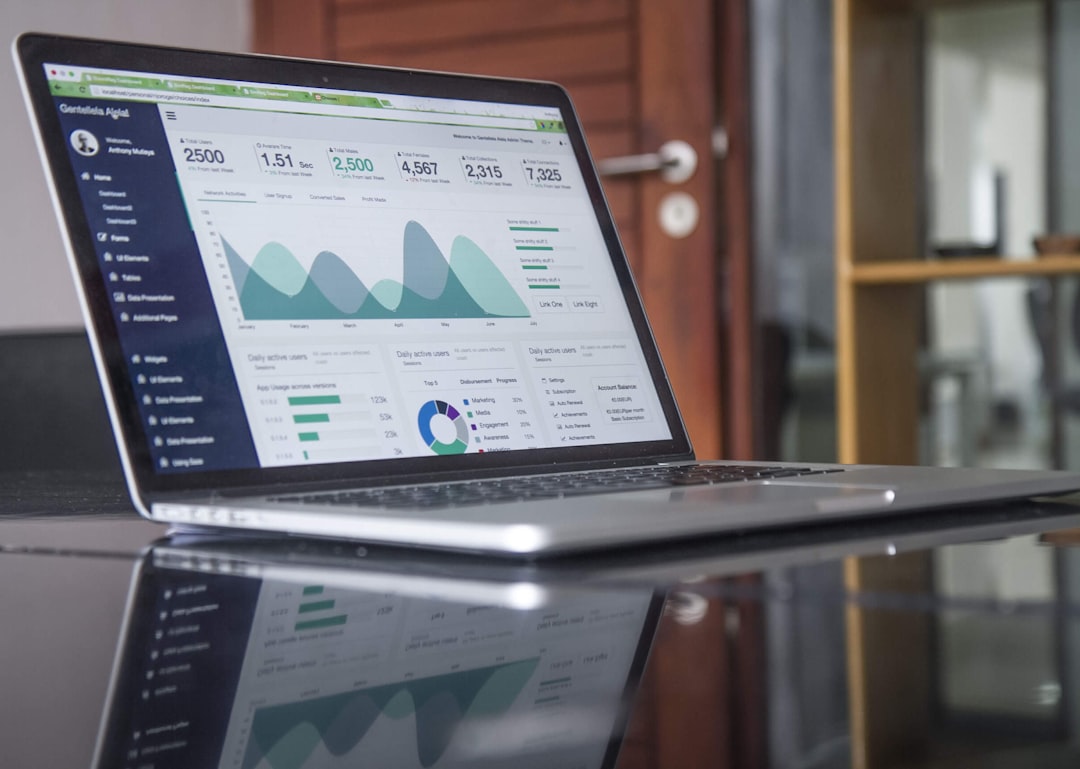
In today’s rapidly evolving business landscape, data-driven decision making has become a critical component of success for CFOs. Gone are the days when financial decisions were made solely based on gut instincts and experience. With the abundance of data available, CFOs now have the opportunity to leverage this information to make more informed and strategic decisions.
Data-driven decision making involves using data and analytics to gain insights into past performance, forecast future trends, identify opportunities for growth, mitigate risks, optimize costs, and manage talent effectively. By harnessing the power of data, CFOs can make more accurate predictions, minimize uncertainties, and drive long-term business sustainability.
Key Takeaways
- Data-driven decision making is crucial for long-term business sustainability.
- Descriptive analytics helps CFOs understand past performance to inform future decisions.
- Predictive analytics allows CFOs to forecast for long-term sustainability.
- Data management and integrity are essential for accurate and reliable decision making.
- Leveraging data can help CFOs identify opportunities for profitable growth and mitigate risks.
Descriptive Analytics: Understanding the Past to Inform the Future
Descriptive analytics is the first step in data-driven decision making. It involves analyzing historical data to gain insights into past performance and understand trends and patterns. By examining financial statements, sales reports, customer data, and other relevant information, CFOs can identify what has happened in the past and use this knowledge to inform future strategies.
For example, a CFO can use descriptive analytics to analyze sales data from the past year to identify which products or services are performing well and which ones are underperforming. This information can then be used to make informed decisions about product development, marketing strategies, and resource allocation.
Descriptive analytics also allows CFOs to track key performance indicators (KPIs) and measure the success of various initiatives. By monitoring KPIs such as revenue growth, profit margins, and return on investment (ROI), CFOs can assess the effectiveness of their strategies and make adjustments as needed.
Predictive Analytics: Forecasting for Long-Term Sustainability
While descriptive analytics focuses on understanding the past, predictive analytics looks to the future. It involves using historical data and statistical models to forecast future trends and outcomes. By analyzing patterns and relationships in the data, CFOs can make predictions about future performance and use this information to inform long-term business strategies.
For example, a CFO can use predictive analytics to forecast future sales based on historical sales data, market trends, and other relevant factors. This information can then be used to set sales targets, allocate resources, and make strategic decisions about pricing and promotions.
Predictive analytics can also be used to identify potential risks and opportunities. By analyzing data on customer behavior, market trends, and economic indicators, CFOs can anticipate changes in the business environment and take proactive measures to mitigate risks or capitalize on opportunities.
Data Management: Collecting, Storing, and Analyzing Business Data
Effective data management is crucial for CFOs to make informed decisions. It involves collecting, storing, and analyzing business data in a structured and organized manner. Without proper data management processes in place, CFOs may struggle to access the information they need or make accurate and timely decisions.
The first step in data management is collecting relevant data from various sources such as financial systems, customer databases, and market research reports. This data should be collected in a consistent and standardized format to ensure accuracy and comparability.
Once the data is collected, it needs to be stored in a secure and accessible manner. This may involve using cloud-based storage solutions or implementing data management systems that allow for easy retrieval and analysis.
Finally, CFOs need to analyze the data to gain insights and make informed decisions. This may involve using data visualization tools, statistical models, or predictive analytics software to analyze the data and generate meaningful insights.
Data Integrity: Ensuring Accurate and Reliable Data for Decision Making
Data integrity is essential for CFOs to make accurate and reliable decisions. It refers to the accuracy, completeness, consistency, and reliability of the data used for decision making. Without proper data integrity measures in place, CFOs may make decisions based on flawed or incomplete information, leading to costly mistakes.
To ensure data integrity, CFOs need to establish data governance processes and controls. This involves setting standards for data quality, implementing data validation and verification procedures, and regularly monitoring and auditing the data.
CFOs should also invest in data cleansing and data validation tools to identify and correct any errors or inconsistencies in the data. This may involve removing duplicate records, correcting inaccuracies, and ensuring that the data is up to date.
By ensuring data integrity, CFOs can have confidence in the accuracy and reliability of the information they use for decision making, leading to more informed and effective strategies.
Profitable Growth: Using Data to Identify Opportunities for Expansion

Data-driven decision making can help CFOs identify opportunities for profitable growth. By analyzing customer data, market trends, and competitive intelligence, CFOs can gain insights into customer preferences, market demand, and potential areas for expansion.
For example, a CFO can use customer segmentation analysis to identify high-value customer segments and develop targeted marketing strategies to attract and retain these customers. By understanding the needs and preferences of different customer segments, CFOs can tailor their products or services to meet their specific needs and increase customer satisfaction.
Data can also be used to identify new market opportunities. By analyzing market trends, competitor performance, and consumer behavior, CFOs can identify gaps in the market or emerging trends that present opportunities for growth. This information can then be used to develop new products or services or enter new markets.
Risk Management: Mitigating Risks Through Data Analysis and Insights
Data-driven decision making can help CFOs mitigate risks by providing insights into potential risks and enabling proactive risk management strategies. By analyzing historical data, market trends, and other relevant information, CFOs can identify potential risks and take proactive measures to mitigate them.
For example, a CFO can use predictive analytics to forecast potential cash flow shortages based on historical cash flow patterns, market trends, and other relevant factors. This information can then be used to develop contingency plans, secure additional financing, or negotiate favorable payment terms with suppliers.
Data can also be used to identify and manage operational risks. By analyzing data on production processes, supply chain performance, and quality control measures, CFOs can identify potential bottlenecks or vulnerabilities and take proactive measures to address them.
Cost Optimization: Reducing Expenses and Maximizing Profits with Data
Data-driven decision making can help CFOs optimize costs and maximize profits by identifying cost-saving opportunities and improving operational efficiency. By analyzing financial data, operational metrics, and other relevant information, CFOs can identify areas where costs can be reduced without compromising quality or performance.
For example, a CFO can use cost analysis to identify areas of inefficiency in the organization’s operations. By analyzing data on production costs, overhead expenses, and resource utilization, CFOs can identify areas where costs can be reduced or eliminated.
Data can also be used to optimize pricing strategies. By analyzing customer data, market trends, and competitor pricing, CFOs can identify opportunities to increase prices or adjust pricing strategies to maximize profitability.
Talent Management: Leveraging Data to Attract, Retain, and Develop Top Talent
Data-driven decision making can also be applied to talent management strategies. By analyzing employee data, performance metrics, and other relevant information, CFOs can make more informed decisions about attracting, retaining, and developing top talent.
For example, a CFO can use data analytics to identify the key drivers of employee engagement and satisfaction. By analyzing employee survey data, turnover rates, and performance metrics, CFOs can identify factors that contribute to employee satisfaction and take proactive measures to improve retention rates.
Data can also be used to identify skill gaps and develop targeted training and development programs. By analyzing employee performance data and identifying areas where additional training or development is needed, CFOs can ensure that employees have the skills and knowledge necessary to drive business success.
The Power of Data-Driven Decision Making for CFOs and Long-Term Business Sustainability
In conclusion, data-driven decision making has become a critical component of success for CFOs. By leveraging the power of data and analytics, CFOs can gain insights into past performance, forecast future trends, identify opportunities for growth, mitigate risks, optimize costs, and manage talent effectively.
The benefits of data-driven decision making are numerous. It allows CFOs to make more accurate predictions, minimize uncertainties, and drive long-term business sustainability. By using data to inform their decisions, CFOs can make more informed and strategic choices that lead to improved financial performance and increased profitability.
Therefore, it is crucial for CFOs to prioritize data-driven decision making in their organizations. By investing in data management systems, ensuring data integrity, and leveraging analytics tools, CFOs can harness the power of data to drive long-term business success. The time for data-driven decision making is now, and CFOs must embrace this approach to secure a competitive advantage in today’s fast-paced business environment.
If you’re interested in learning more about how CFOs can harness the power of data analytics to drive meaningful actions and ensure long-term business sustainability, I highly recommend checking out this insightful article from B2B Analytic Insights. In “The Power of Analytics: Transforming Data into Meaningful Actions,” the author explores the transformative potential of analytics in helping CFOs make informed decisions, optimize financial performance, and mitigate risks. This article provides valuable insights and practical tips for CFOs looking to leverage data analytics for sustainable business growth. Don’t miss out on this informative read! (source)