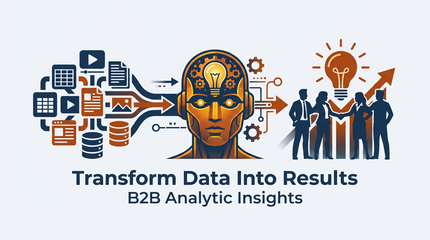
The C-suite is grappling with a familiar, yet ever-escalating, challenge: how do we ensure we have the right talent, in the right roles, at the right time, to drive our strategic objectives? For too long, HR has been viewed as a cost center, a necessary administrative function. Yet, the reality is starkly different. A disengaged workforce, high turnover, and suboptimal talent acquisition don’t just impact morale; they directly affect our bottom line, affecting everything from credit risk by destabilizing key operational teams to eroding financial performance through lost productivity and inflated recruitment expenses. We need to shift from a reactive approach to a proactive, data-informed strategy, and that’s precisely where HR analytics, supercharged by Artificial Intelligence, is delivering transformative impact. The question isn’t if we should leverage AI in HR, but how quickly we can implement it to unlock tangible business value.
For decades, HR has operated in a reactive mode. An employee leaves, and HR scrambles to backfill. A department is underperforming, and HR is asked to address the symptoms. This reactive posture is not only inefficient; it’s incredibly costly. Consider the economic impact of employee turnover. The Society for Human Resource Management (SHRM) estimates that replacing an employee can cost anywhere from six to nine months of their salary, factoring in recruitment, onboarding, and lost productivity. For a highly specialized role, this figure can easily skyrocket. When you aggregate this across an organization, even a moderate turnover rate represents millions in lost revenue and increased operational expenditure. This isn’t merely an HR problem; it’s a financial risk that directly influences our creditworthiness and our ability to execute on strategic initiatives. We’re talking about hundreds of thousands, if not millions, in avoidable costs annually.
The Hidden Costs of a Reactive Workforce
The financial implications of a reactive HR strategy are multifaceted. It’s not just the direct cost of replacing an employee. It’s the lost institutional knowledge, the disruption to team dynamics, and the impact on project timelines. When key individuals depart unexpectedly, especially those with deep operational or client-facing expertise, the ripple effect can be profound. This can manifest as delays in product development, missed sales targets, and ultimately, a degradation of our competitive edge. We’re essentially flying blind, always putting out fires rather than building a robust, resilient workforce. This lack of foresight makes us vulnerable to market shifts and competitive pressures, directly impacting our ability to manage financial exposure and project future earnings with confidence.
Shifting the Paradigm: From Reporting to Forecasting
The fundamental shift required is from historical reporting to forward-looking forecasting. Traditional HR analytics has excelled at telling us what happened – how many people left last quarter, the average tenure of our teams. This is valuable, but insufficient. What we need is to understand why it happened, and more importantly, what is likely to happen next. This is where AI fundamentally changes the game. By analyzing real-time data streams from various sources – employee engagement surveys, performance reviews, internal communication patterns, even external market trends – AI can identify subtle indicators that predict future outcomes. This moves us from HR as a scorekeeper to HR as a strategic predictor, a vital component of our enterprise risk management.
In the realm of human resources, the integration of AI into HR analytics has revolutionized the way organizations assess and predict employee success. A related article that delves deeper into this topic is “Harnessing Data-Driven Insights for Workforce Optimization,” which explores how companies can leverage analytics to enhance employee performance and engagement. For more insights on this subject, you can read the article here: Harnessing Data-Driven Insights for Workforce Optimization.
AI’s Impact on Recruitment: Revolutionizing Time-to-Hire and Quality of Hire
The recruitment funnel has historically been a bottleneck, often characterized by lengthy processes, subjective candidate evaluations, and significant resource drain. The conventional approach, involving manual resume screening and multiple rounds of interviews, is not only time-consuming but also prone to bias. This directly translates into extended time-to-hire metrics, which, in turn, impact project readiness and the speed at which we can capitalize on market opportunities.
Optimizing the Candidate Journey with AI
AI can dramatically streamline the recruitment process. Consider the sheer volume of applications an organization receives for open positions. Manually sifting through thousands of resumes is a monumental task. AI-powered tools can automate the initial screening process, identifying candidates who possess the required skills and experience with remarkable accuracy. This isn’t about replacing human judgment; it’s about augmenting it. AI can identify patterns and keywords that human reviewers might miss, flagging potentially strong candidates earlier in the process. This has led to incredible gains: companies like IBM have leveraged AI to reduce their time-to-hire by a staggering 51.1%. Imagine the impact on project timelines and the ability to deploy critical talent when and where it’s needed most.
Enhancing Appraisal Accuracy and Performance Calibration
Beyond recruitment, AI is also transforming performance management. Traditional appraisal systems can be subjective and inconsistent, leading to demotivation and a lack of clear performance indicators. AI can analyze performance data, such as project contributions, skill development, and even adherence to company values, to provide a more objective and data-driven assessment. This has led to improvements in appraisal accuracy by over 50.8%. By providing clearer, data-backed feedback, organizations can foster a culture of continuous improvement, directly impacting employee productivity and overall organizational performance. This objective calibration also helps in identifying high-potentials and understanding the drivers of exceptional performance, crucial for strategic talent deployment.
The “No-Hire” Advantage: Preventing Costly Mistakes
A significant, often overlooked, cost in recruitment is the consequence of a poor hiring decision. Bad hires are expensive, not just in terms of salary and training, but also in terms of the negative impact on team morale and productivity. AI can assist in identifying candidates who may present a higher risk of future underperformance or turnover by analyzing behavioral indicators and past performance patterns. While not a crystal ball, these predictive models can help recruiters and hiring managers make more informed decisions, reducing the likelihood of investing resources in individuals who are unlikely to succeed. This proactive approach minimizes the financial drain associated with early attrition and the cost of re-recruiting.
Predictive Turnover Modeling: Identifying and Retaining Top Talent
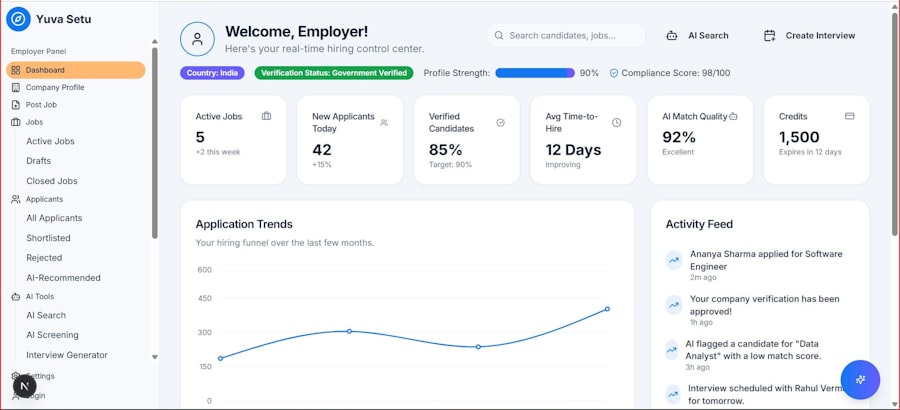
Employee turnover is a pervasive issue, but its impact is often underestimated until a key team member departs. The cost of replacing an employee is substantial, far exceeding just the recruitment expenses. It encompasses lost productivity, decreased morale among remaining team members, and the potential loss of institutional knowledge. What if we could predict, with high accuracy, which employees are at risk of leaving and intervene proactively? This is the promise of AI-powered predictive turnover modeling.
Real-time Data for Proactive Interventions
Modern HR analytics systems can now process vast amounts of real-time data to identify early warning signs of potential attrition. This includes analyzing engagement survey results, tracking internal mobility patterns, monitoring sentiment in communication channels (anonymously and by aggregated trends, of course), and even observing changes in work hours or collaboration patterns. By identifying correlations and anomalies, AI can flag employees who exhibit a higher propensity to leave. Consider Unilever’s experience: their AI initiatives have helped save an astounding 70,000 interview hours annually, a testament to the efficiency gains. More critically, IBM has saved $300 million in retention costs by predicting 95% of at-risk employees before they leave. This isn’t hypothetical; it’s quantifiable business savings.
Personalized Retention Strategies: A Tailored Approach
Once at-risk employees are identified, AI can further assist in developing personalized retention strategies. Instead of a one-size-fits-all approach, AI can analyze an individual’s profile, career aspirations, and reasons for potential departure (inferred from patterns) to suggest targeted interventions. This might include offering new development opportunities, adjusting workload, providing additional mentorship, or even recalibrating compensation. This level of personalization is what truly differentiates AI-driven HR. It moves beyond broad initiatives to address the specific needs of individual employees, fostering loyalty and significantly improving retention rates. This focus on individual engagement translates directly to sustained productivity and reduced operational risk, strengthening our financial stability.
The “When”: Predicting the Exact Day of Departure
While predicting who might leave is powerful, the most advanced AI models are now capable of predicting when an employee might depart. This level of granularity allows for even more effective planning. Knowing that a key engineer is likely to leave in three months, for instance, provides ample time to initiate a succession plan, begin the recruitment process for a replacement, and cross-train existing team members. This proactive planning minimizes disruption and ensures continuity of operations. It transforms HR from a reactive function to a strategic enabler of business stability.
Workforce Planning: Forecasting Needs and Bridging Skill Gaps

The future of work is dynamic and unpredictable. Organizations that fail to anticipate evolving workforce needs and skill gaps do so at their peril. Traditional workforce planning often relies on historical data and static projections, which are inadequate in today’s fast-paced environment. AI, however, offers a powerful lens for forward-looking analysis, enabling organizations to forecast future talent requirements with unprecedented accuracy.
Strategic Workforce Forecasting: Five Years and Beyond
Modern AI systems are capable of forecasting workforce needs up to five years out. This is achieved by analyzing a multitude of internal and external factors, including market trends, technological advancements, and strategic business objectives. By understanding the anticipated demand for specific skills and roles, organizations can proactively develop talent acquisition and development strategies. This foresight is critical for long-term strategic planning, ensuring that the organization has the human capital necessary to execute its vision and seize emerging opportunities. It allows us to align our talent pipeline with our business roadmap, mitigating the risk of skill shortages that could derail our strategic initiatives.
Identifying Skill Gaps Before They Become Crises
One of the most significant benefits of AI in workforce planning is its ability to identify skill gaps before they become critical issues. By analyzing current skill inventories against forecasted future needs, AI can highlight areas where the organization is likely to face a deficit of talent. This allows HR leaders to implement targeted training and development programs, recruit for specialized skills, or even explore strategic partnerships to acquire the necessary expertise. This proactive approach prevents the productivity dips and project delays associated with a sudden lack of critical skills, ensuring operational continuity and supporting financial performance.
Optimizing Talent Allocation and Succession Planning
Beyond identifying needs, AI can also optimize the allocation of existing talent. By understanding individual skill sets, career aspirations, and performance potential, AI can assist in making more strategic decisions about internal mobility, promotions, and project assignments. This ensures that the right people are in the right roles, maximizing productivity and employee engagement. Furthermore, AI significantly enhances succession planning by identifying potential candidates for critical leadership positions, fostering internal growth and ensuring leadership continuity. This reduces the reliance on external hires for senior roles, often a costly and time-consuming process, and strengthens organizational resilience.
In the evolving landscape of human resources, the integration of AI in HR analytics has proven to be a game changer for predicting employee success. A related article discusses how organizations can harness the power of analytics to transform raw data into meaningful actions that drive performance and engagement. For more insights on this topic, you can read about it in the article on transforming data into meaningful actions. This approach not only enhances decision-making but also fosters a more proactive HR strategy.
Organizational Change and the Human Element: Embracing the AI Transformation
| Metrics | Data |
|---|---|
| Employee Performance | Quantitative and qualitative performance data |
| Employee Turnover | Number of employees leaving the company |
| Recruitment Success | Number of successful hires |
| Training Effectiveness | Training completion rates and performance improvement |
| Employee Satisfaction | Survey results and feedback |
The successful integration of AI into HR analytics is not solely a technological challenge; it is fundamentally an organizational change initiative. Simply deploying new AI tools without addressing the human element and the underlying organizational processes is a recipe for failure. The conversation needs to be framed around transformation, not just implementation. While 26% of organizations currently use AI for HR activities, with 64% focusing on recruitment, a significant opportunity exists for broader adoption and deeper integration.
Bridging the Gap: Technology and Human Expertise
It’s crucial to emphasize that AI is an augmentation tool, not a replacement for human expertise. AI excels at processing vast datasets, identifying patterns, and making predictions. However, human insight, empathy, and strategic judgment remain indispensable. The power of AI in HR analytics lies in its ability to free up HR professionals from tedious, repetitive tasks, allowing them to focus on higher-value activities like strategic workforce planning, employee development, and fostering a positive organizational culture. Analytics leaders must champion this duality, ensuring that technology amplifies human capabilities, rather than diminishing them.
The Importance of Data Governance and Ethical AI
As we leverage AI for predictive insights into employee success, robust data governance and a commitment to ethical AI are paramount. We must ensure that AI models are free from bias, that data privacy is protected, and that decisions based on AI insights are fair and transparent. This requires clear policies, ongoing monitoring, and a commitment to continuous improvement of the algorithms and the data they utilize. Building trust in AI-driven HR requires transparency about how data is used and how decisions are made. This ethical framework is not just a compliance issue; it’s essential for maintaining employee morale and fostering a culture of trust, which directly impacts productivity and organizational stability.
Fostering a Data-Driven Culture: The Foundation for Success
Ultimately, the success of HR analytics transformed by AI hinges on fostering a truly data-driven culture within the organization. This means encouraging all stakeholders, from the C-suite to front-line managers, to embrace data-informed decision-making. It requires investing in analytics literacy across the organization and making data insights accessible and actionable. When HR analytics becomes a shared responsibility, and its insights are integrated into broader business strategy, the potential for positive impact on employee success and overall business performance is immense. We need to move beyond pilot projects to full-scale AI deployments, embracing continuous learning and adaptation.
Strategic Recommendations for C-Suite and Analytics Leaders
For C-suite executives and analytics leaders, the message is clear: the time to act is now. The advancements in AI for HR analytics are no longer theoretical; they are delivering tangible, measurable business outcomes. Ignoring them is a strategic misstep with significant financial and operational implications.
- Champion the Analytics Transformation: As a leader, your endorsement is critical. Drive the conversation around HR analytics transformation not as an HR initiative, but as a business imperative that impacts profitability, risk management, and competitive advantage. Frame it through the lens of ROI, demonstrating how investments in AI-driven HR will yield significant financial returns through reduced costs, increased productivity, and improved employee retention.
- Invest in Integrated Data Platforms: To unlock the full potential of AI, organizations need integrated data platforms that can aggregate and analyze data from disparate HR systems, performance management tools, and even operational databases. This foundational investment is crucial for enabling real-time data analysis and generating accurate predictive models.
- Prioritize Talent and Skill Development: Beyond technology, invest in developing the internal capabilities to leverage AI effectively. This includes hiring data scientists and AI specialists, but perhaps more importantly, upskilling your existing HR and business teams in data literacy and analytical thinking. Empower them to ask the right questions and interpret the insights generated by AI.
- Embrace a Phased Approach to AI Deployment: While the goal is full-scale AI deployment, a phased approach can mitigate risk and demonstrate value incrementally. Start with specific use cases, such as predictive turnover modeling or AI-assisted recruitment, where the ROI is clear and quantifiable. Learn from these initial deployments and scale strategically.
- Establish Clear Governance and Ethical Frameworks: Proactively address the ethical implications of AI in HR. Develop clear guidelines for data usage, bias detection, and decision-making transparency. This builds trust, ensures compliance, and safeguards the organization from reputational damage.
- Focus on Driving Data-Driven Decision Making: The ultimate goal is to embed data-driven decision-making into the fabric of the organization. HR analytics, powered by AI, should provide actionable insights that inform strategic choices across all business functions. This shift from intuition to insight is what will differentiate market leaders in the coming years.
The journey to truly predictive HR is complex but incredibly rewarding. By strategically leveraging AI, we can move beyond the limitations of traditional HR analytics, unlock significant cost savings, drive measurable performance gains, and ultimately, build a more engaged, productive, and successful workforce – the bedrock of any thriving enterprise. The time for incremental change is over; the era of analytics transformation is here.